Opening with the first single Gimme Something Good, this self-titled album is the 14th by Ryan Adams, and it’s already shaping up to be my favourite Ryan Adams album since 2004’s Love Is Hell.
The album has a late 70s Bruce Springsteen/ Tom Petty feel to it. I think it’s safe to say that this is a classic rock influenced album.
Heartbreaker Benmont Tench provides the organ and piano so no surprise that there are nods to the classic Tom Petty Damn the Torpedoes sound
The sparse instrumentation on the intro to Kim is a joy to hear – just guitar, vocals and a distant keyboard before the full band kicks in.
“I watched you walk away, to be with him, Kim”
The production also harks to a bygone era – instruments panned sharply left or right, dry reverb-free drums. This album could have been released in 1979 and would not have sounded out of time.
Am I Safe is an acoustic driven but lyrically edgy track with some wonderful Johnny Marr’esque riffing. And maybe a hint of Fleetwood Mac in the backing vocals. A definite highlight of the album.
“All these things keep runnin’ through my mind”
My Wrecking Ball is a Springsteen like title, and a Springsteen like lyric (it’s all about cars and girls, right?). A stripped back arrangement highlights Ryan’s wonderfully gritty vocals.
Stay With Me ups the tempo and has a powerful, top drawer chorus (the guitar riff underpinning the build up sends shivers).
Feels Like Fire is a great driving song – perfectly build for the long drives on the freeway! I Just Might grows from a chugging guitar and vocals intro as the band creeps in. I love the way the lyrics mirror the playing – as Ryan sings that he doesn’t want to lose control, the mood shifts up a gear.
Tired of Giving Up feels strangely uplifting, even with it’s downbeat lyrics. Album closer Let Go is short, sharp and to the point, not overstaying it’s welcome. Just as it hits you, the song is over.
This is probably the most focussed Ryan Adams album for a long time, and all the better for it.
The Unravelling is a wonderfully psychedelic, progressive album. Tracks veer from Pretty Things influenced 60s pop, to all out progressive tinged epics, often within the same song!
The album’s opening piece, I Can Teach You How To Lose A Fight, sets the scene for the whole album, with shifting time signatures aplenty and a neat segue into the album’s shortest track, The Orphanage, which thunders along driven by some great new wave guitar.
Don’t Land on Me is a wonderfully progressive piece, with a feel of King Crimson in some of the instrumentation. The switching of lead vocals between Kavus Torabi and Melanie Woods works really well, especially on this track.
This Empty Room Once Was Alive is the most disturbing track on the album. Simple instrumentation underpins a song that at first listen seems to be a song about being haunted, but soon reveals itself to be about the deep pain of loss and the loneliness that follows bereavement.
“And all I am is frightened, I’ll forget just what we had”
Another track to be filed under disturbing is The Skulls We Buried Have Regrown Their Eyes. Shifting rhythms, spidery rhodes and an imaginative use of brass provide the backdrop to a gothic horror story. A track that works really well with the lights turned off.
Destroy The World We Love reminds me a little of the mood of Mansun‘s Six album. An infectious guitar riff underpins the song, indeed the second half of this track is one of the highlights of the whole album.
“You hold a secret in your hands”
Album closer I’m Hiding Behind My Eyes is my favourite track on the album, and is sequenced well, as the most traditional sounding track on the album. The song benefits from an even pace, only going off piste for a brief period in the tracks mid-section, as it builds to a perfect album finale. I love the interplay between piano and guitar in the first section of I’m Hiding Behind My Eyes.
“In this cold galaxy, you and me, Could form another world now.”
On first listen, you might be put off by the complexity of The Unravelling, but stick withit and you will be rewarded with a rich album filled with moving, haunting, imaginative stories set to powerful music that dips in and out of the decades for it’s inspiration.
A mere 10 years after his debut solo album, no-man / Henry Fool singer Tim Bowness releases Abandoned Dancehall Dreams on June 23rd on the Inside Out label. And it’s a world away from his debut.
The Warm-Up Man Forever kicks the album off in style – the opening song seems to feed off the spirit of mid-80s Kate Bush, from the urgent Sat In Your Lap toms through to the Hounds of Love referencing strings. Although the pace of the song is definitely cranked up a few notches from these Bush classics – imagine the Siouxsie & the Banshees drummer Budgie pounding away in a post-punk stylee, if you will.
“Cruising the backstage, spitting feathers”
The Warm-Up Man Forever is a great opening song, and has really grown from the version performed on the no-man tour a couple of years ago. A blood-thirsty guitar solo from Michael Bearpark brings the song to it’s end.
In an alternate universe, this is the track that opens this weeks edition of Top of the Pops, pop pickers.
But that was just a phase…
Smiler At 50 slows the pace, and sets the tone of loss and regret that runs deep throughout this album.
“The girl that Dads could laugh with, a face just right for first kiss”
A beautiful, aching string refrain signals the middle section of the song, as it heads towards its unexpectedly proggy ending. Fans of Steven Wilson‘s recent albums will love this powerful, dissonant outro. The songs on this album have really been given the chance to stretch and find their own space, with longer instrumental passages that are missing from previous Bowness solo material.
Before you have a chance to recover, the most heartbreaking track on the album hits you. Songs Of Distant Summers is in the mould of the classic no-man ballads of years gone by. Hanging piano chords, underpinned by sweet synth layers and deep bass, with a lyric that touches on the feeling musicians sometimes experience during that intense moment of creativity.
“Sweet songs from fading summers, old friends who grew apart”
For some reason, this song reminds of the wonderful, blissed out classic Winter in July by Bomb the Bass. I remember reading an interview many moons ago, I think it was with Bernard Sumner from New Order, who said he woke up to Winter in July playing on the radio and he thought he had died in his sleep and woke up in heaven.
Whilst Songs Of Distant Summers is virtually beatless, it has that heavenly feel mixed with found-sounds buried deep in the mix, and it takes you to another place. Oh, and I’m always a sucker for any song with rhodes piano.
I’ve been living with the album for nearly six months now, and I really do believe that Songs Of Distant Summers is up there with no-man’s Truenorth as one of the finest Bowness songs.
She sees the factory buildings…
Waterfoot has shades of another Bowness vehicle, Memories of Machines, his collaboration with Giancarlo Erra from Nosound. The lyrics and music reference an industrial Northern England long since disappeared (in a similar way to the excellent Big Big Train). Emotive synths (plus more rhodes, yay) and a lovely acoustic guitar reference Steve Hackett and a little of the spirit of early Genesis to these battle-scarred ears. Waterfoot really grows after repeated plays, and it’s playfulness is a joy.
This may be controversial, but I will fight the corner for Dancing For You being on a par with some of the mid-80s Phil Collins ballads. Yep, you read that correctly. Phil Collins has always been an easy (lover) target – but In the Air Tonight, If Leaving Me Is Easy and Don’t Let Him Steal Your Heart Away are wonderful songs. Have a listen, and let go of your prejudice.
Anyway, back to Bowness. The piano and 80s drum machine might reference classic Collins, but the lyrics are much more hard-hitting and direct than anything Mr Sussudio has committed to vinyl.
“She was dancing for you, and you looked away. Dancing for you, another you, on another day”
The 70s sounding backing vocals and decaying guitar top off probably the saddest song on the album. And the sad songs say so much, don’t you know.
Smiler At 52 finishes the story from earlier in the album’s song cycle, and sadly it’s not ended well for dear old Smiler. Glitchy percussion and a nagging keyboard line underpin the story of a lonely, middle-aged Smiler and her mountain of regret.
“Far from young and not yet old.”
Looped vocals and an engaging bass-line take the song to its fade.
I Fought Against The South is the longest track on the album, and probably the biggest surprise on first listen. It’s the track on the album that really captures that live no-man feel from the recent live dates, and is almost a cousin to one of my favourite no-man songs, lighthouse.
A wonderful, loping beat and heart-wrenching strings and solo violin drive this slow-burning epic track. It’s a perfect headphone track, with great separation between instruments – listen as a dirty, scratched organ smashes into the mix 1/4 of the way through, and then disappears, taking the strings with it.
“The dream was in tatters, so what did it matter? My temper was quick but my movements were slow”
After a few seconds of near silence, the toms usher in the final, powerful instrumental section. Played loud, the fluttering cymbal work and interplay between guitar and keyboards is up there with the finest modern-day progressive music.
Too much is not enough
Normally, I Fought Against The South would be the perfect album closer, but Bowness has chosen to close the album with Beaten By Love. The oldest song on the album, this is the definitive version. A perfect post-punk bookend to the album opener, Beaten By Love is the darkest track on the album, with some fine bass work by current no-man bassist, Pete Morgan. Tim’s partner in no-man, Steven Wilson, as well as mixing the album, contributed the frankly evil-sounding guitar to the album’s menacing closing track.
“So completely, beaten by your love”
Abandoned Dancehall Dreams deserves to be heard by as wide an audience as possible. It’s almost an oddity in the modern era, a throw-back to those carefully sequenced releases from the golden era of classic albums.
Its a release that I think will eventually be considered as a career highlight. The attention to detail is evident throughout the whole package – from the range of wonderful, individual performances from musicians such as Pat Mastelotto (King Crimson), Porcupine Tree‘s Colin Edwin, Anna Phoebe and members of the no-man live band, to the album mastering by Pink Floyd engineer, Andy Jackson.
Potentially my favourite album of 2014? I thought it would be when I first heard the album back in January, and I’ve yet to hear anything released this year to make me think I was wrong.
Sounds of Distant Summers
The two CD version of Abandoned Dancehall Dreams contains a companion CD of alternate versions and out-takes. The wonderful Grasscut contribute a string-driven, more percussive take on Smiler at 52.
Ambient keyboard overlord Richard Barbieri(Japan / Porcupine Tree) delivers a colourful mix of Songs Of Distant Summers, seeped in the nostalgic tick of clocks, childrens toys and low, rumbling bass synth.
UXB serve up the most radical alternate mix, with the boy and girl vocals of Dancing for You brought to the fore, and the Bowness lead vocals completely stripped out. It’s almost like an electronic Swingle Singers! Please believe me when I say it works really well.
The 5 remaining tracks are out-takes from the album sessions. The track Abandoned Dancehall Dream is a bossa-nova beat, scratchy stereogram sounding track over which Bowness croons “the sound of dead men singing (they love you)”. It reminds me of the music of The Caretaker (think Kubrick’s The Shining), and it’s an intriguing shorter than short song, that whilst it fits the abandoned dancehall concept, sonically does not fit on the main album, but thankfully has found a home on the companion disc.
The same can be said of The Sweetest Bitter Pill – a jazzier song than any on the main album, with some lovely synth work. It featured in early album sequences but always stood out a little, and so found it’s rightful home on disc two.
The Warm-Up Man Forever (band version) sounds like early U2 fed on a diet of Icicle Works albums. It’s good to hear this early take, which sounds like my memory of how no-man performed this track on their last tour, but it’s surpassed by the main album take.
The remaining two tracks are alt-takes of Songs of Distant Summers, recorded during the early band sessions for the album. More guitar driven than the album version, they offer a different perspective, but as WUMF, the seeds cannot compare to the full-bloom.
Whilst you will probably dip into the companion album every now and then, its the main album that you will find yourself returning to time and time again. So treat yourself to a copy from one of the links below.
Order Abandoned Dancehall Dreams from Burning Shed.
In 1986, Bob Dylan and Tom Petty formed a new supergroup with members of Fleetwood Mac, Dire Straits and The Waterboys. Bruce Springsteen (and various members of the E Street band) took time out from their Tunnel of Love tour to guest on the album. The album was called Lost in the Dream and went on to be one of the critics favourites, and regularly turns up in “best of the 80s” lists.
Of course, this didn’t really happen. Lost in the Dream is the latest album from The War on Drugs, but it really does sound like the album was born in that wonderful, experimental era of the early to mid 1980s.
I’ve not heard any of the bands earlier music, but I was intrigued enough by the lead single Red Eyes to seek the album out on Spotify, and then fell in love and bought the CD. A lot of artists are not happy with the streaming income in the new era, but for me, I buy more new music (from new to me artists) now I can investigate before pulling out my credit card. It’s not like there are many physical music stores to seek out new music, so streaming services are a good way to dip into albums before buying. Anyway, apologies, I’m going a bit off piste here.
The album opens with the nearly 9 minutes long Under the Pressure. The album opener sets the scene for the whole album – with a real Whole of the Moon vibe, and a great middle section, as the track breaks down and synths and layered guitars battle towards the songs conclusion.
Suffering would not have sounded out-of-place on Ryan Adams excellent Love is Hell album. Some lovely bar-room piano underpins the guitar towards the end of this song. Lost in the Dream sounds amazing – real attention has been paid to the production – with plenty of space for instruments to jump to the fore and grab your attention.
An Ocean In Between The Waves is driven by a nagging bass and drum pattern that picks up and becomes one of those great driving down the highway songs. This is one of my favourite tracks on the album.
“I’m at the darkened hillside And there’s a haze right between the trees And I can barely see you You’re like an ocean in between the waves”
Disappearing reminds me a little of Fleetwood Mac – it’s got the feel of one of those hypnotising, mid-paced songs that the Mac do so well. Harmonica is added to the pallet, and some of the best guitar sounds of the album are on display on this beautiful, mesmeric track.
Eyes To The Wind has shades of Dylan in the vocals and a lovely, subtle country feel towards the end of the song.
Lost In The Dream is pure Americana – snatches of harmonica and echo-laden guitar.
The album finishes with the epic In Reverse. The crash of waves and the lonely sounds of a distant coastline usher in a slow-burning track of love and loss. The guitar soundscapes drift in and out, like consciousness, as the mix fades to reveal the waves lapping against the shore.
“I’ll be here or I’ll fade away Never cared about moving, Never cared about now”
A great end to a wonderful album. I guess it’s time I investigated the earlier albums by The War on Drugs now.
Torch is the first new album from the Liverpool singer-songwriter Thomas Lang since Versions in 1996. Like Versions, the majority of the new album consists of cover versions. But where Versions was in some ways a homage to soul music, this pays tribute to late night, smokey jazz. For an artist so well known for his electrifying live performances, this is surprisingly only Lang’s second live release.
Torch opens with a cover of the Paul McCartney classic Maybe I’m Amazed. Recorded live in the studio, with just piano and no overdubs, stripped of the full band of the Macca original, it’s a powerful performance of one of the finest McCartney solo songs.
The rest of the album was recorded live during an intimate show at the Liverpool Philharmonic Hall in April 2011. As someone who attended the live concert, Torch is a great reminder of the evening, though sadly Lang’s between song quips are not part of the live album, which would have necessitated a double or triple album release to accommodate the often lengthy Lang tales!
The performances on Torch are subtle and restrained – listen to the end of the Torch version of Me & Mrs Jones below. The raw emotion in the performance seeps through, making this my favourite version of the song (surpassing the studio version from the debut Thomas Lang album, Scallywag Jaz…).
Masquerade (previously recorded by Stevie Wonder and Marvin Gaye to name but two) is a highlight of the album. The arrangement with just piano, sax and Lang’s powerful, rich vocals feels so right – see what I did there, Lang fans?
Torch has a real feel of the late 50s and early 1960s, especially on Billie Holiday’s tale of addiction, Good Morning Heartache. Some wonderful sax and guitar interplay from Paul Thomas and John Wheatcroft on this song.
My Prayer, a huge hit for The Platters in 1956, has a bossa-nova feel that takes you back to a long-lost era of our parents and their music collections that were filled with Elvis, Neil Sedaka and Connie Francis records. Younger listeners will recognise My Prayer from the David Fincher film The Curious Case of Benjamin Button.
God Bless the Child was previously included as a studio cut on the Versions album, but this live recording is closer to the Billie Holiday arrangement. The band get a wonderful laidback groove going on this song. Another great take of God Bless the Child is a wonderful 1980s version by Billy MacKenzie and The Associates from a Radio 1 session. But I digress…
The album ends with Shoelaces, from Scallywag Jaz… continuing the Mrs Jones story and the only Lang original song on the album.
Hopefully the release of Torch will see Thomas taking the band on tour, so we can hear more Lang originals given jazz re-workings, maybe with some other long-lost classic songs re-worked (I’ve always thought a Thomas Lang version of Rickie Lee Jones On Saturday Afternoons In 1963 or Steely Dan’s Dirty Work would be worth hearing).
But for now, dim the lights, pour a glass of your favourite tipple and enjoy Torch. It’s good to have you back Tom.
Torch tracklisting:
Maybe I’m Amazed In The Wee Small Hours He Needs Me Me and Mrs Jones My Prayer Masquerade Loverman Good Morning Heartache God Bless The Child Shoelaces
Tales from the Realm of the Queen of Pentacles is the first album of new material from Suzanne Vega since 2007’s Beauty & Crime. Following on from Suzanne’s reclaiming of her back-catalogue, with the Close Up series, this is the longest gap between new albums.
The album was produced by long-time David Bowie guitarist, Gerry Leonard, who looms large on the album, adding most of the albums electric guitar and more than a hint of the alt-rock experimentation of Bowie’s excellent The Next Day from last year.
King Crimson/ Peter Gabriel bassist Tony Levin is joined by recent Bowie band-members Sterling Campbell, Gail Ann Dorsey and Zachary Alford to underpin a lot of the songs on Tales from the Realm…
Album opener Crack in the Wall is not a hybrid of two key tracks from Suzanne’s debut album but a delightful new track, with mandolin underpinned acoustic guitars, and a real live feel. It’s almost a statement opener – this is the sort of sound you would expect from a Suzanne Vega record in 2014. The surprises slowly start to seep through on the album’s second song, Fool’s Complaint, with a very early 70s sound (the backing vocals remind me of Transformer era Lou Reed).
Then along comes I Never Wear White – and this is the point where the album really shifts to new sonic territory. Built on a Stonesey riff, and a very in your face rock sound – just raw guitar, bass (from Levin) and drums (guitar/bass/drums – the killer formula). This is unlike anything else in the Vega back catalogue. Not a keyboard or acoustic guitar in earshot on this track.
“My colour is black, black, black…”
Portrait of the Knight of Wands is my favourite song on the album. Delicate layered guitar and discordant keyboards provide the palette for this moving tale. A subtle reverb on the lead vocal and a wide mix give this song space to breathe.
“His mission, the transmission of technology”
Don’t Uncork What You Can’t Contain features a 50 Cent sample, the sampled becoming the sampler! A shifting arrangement throws in some Zeppelinesque, arabic-sounding string parts, and a very unique vocal phrasing. This track cries out to be a single.
Jacob and the Angel really benefits from the Gerry Leonard production, with a guitar riff bubbling under the song that Mr Bowie would be proud of. Hand-claps provide the nagging beat, as the song slowly builds as it progresses.
The musically nostalgic Silver Bridge (which reminds me a little of the late 70s new wave of The Cars mixed with Springsteen’s sublime I’m on Fire) is another standout track that reveals hidden textures on repeated listening.
Song of the Stoic is a powerhouse of a song, and for me, the album’s centrepiece. Referencing the production experimentation of 99.9F° (my favourite Suzanne Vega album), the early instrumentation sounds like 19th Century, Deadwood era America, with rustic guitar and percussion that evokes the clanking of early industrial machinery. An intensely moving vocal line and cinematic arrangement make this one of the best songs Suzanne has ever recorded. I’m never going to grow tired of listening to this track.
Laying on of Hands / Stoic 2 has a wonderful dirty Velvet Underground sounding guitar line, and a very percussive backbeat. The album finishes with the optimistic Horizon (There Is a Road), offsetting the darkness of some of the albums preceding tracks.
Releasing a folk sounding record would have been a safe and unimaginative option but thankfully, Tales from the Realm of the Queen of Pentacles is a million miles away from being safe, and should prove to be a career highlight for Suzanne Vega fans.
Bruce Springsteen’s 18th studio album is a mixture of covers, new songs and re-workings of older material, but don’t come to this album thinking it’s a thrown together collection.
High Hopes is an album that stands up as a complete, cohesive release and is one of the finest Springsteen albums of recent years.
Album opener High Hopes builds from a 1950s referencing (and I Want Candy like) scratchy rockabilly guitar riff, and is a high energy opener that sets the scene for the majority of the album.
Harry’s Place is a track originally recorded during The Rising sessions. The vocal effects and the distorted sax remind me a little (ok, a LOT) of the Sopranos theme by Alabama 3 (probably no coincidence as the track references seedy characters meeting up in Harry’s Place).
“You don’t fuck with Harry’s money, you don’t fuck Harry’s girls, these are the rules, this is the world”
Some wonderful guitar work at the end of the song (I’ve not seen the liner notes yet, but I presume from Tom Morello).
American Skin (41 Shots) appears for the first time in studio form. Heavily processed synths and percussion underpin one of the two seven minute plus tracks on the album. A moving song, thats grown over the many years it has been performed live (the song was written in 2000). A definite album highlight, and one of the best Springsteen songs of any era.
“Is it a gun, is it a knife – Is it a wallet, this is your life”
Just Like Fire Would is a song written by Chris Bailey of Australian new wave band The Saints – of (I’m) Stranded fame. I love how 70s punk bands used paragraphs. (Get a) Grip (on Yourself) etc. But I digress!
Springsteen’s vocal power has lost none of it’s bite, and the shared vocals with Steve Van Zandt recall the Darkness on the Edge of Town / The River era. There are hints of The Beatles in the horn arrangement midway through the song and a Byrds like guitar sound features throughout.
Down In The Hole opens with industrial sounding percussion and mournful banjo that brings to mind a long lost 19th Century America. The drums reference I’m on Fire, one of my favourite Springsteen songs. Down In The Hole is simply a beautiful, emotive piece, with multiple layers and a wonderful, evolving production.
I love the production twist early on in the song, it’s as if the song moves from the past to the present. This is shaping up to be my favourite song on the album.
Heaven’s Wall fully utilises the power of the current, expanded touring E Street Band. I look forward to hearing this song live (come back to the UK soon please Bruce).
The production really is top drawer on this album – a previously hidden in the mix bassline sneaks to the fore 3/4 of the way through this song, along with some powerful guitar and percussion workouts.
Frankie Fell In Love is a piece of Americana that zips by in just over two minutes 46 seconds. Just as it hits home, it’s gone and you are listening to the Gaelic flavoured This Is Your Sword.
Hunter Of Invisible Game is a rare down-tempo track on High Hopes. An addictive riff, alternating between strings and guitar, underpins this slow paced but nonetheless uplifting track. Percussion and a rustic sounding acoustic guitar give way to a rich arrangement as the song progresses.
“Your skin touches mine, what else to explain, I am the hunter of invisible game.”
The Ghost of Tom Joad will be familiar to long-term Springsteen fans, but this 2013 take sends the song somewhere else. Gone is the sparse instrumentation of the 1995 original, and the full band and co-vocalist Tom Morello make this into a companion piece to Neil Young’s Like a Hurricane.
The Wall is a tribute to the memories of those who never returned from Vietnam. A lightness of touch in the performance, with respectful, restrained playing, makes this one of the most moving songs in Springsteen’s canon.
“On the ground, dog-tags and wreaths of flowers With the ribbons red as the blood”
I dare you to not feel choked up on your first listen to The Wall, especially when the trumpet fades out during the songs final refrain. That Springsteen is releasing songs of this quality 18 albums down the line is remarkable.
The Suicide song Dream Baby Dream is a fitting album closer. Looped percussion and dark textures underpin the mantra like track that lifts you after the raw emotion of the preceding song.
“Come on, we’ve gotta keep the fire burning.”
High Hopes does not trade on cheap nostalgia, but proves, just like David Bowie did last year, that age is not a barrier to making truly great music. This is an album that would have been rightly lauded if it had been released by The Boss in the late 1970s.
I’m only seven days into 2014 and I’ve already heard a contender for album of the year.
High Hopes Harry’s Place American Skin (41 Shots) Just Like Fire Would Down In The Hole Heaven’s Wall Frankie Fell In Love This Is Your Sword Hunter Of Invisible Game The Ghost of Tom Joad The Wall Dream Baby Dream
Ardor is the second album from The Opium Cartel, an outlet for the more pop orientated music of songwriter/producer Jacob Holm-Lupo from Norway’s art-rock band White Willow.
Ardor is inspired by the 80s pop of The Blue Nile, Thomas Dolby, Japan, Peter Gabriel and Kate Bush, as well as drawing on more modern electronic music by the likes of M83 and Air.
Fans of 80s music will also recognise the warm synth sounds of the Prophet 5, Fairlight, Oberheim OB8, and the PPG Wave, that are scattered throughout the album’s 9 tracks.
Album opener Kissing Moon features Venke Knutson and Rhys Marsh on vocals, and features some wonderful, frenetic percussion and the first appearance of those lovely warm synths!
When We Dream (stream the remixed single version below) has shades of Icehouse and a-ha in the vocal performance from Norwegian singer Alexander Stenerud. The most commercial track on the album, with a very anthemic chorus, and an addictive guitar riff. When We Dream bleed’s pure unadulterated nostalgia.
Silence Instead is an early album highlight, co-written by and featuring vocals from no-man’s Tim Bowness. A slow-burning song, with some delicious guitar work, and a synth sound that reminds me of my favourite Thomas Dolby track, Screen Kiss. Tim is a regular collaborator of Jacob’s, featuring on the debut album by The Opium Cartel as well as White Willow’s progressive masterpiece, Terminal Twilight.
“The snowdrifts are real but the mountains are fake”
If you miss a-ha (who split in 2011), you will love Northern Rains, which sounds like a long-lost 1980s ballad from Morten Harket & co, underpinned by the Peter Gabriel rhythm section from 1980.
Sorry about all the 80s references in this review, but it’s fun playing spot the influence, and it helps that the 80s homage in the music is not ironic or cheesey, but playful and pays respect to the creativity and exploration of a much maligned decade.
Watch the Ardor album trailer
Revenant features the only vocals on the album from Jacob Holm-Lupo, and is one of the albums more progressive tracks. I don’t know if it is inspired by the recent French TV series “The Returned / Les Revenants” but there are certainly some nods to the excellent Mogwai soundtrack in the instrumentation.
White Wolf was the first song written for the album, and heralds a change in the album’s direction from this point in, with each track getting steadily more progressive. The middle section is very moving, and veers off into Yes-inspired territory towards the end, with a Chris Squire-like strong, melodic bassline.
The Waiting Ground has the classic synths still present, and features a great performance from Henry Fool (and current no-man live band) keyboard player Stephen Bennett.
“If I run, where do I run to?”
Then Came the Last Days of May is Ardor‘s only non-original track, a haunting cover of a classic rock ballad from Blue Öyster Cult’s debut album from 1972. This is one for fans of Opeth’s Damnation album, and a perfect way to set-up the album finale.
Mariner, Come In is the epic that completes the album. A rare vocal outing for Henry Fool’s Stephen Bennett, this track is more in keeping with recent White Willow, and the latter section of the track is most definitely jazz-rock and proud of it! A wild saxophone solo from Harald Lassen on top of layered synths is reminiscent of parts of the recent Steven Wilson album, and after 11 minutes, the track and the album itself, slowly fades to a close.
Ardor is a very different beast to the first Opium Cartel album, and feels more consistent (even though it has a wider variety of vocalists). It should appeal to a wide audience – from the more mainstream fans of modern electronic / pop to lovers of modern progressive music. Oh, and fans of 80s music!
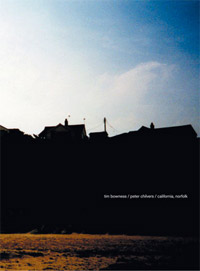
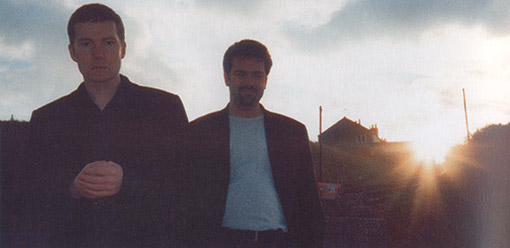
california, norfolk was the debut album from Tim Bowness (no-man/Henry Fool) and Peter Chilvers (Brian Eno/Karl Hyde). Originally released online, with no promotion and in very limited quantities in 2002, california, norfolk has been given a well-deserved deluxe-edition treatment by the Burning Shed label in 2013, and will now hopefully reach a wider audience.
disc one
Disc one contains the original album, which is improved by the sympathetic Michael Bearpark remaster. This is not a brickwall, pump-up-the-volume remaster, but one which breathes space and separation into the original recordings.
So the bass sounds fatter, the strings cut through the mix and you hear sounds that were somewhat hidden before (such as what sounds like a clock in album opener hostage).
If you haven’t heard california, norfolk before, it’s a perfect late-night album. Echoes of The Blue Nile’s debut album filter through on hostage.
“the girl you never forgot, went underground, defences shot”
Lyrically, hostage can be filed under the same heading of unrequited as Everything But The Girl’s sublime Missing. Both touch on memories of people who have moved on, whereas in hostage, I get the impression that the subject did not find “some better place”.
The title track has a real feel of a decaying seaside town, and reflects on the characters who remain behind when the glamour has faded.
post-its is one of my favourite songs, period. The perfect torch-song.
It’s the track I’ve played most from this album, since it’s original release 11 long years ago. A processed old drum machine, yearning strings, and slightly off-kilter guitar serve as a perfect backdrop to some of Bowness’s most direct and emotive lyrics.
“We spent a lifetime devising plans, to waste our lives.”
post-its is a song I never tire of hearing, and it’s wonderful to hear this song again with the added clarity of the remaster.
“In this town not meant for kissing, we sat and kissed”
also out of air wasn’t one of my favourites when the album first came out, but has grown on me over the years. Some lovely Frippesque guitar on this track.
days turn into years is the bleakest song on the album. Set against a backdrop of textured synths and relentless rain bouncing off rooftops, this tale of being trapped in a situation where little changes is not for the faint-hearted.
“Photos of cats, in northern landscapes lie on the bed, all wet with tears.”
rocks on the green is the album’s proggiest moment, with marimba, bass and guitar slowly building in intensity throughout the song. Some lovely synth lines creep into the mix towards the end.
winter with you is a track that divided listeners when the album was originally released, mainly due to the footsteps in the snow effect that runs through three quarters of the track. Personally I think this effect adds to the mood of the song, and offers an alternative rhythm that makes more sense than taking the easy option of just dropping a drum loop into a song thats so obviously rooted in the winter months.
Maybe it’s my love of snow, but around November of every year winter with you appears on my playlists. I love the sound and feel of walking through deep, fresh snow and I love sad, melancholic songs, so that’s all the boxes ticked right there.
“It never felt the way you wanted, she never came the night you cried.”
Its the longest track on the album by far, but one of those rare album epics where it doesn’t seem to last that long. Marimbas make another appearance to usher in the second part of winter with you.
“Don’t want to be a part of this.”
This track is a great companion piece to the winter-themed Iceland by All About Eve and Kate Bush’s 50 Words for Snow from 2011.
dreamer’s song end the album, and lifts the mood, like the arrival of spring. Musically uplifting, a pastoral sounding piece originally written for Henry Fool, lyrically it’s as miserable as ever, thank goodness!
disc two
The second disc of california, norfolk is made up of a remaster of the overstrand alternate / outtakes collection, with some previously unreleased studio cuts and live recordings.
winter with you (alternate) is a snow-free zone, with fender rhodes piano and a much more chaotic string arrangement.
post-it’s (alternate) has a wonderful piano line after the first chorus, and is a good alternative take on the song, but cannot surpass the original version.
One of the highlights of the second disc is the version of sorry looking soldier (alternate), a song from the long out-of-print World of Bright Futures album, and this is one of my favourite versions of the song.
The alternate version of rocks on the green has a Mike Oldfield feel to the arrangement. world of bright futures (alternate), is a wonderful wurlitzer-like version of the Samuel Smiles song, and another great version.
criminal caught in the crime is a track that was re-recorded for the Slow Electric album from 2011, and gives a hint of what the second Tim Bowness / Peter Chilvers album might have sounded like. It’s a much more electronic piece than anything on the main california, norfolk album, and has some lovely textures and organ sounds.
Four live songs bring the second disc to a close. Hearing the songs performed with just piano and voice in a live environment shows how they have evolved over the years, and the short version of post-its is my favourite of the four live songs.
Deluxe-edition packaging
The 2013 version of california, norfolk comes in a deluxe dvd-sized digi-book, which includes sleeve notes by Tim Bowness and Peter Chilvers, plus previously unseen artwork from Carl Glover.
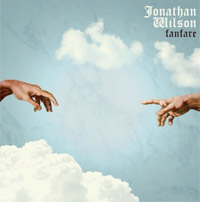
It’s been a week of Wilson’s for me – a wonderful Steven Wilson gig at the Royal Albert Hall on Sunday, and a new album from Jonathan Wilson this week.
The two Wilson’s were previously musically poles apart, with Jonathan’s 2011 albumGentle Spirit being a gentle updating of the LA / Laurel Canyon sound, there is now some common ground as the new album from the Wilson of the Jonathan variety has a more progressive feel, with echoes of ELO and Pink Floyd, particularly on the title track.
Fanfare has a much richer palette than Jonathan’s debut album, and this makes for a more rewarding listening experience. The big drums, aching 70s strings, Fender Rhodes, sax and Floydian vocal line of the title track set the mood for the whole album, which if released in 1977 would have surely been a staple of FM radio for many years.
It’s that wonderful classic rock sound that I love, but with the clarity of 2013 recording techniques (albeit still analog recording). If you don’t immediately buy the album after hearing the stream of Fanfare above, then I will be deeply disappointed in you.
Her hair is Growing Long is a beautiful song, with Danny Thompson’esque bass, intricate guitar lines and harmonics, underpinned by deep pulsing strings, building to a heavily percussive ending.
Dear Friend has some of the best guitar work on the album, and a real live feel to the track, especially the bass / drum interplay in the song’s mid-section, and bears comparison at times to the other Wilson’s recent work in its experimentation with jazz rock structures.
The variety of styles explored on Fanfare is one of the album’s great strengths, and a case in point is Future Vision, featuring former Fleet Foxes member Josh Tillman, who delivers exquisite harmonies.
Starting off almost like a country song, Future Vision is one of my favourite tracks on the album, in no way influenced (coughs) by the fact that it mutates mid-way through into an almost mid-period Steely Dan sounding piece.
Another standout track is Cecil Taylor, which features David Crosby and Graham Nash, so you know the harmonies are going to be pitch-perfect.
“Completely alone, I remember the story We all see the thunderbolt – we all feel the glory”
Phased vocals, simple percussion and layered picked acoustic guitar give the vocals a real space to breathe.
Illumination has shades of Neil Young, with a deep grungy groove, and a hint of Around The World In A Day era Prince psychedelia thrown in for good measure.
The crystal-clear mix and excellent instrument separation on Desert Trip highlights Jonathan’s production skills. Some fine backing vocals from Jackson Browne and Josh Tillman beef up the latter stages of this trip.
New Mexico conjures up a dusty, barren desert landscape, and features LA musician Omar Velasco on backing vocals.
“I couldn’t let you into my mind, I couldn’t get you out of my mind”
Lovestrong features some fine piano work from Benmont Tench (Tom Petty & The Heartbreakers, Ryan Adams, Stevie Nicks) and a guitar solo from Jonathan that David Gilmour would surely be proud to serve up.
Album closer All The Way Down reminds me a little of my favourite Ryan Adams album, Love is Hell, specifically the powerful tracks Political Scientist and The Shadowlands.
Snatches of abstract radio chatter and background noise seep through the strings, piano and guitar that follows the loping beat.
Fanfare is one of those classic albums that just begs to be played late at night, with the lights dimmed, and no distractions – put down your iPhone for an hour, and turn the music up loud.
All The Way Down is the perfect ending to what is already shaping up to be one of my favourite albums of 2013.
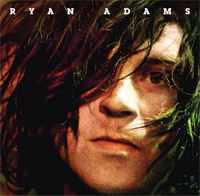 Opening with the first single Gimme Something Good, this self-titled album is the 14th by Ryan Adams, and it’s already shaping up to be my favourite Ryan Adams album since 2004’s Love Is Hell.

 The Unravelling is a wonderfully psychedelic, progressive album. Tracks veer from Pretty Things influenced 60s pop, to all out progressive tinged epics, often within the same song!

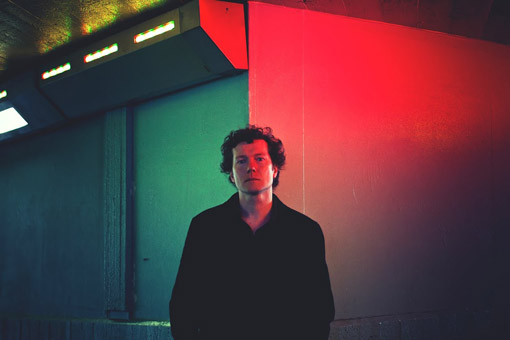


 In 1986, Bob Dylan and Tom Petty formed a new supergroup with members of Fleetwood Mac, Dire Straits and The Waterboys. Bruce Springsteen (and various members of the E Street band) took time out from their Tunnel of Love tour to guest on the album. The album was called Lost in the Dream and went on to be one of the critics favourites, and regularly turns up in “best of the 80s” lists.
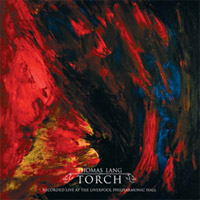 Torch is the first new album from the Liverpool singer-songwriter Thomas Lang since Versions in 1996. Like Versions, the majority of the new album consists of cover versions. But where Versions was in some ways a homage to soul music, this pays tribute to late night, smokey jazz. For an artist so well known for his electrifying live performances, this is surprisingly only Lang’s second live release.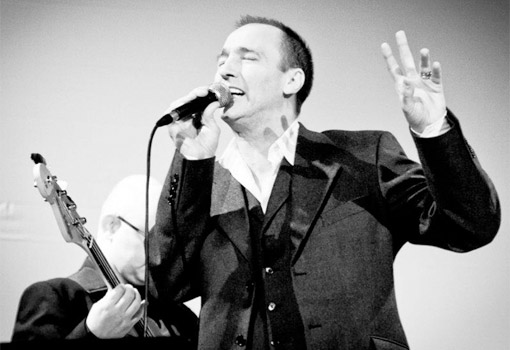


 Tales from the Realm of the Queen of Pentacles is the first album of new material from Suzanne Vega since 2007’s Beauty & Crime. Following on from Suzanne’s reclaiming of her back-catalogue, with the Close Up series, this is the longest gap between new albums.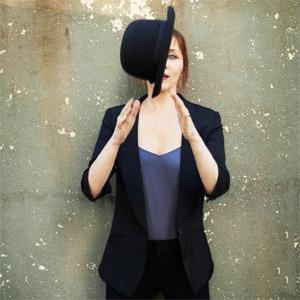


 Bruce Springsteen’s 18th studio album is a mixture of covers, new songs and re-workings of older material, but don’t come to this album thinking it’s a thrown together collection.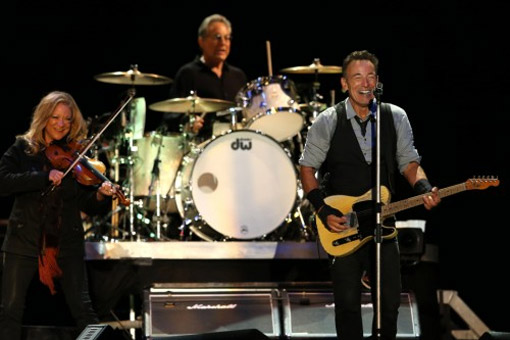

 Ardor is the second album from The Opium Cartel, an outlet for the more pop orientated music of songwriter/producer Jacob Holm-Lupo from Norway’s art-rock band

 It’s been a week of Wilson’s for me – a wonderful


 Mr Kinski's Music Shack