Tim Bowness – Stupid Things That Mean The World

1 07 2015

stupidthings220Stupid Things That Mean The World is the the third solo album from
no-man / Henry Fool singer Tim Bowness, and comes just over a year after his acclaimed Abandoned Dancehall Dreams release.

Stupid Things That Mean The World displays much more variety than its predecessor. A case in point is album opener The Great Electric Teenage Dream, a powerful, aggressive early 70s Bowie-esque piece driven by dirty guitars (courtesy of Bruce Soord and Michael Bearpark) and thumping drums from Sanguine Hum‘s Andrew Booker and Pat Mastelotto from King Crimson.

“Once a record, now an unpaid stream.”

Sing To Me evolved from a 20 year old previously unreleased no-man song, with Bowness adding new lyrics and an expanded arrangement. Hazy violin lines from Anna Phoebe flit amongst the performances delivered by the regular Bowness band of Stephen Bennett, Colin Edwin, Michael Bearpark and Andrew Booker.

The Celtic sounding twin-guitar solo (Thin Lizzy eat your heart out) from Michael Bearpark really lifts the end section of the song.

Where You’ve Always Been is one of the early surprises on the album. A gossamer light piece that evolves as the song progresses, its a perfect summer song. The sad lyrics with remarkably uplifting music (a co-write with Roxy Music‘s Phil Manzanera) work surprisingly well together, and the end result is a song that sounds unlike anything Bowness has released previously.

Some lovely piano work from Stephen Bennett and moving guitar lines from Manzanera transform Where You’ve Always Been into one of the highlights of the album.

“Quoting lines from books you borrowed – the way you’ve always been.”

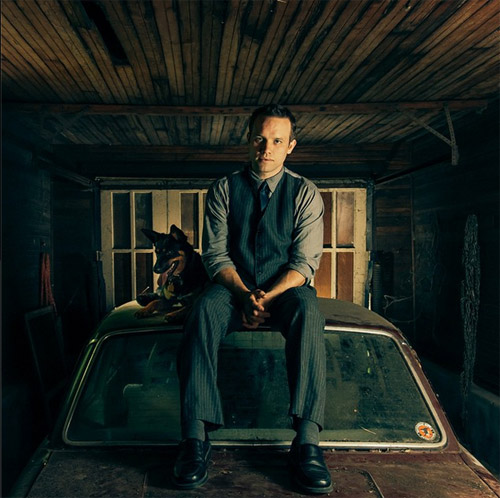
Photo by Charlotte Kinson

Stupid Things That Mean The World sits well in the sequenced album – its always a good sign when an album is well-paced. The albums title track is a naggingly addictive song, underpinned by Run Like Hell sounding echo guitar lines, and an outro section that reminds me a little of the quiet beauty of Virginia Astley.

Know That You Were Loved is one of the most moving songs Bowness has ever recorded, up there with no-man’s wherever there is light. Underpinned by soft backing vocals from David Rhodes (Kate Bush / Peter Gabriel) and guitar lines from Bruce Soord and Rhys Marsh, the simple arrangement reminds me of a lot of the mid 70s and the work of David Crosby (particularly If I Could Only Remember My Name…) and the sonic experimentation of bands like 10cc.

It’s my favourite Bowness vocal performance on the album, with lyrics that are very personal and touching.

The frailty of Know That You Were Loved is quickly washed away with the most brutal track on the album, Press Reset. Harking back to when no-man were flirting with the industrial, beat-driven material of Wild Opera, Press Reset takes the power of no-man’s Bleed and feeds it into my favourite track on the album.

“Tanked-up boys and weekend girls
Lying wasted on the pavement.”

A song dripping with isolation and rejection, the restraint shown by the musicians throughout the first half of the song ends abruptly and the remaining section will probably blow your speakers (and your mind) with its unbridled power.

All These Escapes drops the tempo back down, and revisits a song originally written back in the late 1980s. Sounding like it could have been included on a late 80s Peter Gabriel album, All These Escapes does not overstay its welcome and fades out as the beatless Everything You’re Not creeps in.

By far the most unusual song on the album, violins and proggy synth lines interweave the backing vocals provided by Bowness & Peter Hammill. An added bonus is the inclusion of brass in the arrangement. Whilst not exactly the Brighouse & Rastrick Brass Band, think more Peter Skellern and the mighty You’re A Lady. Listening to Everything You’re Not fuels my desire to hear more colliery brass in my pop music. Make it so,  Northern musicians, make it so.

Everything But You is a lyricless, short companion piece with some lively Jethro Tull-like flutes from Andrew Keeling and violins from Charlotte Dowding.
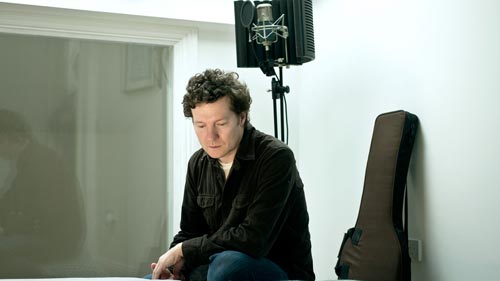
Photo by Charlotte Kinson

Soft William is a short but sweet song you might remember (in much simpler form) from the days of Tim’s Myspace page. Ah, digital nostalgia. Before you know it, the final track on the album is here.

At The End Of The Holiday is a sepia tinged shanty that ends the album perfectly. Soft acoustic guitars and gentle drums give the feel of a Martha’s Harbour for the 21st Century.

“She feels the breeze caress her skin, Wishes she wasn’t quite so thin.”

One of the saddest songs in the Bowness canon, with an almost baroque arrangement in some sections, At The End Of The Holiday is a fitting end to the most ambitious release to date from Tim Bowness.

Buy Stupid Things That Mean The World from Burning Shed – Burning Shed pre-orders come with an exclusive signed postcard and – on release day – a link to a flac download of a 5.1 mix of the album by Bruce Soord.

Buy Stupid Things That Mean The World from Amazon UK

Stupid Things That Mean The World album artwork by Jarrod Gosling
Tim Bowness photographs by Charlotte Kinson


East India Youth – Culture of Volume

8 04 2015

eastindiayouthCulture of Volume, the second album from East India Youth, opens with The Juddering, an instrumental that starts off spitting out a synth- line reminiscent of Bowie’s title track to Station to Station, before the big synths take over.

Culture of Volume is not an instrumental album, the majority of the tracks feature vocal performances, the first of which, End Result, sneaks in some Duran Duran sounding synth flavours, and displays an intelligent, expansive arrangement.

Beaming White, though driven by mid-80’s sounding synths in the intro, has a feel of Delphic‘s Acolyte album. And that’s a key point with this album – William Doyle (aka East India Youth) is clearly influenced by the 80’s sounds of Kraftwerk, David Bowie, Ryuichi Sakamoto, John Foxx and Soft Cell but he writes songs that are contemporary, with vocals more inspired by Wild Beasts and Everything Everything than his apparent 80s influences.

Hearts That Never is one of the more up-tempo pieces, with a great bass-line and rolling percussion. The hands-in-the-air anthem Entirety is lifted by the sweet keyboard lines towards the middle of the pacey, at times industrial track.

The stand-out song for me is Carousel, which has shades of The Garden era John Foxx, and a real 1980’s 4AD feel in the use of long, spacey reverbs. Beatless and beautiful, it’s a moving piece of music, especially the slowly distorting outro, which has a little of the feel of The Disintegration Loops by William Basinski.

The straight-forward pop of Don’t Look Backwards has a dreamy treated piano and strings ending, which plays perfectly into my second favourite track, the 10 minute plus Manner of Words. Slow-burning textured pads and lead lines give way to disintegration and decay.

The album closes with Montage Resolution, another instrumental soundscape built from layers of jagged reverb-heavy lines underpinned by a deep synth.

This is the first music I’ve heard from East India Youth, and its piqued my interest enough to seek out their debut album, Total Strife Forever.

Buy Culture of Volume CD or download on Amazon

Buy Total Strife Forever on CD or download at Amazon


Sanguine Hum – Now We Have Light

25 02 2015

now-we-have-lightNow We have Light is Oxford band Sanguine Hum’s third album, and the follow up to 2013’s The Weight of The World.

Now We have Light expands on the sound and themes of the previous album,  but takes things a step further, with a concept based double album. I’ll leave you to discover the concept when you explore the CD (look into my eyes, buy the CD).

Desolation Song sets the scene, introducing the main character in the concept. Some beautifully layered textures and solo lines from guitarist/vocalist Joff Winks, plus an array of tempo changes ensure that this album will appeal to fans of Pink Floyd and Steven Wilson.

“It’s basically a tale, the telling of a story…”

The gently pastoral backdrop of Drastic Attic leads into the psychedelia of Getting Warmer, with its bubbling synths and distant bells courtesy of keyboardist Matt Baber.

Out of Mind is a perfect example of the complexity to the arrangements and performances on Now We have Light. A subtle break-down and then build-up takes place at the songs mid-point, with the rhythm section of bassist Brad Waissman and (current no-man / Tim Bowness / Henry Fool drummer) Andrew Booker really adding to the mood and drive of this key song.

The keyboards (a mixture of hard Moroder-esque sequencers and jazzy rhodes) cook up a treat on the jazz-rock referencing TheftDerision closes the first CD – and normally a track of this quality would be a fitting album closer, but the story continues onto the second CD.

Cat Factory is driven by a tight funk bassline, and reminds me a little of some of the mid-70’s Stanley Clarke albums that I listened to in my formative years.

sanguine-hum

On the Beach (no, not a Chris Rea cover version) is one of the most progressive tracks on the album, which at times also has a feel of Hatfield and the North and early Genesis.

The two longest tracks on the album are up next – End of the Line has a steady groove and addictive keyboard lines. Spanning the Eternal Abyss weighs in at nearly 11 minutes and as such has the space to fully explore the riffs, moods and multiple layers of the song.

Spanning the Eternal Abyss is made up of several parts, and I particularly love the toms and piano early section, before the track slows down (with a glitchy, funereal pace percussion loop) towards the end.

The album’s closing tracks, Bubble Trouble and Settle Down feature vibraphone work from jazz musician Jim Hart. Settle Down features the album’s best vocal performance from Joff Winks. It struck me on the early listens to Now We have Light that whilst the lyrics are an important ingredient in the songs, they are not obtrusive but make their point on repeated listening.

If you like modern progressive rock (Steven Wilson, Big Big Train, White Willow, Lifesigns et al)  or progressive influenced / post-rock  bands such as Radiohead, Mogwai or Sigur Ros, I would urge you to investigate Now We have Light and the music of Sanguine Hum.

Buy Sanguine Hum – Now We Have Light (Double CD version) on Amazon
Buy Sanguine Hum – Now We Have Light (Box-set – 2CD/DVD) on Amazon


White Willow – Animal Magnetism (digital single)

20 02 2015

Animal Magnetism is the firswhite-willowt new music from Norway’s prog heavyweights White Willow since the wonderful Terminal Twilight album in 2011. The single is a cover of a song from German heavy rock band, The Scorpions.

Jacob Holm-Lupo and co have replaced the rock guitar of the original song with pulsating hard synthesizer sequences for the most part. The synths remind me a little of Tangerine Dream and the song serves as a fine tribute to Tangerine Dream’s founding member, Edgar Froese, who passed away in January.

Norwegian singer Venke Knutson makes her White Willow debut on this track, and has slotted in seamlessly straight away. The vocals in White Willow songs are usually very much to the forefront, but for this song, they are heavily treated and sit much deeper in the mix than is usual, which suits the claustrophobic, M83 on acid feel.

Don’t think for a moment that White Willow have watered down the song, it’s still very powerful, and the lyrics are very direct. Sirens and deep bass notes give a feeling of alarm, and the middle section of the song has a wild clarinet solo from David Krakauer.

This feels like a real departure from White Willow – and I can’t wait to hear the new album that’s due later in 2015. The album will apparently be part 1 of a 2 part concept album – so don’t be surprised if the prog returns with a vengeance. Welcome back White Willow.

Listen to a stream of the song below – and if you like it, buy the single on one of the links.

Buy Future Hopes – the new White Willow album, that includes Animal Magnetism  on Amazon.

Read the full review for Future Hopes


Laura Groves – Committed Language (EP)

18 02 2015

committedThis is Laura Groves second EP, the follow-up to 2013’s dreamlike Thinking About Thinking (EP).

You might be aware of Laura’s previous work as Blue Roses, and the often raw, inspired by the northern landscape acoustic songs from their 2009 debut (and only) album. The music released under Laura’s own name is much more layered and electronic, though still finding the space to add guitar and live bass to good effect on some songs.

EP opener Committed Language could have jumped straight out of your dusty old cassette copy of Now That’s What I Call Music 1984 – with it’s warm analogue Japan‘esque synths, and off-kilter percussion. I hear some of the playful song-arrangements of Todd Rundgren, and the electronic experimentation of Chimera era Bill Nelson in some of Grove’s recent material, and Committed Language is no exception to this.

Dream Story has grown from the demo version that I heard online around 3 years ago, and is now driven by production (especially the bass and drum machine) that recalls Fleetwood Mac‘s Tango In The Night. Dream Story takes a few wonderful diversions along the way, and the lead-in to the chorus is as smooth as the world’s smoothest thing. And that’s smooth.

Have a listen to a stream of the song from Laura’s SoundCloud page below.

Friday is a piano and rhodes ballad, that slowly builds as sugar-sweet backing vocals flit around the lead vocal. The most direct arrangement on this 4 song EP, and a moving song.

lgroves

The EP closes with Mystique, a slow-burning jazzy track. Hazy chorused guitar washes through a song Steely Dan would be proud of (if they didn’t spend 45 years perfecting the reverb on the snare). Mystique repays your faith after repeated listens, as new highlights make themselves known to you as this haunting song really gets under your skin.

I recently bought a wonderful yacht pop / yacht rock compilation called Too Slow For Disco, and the tracks on this EP would not have sounded out-of-place in that era, the magical period between 1975 and the mid 1980s. The 80s are often described as being a light, superficial musical decade, but a lot of colourful, adventurous music was released during that time – it wasn’t all Wham! and Haircut 100.

The jazz inflections, bold arrangements and synth / rhodes layers give the music on this EP a warm, nostalgic identity that fits the sad songs on Committed Language. Now, where is that album Laura?

“I think I’m ready now, bring back the mystery…”

Buy Laura Groves – Committed Language (EP) on bandcamp

Buy the Blue Roses CD on Amazon


White Willow – Storm Season (Expanded Edition)

2 01 2015

storm-seasonWhite Willow‘s best-selling album is available again, in a remastered / expanded format from Termo Records.

The 2014 expanded edition of Storm Season includes extras in the form of Headlights (previously only available on the Japanese edition of the album) and excellent demo versions of Nightside of Eden and Sally Left.

The 2014 remaster of the album really does improve the sonic quality. The drum / synth interplay on the outro of Chemical Sunset sounds amazing. So even if you already have the original version of the album, its worth picking up this definitive version.

If you are new to Storm Season, or indeed the music of White Willow, have a listen to the selected Spotify streams in this review and then head over to Amazon if you like what you hear.

Album opener Chemical Sunset sets the scene, with its mix of prog and folk-rock and a slight touch of metal. Storm Season is an album of light and shade, power and calm, and Chemical Sunset is a well-chosen opening track.

Sally Left would not sound out-of-place if played alongside any of the current prog releases. The demo version on the 2014 re-issue offers a more electronic take on the track.

Endless Science is a rare gentle piece, driven by acoustic / classical guitar and awash with vintage analogue synths and real strings.

Soulburn is the centrepiece of the album. A gothic sounding intro gives way to crunching metal guitars. The track is a duet between Finn Coren (who sounds like Peter Murphy from Bauhaus) and principal album vocalist Sylvia Erichsen. I must admit that the metal guitar riffs do detract a little on a couple of occasions in this song, but that’s probably because I was never a fan of mid-90s metal.

Insomnia is powered by organ and a deep bass-line, along with a side-helping of prog’s favourite keyboard, the mellotron. I love the vocal treatment towards the middle of the song. White Willow’s Jacob Holm-Lupo is an excellent producer, I love the way he makes his productions sound so warm and colourful. Insomnia is my favourite track on the album – have a listen below.

The title track to Storm Season would not have sounded out of place on a mid-period Mike Oldfield album (that’s a compliment, if you were wondering!).

“Lost on a raging sea, lost on a raging sea,
I am the voice to lead you home.”

Nightside Of Eden closes the original album. The heavier guitar lines on this track hark back to the early 70s rock riffs of Black Sabbath and Rainbow, more than the 90s metal scene. A wonderful riff crops up on a couple of occasions, most noticeably in the middle section, and reminds me of Blue Oyster Cult.

Take a listen to the wonderful demo version of Nightside Of Eden – if you are a fan of Porcupine Tree circa Up The Downstair / The Sky Moves Sideways, and those album’s heady mixture of psychedelia and dance, you will surely appreciate this track, as it goes off-piste towards the middle of the song.

Apparently Storm Season is the most popular White Willow album. It’s certainly a very good album, but has not quite stood the test of time (due to the metal leanings) as much as earlier releases such as Sacrament, which was also reissued in 2014.

My favourite White Willow album (and one of my favourite progressive album’s of all time) is 2011’s Terminal Twilight. If you haven’t heard Terminal Twilight, especially the beautiful Floor 67, I suggest you rectify that mistake immediately.

A taster of the next White Willow album is due in January 2015, so visit the band’s website and sign-up to their email list if you want to hear when this will be made available.

Storm Season (Expanded Edition) – Buy Storm Season at Amazon UK

Sacrament (Expanded Edition) – Buy Sacrament at Amazon UK

Terminal Twilight – Buy Terminal Twilight at Amazon


Tears for Fears – Songs From The Big Chair (Box-set)

16 11 2014

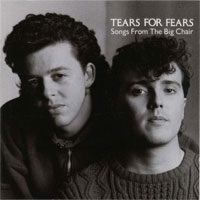
big-chairNo I am not going mad, and slipping back in time to the 80’s to review the second album from Tears for Fears. This is a review of the 2014 six-disc deluxe edition.

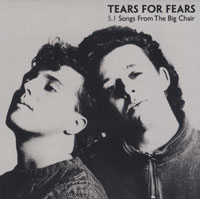
It’s amazing that what was initially an 8 song release back in 1985, can justify a 6 disc release in 2014. Songs from The Big Chair threw up so many remixes, edits and alt-takes, and this new box-set collects just about everything you would want to see (and hear) from this part of Tears for Fears history.

Disc one is the original album, with what sounds like the same remaster as the 2006 (2 disc) re-issue. After the 8 songs from the original album, disc one contains some of the key “b sides” from the era, including the Fairlight showcasing The Big Chair and one of my favourite Tears for Fears b-sides, Pharaohs.

Disc two is titled Edited Songs From The Big Chair and opens with non-album single The Way You Are, which surprisingly the band are not keen on. My favourite Tears for Fears song, Mothers Talk, with its driving, hard synth riffs, gets plenty of representation on this box-set, and the single mix is a shortened, to the point take of the song.

boxset

Everybody Wants To Run The World, the Sport Aid version of the song from 1986, with it’s amended lyrics and added instrumentation is a welcome addition to the box-set, as is the “Running Version”, a mostly instrumental take. Mothers Talk (video version) has a piano intro verse that doesn’t appear on any other versions of the song.

Disc three, Remixed Songs From The Big Chair – well it’s obvious what you will find on this disc! Standout tracks for me include the wonderful Mothers Talk [Extended Version]. I’ve always loved the delayed bass on the outro to this mix. Broken / Head Over Heels / Broken (Preacher Mix) is notable for having a studio version of the end section (the main album outro section is a live cut).

Everybody Wants To Rule The World [Urban Mix] has a radically different middle section, plus a Simple Minds Waterfront sounding bass riff. This remains one of my favourite Tears for Fears remixes.

Disc four in the set contains Unreleased Songs From The Big Chair. Opening with three Richard Skinner sessions, the highlight of which is a wonderful performance of Head Over Heels (the keyboards sound great on this session cut). Next up are six tracks recorded in Toronto, including The Hurting’s Memories Fade.

An early (vocal-less) mix of Mothers Talk – with some great Shaft like rhythm guitar is a revelation. The Way You Are [Early Mix] is the other highlight on this disc.

big-chair-5.1Disc five – ahh disc five. This is the highlight of the collection. This disc contains a brand new 2014 5.1 surround sound mix of Songs From The Big Chair by Steven Wilson. If you know Wilson’s solo work, or his recordings with Porcupine Tree and no-man, you will be aware that his productions always sound amazing. He has recently remixed albums by Yes and XTC into 5.1 surround sound, and Songs From The Big Chair is another 5.1 success.

Its pure joy hearing the separation on these tracks – bass lines, keyboard layers and guitar riffs jump out of the speakers like never before. As with other Wilson recordings, the album is presented as a flat transfer with no additional mastering. I hate the current trend for brickwall mastering, so this pleases me greatly. This does mean that there are noticeable differences in volume during sections of the songs, so you really notice the performances. It’s a wonderful listening experience, and it’s like hearing a new version of an old favourite.

My only criticism of this box set is that the Steven Wilson stereo mix is not presented in CD format – so if you want to put these 2014 mixes onto your digital device, you are not in luck.

The final disc in the box-set contains a mix of promotional videos, BBC TV appearances and the Scenes from The Big Chair documentary. You also get a replica tour programme and extensive, enlightening notes written by Paul Sinclair from SuperDeluxeEdition, with contributions from the band and key collaborators, plus notes from Steven Wilson about the 5.1 surround mix.

This is the definitive version of an 80’s classic, and a great example of how to put together a value-added re-issue package. Now EMI, how about a Steven Wilson 5.1 surround mix of Kate Bush‘s The Dreaming and Hounds of Love?

Buy the box-set

Songs From The Big Chair – box-set on Amazon

Buy The Hurting deluxe on Amazon

Songs From The Big Chair vinyl from Amazon


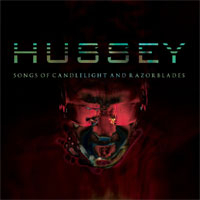
Wayne Hussey – Songs Of Candlelight & Razorblades

29 10 2014

So you’ve not heard the second solo album from The Mission singer-songwriter, Wayne Hussey. What would you expect to hear? The sound of an artist trying to re-create the “glory years” or an album drenched in 80s goth nostalgia?
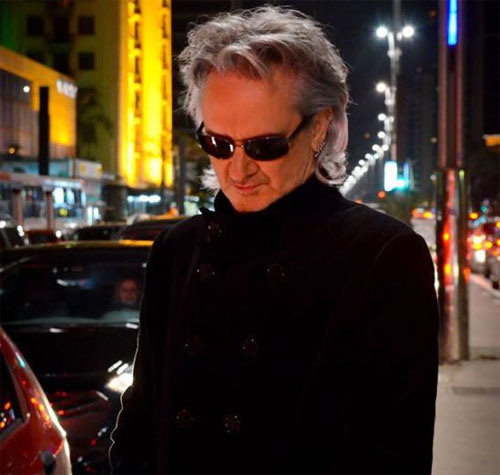
What about one of the albums of the year, full of moving vocal performances, a real variety of styles, and an album that sound’s nothing like his “day-job” in The Mission?

It’s the latter you will actually hear. I’m not a fan of The Sisters of Mercy or many of the so-called “goth” groups from that era. But goth didn’t pass me totally by without digging it’s talons into my heart and leaving me with the love of some of the bands such as All About Eve and song’s such as The Mission’s Tower of Strength, Severina and the beautiful Butterfly on a Wheel, so I was curious as to what a Hussey solo album in 2014 might sound like.

If you put aside any preconceptions, you might discover that Songs Of Candlelight & Razorblades is an excellent album. The album opener is a brave choice – Madam G is a lovely, infectious torch-song, with a subtle late-night arrangement, and was co-written with former All About Eve singer-songwriter, Julianne Regan. Don’t take my word for it, have a listen yourself on the Spotify link below.

Nothing Left Between Us is a slowly building song chronicling a decaying relationship.

“Why are we still holding on, to something that’s already gone”

Wayne Hussey

You Are Not Alone has a Laurel Canyon feel, with a touch of Led Zeppelin thrown in for good measure.

The Bouquets & the Bows is the highlight of the album for me, mainly due to the powerful vocal performance. I love the ending of this song, with the acoustic bass intertwining the piano riff as the song drifts away.

Wither on the Vine musically seems to reference The Cure from around the A Forest era, with the drum and guitar sound. A song calling for tolerance, this track is the one that would likely appeal to fans of Hussey’s earlier work.

I’m reminded a little of This Mortal Coil when listening to No Earthly Cure. A fine chorus tops this wonderful song.

The sequencing of the album works really well – ‘Til the End of Time continues the pace of the previous songs, then winds down with an acoustic breakdown as the swampy Devil’s Kind romps in and turns up the tempo.

When I Drift Too Far from Shore is a string-driven, Bowie-esque piece, whilst Next Station references a Bowie song in it’s lyrics (and possibly in the the song title too).

The album closes on the spoken word Aporia, which touches on some of the problems of the current human condition (racism, homophobia) and what’s that I hear, Bauhaus‘s Peter Murphy on backing vocals?

To quote Aporia“ignorance just ain’t no defence”. I’ve told you how good this album is, have a listen on Spotify and if you like what you hear, support the artist and buy the CD.

Buy Hussey – Songs Of Candlelight & Razorblades on Amazon UK

Buy The Mission – The Brightest Light (2 CD) on Amazon UK

Buy The Mission – Anthology – The Phonogram Years (2CD) on Amazon UK


Gavin Castleton – It Was the Worst of Times, It Was the Worst of Times EP review

12 10 2014

It Was the Worst of Times, It Was the Worst of TimesPortland’s Gavin Castleton has released a new 5 song EP via his BandCamp page. The EP is a collection of songs about unconditional love and loss, but with a twist. If you’ve followed Gavin’s music over the years, you will know who he is singing about, and I won’t need to explain.
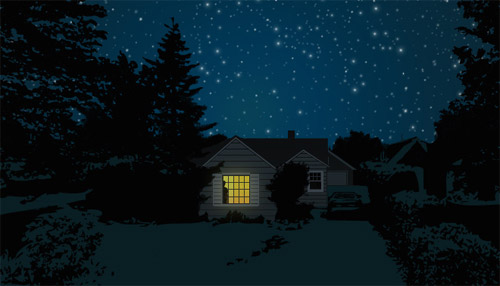
If the language of love is universal, then the same thing can be said about loss, it crosses borders and species and it always cuts deep.

Underestimate Me is a piano (and 1950’s sounding guitar) ballad that sets the scene – welcoming the subject of the EP, and the playfulness of youth and the promise of the future is echoed in the instrumentation during the middle section, before the final two lines hit home, signalling that this is an EP reflecting on memories tainted by loss.

“So I’ll just remember how you made me forget the world all around me
while the world still reminds me of you.”

gavin2

Watering the Soil is a beautiful song, with the sounds of night-time crickets providing the rhythm to the saddest of sad songs.

“I put you in the ground tonight
out beside the house
by the window light”

Where is the Fire? is the darkest lyric on the EP, riddled with regret and wishing you could go back and re-live some of the better times.  I love the subtle reverb on Gavin’s vocals on this track.

Expensive Love is a much fuller arrangement than the live take in the video below, but the EP version makes it clear that this is simply one of the best songs Gavin has written.

Rhodes and a nagging beat drive the song, which has some wonderful Venus as A Boy recalling strings underpinning the later verses.

“But then you got much worse when I took the job –
I had to leave work late and get up at ungodly hours to get out of all the debts I owed.
Maybe you couldn’t see the man for the brand new clothes…”

If you have ever experienced deep loss – whether it was the loss of a parent, a relationship, or a close companion or friend, this song will surely resonate. There are no cliches in Expensive Love – no trite “I’m missing you” – the song serves up some of the raw truths of the cost of love, which can be paid in an emotional and a physical sense.

“I knew you had to go but didn’t know how much it’d cost me”

Image by Carrie Vonkiel

The EP ends on an uplifting song in Team Love – with it’s multi-layered vocals and hand-clap beats.

“I’ll be fixing up my inputs and my outputs
I will learn to love and be loved from any direction”

The change in mood at the end of the EP might suggest that if you are going through the worst of times now,  hang in there because you never know, the best of times could be just around the corner.

Gavin Castleton – It Was the Worst of Times, It Was the Worst of Timesbuy the EP on Bandcamp

Visit Gavin Castleton’s website.

If you’ve not heard Gavin’s music before, take a listen to his cover of Frank Ocean‘s Swim Good (mixed with the sublime Roads by Portishead).

I also recommend the Home (a zombie love story or is it?) and For the Love of Pete albums as good starting points in your journey. You will become hooked, trust me!


White Willow – Sacrament (Expanded Edition)

25 09 2014

White Willow "Sacrament"White Willow’s third album, Sacrament from 2000 has been remastered and re-released in an expanded edition on Termo Records.

The band’s most recent album, 2011’s Terminal Twilight, is one of my favourite albums of the past few years, so I’ve found it interesting to explore some of White Willow’s earlier material. Opening with Anamnesis, all the elements that make up the band’s armoury are here – the flutes, classic 70s keyboards / synths, multi-layered acoustic and electric guitar and the vocals of Sylvia Erichsen, along with a powerful deep bassline underpinning the song. Some lovely subtle percussion drives the middle section of the opening track, before it gives way to a more raw, organic performance, with a real live feel.

Paper Moon has hints of Signify era Porcupine Tree with the emotive, reverb-drenched keyboard sounds. Jacob Holm-Lupo is an excellent producer, and always brings a warm, colourful mix to his recordings, especially with the vocals. If you haven’t already done so, check out his other major project, The Opium Cartel.

“You came, and left too soon”

The Crucible opens with a Hackett-esque (Spectral Mornings era) guitar intro, and keeps a pastoral feel throughout the early section of the only instrumental song on the album, which builds to a powerful, somewhat Floydian multi-guitar ending.

The Last Rose of Summer features Jacob joining Sylvia on vocals, in a moving track, which stands out due to it being one the most straightforward, simple arrangements on the album.

Gnostalgia is another album highlight. A slowly building arrangement, and my favourite vocal performance on the album, it’s simply a beautiful piece of progressive music.

“As echoes in a quiet land, where spirits may grow strong”

The closing track of the album proper is the disturbing The Reach. Setting the scene with it’s “Ring a Ring o’ Roses” opening (the original rhyme is often explained as being about the Great Plague from 1885, history fans), the track twists and turns though time signatures, and is a stark contrast to some of the gentler moments in the album’s preceding tracks. But there is beauty in decay and darkness, you just have to scratch a little deeper under the surface to find it.

“Fragrant night, give me shelter”

The album ends with a couple of demo recordings plus an audience recording from the era, but I prefer to hear the album in it’s entirety without the bonus tracks, though I’m sure long-standing fans will appreciate the extras.

Sacrament is an excellent album, that in this 2014 remastered form, doesn’t sound like a 14 year old album. Maybe it’s time is now?

Buy White Willow’s Sacrament (Expanded Edition) at Amazon UK

Buy White Willow’s Terminal Twilight at Amazon UK

Visit the White Willow website.