The Pineapple Thief – Your Wilderness

17 08 2016

Your WildernessYour Wilderness is studio album number 11 from The Pineapple Thief, and is shaping up to be my favourite release from the band since Tightly Unwound from 2008.

Some of the pre-release press hinted at a return to a more progressive sounding album, but to me, its dialling in the classic rock element more than a progressive leaning.

Album opener In Exile has no build-up, and launches straight in with razor-sharp guitar lines and some wonderful drumming from Gavin Harrison (King Crimson / Porcupine Tree). The adrenaline rush of In Exile‘s end section remind me why I love rock music so much, with guitar work that is reminiscent of Steven Wilson and his heavier work with Porcupine Tree (yes, I know hesmovedon).

No Man’s Land ushers in some warm West Coast harmonies that are one of the album’s strongest weapons. A lot of the performances are driven by quite restrained / sparse instrumentation, so when the drums and deep bass kick in on No Man’s Land‘s mid-section, its a powerful and moving moment.

That Shore is a beautiful track, with a lovely use of delay and hanging notes underpinning the slow-building keyboards. Bruce Soord’s work on the Wisdom Of Crowds album (with Jonas Renkse) seems to have informed some of the soundscapes on Your Wilderness, specifically on That Shore.

Take Your Shot features some of my favourite guitar parts on the album, and blasting out through an amp and speakers (as opposed to headphones / MP3) the love and attention given to the album’s mix and mastering shines brightly.

The_Pineapple_Thief-2016-promo

The Final Thing On My Mind is the album’s “epic” track, even though I can’t help thinking Joe Jackson’s Different For Girls is about to kick in during the first few sections of the opening riff.

“How did we get to be this cold?”

By far the most progressive track on the album, The Final Thing On My Mind has a powerful arrangement, especially when the instruments are pared back to the core of guitar, piano and vocals, making the heavier instrumentation all the more effective. This is the track I have found myself returning to the most when listening to the album. I can’t help but play it again and again!

Where We Stood closes the album on a sad note, with touching lyrics of regret and forgetfulness.

A special mention deserves to go to the design of the deluxe edition of the album. The 11″ book that houses the discs contains album credits, lyrics and some wonderful pictures from the Carl Glover archive. If you are a fan of Steven Wilson and no-man, you will be aware of Carl’s work, and these pictures of a long-lost USA – of family gatherings, cars on the Hoover Dam, family holidays in the 1950s and lonely motels, suit the album so well.

As well as containing a DVD with 5.1 mixes, the deluxe edition includes on CD 2 an album’s worth of new material (8 Years Later) that is often built from ambient / found sound flourishes and arrangements that veer towards Soord’s more electronic side, rather than the song based / rock elements of the main disc.

8 Years Later works well in its own right, but the main Your Wilderness album is arguably the best release from The Pineapple Thief to date.

Buy Your Wilderness on CD from Amazon

Buy Your Wilderness Vinyl from Amazon

Buy Your Wilderness (limited Edition) from Amazon

Buy Your Wilderness (limited Edition) from Burning Shed

Buy Wisdom of Crowds from Amazon


Big Big Train – Folklore

10 06 2016

Big Big Train - FolkloreFolklore is the ninth album from the English progressive band Big Big Train. I first heard the band quite late in their development, around the time of album number 6, The Underfall Yard, but I really started to take notice with the two English Electric albums from 2012 and 2013.

One of the most interesting aspects of Big Big Train for me is the lyrics. They are often incredibly nostalgic, and tell unique stories – of times long gone and landscapes no longer seen. Drawing on art, literature, landscapes and history,  Big Big Train deliver stories of master forgers, mining communities, shipbuilders and curators of butterflies, with music that matches the imagination and variety of the words.

So onto Folklore, the new Big Big Train album. I’ve been living with the album for nearly two weeks now, and its already one of my favourite albums of the year. Make no mistake, this is a classic album, from beginning to end.

Opening with the title track, strings and brass (real, not synthesizer) usher in one of the albums most powerful tracks. Driven by a mesmerising drum groove and shaft-like guitar line, its a real statement of intent. The breakdown towards the end of Folklore is so moving, real hairs on the back of the neck stuff.

“Sometimes truth hides behind the lines,
grist to the mill, fuel to our fire.”

London Plane is a gentler piece, with wonderful layered harmonies, and a long, very proggy instrumental section.  Reviews of Big Big Train often mention the band’s Englishness. I’m not going to get into a Brexit / stay or leave referendum argument in this review, don’t worry, but certain bands really evoke where they are from, or where they draw their influences. You can hear New Jersey in early Springsteen as much as Big Big Train have the English countryside and Northern cities dripping from every organ solo or acoustic flourish.

Along The Ridgeway has some great guitar from former XTC mainstay Dave Gregory, and a key feature on this album, some fine brass arrangements. The track seques into Salisbury Giant, an organ and violin driven piece that builds on the melodies from the previous track.

The Transit Of Venus Across The Sun is my favourite track on the album. Opening with a brass arrangement that owes as much to Peter Skellern as it does to Genesis or Peter Gabriel, the song takes many twists and turns on its journey. Vocalist David Longdon delivers his best performance on this track and the mid-section chanting that gives way to delicious harmonies has to be heard to be believed. Its a stunning track.

“Here be dragons taking flight..”

Wassail reminds me of mid-80s Peter Gabriel, and is the most immediate of the songs of the album, with a blazing hammond solo halfway through the song.

Songwriting duties on Folklore are split between vocalist David Longdon and founding member, bassist Greg Spawton, yet there is a real feel of consistency throughout the album.

The subject matter for Winkie is based on a true story – read more in this BBC news piece. This is the most progressive track on the album, with some Chris Squire like bass from Greg Spawton.

Brooklands is the album’s longest track, with lyrics from the point of view of a racing driver reminiscing about racing at the long closed Brooklands racing track in Surrey. As much a song about the passage of time as it is about a specific racing driver, the music compliments the lyrics well, giving a real feel of speed and movement.

“Just give me one more run…”

The album closes with the pastoral Telling The Bees. The song has a real early 70s vibe to it – on first listen I almost expected Rod Stewart to start singing! If you don’t find yourself swaying and nodding your head to this song, you need to check your pulse.

Telling The Bees is the perfect ending to a wonderful album that I can’t recommend enough.

Buy Folklore from Amazon

Buy Folklore vinyl from Burning Shed

Buy English Electric Full Power from Amazon


no-man – Heaven Taste 12″

3 06 2016
heaven tasteHeaven Taste by no-man was originally a 21 minute instrumental from 1993, featuring Steven Wilson, Ben Coleman, Steve Jansen, Richard Barbieri and Mick Karn.
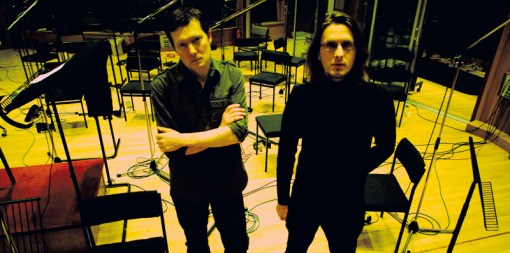
This 2016 12″ vinyl release comes out on June 10th on Finnish underground dance label Sähkö, and is available to buy from Burning Shed.

The 2016 Steven Wilson edit of the original mix is obviously my favourite version on the 12″ – and I can’t wait to hear this on vinyl (this review is from digital copies of the two tracks).

If you don’t know Heaven Taste yet, it has a lot of the hallmarks of early no-man – plenty of breakdowns, soaring violin and guitar lines, but sadly no Bowness vocals as this is one of the bands instrumental pieces.

Heaven Taste is one of the rare studio tracks by no-man to feature Jansen, Barbieri and Karn (Japan / Raintree Crow) who toured with the band in the early 90’s. The track is powered by an impeccable groove that kicks into gear after the twinkling synth, violin and guitar intro, and its instantly clear that you are listening to Steve Jansen and Mick Karn, one of the late 80s / early 90s great rhythm sections.

Heaven Taste is built on repetition and repeated motifs but it would be too easy to label this music as trance, as there is a lot going on – too many layers, peaks and troughs for it to be so easily lumped into the one genre.

Just before the half-way mark we are treated to a short, wonderful piece of Mick Karn bass playing and then the percussion and keyboards ease the groove back in.

I love the space in early to mid-period no-man – take a listen to the bands work on the Speak album or Flowermouth and prepare to be amazed.

cgstrings

I take every opportunity to enthuse about the music of no-man, so I’m always going to prefer the original performance over a remix, but the 9 minutes long Jimi Tenor rearrangement sits well with me. The point of a remix is to give the listener a different taste from the original, or maybe to tease something out of a song in a style or using a technique that might be somewhat alien to the original artist.

This process might also lead to a new audience gaining exposure to music that they may be unfamiliar with, and I certainly think this is the case with this ‘rearrangement’ by Jimi Tenor. There is enough of the original musicians performances to be a recognisable version of Heaven Taste, but it is a definite updating and re-imagining of the song, and this new arrangement takes the song to different and unfamiliar places.

New instrumentation has been added to the original early 90s performances, and whilst there are two or three short sections where Mick Karn’s fretless bass is quite high in the mix, there is noticeably less Jansen, Barbieri and Karn in this Jimi Tenor version, so its a very different beast.

Some of the synths and certainly the style of the flute lines would not be what you would expect in a no-man song, so its interesting to hear another musicians fresh approach to the track. I hope this 2016 re-imaging of Heaven Taste leads to more people seeking out and enjoying the music of no-man. And if you are already a no-man fan, you will enjoy these new versions.

Buy Heaven Taste (12″ vinyl) from Burning Shed

Visit the no-man website to hear more no-man music


Department M – Deep Control

9 04 2016

Deep ControlDeep Control is the first full-length album release from Department M.

Department M is Owen Brinley (former Grammatics singer / guitarist) and drummer Tommy Davidson. They are joined on the album by vocalist Snow Fox, James Kenosha and Lins Wilson.

I was a fan of Grammatics debut album – especially the songs Relentless Fours and Inkjet Lakes, so have been looking forward to the first Department M album, and it does not disappoint.

Department M dial up the electronics on Deep Control, and inhabit the space vacated by Songs of Faith and Devotion era Depeche Mode. Guitars are not the driving force in Department M, they are more atmospheric and layered and work well with the powerful drums, deep bass synths and intricate keyboard lines.

Bad Formulae is an early example of how Brinley’s voice and songwriting has progressed over the past few years. The pace and mood shifts from soft to menacing in the blink of an eye.

Bleak Technique is propelled by some great interplay between the bass and drums, as well as joint vocals from Brinley and Snow Fox. I love the goth-like guitar lines that precede the chorus.

Watch a (very different from the album cut) but moving nonetheless live solo performance of Bleak Technique below…

Kill My Superstition takes a few listens to get under your skin, but this song of addiction, with it’s nagging flute / synth line pays dividends after repeated plays.

“Kid sister morphine, you blaze a trail, from neon carriages sirens exhale”

Stress Class is the nearest to the sound of Brinley’s former band. But the album really shifts up a gear with Air Exchange,  which is easily one of my favourite tracks on the album. I love the changes in pace and the duel vocals. A lot of electronic bands rely too much on processed percussion – Department M having a non-VST driven drummer adds a real sense of power and urgency to these performances.

“Help me forget myself, how hard could it be?”

Department M

Deep Control, Pt. 2 is a gorgeous late-night torch-song, that reminds me a little of Flat Earth era Thomas Dolby. The album was recorded at The Lodge, Bridlington, as was the final Lone Wolf album from last year. The sound of the studio, which ran deep through the Lone Wolf album, can  really be felt on this track.

Linear features a strong electric bass-line, and as the synths break-down, the second section of the song is the most powerful piece of music on the album. Linear ends on an almost post-punk note, it’s a wonderful track.

“trace the vapour trails above, so linear.”

Compulsion is the album’s closing piece. A perfect storm of hard sequencers, off-kilter jazzy sax lines and a nagging guitar riff push the track, and the album, to it’s conclusion.

Deep Control was made to be played loud, so download the album, and do just that. 

Buy Department M – Deep Control on Amazon


David Bowie – Blackstar

8 01 2016

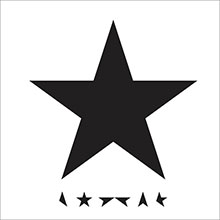
blackstarNew Bowie albums have always been a big deal and a major event for me. And it’s even more so now, as each release arrives I can’t help but wonder if I’m listening to the last Bowie studio album. The live shows look like they are over, and the time will come when the studio albums stop too, so excuse me for savouring each release.


Anyway, sorry about that – enough of the morbid thoughts. Don’t worry – I’m not going to start off by saying that its the best Bowie album since Scary Monsters, as this is only day one of my listening to the full album (courtesy of the new way of hearing albums on release date – the post midnight Apple Music stream until my CD arrives in the post). It’s a brave new world.

The album opens with the seconds short of 10 minutes title track. Driven by Bjork-like percussion and jittery synths and saxes, contrary to early rumours and the Sue (Or In a Season of Crime) single, this ain’t no jazz album. It’s a virtually rock free zone – the guitars are mostly heavily processed and the music is very electronic and playfully experimental.

I love the middle section of the track Blackstar – its pure old-school Bowie tied in with intriguing lyrics.

“You’re a flash in the pan (I’m not a marvel star)
I’m the great I am (I’m a blackstar)”

Tis a Pity She Was a Whore has developed from the 2014 digital release (which had the feel of a demo if I’m honest). There is a real consistency in the sound of Blackstar, which continues with Tis a Pity…, a song littered with frantic sax (as is most of the album) and reminding me a little of Jump They Say.

Lazarus, oh my sweet Lazarus. I was excited about this album when I heard the evolving strangeness of the title track, but Lazarus took it all up a notch and is by far my favourite track on the album. I’ve played this song so many times since it was released digitally in late 2015.

The guitars on this track are just stunning, and I think Lazarus is shaping up to be one of my favourite Bowie songs since the late 70s. I love the arrangement especially the build up to the songs climax, as the guitars and drums reach their crescendo and then it quickly slips back to the nagging pace of the beginning, whilst adding some great bass and guitar interplay. Lazarus also sees Bowie delivering one of his sassiest vocals in many a year.

Sue (Or In a Season of Crime) appears on Blackstar shorn of it’s jazz trappings and in much shorter, but markedly heavier form. There is a feel of the Outside album at times, especially on this track.

bowieblackstar

Girl Loves Me is a weird little number. With vocal tics and incomprehensible lyrics, Girl Loves Me is Bowie at his most off-kilter, and sets up the final tracks, two songs that also happen to be the most accessible songs on the album.

Dollar Days is a great Bowie ballad. At times on The Next Day, some of the nods to the past felt a little like pastiche at times, but Dollar Days does not feel forced, even though it feeds on nostalgia.

Blackstar really feels like an album recorded with a band playing off a well oiled-ensembles strengths and Bowie seems to react to this (listen to the enthused yelps on Tis a Pity She Was a Whore).

I Can’t Give Everything Away opens with a musical nod to Low‘s A New Career In A New Town, and contains the return of the heart-wrenching Bowie vibrato in the chorus.

A simple, understated track that rises and drops, ending with some Fripp like guitar buried in the mix towards the end of a song that seems to be telling his audience to back-off a little – whilst asking for some personal privacy.

“Seeing more and feeling less
Saying no but meaning yes
This is all I ever meant
That’s the message that I sent”

The album has much more consistency than The Next Day. On the first full play of Blackstar, I came to the end and realised I had been waiting to hear the inevitable album filler, but there wasn’t one. Bowie and his musicians do not waste a single note and no track overstays its welcome.

For an artist with such an influential catalogue of songs and albums behind him, to be releasing music this satisfying so far down the line is remarkable.

blackstar
Buy Blackstar on CD
from Amazon

Buy Blackstar on vinyl from Amazon

Buy Blackstar on MP3 on MP3 at Amazon


Steven Wilson – 4 ½

26 12 2015

SW_cover_4_1_2web4 ½, the new album from Steven Wilson, is released by KScope on January 22nd 2016. 4 ½ is like a super-sized, expanded EP, and acts as an interim release between 2015’s Hand. Cannot. Erase. and the next (as yet unrecorded) studio album.
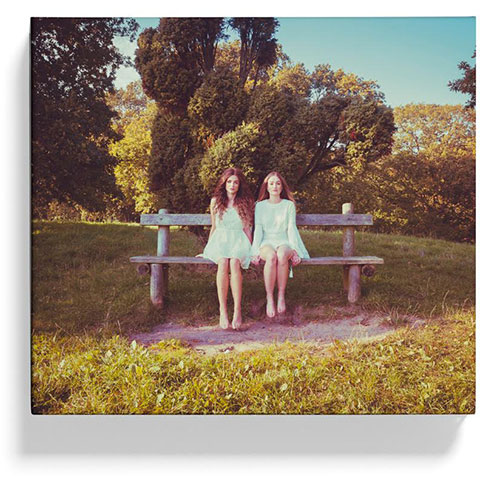
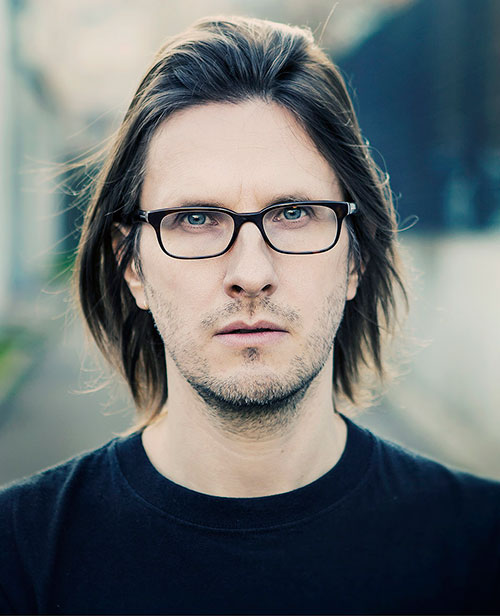
4 ½ is available in multiple formats – as a single CD, digital download, vinyl and blu-ray (the blu-ray includes bonus tracks, instrumentals and the 2015 version of Lazarus).

Album opener My Book of Regrets will be familiar to fans who attended recent live dates, and first started to come together during the early Hand.Cannot.Erase. period.

The song has a myriad of twists and turns, with a nod to the past in the Time Flies referencing evolving guitar riff running throughout the track. A great bass-line drives the mid-section, and all of the musicians get a chance to really shine on My Book of Regrets, which is built from a mixture of live and studio performances.

I love that recording technology has progressed to the stage that live recordings can capture unique individual performances that can then be easily dropped into studio sessions.

I think its safe to say that 4 ½ will appeal to Porcupine Tree fans as well as those who love the material released under his own name. The album feels like Wilson is cleansing his musical palette before the next album, which is likely to be very different from his last few releases (he has recently hinted at a more electronic sound for the next release).

SW_4_1_2_Innerweb

Year of the Plague is the album’s first instrumental track, and early on became my favourite song on 4 ½. Free from the need to follow a conventional structure with lyrics and verse-chorus, the song is simple but direct and incredibly moving. At times it reminds me a little of the mood of some later period no-man songs. It’s no secret that my favourite Wilson project is his work as no-man with Tim Bowness.

Year of the Plague is from The Raven That Refused To Sing sessions, but its clear why it was not included on that album, which had a very 70s feel and it fits perfectly in the album sequencing for 4 ½. The beautiful violin melody drifts through the song, sitting on top of one of SW’s most addictive arpeggio guitar lines. The strings are not performed by real players, but are sampled, in this case from an EastWest sample library (the violins in the only EW sample library I own – Goliath – don’t sound as realistic as this).

Year of the Plague also works well as a companion piece to Nuclear Head of an Angel from 2004’s self-released Unreleased Electronic Music Vol.1.

Happiness III dates back as far as the writing for the Deadwing album, but would not have sounded out-of-place on Hand.Cannot.Erase. Boasting an unashamedly pop chorus (reminding me a little of later period The Who / solo Pete Townsend), this song will no doubt be a highlight of the upcoming tour.

Sunday Rain Sets In harks back to the sound of Insurgentes at the beginning, but then expands into a fine instrumental with great piano and percussive guitar lines. It evokes the sights and sounds of a wet, night-time city landscape.

Vermillioncore is the album’s final instrumental. A disturbing jazzy intro leads to a discordant Chapman Stick solo from Nick Beggs, and a heavy bass and guitar end section. I’m not sure what the significance of the song title is, but Vermillioncore is nothing like Vermillion Sands from Buggle’s Adventures in Modern Recording album.

Its worth pointing out that one of the highlights of 4 ½ is that we finally witness the return of SW guitar solos, which have taken the back-seat on his recent albums.

4 ½ is bookended by two long songs. The album closes with a new version of Don’t Hate Me, a take on the song originally recorded by Porcupine Tree on Stupid Dream. The 2015 solo version is slower than the version recorded by Porcupine Tree, with the drums less to the fore in the mix, and with a wider range of layered keyboards and guitars.

swweb

The original keyboards were solely analogue, whereas this version is augmented with organ on top of the electronics.

Wilson’s vocals have obviously matured since 1999, and they work really well alongside co-vocalist for this track, Ninet Tayeb (who you might have been lucky to see bringing the audience to their feet during a stunning Routine at the Albert Hall shows in November 2015). I love the subtle use of reverb on the verse vocals on this version of Don’t Hate Me.

Theo Travis returns to deliver another stunning sax solo that works so well alongside the haunting, smokey keyboard runs from Adam Holzman, who is becoming one of my favourite keyboard players.

Die-hard PT fans may prefer the studio take they have lived with for years, but for me, this is the definitive version. Don’t hate me.

Steven Wilson – 4 ½

My Book of Regrets (9.23)
Year of the Plague (4.15)
Happiness III (4.31)
Sunday Rain Sets In (3.50)
Vermillioncore (5.09)
Don’t Hate Me (9.34)

Blu-ray exclusive bonus tracks

Lazarus (2015 recording) (3:57)
My Book Of Regrets (edit) (3:34)
Don’t Hate Me (SW vocal version) (9:34)
My Book Of Regrets (instrumental) (9:35)
Happiness III (instrumental) (4:31)
Don’t Hate Me (instrumental) (9:34)

SW_cover_4_1_2webBuy 4 ½ on Amazon

CD from Amazon

Blu-ray from Amazon

Vinyl from Amazon

Buy 4 ½ from Burning Shed

Blu-ray from Burning Shed

CD from Burning Shed

Vinyl from Burning Shed


The Comsat Angels – Chasing Shadows / Fire On The Moon

17 11 2015

chasingshadows2015Edsel records have issued remastered and expanded versions of the first three albums from the influential Sheffield band The Comsat Angels.
The fourth set in the reissue campaign is the long out-of-print Chasing Shadows coupled with the virtually never in print Fire On The Moon.

Chasing Shadows was released on Island Records in 1986, and I own up to the fact that its an album I’m very fond of. I’ve always thought it contains some of Stephen Fellows best vocal performances (I would imagine the setting of Compass Point Studios had something to do with that). The music, although a world away (pun intended) from their first three albums, still carries plenty of (restrained) power.

Album opener The Thought That Counts sets the scene for the album, with stabbing keyboard sequences and arena-rock friendly guitar and drums.

The album includes some of my favourite performances from keyboard player Andy Peake – especially on The Cutting Edge. And that bass / drum interplay!

Under The Influence sounds great on this remastered album – especially the mighty Mik Glaisher powerhouse drums. Carried Away is one of the great lost Comsats classics. Slow-burning and simply arranged, the emotion in the bands performance shines through.

You’ll Never Know features guest vocals from a champion of the band, Robert Palmer, who was also executive producer, and instrumental in getting the band signed to Island Records.

Lost Continent is one of the standout tracks on Chasing Shadows, and is followed by the most powerful track on the album Flying Dreams, which has many of the hallmarks of the bands early albums. I’ve always loved the breakdown “start to climb” instrumental section at the end.

The album ends with the moving Pray For Rain. The Comsats at their most vulnerable – just keyboards, vocals and bass.

“I met my match, but then the fire spread”

Andy Peake really shines on this performance. He is primarily known for his layered, atmospheric playing, but he can really tickle those ivories.

csarecording

The 2015 remaster includes The Cutting Edge single b side, Something’s Got To Give, a fine song and I’m glad its included on this release.

The second disc in this reissue set contains the complete Fire On The Moon, which was released in limited quantities in the USA and Holland in 1990, under the name Dream Command. I have to be honest and say its my least played and least liked Comsats release. There are only two tracks that I can recommend – Venus Hunter (with its Missing In Action inspired guitar ending) and the wonderful Mercury, that could have graced any Comsats album. The rest just don’t have that CSA magic and sound weary and tired.

Remastering / extra tracks

Of the four reissues, this is the album I was looking forward to hearing the most. The original Chasing Shadows CD always sounded too quiet. The 2015 remaster by Phil Kinrade at Alchemy Remastering adds a sparkle to the original album, and makes it a pleasure to rediscover in its new sonic glory.

The sleeve-notes are interesting, and the booklet includes the lyrics to the two albums, although unlike the previous three reissues in the series, the booklet is short on images from the era. But its all about the music – and although I’m not a fan of the second disc, Chasing Shadows does not disappoint and makes this reissue a must-have for Comsat Angels fans.

Chasing Shadows + Dream Command Fire On The Moon (Deluxe 2CD edition)

DISC ONE
The Comsat Angels Chasing Shadows
1. The Thought That Counts
2. The Cutting Edge
3. Under The Influence
4. Carried Away
5. You’ll Never Know
6. Lost Continent
7. Flying Dreams
8. Pray For Rain
Bonus track
9. Something’s Got To Give

DISC TWO
Dream Command Fire On The Moon
1. Celestine
2. Whirlwind
3. Sleepwalking
4. Reach For Me
5. Ice Sculpture
6. Venus Hunter
7. Phantom Power
8. Transport Of Delight
9. She’s Invisible
10. Mercury

Chasing Shadows 180 gram Heavyweight black vinyl
1. The Thought That Counts
2. The Cutting Edge
3. Under The Influence
4. Carried Away
5. You’ll Never Know
6. Lost Continent
7. Flying Dreams
8. Pray For Rain

Fire On The Moon 180 gram Heavyweight black vinyl
1. Celestine
2. Whirlwind
3. Sleepwalking
4. Reach For Me
5. Ice Sculpture
6. Venus Hunter
7. Phantom Power
8. Transport Of Delight
9. She’s Invisible
10. Mercury

Buy the album

Buy Chasing Shadows / Fire On The Moon Double CD on Amazon

Buy Chasing Shadows vinyl on Amazon

Buy Fire On The Moon vinyl on Amazon

Also available…


Buy Waiting For A Miracle Double CD from Amazon

Buy Waiting For A Miracle vinyl on Amazon

Buy Sleep No More Double CD from Amazon

Buy Sleep No More vinyl on Amazon

Buy Fiction Double CD from Amazon

Buy Fiction vinyl on Amazon


Visit The Comsat Angels – Sleep No More website


The Comsat Angels – Sleep No More

15 11 2015

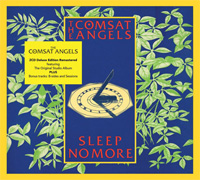
sleepnomore2015Edsel records have issued remastered and expanded versions of the first three albums from the influential Sheffield band The Comsat Angels. The bands second album, Sleep No More, is a much darker album than their debut from the previous year. The guitar is more prominent, and the songs have a real feel of urgency.

It may not have sold as many albums as those by The Cure or Siouxsie & The Banshees from the same era but Sleep No More is easily as rewarding as Pornography and Ju Ju.

The Eye Dance opens up the album at pace, and the urgency remains with the hypnotic layered guitars and insistent drums of the title track.

“It’s late but there’s no tiredness
I can see the city glow
And I’m sure there must be somewhere
We can go”

Be Brave has a wonderful bass line from Kevin Bacon and the lyrics display a nagging paranoia that continues into the next track, the powerful Gone.

Dark Parade is the most intense track on the album, with lyrics that chronicle the loss of life in a late 70s failed US hostage rescue attempt.

Restless passed me by on first release, but is a firm favourite now. It’s mechanical rhythm works really well with the treated guitar and deep bass notes.

After the frenetic Goat Of The West, the album slows down for its final two tracks. Light Years is the albums final dark moment of the main album, containing some of the finest guitar parts from Stephen Fellows on Sleep No More.

sleep

The band saved the best for last with one of my favourite songs of all time, the beautiful and uplifting Our Secret. The track is well sequenced as it gives a hint at the direction of the next Comsats album, Fiction.

“We will never
We will never
We will never
Give it up”

The extra tracks on disc one are important songs in the Comsats canon. Eye Of The Lens seems to foretell the surveillance heavy society we live in today, and is one of the bands finest singles.

Another World has some wonderful atmospheric keyboard work from Andy Peake and more expansive percussion from Mik Glaisher, one of the best drummers to emerge during the post-Punk era. At Sea is a slow-burning piece that explodes into life towards the end of the song, and displays the band at their most experimental.

Remastering / extra tracks

As with Waiting For A Miracle, the noticeable remastering difference is on the bonus material. Tracks such as the EP version of Gone sound much brighter on this version of the CD.

The bonus material includes a handful of demos plus John Peel and Richard Skinner tracks from the era.

Sleep No More (Deluxe 2 CD edition)

DISC ONE
1. The Eye Dance
2. Sleep No More
3. Be Brave
4. Gone
5. Dark Parade
6. Diagram
7. Restless
8. Goat Of The West
9. Light Years
10. Our Secret
Bonus Tracks
11. Eye Of The Lens
12. Another World
13. At Sea

DISC TWO
1. Mass
2. Dark Parade 1 (Demo)
3. Goat Of The West (Demo)
4. Be Brave (Demo)
5. Gone (Alt. EP Version)
John Peel Session
6. Be Brave
7. At Sea
8. Eye Of The Lens
9. Dark Parade
Richard Skinner Show
10. Gone
11. Total War
12. Eye Dance
13. Be Brave

VINYL – 180 gram Heavyweight black vinyl
1. The Eye Dance
2. Sleep No More
3. Be Brave
4. Gone
5. Dark Parade
6. Diagram
7. Restless
8. Goat Of The West
9. Light Years
10. Our Secret

Buy the album

Buy Sleep No More Double CD from Amazon

Buy Sleep No More vinyl on Amazon

Also available…


Buy Waiting For A Miracle Double CD from Amazon

Buy Waiting For A Miracle vinyl on Amazon

Buy Fiction Double CD from Amazon

Buy Fiction vinyl on Amazon

Buy Chasing Shadows / Fire On The Moon Double CD on Amazon

Buy Chasing Shadows vinyl on Amazon

Buy Fire On The Moon vinyl on Amazon

Visit The Comsat Angels – Sleep No More website


The Comsat Angels – Waiting For A Miracle

14 11 2015

Edsel records have issued remastered and expanded versions of the first three albums from the influential Sheffield band The Comsat Angels.

The Comsat Angels are surely long overdue a reappraisal as on the of the most important UK post-punk bands. The first three albums are essential listening for anyone who has an interest in this era of UK music, and they should also appeal to fans of current bands such as The Editors, Interpol and early Bloc Party.

waitingforamiracle2015The Comsats released their debut Waiting For A Miracle in 1980. Hearing the eerie opening guitar wails as the rhythm picks up on opening track Missing In Action always sends be back to my teenage bedroom listening to the album on vinyl.

Later albums from the band do reflect the time in which they were recorded, but the first three Polydor albums are on the whole timeless, and if you heard them for the first time in 2015, you would still find yourself under their spell.

The influence of Pere Ubu and Captain Beefheart can clearly be heard in the instrumentation on Waiting For A Miracle. The distorted bass and emotive percussion drive second track Baby.

“I don’t want to be your “baby”
I don’t want to have to crawl for you”

Not a note is wasted on this stark song – the restraint in the performance is clear.

Independence Day is the bands most well known song. The harmonics are instantly recognisable to anyone who listened to late night radio in 1980. I’ve played this song hundreds of times over the years, and Independence Day still sounds as fresh now as it did when I first heard it 35 years ago.

A sci-fi / futuristic feel runs through the core of many of the albums songs, especially the title track. Its no coincidence that the band were named after a JG Ballard short-story.

Total War is a simple but powerful arrangement. The bass, drums and keyboards power the song, which is devoid of guitar until the end section. When the original line-up of the band reformed for a hometown gig in 2009, this song was a highlight of the set.

Monkey Pilot showcases the range of the bands powerful and inventive drummer, Mik Glaisher. The feeling of isolation is mirrored by the music in Real Story, its a standout performance by the four band members.

“Now he’s in unreal estate
Until he dies”

Postcard is the darkest song on the album. a slow-building performance with ride and tom driven percussion building the tension, as some wonderful guitar lines interplay with the vocals.

“I just thought you’d like to know”

Remastering / extra tracks

All the albums in this Edsel re-issue series have been remastered by Phil Kinrade. The remaster is subtle – the drums sound a little brighter, and the mix sounds wider and less cramped. It is more noticeable on the non-album tracks – for example the early Ju Ju Money take is a noticeable improvement on the previous CD.

The extra tracks include the Red Planet EP from 1979, a selection of demos and John Peel session tracks from 1979/1980. Edsel have taken care in the reissues presentation – including lyrics for the main album songs in the booklet and making sure all the CDs use colours from the album artwork.

The sleeve-notes from Tim Peacock (Record Collector) with input from the bands Stephen Fellows, throws light on the bands early history and the recording of the first album.

Waiting For A Miracle (Deluxe 2 CD edition)

DISC ONE
1. Missing In Action
2. Baby
3. Independence Day
4. Waiting For A Miracle
5. Total War
6. On The Beach
7. Monkey Pilot
8. Real Story
9. Map Of The World
10. Postcard
Bonus Tracks
11. Home Is The Range
12. We Were
13. Ju Ju Money
14. Work

DISC TWO
1. Red Planet
2. I Get Excited
3. Specimen No.2
4. Independence Day (Demo)
5. Real Story (Demo)
6. Target Talk (Demo)
7. Living In (Demo)
John Peel Sessions
8. Total War
9. Independence Day
10. Baby
11. JuJu Money
12. Real Story
13. Monkey Pilot
14. Waiting For A Miracle
15. Home Is The Range

VINYL – 180 gram Heavyweight black vinyl
1. Missing In Action
2. Baby
3. Independence Day
4. Waiting For A Miracle
5. Total War
6. On The Beach
7. Monkey Pilot
8. Real Story
9. Map Of The World
10. Postcard

Buy the album


Buy Waiting For A Miracle Double CD from Amazon

Buy Waiting For A Miracle vinyl on Amazon

Also available…

Buy Sleep No More Double CD from Amazon

Buy Sleep No More vinyl on Amazon

Buy Fiction Double CD from Amazon

Buy Fiction vinyl on Amazon

Buy Chasing Shadows / Fire On The Moon Double CD on Amazon

Buy Chasing Shadows vinyl on Amazon

Buy Fire On The Moon vinyl on Amazon

Visit The Comsat Angels – Sleep No More website


Jeff Lynne’s ELO – Alone In The Universe

10 11 2015

aloneintheuniverseAlone in the Universe is the first album of new material released by Jeff Lynne under the ELO banner since 2001’s Zoom. The opening track When I Was a Boy sets the stall out straight away. The descending bassline and strings let you know that you are listening to the classic ELO sound.
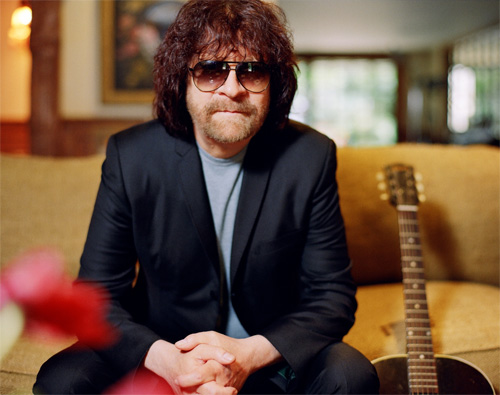
Love and Rain lifts the tempo, and along with the majority of this album, would not have sounded out-of-place blasting out of your FM radio back in 1977/78. And that’s fine by me – I wouldn’t expect a 2015 ELO album to sound like its of the here and now. That would be just plain odd.

Alone in the Universe works well as it delivers what you would expect – well-crafted pop songs that last around the 3 minute mark.

When the Night Comes serves up the albums first classic Lynne chorus, and the song is underpinned by a late 70s / early 80s reggae infused bass and guitar line.

The Sun Will Shine on You is one of the album’s strongest songs. It packs in more hooks in the first minute than the majority of current albums. The bass and synth are especially effective on this stand-out track.

Lynne likes to throw 50s rockers onto most of his albums, and Ain’t It a Drag has its roots in the era of Buddy Holly and Duane Eddy. But whilst the arrangement of Ain’t It a Drag pays homage to Lynne’s youth, the song is more Tom Petty than Roy Orbison, and it is not locked into just one era.

However the bossa-nova beat of I’m Leaving You IS pure Roy Orbison, and feels more Travelling Wilbury’s than ELO, and is the only slight misstep for me on the album.

Jeff Lynne

Earworm alert! You will probably think that you have already heard One Step at a Time, even if you haven’t heard the song on Spotify, as it draws heavily from the classic ELO sound and feels instantly familiar. As you would expect, the production values are high on Alone in the Universe.

Alone in the Universe feels like a early to mid-70s track, and whilst lyrically Lynne goes all Ground control to Major Tom on us, I really think the arrangement on this final track is a notch above the other tracks and makes you return to the song more than others on the album.

Alone in the Universe does not break new ground by any means, but thankfully its not one of those returns that makes you wish the artist had remained away from the recording studio. Its an album full of very good pop songs, and it sounds just like you would expect an ELO album to sound. It’s also free of excess – coming in at under 40 minutes and so leaves you wanting more.

So if you were a fan back in the 70s and 80s, there is plenty for you to enjoy on Alone in the Universe. Welcome back ELO.

Buy Alone in the Universe on CD from Amazon

Buy Live in Hyde Park bluray from Amazon

Buy The Classic Albums Collection on Amazon