Fader are Neil Arthur (Blancmange) and Benge (John Foxx & The Maths / Gazelle Twin). They have released their debut album, First Light, on Blanc Check Records.
First Light is a dark, simmering electronic album. The music sits somewhere between Cabaret Voltaire and early (pre-The Garden) John Foxx. And that’s a good place to be.
3D Carpets is driven by analogue synths and minimalist percussion, with a chorus that soaks into your brain. I don’t have a clue what Neil Arthur’s lyrics are about on a lot of the songs – but I love the images they conjure up, they paint a picture that is open to personal interpretation. Its good to use your 21st century imagination.
Check The Power has a tense, paranoid vocal delivery from Arthur, and some fine, deep bass synth lines from Benge.
“You better go back”
I love the way the synths sound so dirty, not like VST / emulations, the duo clearly use authentic machines.
There is a real depth to these meaty sounds. Way Out is a case in point – the sweeping synths shift from deep low to brighter high notes. At times I struggle to believe that this album was recorded in 2017, not 1979.
“Caught in the moment of doubt”
The title track continues the edgy feel, with Arthur shouting about “Catholic converters” and “Resume the search at break of day”. The track First Light reminds me a lot of John Foxx, have a listen below.
The marching percussion and thick synths on Wonderland conjure up memories of early OMD and very early Human League / Heaven 17. Over the first few album listening sessions, I grew to appreciate the stream of consciousness, quite dystopian lyrics. There is also a lot of humour on display here.
Liverpool Brick is a wonderful, beatless song. The sparse but melodic instrumentation works really well with the lo-fi recording of the vocals. Liverpool Brick also contains my favourite lyrics on the album. Like the track, the lyrics are very direct (in stark contrast to the rest of the album).
A Trip To The Coast delivers one of the most memorable songs on the album. A real mood of melancholy and lost, fading memories permeate throughout my favourite track, which will surely appeal to the Stranger Things generation. I hope A Trip To The Coast is used to promote First Light, as I think it will be a favourite with a lot of people. Put this song on your SoundCloud, Fader!
The album closes with another album highlight, Launderette. Apparently a “very British take on the solitary mood of Edward Hopper’s Nighthawks” (a print of which sits on my home studio wall, fact-fiends). Such a moving piece, with a metronomic delayed vocal delivered over a dark, simple synth-scape, and a throbbing low hum.
“In silence and silver, Ikea blue bag. Washing away the stain, on our rags”
First Light is a fine debut release from Fader, and a must-buy for fans of late 70s, early 80s electronic music. I hope its the first of many releases from the electronic duo, as there are clearly lots of places left for Arthur and Benge to explore.
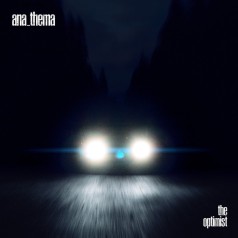
The Optimist is the eleventh album from Liverpool’s Anathema, and a continuation of the story told in 2001’s A Fine Day to Exit album.
I hear shades of current bands such as Archive in The Optimist, and from early on its quite clear that this is a much more electronic offering than recent Anathema albums. The 5.1 mix (by Bruce Soord with Vincent Cavanagh) is enthralling – the electronic beats of Leaving it Behind scatter around the speakers – and the audio narrative that is so important to this album feels much clearer in the 5.1 version.
Endless Ways is a beautiful track – I love the Pink Floyd-esque guitar riff, and the emotive, reverb heavy vocal from Lee Douglas sits really well in the mix.
‘The dream I’m creating’
The albums title track is a standout song. Although the band have made the theme of the album clear, the lyrics on the album are open to interpretation – and suggest a story of someone running away and looking for direction, or maybe salvation. The track The Optimist builds with layers of guitar over strings and piano, and the end section is very moving.
My favourite track on the album is the instrumental San Francisco. The Run like Hell inspired guitar riff runs as a counter-play to the piano arpeggio – and when the hard sequencer riff hits, I’m simply in electronica heaven. Giorgio Moroder would be proud of you Anathema! This track has to be heard through headphones or a 5.1 setup to be really appreciated. There is joy in repetition.
The next stop on the journey is Springfield. The guitar and piano lines (with a sweet separation in the mix) evolve until the wall of guitars hit you so hard it hurts.
‘How did I get here I don’t belong here’
Ghosts has a wonderful Massive Attack (Teardrops) beat and a lovely string arrangement.
Can’t let go is the most uptempo song on the album, and sounds like a hybrid of Radiohead and Tears for Fears – that’s a good thing by the way. The lead and rhythm guitars are stunning on Can’t let go.
The simple and direct lyrics of Close your eyes match it’s atmospheric and disturbing music, as it mutates into an almost Twin Peaks like jazz arrangement. The album artwork maybe displays another David Lynch (Lost Highway) influence.
‘Close your eyes, just dream on’
Close your eyes flows directly into Wildfires, with its heavily treated vocals and percussion, as the track moves towards its powerful climax. The child’s music-box keyboard and guitar underpin the sad ‘too late’ refrain.
‘Who am I?’
The Optimist closes with a solo voice and guitar performance that comes into focus as the full band kicks in on Back to the start. The most psychedelic track on the album, with Beatles like guitar / strings and uplifting harmonies.
“They don’t understand, cos they don’t talk for me”
The Optimist is a powerful and moving album, that really resonates in these uncertain and troubling times. It is also one of Anathema’s finest albums to date.
Three times Progressive Music Awards winners Big Big Train return with Grimspound, the follow up to last years Folklore album.
Album opener Brave Captain is the story of First World War English fighter pilot Albert Ball, from the viewpoint of Big Big Train vocalist David Longdon who stumbled across a memorial to Captain Ball as a child in the early 70s. This mixture of history and personal reminiscence runs deep in many of the bands songs, and makes them stand out from the crowd.
Grimspound‘s detailed album notes, as well as giving background and context to the lyrics, also explain the inspiration behind the songs instrumental passages.
Brave Captain is a powerful song, and heralds a subtle change in direction for this album. The songs on Grimspound seem to have added a hint of the 70s classic rock sound to the progressive mix. An addictive guitar line with synth / organ swirls push the song to its end section, reminding me a little of the sublime Private Investigations by Dire Straits. The powerful ending also feels like a cross between the twin guitar lines of classic Thin Lizzy mixed with the end of Bat Out Of Hell. You took the words right out of my mouth, I told you I can feel a classic rock influence!
On The Racing Line is an adventurous instrumental track, and a continuation of the story behind the song Brooklands on the Folklore album.
Experimental Gentlemen is an album highlight, book-ended by a beautiful intro and lengthy outro, with some mesmerising performances by the whole band. Watch a video of part two of the song below.
Meadowland returns to one of the characters from the two English Electric albums, and in the sleeve-notes, the band dedicate the track to the late John Wetton.
“Here with science and art and beauty and music and friendship and love, you will find us”
This short nod to the band’s more pastoral past works really well at this stage in the album.
The albums title track reflects on what we leave behind, the mark we make on our world, in this increasingly digital age. The lovely shuffling drums pick up the pace as the song progresses through a lengthy instrumental section.
And then we have The Ivy Gate, my favourite track on the album. With a banjo intro that reminds me of the theme to the wonderful Deadwood TV series, the song features former Fairport Convention vocalist Judy Dyble alongside David Longdon.
A sad tale of war, loss and suicide, the evolving arrangement adds to the songs charm, and the track contains some wonderful bass work from Greg Spawton.
There is a moment of pure beauty when The Ivy Gate drops back to just the lead vocal as the main event in the song occurs, and sparse guitar, piano and vocals hang heavy in the air. Its one of the most moving performances I’ve heard in a long while.
The penultimate track is the albums longest piece. A Mead Hall in Winter delivers all the twists and turns, evolving time signatures and beautiful harmonies that characterise the best in classic and modern progressive rock.
“Meet me at the mead hall in winter, set the world to right with songs, science and stories hold back the fading light”
The middle section of A Mead Hall in Winter finds the band heading off into a jazzy, almost Steely Dan territory at times. The interplay and the solos are razor-sharp, with none of the riffs or phrases outstaying their welcome by a single second. The tight rhythm guitar and multiple synth lines are a joy to listen to as the layers drop off to reveal a Yes / ELP inspired end section.
As the Crow Flies is a touching end to the album, with lyrics about letting go – of your children as they grow old, of your loved ones as they age. The song starts as it ends – “All here is good, still and quiet”. Songs like this remind you that your final destination is not important, its what you do on your journey that matters.
“Hope not to fall or drift away”
I was a big fan of last years Folklore, but Grimspound turns it up a notch, and is a much more complete album, with strong performances from all the band members. The songs reveal new moments of wonder at different points, and the music deserves to be heard in one piece, with your full attention and played loud through good speakers or headphones.
Future Hopes is the follow up to the mighty Terminal Twilight from 2011 (one of this blogs earliest reviews)- so its been a long wait for new music from White Willow, the Norwegian progressive and (increasingly) electronic band.
Album number seven revolves around core members Jacob Holm-Lupo and Mattias Olsson and features for the first time vocalist Venke Knutson, who has had several pop hits in her native Norway.
Deep bass synth lines usher in album opener Future Hopes. It’s clear early on that the metal leanings of earlier White Willow albums have largely given way to a more progressive palette, topped off with layer upon layer of synths. Don’t worry, this is not a guitar free zone by any stretch of the imagination. The title track Future Hopes has some moving guitar solos towards the end of the track.
Silver And Gold is the most stripped back arrangement on the album – with just Venke, Jacob and Ketil Vestrum Einarsen performing on this track. The 80s music loving fan in me welcomes the Fairlight drums on this song. Silver And Gold is a beautiful piece of music, and Venke’s breathy vocals are perfectly suited to this track.
The prog is dialled back in on In Dim Days, a classic White Willow piece. There is plenty of space for exploration and lengthy instrumental passages on In Dim Days. The bass and drums work really well on the album’s heaviest track, and there is some nice hammond work from Lars Fredrik Frøislie (who has a huge part to play on the CD album’s closing track).
Recent White Willow music (I’m talking to you Floor 57 from Terminal Twlight) has often had me thinking “That would sound great in a J. G. Ballard film adaptation” and Where There Was Sea There Is Abyss is one of those moments on Future Hopes. One of two instrumentals on the album, this short atmospheric piece presses all the right buttons, reminding me a little of the textures and mood of side two of Bowie’s Low. It really sets your imagination flowing, which is always a good sign of potential longevity in a piece of music.
A Scarred View is the album’s masterpiece. Clocking in at a vinyl side filling 18 minutes and 16 seconds, it has all the time and space it needs to develop from its VangelisBlade Runner like opening. A tale of arid desolation and drought damaged landscapes, the song contains some of the album’s best vocal and guitar performances. A Scarred View is one of those tracks with so much going on, and so many layers revealing new musical delights on each listen, that you never tire of hearing the song. It really does not feel like an 18 minutes long track.
Old school prog and 70s electronica fans will love the middle section of the song, with its heady mix of hammond organ topped with layers of moog, prophet 5 and especially arp solina (a mid to late 70s Bowie synth staple). It takes me back to my youth, attending the laser shows at the London Planetarium, to a soundtrack of progressive and classic rock by the likes of Alan Parsons and Yes.
The whole album sounds rich and warm, especially A Scarred View. It is recorded so well, with plenty of space in the mix for the peaks and troughs, and sounds wonderful cranked up loud through a good amp and speakers. Buy Future Hopes on CD and vinyl if you can – not MP3 (I opted for CD but kind of regret not going for vinyl now, as I would imagine the album is made for that format).
Animal Magnetism is a CD bonus track, that was released nearly two years ago – you can read my review of the standalone release of the song, a cover of The Scorpions track. I loved it then and I still love it now!
Damnation Valley is the second instrumental, and another CD bonus track. Possibly a homage to Damnation Alley, the 1977 post-apocalyptic film? A bar-room piano and mellotron soaked piece, its a soothing end to this version of the album.
The album artwork from the legendary Roger Dean, and the quality album mastering by Bob Katz add to the whole album experience, and that’s what I believe albums should be – experiences. If you love the music of Genesis, Alan Parsons, Jean-Michel Jarre, Vangelis and all those progressive and classic rock artists from the golden era of the mid to late 70s, then this is an album you are likely to fall in love with.
And if you are already a fan of previous White Willow (and The Opium Cartel) releases – you don’t need me to tell you this is a must have album for your collection. Future Hopes is likely to be considered by many as a career high for the band.
Cobalt Chapel are a psychedelic / folk duo featuring Cecilia Fage (Matt Berry & The Maypoles) and Jarrod Gosling (I Monster, Regal Worm), and they have just released their debut album on the KLove label.
The late 60s / early 70s inspired music is built round the vocals of Fage and the classic keyboards (mostly organ) and drum machines of Gosling.
The album is very dark and perfectly suited to the Autumn and Winter seasons. The songs conjure up moods and memories from an England long lost to technology, reality television, rampant commercialism and a loss of imagination and mystery.
Album opener We Come Willingly is a tale of murder, driven by the album’s signature organs and vintage drum machines fed through an army of effects.
Fruit Falls From The Apple Tree continues the baroque ‘n roll feel, with a lovely layered vocal during the middle section, as the keyboards and low bassline shuffles alongside the powerful drums. I love the mixture of progressive and folk music that runs through all the songs on this fine debut album. And an album is what it is – built to be heard in one setting, in sequence, so you appreciate the journey as the artist intended.
Ava Gardner is a short instrumental that precedes one of my favourite tracks on the album, Who Are The Strange.
Reminding me a little of early Portishead mixed with The Shortwave Set (whatever happened to them?), this was the first track that Fage and Gosling wrote together.
The lyrics tell the story of a near-death experience and the rattling effects and stabbing organ are as unsettling as the lyrical content.
The Lamb is a cover of the John Tavener choral piece that you may know from the film Children of Men, and is the most moving track on the album. The arrangement is simple but its a beautiful, stunning performance, with wonderful harmonies from Cecilia Fage.
Black Eyes is inspired by the 1975 film The Stepford Wives. Distorted drums and keys, along with a slowly mutating arrangement, underpin this sad song of transformation and loss of will.
Singing Camberwell Beauty is the first song that I heard from the album, and it remains a favourite. A playful fairground waltz that gets darker as it progresses – and a song that will surely appeal to Saint Etienne fans due to the spoken interlude.
Singing Camberwell Beauty is not “the last waltz” on the album, as Maze is a short Camberwick Green on acid piece that leads into Two. The album cover will give you a clue about the “two heartbeats” referenced in the song.
Horratia is “the story of an aging B-movie actress revisiting her life and career; a young face that many people once remembered and now an old face that is all but forgotten, except in the minds of obsessed horror/sci-fi convention-goers…” I love the twists and turns in the instrumentation on this track.
Positive Negative is inspired by The Avengers, and has a wonderful, slow building malevolent end section as layer upon layer of distorted organs pile on top of the vocals.
The album ends on Three Paths Charm and is the longest track in this collection. A mostly instrumental piece, with the occasional backward vocal lines and chants, acting almost as a summary of what has gone before.
Cobalt Chapel is a captivating first release, and there is a real continuity in the instruments used and the textures and moods they create. Its very easy to lose yourself in this album, and I am really looking forward to what the bewitching partnership of Cecilia Fage and Jarrod Gosling cook up in the (hopefully near) future.
Lost In The Ghost Light is the fourth solo album from Tim Bowness (no-man / Henry Fool).
Lost In The Ghost Light is a concept album revolving around the onstage and backstage reflections of a ‘classic’ rock musician (Jeff Harrison of the band Moonshot).
Joining Tim on the album are Stephen Bennett (Henry Fool), Colin Edwin (Porcupine Tree), Bruce Soord (The Pineapple Thief), Hux Nettermalm (Paatos), Andrew Booker (Sanguine Hum), and guest appearances from Kit Watkins (Happy The Man/Camel), Steve Bingham (no-man), David Rhodes (Peter Gabriel / Kate Bush), Ian Anderson (Jethro Tull) and Andrew Keeling (Robert Fripp/Hilliard Ensemble/Evelyn Glennie) arranging for string quartet and flute on three of the album’s songs.
Tim’s new album, as well as being a concept album, with a very clear theme, is also musically his most cohesive release. His most recent solo albums, Abandoned Dancehall Dreams and Stupid Things That Mean The World have both appealed to those who love progressive music. But if you are a fan of classic, first generation as well as modern prog, Lost In The Ghost Light will more than likely tick all the boxes for you. Musically, this album draws from the spirit of experimentation of the late 60s and early 70s, whilst keeping the Bowness musical identity intact.
I think its safe to say that Lost In The Ghost Light is an album that will be getting a ton of love from the (recently saved) Prog magazine, and will be appearing in a lot of reviewers end of year favourites lists.
Worlds Of Yesterday sets the scene with a backing of warm arpeggio acoustic guitar, some fascinating fretless bass and mid-70s keyboards / organs. The end section is wonderful, with flute (from Kit Watkins) and Bruce Soord‘s soaring guitar building up to a final 30 seconds that will surely melt your prog-filled heart.
Moonshot Manchild – well, Phil Collins would kill to have that feeling again. The piano and strings in the verse are solid-gold solo Collins, whilst the chorus and instrumental sections are unadulterated pre-80s Genesis.
“The days are long when you’re not working”
One of the most rewarding aspects of Lost In The Ghost Light is the multitude of instrumental passages, and Moonshot Manchild is one of the main beneficiaries of this freedom to explore the boundaries of the songs. I expect this song to be a possible Prog anthem of the year.
“You’re wearing the styles of your age. A slave to the whims of a phase, You dreamt of eternity’s gaze, Now you’re running out of time.”
David Rhodes (Peter Gabriel / Kate Bush) and Mr Pineapple Thief handle guitar duties on Kill The Pain That’s Killing You, the albums least proggy track. It’s more akin to the sound of Tim’s previous albums, with a hint of no-man thrown in for good measure, so its obviously an album highlight for me!
Mid-way through the album, we have what I consider to be the albums jewel in the crown. Nowhere Good To Go is a delicious Bowness ballad, one that’s so good that it could easily be a song from no-man‘s Returning Jesus. It’s quite simply one of Bowness’s best songs.
An ever evolving arrangement keeps the song fresh, even after repeated plays. The moving lyric and vocals stay constant throughout the song, as the arrangement gets increasingly prog-flavoured towards the end. Nowhere Good To Go is a finely layered song, but underpinning the arrangement and the emotional performances is a beautiful and painfully sad story of the loneliness of the touring musician who is long out of touch and now forever out of time.
“The theatre’s deserted, And there’s nowhere good to go.”
You’ll Be The Silence is one of the albums longest tracks, which gives the song time to build and explore.
“You caught the music of the moment by accident. You caught the moments in the music by chance.”
A song of regret as the albums protagonist watches his band become largely irrelevant as the industry moves on and leaves him behind. Where would a band as out-of-time as Jeff Harrison‘s Moonshot fit into these days of a down-sized music industry, with no more excess and huge physical album sales? An industry moving toward streaming as the norm? I suppose they would say their new album is a return to their halcyon days and hope for reviews of the “best since Scary Monsters” variety.
“You went on stage together, But you failed to find the art.”
Lost In The Ghost Light is filled with remarkable individual performances – Stephen Bennett hits a career best on the album in my opinion. Colin Edwin also gives some fine performances, the highlight being a moving bass harmonics solo on You’ll Be The Silence.
The Bowness production / arrangment and the usual high-quality mix and mastering by Steven Wilson need to be recognised in reviews of the album. The way the Univox SR-55 drum machine slips seamlessly in and out of the percussion arrangement on You’ll Be The Silence is a joy to hear. A tip of the hat must also go to Bruce Soord, who delivers a passionate solo in the outro that David Gilmour would be proud to call his own.
The album’s title track is pure no-man – glitchy electronics and a treated vocal that recalls the darkness of no-man’s Bleed or the Wild Opera period. The lyrics see our man Jeff questioning the relevancy of his music and whether there will be more, or whether he will remain on the soul-destroying roundabout of the nostalgia circuit.
You Wanted To Be Seen continues the questioning and self doubt, with a backing that recalls Fragile era Yes with a pinch of Pink Floyd added for good measure.
I love Andrew Booker‘s performance on this track, which works so well with Bruce Soord‘s multi-layered guitar. It reminds me a little of late period Porcupine Tree in it’s intensity.
The album ends with Distant Summers, with Colin Edwin giving it some Danny Thompson on the double bass, and a stunning flute solo from Ian Anderson. Tim delivers one of his most emotional vocal performances on Distant Summers, and I hear echoes of early Kate Bush in the piano / bass interplay and string arrangement.
“Third on the left, A monster and a mess, Back in the days that you still love the best.”
A couple of years have passed since the last Bowness album, but the wait was definitely worth it. Lost In The Ghost Light is a rewarding album that reveals new details on each play. I cannot wait to hear what people think of this album, as for me, its the best Bowness album to date.
5.1 mixes on the CD/DVD version
The 5.1 mixes by Bruce Soord of Lost in the Ghost Light and Stupid Things That Mean The World make up the DVD section of the double-disc version.
Lots of new details come to the fore in the 5.1 mixes. The vocal harmonies in Worlds of Yesterday and the piano on Moonshot Manchild are much more prominent in the 5.1 mix.
My favourite track on the album, Nowhere Good to Go, sounds amazing in this mix, with a lovely separation between the synth and the lush acoustic strings. Old school Genesis fans with love the synth lines that really stand out in this version.
The arrangement on You’ll Be The Silence is stunning heard through a 5.1 set-up. The album’s short title track sounds very different, with hidden, competing electronica making for a disturbing experience.
Another album highlight, You Wanted To Be Seen, has to be heard at volume to be appreciated fully. The violin parts sit beautifully in Distant Summers, as does Ian Anderson’s solo.
I forgot to download (doh!) the 5.1 mix of Stupid Things That Mean The World that came as a pre-order bonus when the album was originally released, so this was my first listen to the album in 5.1. Just like Lost In The Ghost Light, new details emerge in the 5.1 mix of this album. Having the two 5.1 mixes adds real value to this package.
The first track that really stands out is Where You’ve Always Been – there is a lovely clarity in the individual performances, and it was a joy to get re-acquainted with one of the most underrated Bowness songs.
Know That You Were Loved works so well in 5.1 – no fancy tricks, no panning effects, just the power of an emotionally direct song in extremely high audio quality.
Press Reset is the real highlight of the 5.1 mixes for me. The bass notes cut through the mix, and oh man, when the heavy percussion and bass kicks in, it sends shivers every time.
“This is the day you’ll disappear”
The neighbours will be having words with me, as I have to crank up the volume on this track.
Everything You’re Not also reveals more detail of the unusual harmonies that go so well with the nostalgic strings and brass.
The short but certainly not sweet Soft William also takes on a new lease of life in this mix. Album closer At The End Of The Holiday reveals its powerful melancholy in 5.1. An emotional string intro leads to a moving arrangement, with brutal lyrics, and a proggy organ solo that almost act as a precursor to where Bowness would venture next with his new album, Lost In The Ghost Light.
Artwork
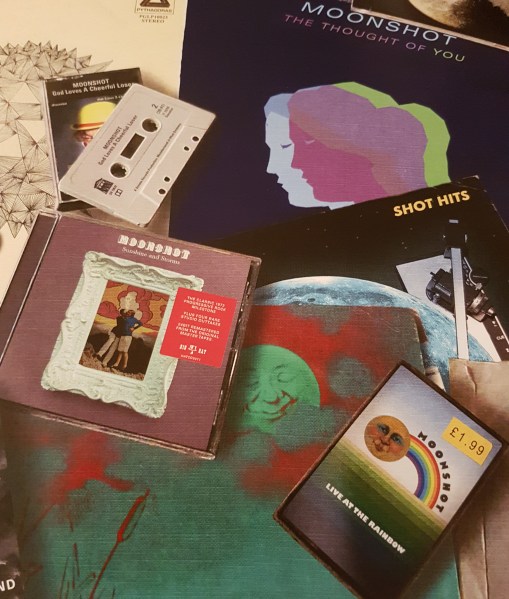
My initial review was from a digital copy of the album. Now I’ve got my physical copies – vinyl and CD/DVD – a special mention of the albums wonderful artwork is warranted. Tim has worked with Jarrod Gosling to flesh out the story of Jeff Harrison and his band Moonshot, whose story runs through Lost In The Ghost Light.
The album cover works as a perfect scene-setting statement, and really should be experienced in its full-size vinyl format. The gatefold sleeve (part of which is shown above) is stunning – with Moonshot vinyl, singles, vhs, CD and cassette artwork. The £1.99 sticker on the Moonshot Live at the Rainbow cassette raises a smile every time I see it.
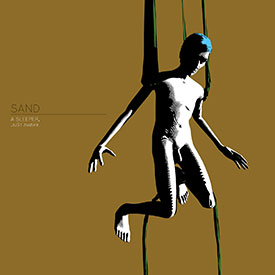
A Sleeper, Just Awake is the second album from Sand, the solo project from Sam Healy of North Atlantic Oscillation (NAO).
I bought the first Sand album in 2013, and it didn’t grab me straight away, but I rediscovered it recently and its had lots of plays particularly the haunting A Pill to Keep the `plane from Crashing (a track so good it appears on the forthcoming North Atlantic Oscillation compilation).
So I was pleased to find out that a new Sand album is on the horizon. A Sleeper, Just Awake builds on the primarily electronic vein of the debut album, but has much more variety in its choice of instrumentation and hit home much quicker than the first album.
Mayfly is a powerful opener and a real beauty – with a stunning arrangement and percussion that reminded me of Talk Talk and Steve Jansen / late period Japan. As with NAO, there are twists and turns and a great use of power followed by restraint that keeps you hooked throughout the songs.
L.T.G.B. has intriguing lyrics (I can’t wait to see them in the CD sleeve-notes) and is presumably a play on the term LGBT.
“Comic opera brought you here, months too late”
One of the first things that attracted me to NAO was the complex, often manic drums that topped a modern, progressive sound palette. Sand offer equally ambitious percussion, mainly using drum machines, which adds to the different taste between the two projects. Commitment to the Bit reminds me a little of Danish pop proggers Mew. I love the almost overloaded mix on this track, as it breaks down to a synthy, reverb-laden middle section, as the brief respite allows you to appreciate the songs power.
The awkward time signature of Seldom Used Furniture adds to the tracks charm, and at the moment, its my favourite track on the album. A slowly evolving arrangement in a song devoid of an obvious chorus makes this song stand out as one of the albums key tracks. Every single time I play Seldom Used Furniture I silently exclaim to myself “those synths”. Its a stunning piece of music, and one of Healey’s greatest songs.
“Knock yourself out”
Talking of time signatures, berceuse is a style of composition that is a lullaby, usually in 6/8 time. Sand’s Berceuse is instrumental for the first half of the track, before deep, heavy instrumentation and vocals disturb the arrangement before it shifts back to its almost mantra-like song structure.
Embers ushers in one of the albums more atmospheric arrangements. Sparse guitar and synth populate the verses, with an almost Beatles / Lennon like chorus.
Initial has a Nine Inch Nails meets David Lynch vibe, with danger and disquiet hiding behind the almost cinematic string arrangement.
“First I damage you, then you carry me”
The album draws to a close with its two longest tracks. Coward builds from swirling organ and a click-track percussion track into an arrangement that blurs the boundaries between Sand and NAO.
“We’ve come to rest, at the edge of the air”
One of my favourite parts of the album is the quiet section just after 4 minutes into Coward. An almost no-man, Returning Jesus sounding section – just drums, bass synth, piano and distant, discordant guitar carry the song to its final destination.
The album ends with its longest piece, Earth Mound Square. I love the mixture of hard-sequenced synths and acoustic instruments that drive the first section of this track. I’m a sucker for songs that mix electronic and natural sounds, so I was always going to be a fan of A Sleeper, Just Awake.
The arrangement shifts, sways and evolves slowly, maybe mirroring how landscapes evolve over time through the gradually changing seasons. The end section has some moving, minimalist lines that bring the album to its conclusion.
Earth Mound Square is a well-chosen ending to a beautiful, moving and varied album by Sand. A Sleeper, Just Awake is already well on its way to being my favourite release from the North Atlantic Oscillation / Sand catalogue.
A Sleeper, Just Awake along with Hannah Peel’s similarly titled Awake But Always Dreaming, must surely be a contender for best electronic album of 2016.
A Sleeper, Just Awake is released 30 September 2016.
Awake But Always Dreaming is Hannah Peel’s second solo album. Following on from the more traditional music of her debut album, The Broken Wave in 2011, the next few releases included two Rebox EP’s (made up of covers of songs by Soft Cell, New Order, John Grant and others using music boxes).
As well as working with John Foxx, Beyond the Wizards Sleeve and as a member of The Magentic North, Peel has released a series of increasingly electronic vinyl / download releases such as Nailhouse and 2014’s Fabricstate (with its moving lead track, Silk Road).
Awake But Always Dreaming is a natural continuation into a more electronic landscape. The album opens with recent single All That Matters, an upbeat (lyrically and musically) slice of hi-energy pop.
The pace of the album settles down with Standing On the Roof of the World, a slow-burning piece that ushers in the themes of the album – communication and the most emotive thread running through the songs, the effect that dementia has on people and how it impacts on their close relationships.
Hope Lasts feels like a potential single – the hook sticks with you long after the song has finished.
Tenderly has a potent mix of acoustic piano and electronics, and as the song progresses, I’m reminded of Vespertine era Björk (mainly in the glitchy percussion and deep synth lines). Tenderly is one of the album’s strongest tracks, and always a pointer of a good song – it would be just as moving if stripped back to its core components of voice and piano.
The lyrics start to take a darker turn at this point, and the music reflects this change in mood. Peel’s vocals on Don’t Take It Out On Me have an undercurrent of coldness and repetition that perfectly reflect the anger and resentment in the lyrics. As someone who is currently watching a loved one disappear under the cloud of dementia, this song hit me very hard.
“Wherever you have been, I am made of stone”
Beautiful piano lines drift in and out of focus during the intro to Invisible City, with moving lyrics that touch on the feelings of someone engulfed by the over-powering and all-encompassing illness.
“I built this city around my body, these walls they hold me, like you once did”
Even though Awake But Always Dreaming is clearly an album informed by Peel’s experiences with her Grandmother and her illness, it works on so many other levels. The lyrics are not so specific that it won’t mean anything to you if your life has not been touched by memory loss or dementia. If you’ve felt loss or loneliness in any form, the songs on this album are likely to resonate.
Awake But Always Dreaming is a well sequenced album. The instrumental Octavia almost feels like a musical nightmare, with what sounds like a Kate Bush / The Ninth Wave referencing whispered “wake up” towards the tracks end.
The album’s closing pieces seem to play out to the increased fog of confusion in the disjointed beats and vague whispers. Awake But Always Dreaming‘s title song references a life now often focused on the past, not the present and certainly not on new, shared future memories. Musically, its the most disturbing arrangement on the album and is a powerful prelude to the album’s key track, Conversations.
With what sounds like a projector running in the background (maybe showing film of the subjects past), ghostly memories drift in and out of focus as the film stops, and the lyrics begin.
“When I wake up, dont recall what happened yesterday”
Conversations is the highlight of Hannah Peel’s recorded output to date. An emotional, powerful vocal performance and a simple, direct and brutally honest lyric mark this out as the highlight of the album. There is no poetic licence in the words, no attempts to romanticise the situation, or to soften the blow. Its painful but so true.
“Where did you go?”
Foreverest is the albums longest track at just under 9 minutes. I love the ambitious arrangement on this track. There is a feeling of a release of tension on Foreverest as the journey nears its inevitable end.
Awake But Always Dreaming closes with the Paul Buchanan (The Blue Nile) song Cars in the Garden. Underpinned by Peel’s music box, this duet with Hayden Thorpe from Wild Beasts is an emotional finale.
“When you wake me up and say All the love the others gave me One day I could leave it all And find the place that we forgot”
I hope this album starts conversations about memory loss and dementia. I will close by saying that in a time when NHS resources are stretched and people with dementia and their carers often feel unsupported and isolated, there are great organisations that can help – such as the charity Dementia UK , who support families through their specialist Admiral Nurses. Feel free to donate to the charity if you can.
And of course, buy Hannah Peel’s wonderful Awake But Always Dreaming album.
To say that there has been a long wait for The German Alphabet, the first studio album from Liverpool singer-songwriter Thomas Lang in 20 years, is an understatement. Even Kate Bush has released 3 albums during that period, and Kate Bush albums are rarer than hen’s teeth (insert your own cliche here).
Now that’s out of the way, is The German Alphabet any good? Oh yes its good, you will be pleased to hear.
If you are a fan of Scallywag Jaz, Little Moscow and The Lost Letter Z, you will not be disappointed. *That voice* is still in fine form, but if you are expecting a re-run of the first 3 studio albums, The German Alphabet does not retread old ground. Its exactly the sort of album you would expect to hear from Thomas Lang in 2016, and is not a nostalgia-fest.
Album Theme
The aspect of the album that jumps out straight away is the theme – musically the album is a nod to John Barry, Ennio Morricone and ambitious film soundtracks. In fact, the songs themselves are like short films, with a strong narrative running throughout the lyrics.
Kicking off with the albums title track, flutes and a high in the mix bass-line sit amongst dark electronics. An almost spaghetti western guitar line features on this (and several tracks) and The German Alphabet is topped off with a high-energy vocal performance from Thomas. The arrangement is wonderful on this song – strings and horns dip in and out of the mix, without over-staying their welcome.
After an up-tempo start, Rain slows things down. The arrangement sounds like Portishead meets Massive Attack. Rain is one of the trilogy of very electronic tracks on the album, and contains one of the finest vocal performances from Thomas. I love the breakdown towards the end of this song, with some Robert Fripp-like electronics and sweeping strings. I think this will be one of the most popular songs on the album amongst fans.
Shaken not stirred
Pale Imitation is surely a contender as a future Bond theme. This is a classic Lang tune – with some lovely (almost progressive) organ and smooth percussion under-pinning an emotional vocal performance.
“I’ve got a plan but you won’t get behind it”
Pale Imitation reveals itself to you over repeated plays – with little details rising in and out of the arrangement.
Film Stars you may already know, as it first appeared on the 1990 (cassette only) Refugees From Little Moscow EP. I’ve always hoped this song would get a wider audience, as it contains one of Thomas’ best vocals.
Just piano and voice, its a delight and Thomas channels his inner Rickie Lee Jones on this track. And I could be wrong, but towards the end, it sounds like Mr Lang lights up a smoke to see him through to the end of the song. Now that’s jazz!
Pulse is the first track I heard from the album, around a year ago. It has evolved from the early take, but remains by far the most electronic track on the album. The rhythm is in the pulsing synths, as there is no acoustic percussion, and it has a late 80s / early 90s feel.
The strings (and vocals) on the chorus are simply heart-wrenching. It remains one of my favourite tracks on the album.
“I touch your face, so cruel”
Vegas baby!
I think Klee records flew Martin Scorsese in to help Thomas write the lyrics for Be Missing, as its a pure 1970’s Las Vegas / Gangster flick-in-a-song.
Be Missing is alsothe first appearance of a (Scallywag) Jaz(z) arrangement on the album, mixed with some early 90s Portishead thrown in for good measure.
Lyrically, Be Missing is probably Thomas’ finest hour, and I love the crazy toms / mournful vocals on the tracks outro. Its all very high drama, and is definitely Goodfellas in song form.
“They dug a hole in the sand that’s true – and maybe its your size”
Colorado Boulevard is a gem of a tune, and is a beautiful late night torch ballad. Dim the lights, sip on some expensive whiskey (on the rocks of course) and wallow in this song.
Smokey, slow strings and trumpet power this expensive sounding, as powerful as Sinatra, jazz diamond. Over time, I think this song will sneak into my heart as one of my top 10 favourite Lang tracks.
Swing me baby one more time
I Go Wild (BBV) is the big-band version (a more acoustic, stripped back take is available on the LP version of the album). Its dripping with Vegas panache – the song is driven by a joyous ensemble that makes you run upstairs and slip on your tuxedo every time you play it (or maybe that’s just me).
Michael Bublé would pay a million bucks to swing this hard, ain’t that a fact.
Lucky Me dials down the tempo, and is the album’s sweetest ballad. Another top-notch vocal (and lyrical) performance, I’m sure this song will be a favourite on the forthcoming live dates.
“No moonlight and roses, we’ve been here forever”
Lucky Me name-checks some of the musical (and political) heavyweights, and Tom’s vocals ooze class.
Talking of heavyweights – Kiss The Canvas is a love-song to the pugilist arts, and is well-timed, coming in the year we lost “The greatest”, Muhammad Ali.
I remember going to a London Lang gig in the early 90s and the band were all crowded round the TV post-gig watching a Benn / Eubank fight (if my memory serves me well), and Tom’s love of boxing is clear on Kiss The Canvas.
Kiss The Canvas tells the story of the darker side of the sport, more pay to lose than pay-to-view.
The album doesn’t run out of steam, ending on two very strong songs. Sugar Don’t Work has a feel of early Goldfrapp, and is another of those songs that comes into its own after dark.
If David Lynch is looking for a lead song for the forthcoming Twin Peaks series, he should take a listen to the dark beauty of Sugar Don’t Work.
The darkest song on The German Alphabet, Watchman closes the album. The last of the electronic trilogy of tracks, there is a feeling of cold-war paranoia in the lyrics and a little of the spirit of Billy Mackenzie and The Associates in the music of Watchman.
Lost till I found you
An honorary mention must go to Lost Till I Found You, from the vinyl version of the album. One of the final songs from the DA Hughes / John Murphy / Lang partnership, its worth buying the vinyl album for this one song alone. Like the theme tune from a great, lost 80s movie, its no leftover.
Lost Till I Found You captures some of the best parts of the late 80s / early 90s – the emotive synths and the subtle drums, and would be a highlight of any of Lang’s albums.
“Winds blow through, rains came down – lost till I found you, lost till I found you”
I hope all fans of Thomas Lang’s music get to hear The German Alphabet, as its a vital part of the Lang catalogueof work. The album has clearly been put together by Thomas and the musicians who play on the album with so much love and attention. I hope we don’t have to wait 20 years to hear the next album.
Buy The German Alphabet
Dusseldorf (CD)
The German Alphabet / Rain / Pale Imitation / Film Stars / Pulse / Be Missing / Colorado Boulevard / I Go Wild (BBV) / Lucky Me / Kiss The Canvas / Sugar Don’t Work / Watchman
The German Alphabet / Rain / Pale Imitation / Lost Till I Found You / Pulse / Be Missing / Lucky Me (alt version) / I Go Wild (alt version) / Sugar Don’t Work / Watchman
Your Wilderness is studio album number 11 from The Pineapple Thief, and is shaping up to be my favourite release from the band since Tightly Unwound from 2008.
Some of the pre-release press hinted at a return to a more progressive sounding album, but to me, its dialling in the classic rock element more than a progressive leaning.
Album opener In Exile has no build-up, and launches straight in with razor-sharp guitar lines and some wonderful drumming from Gavin Harrison (King Crimson / Porcupine Tree). The adrenaline rush of In Exile‘s end section remind me why I love rock music so much, with guitar work that is reminiscent of Steven Wilson and his heavier work with Porcupine Tree (yes, I know hesmovedon).
No Man’s Land ushers in some warm West Coast harmonies that are one of the album’s strongest weapons. A lot of the performances are driven by quite restrained / sparse instrumentation, so when the drums and deep bass kick in on No Man’s Land‘s mid-section, its a powerful and moving moment.
That Shore is a beautiful track, with a lovely use of delay and hanging notes underpinning the slow-building keyboards. Bruce Soord’s work on the Wisdom Of Crowds album (with Jonas Renkse) seems to have informed some of the soundscapes on Your Wilderness, specifically on That Shore.
Take Your Shot features some of my favourite guitar parts on the album, and blasting out through an amp and speakers (as opposed to headphones / MP3) the love and attention given to the album’s mix and mastering shines brightly.
The Final Thing On My Mind is the album’s “epic” track, even though I can’t help thinking Joe Jackson’s Different For Girls is about to kick in during the first few sections of the opening riff.
“How did we get to be this cold?”
By far the most progressive track on the album, The Final Thing On My Mind has a powerful arrangement, especially when the instruments are pared back to the core of guitar, piano and vocals, making the heavier instrumentation all the more effective. This is the track I have found myself returning to the most when listening to the album. I can’t help but play it again and again!
Where We Stood closes the album on a sad note, with touching lyrics of regret and forgetfulness.
A special mention deserves to go to the design of the deluxe edition of the album. The 11″ book that houses the discs contains album credits, lyrics and some wonderful pictures from the Carl Glover archive. If you are a fan of Steven Wilson and no-man, you will be aware of Carl’s work, and these pictures of a long-lost USA – of family gatherings, cars on the Hoover Dam, family holidays in the 1950s and lonely motels, suit the album so well.
As well as containing a DVD with 5.1 mixes, the deluxe edition includes on CD 2 an album’s worth of new material (8 Years Later) that is often built from ambient / found sound flourishes and arrangements that veer towards Soord’s more electronic side, rather than the song based / rock elements of the main disc.
8 Years Later works well in its own right, but the main Your Wilderness album is arguably the best release from The Pineapple Thief to date.
 Fader are Neil Arthur (Blancmange) and Benge (John Foxx & The Maths / Gazelle Twin). They have released their debut album, First Light, on Blanc Check Records.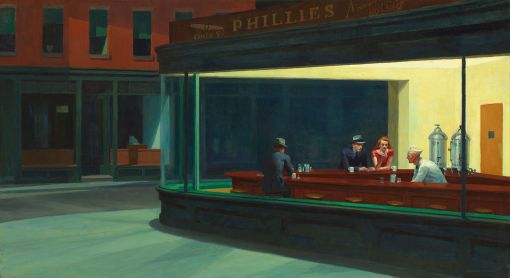


 The Optimist is the eleventh album from Liverpool’s Anathema, and a continuation of the story told in 2001’s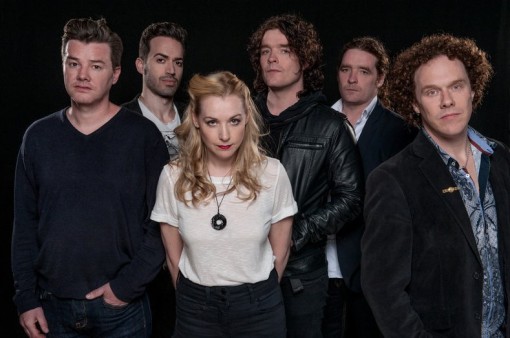


 Three times Progressive Music Awards winners Big Big Train return with Grimspound, the follow up to last years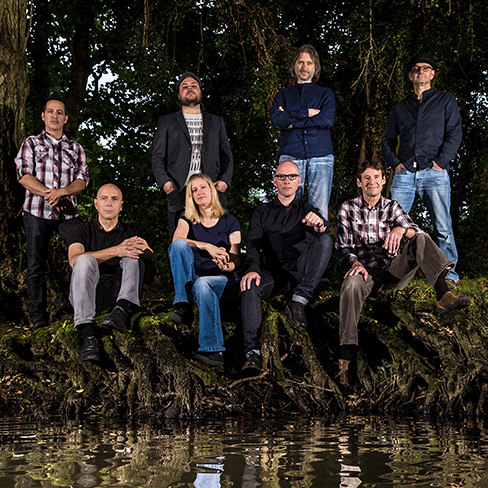


 Future Hopes is the follow up to the mighty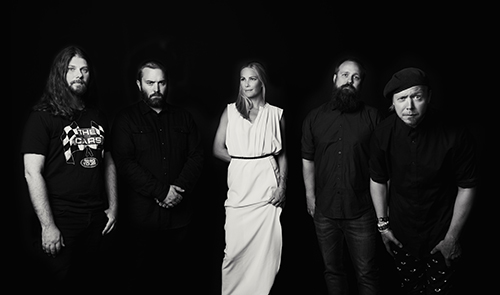


 Cobalt Chapel are a psychedelic / folk duo featuring Cecilia Fage (Matt Berry & The Maypoles) and Jarrod Gosling (I Monster, Regal Worm), and they have just released their debut album on the KLove label.


 Lost In The Ghost Light is the fourth solo album from Tim Bowness (no-man / Henry Fool).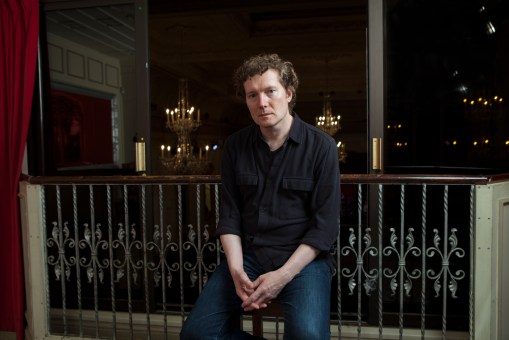


 A Sleeper, Just Awake is the second album from Sand, the solo project from Sam Healy of North Atlantic Oscillation (NAO).
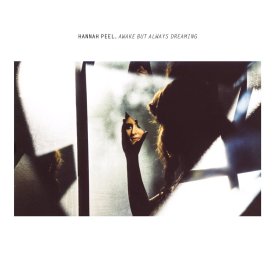 Awake But Always Dreaming is Hannah Peel’s second solo album. Following on from the more traditional music of her debut album, The Broken Wave in 2011, the next few releases included two Rebox EP’s (made up of covers of songs by Soft Cell, New Order, John Grant and others using music boxes).


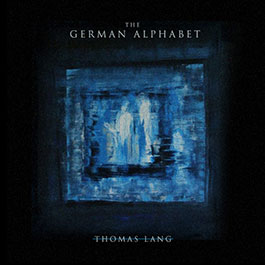 To say that there has been a long wait for The German Alphabet, the first studio album from Liverpool singer-songwriter Thomas Lang in 20 years, is an understatement. Even Kate Bush has released 3 albums during that period, and Kate Bush albums are rarer than hen’s teeth (insert your own cliche here).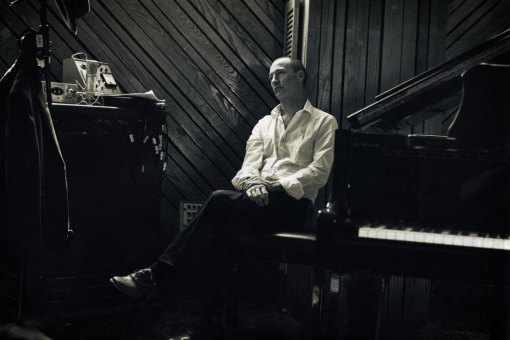
 Your Wilderness is studio album number 11 from The Pineapple Thief, and is shaping up to be my favourite release from the band since Tightly Unwound from 2008.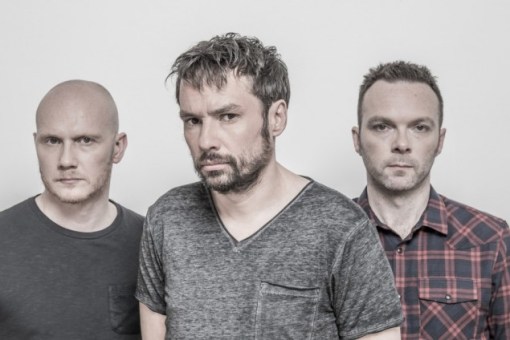


 Mr Kinski's Music Shack