 Deep Control is the first full-length album release from Department M.
Department M is Owen Brinley (former Grammatics singer / guitarist) and drummer Tommy Davidson. They are joined on the album by vocalist Snow Fox, James Kenosha and Lins Wilson.
I was a fan of Grammatics debut album – especially the songs Relentless Fours and Inkjet Lakes, so have been looking forward to the first Department M album, and it does not disappoint.
Department M dial up the electronics on Deep Control, and inhabit the space vacated by Songs of Faith and Devotion era Depeche Mode. Guitars are not the driving force in Department M, they are more atmospheric and layered and work well with the powerful drums, deep bass synths and intricate keyboard lines.
Bad Formulae is an early example of how Brinley’s voice and songwriting has progressed over the past few years. The pace and mood shifts from soft to menacing in the blink of an eye.
Bleak Technique is propelled by some great interplay between the bass and drums, as well as joint vocals from Brinley and Snow Fox. I love the goth-like guitar lines that precede the chorus.
Watch a (very different from the album cut) but moving nonetheless live solo performance of Bleak Technique below…
Kill My Superstition takes a few listens to get under your skin, but this song of addiction, with it’s nagging flute / synth line pays dividends after repeated plays.
“Kid sister morphine, you blaze a trail, from neon carriages sirens exhale”
Stress Class is the nearest to the sound of Brinley’s former band. But the album really shifts up a gear with Air Exchange, which is easily one of my favourite tracks on the album. I love the changes in pace and the duel vocals. A lot of electronic bands rely too much on processed percussion – Department M having a non-VST driven drummer adds a real sense of power and urgency to these performances.
“Help me forget myself, how hard could it be?”

Deep Control, Pt. 2 is a gorgeous late-night torch-song, that reminds me a little of Flat Earth era Thomas Dolby. The album was recorded at The Lodge, Bridlington, as was the final Lone Wolf album from last year. The sound of the studio, which ran deep through the Lone Wolf album, can really be felt on this track.
Linear features a strong electric bass-line, and as the synths break-down, the second section of the song is the most powerful piece of music on the album. Linear ends on an almost post-punk note, it’s a wonderful track.
“trace the vapour trails above, so linear.”
Compulsion is the album’s closing piece. A perfect storm of hard sequencers, off-kilter jazzy sax lines and a nagging guitar riff push the track, and the album, to it’s conclusion.
Deep Control was made to be played loud, so download the album, and do just that.
Buy Department M – Deep Control on Amazon


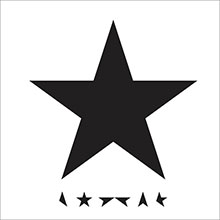 New Bowie albums have always been a big deal and a major event for me. And it’s even more so now, as each release arrives I can’t help but wonder if I’m listening to the last Bowie studio album. The live shows look like they are over, and the time will come when the studio albums stop too, so excuse me for savouring each release.

 4 ½, the new album from Steven Wilson, is released by KScope on January 22nd 2016. 4 ½ is like a super-sized, expanded EP, and acts as an interim release between 2015’s Hand. Cannot. Erase. and the next (as yet unrecorded) studio album.

 Edsel records have issued remastered and expanded versions of the first three albums from the influential Sheffield band The Comsat Angels.


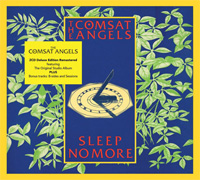 Edsel records have issued remastered and expanded versions of the first three albums from the influential Sheffield band The Comsat Angels. The bands second album, Sleep No More, is a much darker album than their debut from the previous year. The guitar is more prominent, and the songs have a real feel of urgency.
 The Comsats released their debut Waiting For A Miracle in 1980. Hearing the eerie opening guitar wails as the rhythm picks up on opening track Missing In Action always sends be back to my teenage bedroom listening to the album on vinyl.
 Alone in the Universe is the first album of new material released by Jeff Lynne under the ELO banner since 2001’s


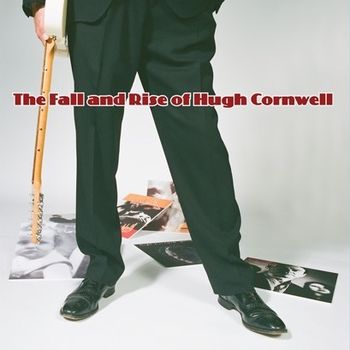




 Lost Worker Bee is a new EP release from Elbow, recorded to “…tide fans over until the next album.” Often EP’s contain fillers, such as remixes or alt takes, but that’s not the case here. Lost Worker Bee is formed of four new songs that would not sound out of place on any previous Elbow album.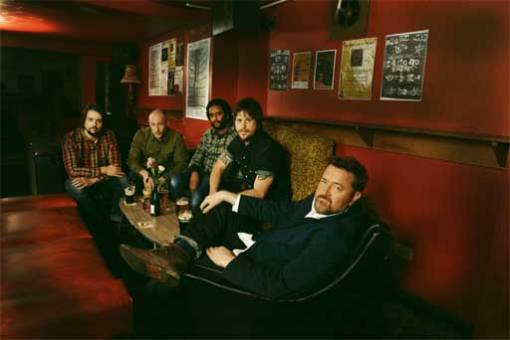


 Mr Kinski's Music Shack