The Comsat Angels – Fiction

16 11 2015

fiction2015Edsel records have issued remastered and expanded versions of the first three albums from the influential Sheffield band The Comsat Angels.

The Comsats released their third album Fiction in 1982. The final album in the Polydor trilogy, its an underrated album. Opening with one of the bands most haunting songs, the post-apocalyptic After The Rain.

Zinger has a slight Talking Heads feel, and a strong, fluid bassline. Now I Know has always been one of my favourite tracks from Fiction. The simple arrangement is the songs strength.

“So she took a drink from the radio”

Ju Ju Money (which was considered for the bands debut album) was finally included on Fiction. This take is a much more confident and powerful version of the song originally recorded in 1980.

The tribal drums on the reflective More place the album firmly in it’s time – with the post-punk music of Wah!, Siouxsie and The Banshees and The Cure, whilst also fitting in with some of the pop sensibilities of established acts such as Peter Gabriel and his fourth album.

Pictures has not dated – ambient keyboard swirls wash under the hypnotic beat that accompanies one of Stephen Fellows most reflective and sombre lyrics.

“Tear out all the pages one by one
Put them in the fire”

The most powerful song on Fiction is Birdman – with the return of the Fellows guitar harmonics! This song must have sounded amazing live in the early 80s – the rhythm section of Bacon and Glaisher was world class. Birdman still sounds amazing, even after all these years.

According to the informative sleevenotes, Don’t Look Now was improvised in the studio. Some wonderful interplay between all the band members on this song, including some guitar parts that surely influenced an Irish stadium rock band a few years later. Cough.

The final track on the main album What Else!? has always reminded me of The Beatles. Its a great 60s infused pop song – and I mean that as a compliment, pop is not a dirty word in my house.

fiction

Remastering / extra tracks

The remastering on the main album is more noticeable on Fiction compared to the first two albums in the reissue series. There is a noticeable increase in volume and power in these tracks compared to the previous CD reissue.

The bonus disc has two great Comsats singles – opening with one of my favourites – (Do The) Empty House with its trademark harmonics. It’s History was released prior to Fiction, and has a killer chorus. How this song wasn’t a massive hit single, I’ll never know.

The rest of the second disc is made up of a mix of b sides and album out-takes plus a couple of live recordings and a Peel session from late 1981.

Fiction (Deluxe 2CD edition)

DISC ONE
1. After The Rain
2. Zinger
3. Now I Know
4. Not A Word
5. Ju Ju Money
6. More
7. Pictures
8. Birdman
9. Don’t Look Now
10. What Else!?

DISC TWO
Bonus tracks
1. (Do The) Empty House
2. Red Planet Revisited
3. It’s History
4. Private Party
5. For Your Information
6. After The Rain (Remix)
John Peel Session
7. Now I Know
8. Ju Ju Money
9. Our Secret
10. Goat Of The West

VINYL – 180 gram heavyweight black vinyl
1. After The Rain
2. Zinger
3. Now I Know
4. Not A Word
5. Ju Ju Money
6. More
7. Pictures
8. Birdman
9. Don’t Look Now
10. What Else!?

Buy the album

Buy Fiction Double CD from Amazon

Buy Fiction vinyl on Amazon


Also available…


Buy Waiting For A Miracle Double CD from Amazon

Buy Waiting For A Miracle vinyl on Amazon

Buy Sleep No More Double CD from Amazon

Buy Sleep No More vinyl on Amazon


Buy Chasing Shadows / Fire On The Moon Double CD on Amazon

Buy Chasing Shadows vinyl on Amazon

Buy Fire On The Moon vinyl on Amazon

Visit The Comsat Angels – Sleep No More website


The Comsat Angels – Sleep No More

15 11 2015

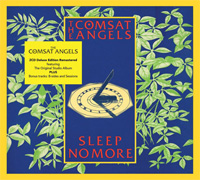
sleepnomore2015Edsel records have issued remastered and expanded versions of the first three albums from the influential Sheffield band The Comsat Angels. The bands second album, Sleep No More, is a much darker album than their debut from the previous year. The guitar is more prominent, and the songs have a real feel of urgency.

It may not have sold as many albums as those by The Cure or Siouxsie & The Banshees from the same era but Sleep No More is easily as rewarding as Pornography and Ju Ju.

The Eye Dance opens up the album at pace, and the urgency remains with the hypnotic layered guitars and insistent drums of the title track.

“It’s late but there’s no tiredness
I can see the city glow
And I’m sure there must be somewhere
We can go”

Be Brave has a wonderful bass line from Kevin Bacon and the lyrics display a nagging paranoia that continues into the next track, the powerful Gone.

Dark Parade is the most intense track on the album, with lyrics that chronicle the loss of life in a late 70s failed US hostage rescue attempt.

Restless passed me by on first release, but is a firm favourite now. It’s mechanical rhythm works really well with the treated guitar and deep bass notes.

After the frenetic Goat Of The West, the album slows down for its final two tracks. Light Years is the albums final dark moment of the main album, containing some of the finest guitar parts from Stephen Fellows on Sleep No More.

sleep

The band saved the best for last with one of my favourite songs of all time, the beautiful and uplifting Our Secret. The track is well sequenced as it gives a hint at the direction of the next Comsats album, Fiction.

“We will never
We will never
We will never
Give it up”

The extra tracks on disc one are important songs in the Comsats canon. Eye Of The Lens seems to foretell the surveillance heavy society we live in today, and is one of the bands finest singles.

Another World has some wonderful atmospheric keyboard work from Andy Peake and more expansive percussion from Mik Glaisher, one of the best drummers to emerge during the post-Punk era. At Sea is a slow-burning piece that explodes into life towards the end of the song, and displays the band at their most experimental.

Remastering / extra tracks

As with Waiting For A Miracle, the noticeable remastering difference is on the bonus material. Tracks such as the EP version of Gone sound much brighter on this version of the CD.

The bonus material includes a handful of demos plus John Peel and Richard Skinner tracks from the era.

Sleep No More (Deluxe 2 CD edition)

DISC ONE
1. The Eye Dance
2. Sleep No More
3. Be Brave
4. Gone
5. Dark Parade
6. Diagram
7. Restless
8. Goat Of The West
9. Light Years
10. Our Secret
Bonus Tracks
11. Eye Of The Lens
12. Another World
13. At Sea

DISC TWO
1. Mass
2. Dark Parade 1 (Demo)
3. Goat Of The West (Demo)
4. Be Brave (Demo)
5. Gone (Alt. EP Version)
John Peel Session
6. Be Brave
7. At Sea
8. Eye Of The Lens
9. Dark Parade
Richard Skinner Show
10. Gone
11. Total War
12. Eye Dance
13. Be Brave

VINYL – 180 gram Heavyweight black vinyl
1. The Eye Dance
2. Sleep No More
3. Be Brave
4. Gone
5. Dark Parade
6. Diagram
7. Restless
8. Goat Of The West
9. Light Years
10. Our Secret

Buy the album

Buy Sleep No More Double CD from Amazon

Buy Sleep No More vinyl on Amazon

Also available…


Buy Waiting For A Miracle Double CD from Amazon

Buy Waiting For A Miracle vinyl on Amazon

Buy Fiction Double CD from Amazon

Buy Fiction vinyl on Amazon

Buy Chasing Shadows / Fire On The Moon Double CD on Amazon

Buy Chasing Shadows vinyl on Amazon

Buy Fire On The Moon vinyl on Amazon

Visit The Comsat Angels – Sleep No More website


The Comsat Angels – Waiting For A Miracle

14 11 2015

Edsel records have issued remastered and expanded versions of the first three albums from the influential Sheffield band The Comsat Angels.

The Comsat Angels are surely long overdue a reappraisal as on the of the most important UK post-punk bands. The first three albums are essential listening for anyone who has an interest in this era of UK music, and they should also appeal to fans of current bands such as The Editors, Interpol and early Bloc Party.

waitingforamiracle2015The Comsats released their debut Waiting For A Miracle in 1980. Hearing the eerie opening guitar wails as the rhythm picks up on opening track Missing In Action always sends be back to my teenage bedroom listening to the album on vinyl.

Later albums from the band do reflect the time in which they were recorded, but the first three Polydor albums are on the whole timeless, and if you heard them for the first time in 2015, you would still find yourself under their spell.

The influence of Pere Ubu and Captain Beefheart can clearly be heard in the instrumentation on Waiting For A Miracle. The distorted bass and emotive percussion drive second track Baby.

“I don’t want to be your “baby”
I don’t want to have to crawl for you”

Not a note is wasted on this stark song – the restraint in the performance is clear.

Independence Day is the bands most well known song. The harmonics are instantly recognisable to anyone who listened to late night radio in 1980. I’ve played this song hundreds of times over the years, and Independence Day still sounds as fresh now as it did when I first heard it 35 years ago.

A sci-fi / futuristic feel runs through the core of many of the albums songs, especially the title track. Its no coincidence that the band were named after a JG Ballard short-story.

Total War is a simple but powerful arrangement. The bass, drums and keyboards power the song, which is devoid of guitar until the end section. When the original line-up of the band reformed for a hometown gig in 2009, this song was a highlight of the set.

Monkey Pilot showcases the range of the bands powerful and inventive drummer, Mik Glaisher. The feeling of isolation is mirrored by the music in Real Story, its a standout performance by the four band members.

“Now he’s in unreal estate
Until he dies”

Postcard is the darkest song on the album. a slow-building performance with ride and tom driven percussion building the tension, as some wonderful guitar lines interplay with the vocals.

“I just thought you’d like to know”

Remastering / extra tracks

All the albums in this Edsel re-issue series have been remastered by Phil Kinrade. The remaster is subtle – the drums sound a little brighter, and the mix sounds wider and less cramped. It is more noticeable on the non-album tracks – for example the early Ju Ju Money take is a noticeable improvement on the previous CD.

The extra tracks include the Red Planet EP from 1979, a selection of demos and John Peel session tracks from 1979/1980. Edsel have taken care in the reissues presentation – including lyrics for the main album songs in the booklet and making sure all the CDs use colours from the album artwork.

The sleeve-notes from Tim Peacock (Record Collector) with input from the bands Stephen Fellows, throws light on the bands early history and the recording of the first album.

Waiting For A Miracle (Deluxe 2 CD edition)

DISC ONE
1. Missing In Action
2. Baby
3. Independence Day
4. Waiting For A Miracle
5. Total War
6. On The Beach
7. Monkey Pilot
8. Real Story
9. Map Of The World
10. Postcard
Bonus Tracks
11. Home Is The Range
12. We Were
13. Ju Ju Money
14. Work

DISC TWO
1. Red Planet
2. I Get Excited
3. Specimen No.2
4. Independence Day (Demo)
5. Real Story (Demo)
6. Target Talk (Demo)
7. Living In (Demo)
John Peel Sessions
8. Total War
9. Independence Day
10. Baby
11. JuJu Money
12. Real Story
13. Monkey Pilot
14. Waiting For A Miracle
15. Home Is The Range

VINYL – 180 gram Heavyweight black vinyl
1. Missing In Action
2. Baby
3. Independence Day
4. Waiting For A Miracle
5. Total War
6. On The Beach
7. Monkey Pilot
8. Real Story
9. Map Of The World
10. Postcard

Buy the album


Buy Waiting For A Miracle Double CD from Amazon

Buy Waiting For A Miracle vinyl on Amazon

Also available…

Buy Sleep No More Double CD from Amazon

Buy Sleep No More vinyl on Amazon

Buy Fiction Double CD from Amazon

Buy Fiction vinyl on Amazon

Buy Chasing Shadows / Fire On The Moon Double CD on Amazon

Buy Chasing Shadows vinyl on Amazon

Buy Fire On The Moon vinyl on Amazon

Visit The Comsat Angels – Sleep No More website


Hugh Cornwell – The Fall and Rise Of Hugh Cornwell

11 10 2015

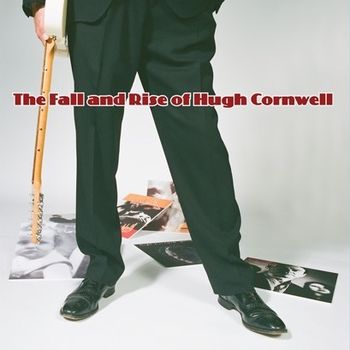
The Fall and Rise Of Hugh Cornwell is a compilation of material from Hugh’s first six solo albums. If all you know of Hugh’s work is from his time as a member of The Stranglers, The Fall and Rise… will serve as a great introduction.

The Fall and Rise of Hugh Cornwell

Opening with Hi Fi‘s powerful Leave Me Alone, it’s clear that the re-mastering by Miles Showell at Abbey Road Studios has really added something to the audio quality. This is more noticeable on the older material, such as Hot Cat on A Tin Roof from 1993’s Wired, where the track sounds brighter, with better separation.

Break of Dawn from Wolf is one of the albums highlights, a forgotten gem from the late 80s.

Under Her Spell has always been one of my favourite songs from the Tony Visconti produced Beyond Elysian Fields from 2004. The Who like final section on this song gets me everytime. You could say I’m under the songs spell!

First Bus To Babylon, with its mix of layered percussion and wonderful slide guitar, is a classic Hugh solo track.

“When we’ve sung the final song, get the first bus to Babylon”

Two of the more recent tracks, Hooverdam‘s Please Dont Put Me On A Slow Boat To Trowbridge and Beat Of My Heart have been cranked up a little in this remaster. Lay Back On Me Pal sounds wonderful just past the half way point on this compilation. The lovely psychedelic layers, strings and warm Laurie Latham production make this almost Beatles-like piece a definite highlight of the album.

One Burning Desire (originally from Guilty) is one of Hugh’s finest pop songs (and one of his great vocal performances). Another Laurie Latham production, One Burning Desire is almost a homage to the 60s with Hugh’s Byrds like guitar walls of sound.

From one of Hugh’s most “produced” songs to one of his most stripped back in his paean to his beloved Cadiz in Spain. The Abbey Road remaster brings out the layers in the chorus and the verse backing vocals and there is a noticeable brightness to the version on this compilation.

Long Dead Train was a favourite of a lot of fans when Guilty was released back in 1997, and it was always a great live track. I hope it’s inclusion on this compilation leads to it finding its way back into Hugh’s next full-band shows. I’ve always loved the Elvis “uh-huhs” in the chorus.

I wasn’t sure what Wolf‘s Getting Involved would sound like on this compilation, as its one of the most 80s sounding tracks in Hugh’s back catalogue but the remaster has beefed the track up a little. Yes it still sounds like the 80s – but it was from the 80s, theres no getting away with it!

The final track is a 2015 recording of the live favourite Live It And Breathe It. Guitars and drums to the fore, we are treated to a great guitar solo and more Elvisism’s thrown in from Mr C, so what’s not to like?

So if you are not familiar with Hugh’s work, The Fall and Rise Of Hugh Cornwell should be the perfect introduction. And if you like what you hear, maybe buy his most recent studio album, Totem and Taboo. You can listen to a couple of the tracks on Hugh’s website.

Buy The Fall and Rise of Hugh Cornwell on Amazon

Buy Totem and Taboo on Amazon


Tim Bowness – Stupid Things That Mean The World

1 07 2015

stupidthings220Stupid Things That Mean The World is the the third solo album from
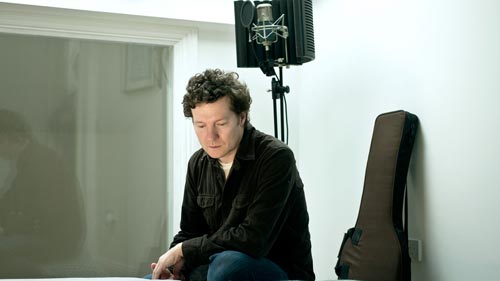
no-man / Henry Fool singer Tim Bowness, and comes just over a year after his acclaimed Abandoned Dancehall Dreams release.

Stupid Things That Mean The World displays much more variety than its predecessor. A case in point is album opener The Great Electric Teenage Dream, a powerful, aggressive early 70s Bowie-esque piece driven by dirty guitars (courtesy of Bruce Soord and Michael Bearpark) and thumping drums from Sanguine Hum‘s Andrew Booker and Pat Mastelotto from King Crimson.

“Once a record, now an unpaid stream.”

Sing To Me evolved from a 20 year old previously unreleased no-man song, with Bowness adding new lyrics and an expanded arrangement. Hazy violin lines from Anna Phoebe flit amongst the performances delivered by the regular Bowness band of Stephen Bennett, Colin Edwin, Michael Bearpark and Andrew Booker.

The Celtic sounding twin-guitar solo (Thin Lizzy eat your heart out) from Michael Bearpark really lifts the end section of the song.

Where You’ve Always Been is one of the early surprises on the album. A gossamer light piece that evolves as the song progresses, its a perfect summer song. The sad lyrics with remarkably uplifting music (a co-write with Roxy Music‘s Phil Manzanera) work surprisingly well together, and the end result is a song that sounds unlike anything Bowness has released previously.

Some lovely piano work from Stephen Bennett and moving guitar lines from Manzanera transform Where You’ve Always Been into one of the highlights of the album.

“Quoting lines from books you borrowed – the way you’ve always been.”

Photo by Charlotte Kinson

Stupid Things That Mean The World sits well in the sequenced album – its always a good sign when an album is well-paced. The albums title track is a naggingly addictive song, underpinned by Run Like Hell sounding echo guitar lines, and an outro section that reminds me a little of the quiet beauty of Virginia Astley.

Know That You Were Loved is one of the most moving songs Bowness has ever recorded, up there with no-man’s wherever there is light. Underpinned by soft backing vocals from David Rhodes (Kate Bush / Peter Gabriel) and guitar lines from Bruce Soord and Rhys Marsh, the simple arrangement reminds me of a lot of the mid 70s and the work of David Crosby (particularly If I Could Only Remember My Name…) and the sonic experimentation of bands like 10cc.

It’s my favourite Bowness vocal performance on the album, with lyrics that are very personal and touching.

The frailty of Know That You Were Loved is quickly washed away with the most brutal track on the album, Press Reset. Harking back to when no-man were flirting with the industrial, beat-driven material of Wild Opera, Press Reset takes the power of no-man’s Bleed and feeds it into my favourite track on the album.

“Tanked-up boys and weekend girls
Lying wasted on the pavement.”

A song dripping with isolation and rejection, the restraint shown by the musicians throughout the first half of the song ends abruptly and the remaining section will probably blow your speakers (and your mind) with its unbridled power.

All These Escapes drops the tempo back down, and revisits a song originally written back in the late 1980s. Sounding like it could have been included on a late 80s Peter Gabriel album, All These Escapes does not overstay its welcome and fades out as the beatless Everything You’re Not creeps in.

By far the most unusual song on the album, violins and proggy synth lines interweave the backing vocals provided by Bowness & Peter Hammill. An added bonus is the inclusion of brass in the arrangement. Whilst not exactly the Brighouse & Rastrick Brass Band, think more Peter Skellern and the mighty You’re A Lady. Listening to Everything You’re Not fuels my desire to hear more colliery brass in my pop music. Make it so,  Northern musicians, make it so.

Everything But You is a lyricless, short companion piece with some lively Jethro Tull-like flutes from Andrew Keeling and violins from Charlotte Dowding.

Photo by Charlotte Kinson

Soft William is a short but sweet song you might remember (in much simpler form) from the days of Tim’s Myspace page. Ah, digital nostalgia. Before you know it, the final track on the album is here.

At The End Of The Holiday is a sepia tinged shanty that ends the album perfectly. Soft acoustic guitars and gentle drums give the feel of a Martha’s Harbour for the 21st Century.

“She feels the breeze caress her skin, Wishes she wasn’t quite so thin.”

One of the saddest songs in the Bowness canon, with an almost baroque arrangement in some sections, At The End Of The Holiday is a fitting end to the most ambitious release to date from Tim Bowness.

Buy Stupid Things That Mean The World from Burning Shed – Burning Shed pre-orders come with an exclusive signed postcard and – on release day – a link to a flac download of a 5.1 mix of the album by Bruce Soord.

Buy Stupid Things That Mean The World from Amazon UK

Stupid Things That Mean The World album artwork by Jarrod Gosling
Tim Bowness photographs by Charlotte Kinson


Tears for Fears – Songs From The Big Chair (Box-set)

16 11 2014

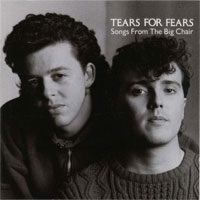
big-chairNo I am not going mad, and slipping back in time to the 80’s to review the second album from Tears for Fears. This is a review of the 2014 six-disc deluxe edition.

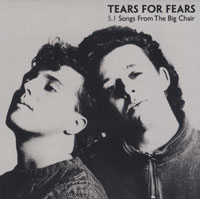
It’s amazing that what was initially an 8 song release back in 1985, can justify a 6 disc release in 2014. Songs from The Big Chair threw up so many remixes, edits and alt-takes, and this new box-set collects just about everything you would want to see (and hear) from this part of Tears for Fears history.

Disc one is the original album, with what sounds like the same remaster as the 2006 (2 disc) re-issue. After the 8 songs from the original album, disc one contains some of the key “b sides” from the era, including the Fairlight showcasing The Big Chair and one of my favourite Tears for Fears b-sides, Pharaohs.

Disc two is titled Edited Songs From The Big Chair and opens with non-album single The Way You Are, which surprisingly the band are not keen on. My favourite Tears for Fears song, Mothers Talk, with its driving, hard synth riffs, gets plenty of representation on this box-set, and the single mix is a shortened, to the point take of the song.

boxset

Everybody Wants To Run The World, the Sport Aid version of the song from 1986, with it’s amended lyrics and added instrumentation is a welcome addition to the box-set, as is the “Running Version”, a mostly instrumental take. Mothers Talk (video version) has a piano intro verse that doesn’t appear on any other versions of the song.

Disc three, Remixed Songs From The Big Chair – well it’s obvious what you will find on this disc! Standout tracks for me include the wonderful Mothers Talk [Extended Version]. I’ve always loved the delayed bass on the outro to this mix. Broken / Head Over Heels / Broken (Preacher Mix) is notable for having a studio version of the end section (the main album outro section is a live cut).

Everybody Wants To Rule The World [Urban Mix] has a radically different middle section, plus a Simple Minds Waterfront sounding bass riff. This remains one of my favourite Tears for Fears remixes.

Disc four in the set contains Unreleased Songs From The Big Chair. Opening with three Richard Skinner sessions, the highlight of which is a wonderful performance of Head Over Heels (the keyboards sound great on this session cut). Next up are six tracks recorded in Toronto, including The Hurting’s Memories Fade.

An early (vocal-less) mix of Mothers Talk – with some great Shaft like rhythm guitar is a revelation. The Way You Are [Early Mix] is the other highlight on this disc.

big-chair-5.1Disc five – ahh disc five. This is the highlight of the collection. This disc contains a brand new 2014 5.1 surround sound mix of Songs From The Big Chair by Steven Wilson. If you know Wilson’s solo work, or his recordings with Porcupine Tree and no-man, you will be aware that his productions always sound amazing. He has recently remixed albums by Yes and XTC into 5.1 surround sound, and Songs From The Big Chair is another 5.1 success.

Its pure joy hearing the separation on these tracks – bass lines, keyboard layers and guitar riffs jump out of the speakers like never before. As with other Wilson recordings, the album is presented as a flat transfer with no additional mastering. I hate the current trend for brickwall mastering, so this pleases me greatly. This does mean that there are noticeable differences in volume during sections of the songs, so you really notice the performances. It’s a wonderful listening experience, and it’s like hearing a new version of an old favourite.

My only criticism of this box set is that the Steven Wilson stereo mix is not presented in CD format – so if you want to put these 2014 mixes onto your digital device, you are not in luck.

The final disc in the box-set contains a mix of promotional videos, BBC TV appearances and the Scenes from The Big Chair documentary. You also get a replica tour programme and extensive, enlightening notes written by Paul Sinclair from SuperDeluxeEdition, with contributions from the band and key collaborators, plus notes from Steven Wilson about the 5.1 surround mix.

This is the definitive version of an 80’s classic, and a great example of how to put together a value-added re-issue package. Now EMI, how about a Steven Wilson 5.1 surround mix of Kate Bush‘s The Dreaming and Hounds of Love?

Buy the box-set

Songs From The Big Chair – box-set on Amazon

Buy The Hurting deluxe on Amazon

Songs From The Big Chair vinyl from Amazon


David Bowie – The Next Day

1 03 2013

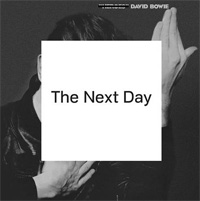
Here are my initial thoughts on the forthcoming David Bowie album, The Next Day. I should preface by saying that I’ve not got the CD yet, the review is from listening to the iTunes pre-release stream, so I won’t comment too much on the production, as the stream seems quite low quality and compressed. But it’s enough to give an initial impression (kind of like listening to an album on low bitrate FM radio back in the distant past).

The Next Day is a strong opening track, with clipped-guitars that are reminiscent of the Lodger era, and lyrically a real call to arms. The opening track is the first of several tracks on this album where Bowie rolls back the years and lets his vocals roar like they used to in the late 70’s.
Dirty Boys heralds the return of the sax! A real oddity, and all the better for it to my ears. He even manages to sneak in a guitar riff reminiscent of China Girl at one point towards the end of the chorus.

The Stars (Are Out Tonight) is quite simply a great Bowie single – driven by a powerful, driving bass-line, and topped off with 70s handclaps aplenty. Sounding like the bastard child of Absolute Beginners (who has shagged Time Will Crawl senseless). What a pretty baby. One of the songs on the album that gets better the more you play it. So go on, play it again.

Love is Lost is one of the more minimal tracks on The Next Day. Sparse drums and cheap sounding synths throb in a track that almost has a demo feel to it. Imagine the empty spaces of Sign O The Times by Prince for an idea of how this song sounds. I love the way that the guitars are often dirty and twisted on the album, and this track is no exception. The backing vocals are also classic Bowie.

“Oh what have you done?”

Where Are We Now? is the track that announced the return of DB. The (previously) most unBowie-like looking back and nostalgia of Where Are We Now? fits really well in the context of this album, which often references Bowie’s musical past . Which is not a criticism by the way, they are his tools, why shouldn’t he use them?

The end of the song is one of the most powerful moments in Bowie’s vast catalogue, and it’s reassuring to hear our rock stars growing old, some gracefully, some disgracefully. Just like us.

“As long as there’s me
As long as there’s you”

Valentines Day is the one track that I was slightly disappointed with on these first, early plays. Musically it harks back just a little too much and is close to becoming a Bowie parody at times, with it’s “sha la la’s”. The excellent lead guitar work towards the end and it’s subject matter (a high school shooting) does give it a bit more weight on repeated plays, and it’s starting to grow on me.

I’d Rather Be High also suffers from being slightly too retro – sounding like a mash-up of The Beatles and The Stone Roses at times. But in context, two potential disappointments out of 14 songs is not bad going.

Boss of Me has a strong chorus and more Bowie sax. If You Can See Me is gloriously chaotic, with an odd time signature, frantic drums and sped up backing vocals.

Every Bowie album has to have a space song, right? And normally they are one of the album’s highlights, so why spoil a perfectly good tradition. Dancing out in Space is the space song from The Next Day, and this clever pop song is driven by a Lust for Life type rhyhmn section, bubbling synths and a nostalgic Bowie backing vocal. This song would make a good third single from the album.

How Does the Grass Grow? is one of my early album favourites. It’s a kitchen sink of a song, with some West Side Story doo-wap thrown in, and sounding like it would easily fit into a remake of Lodger (one of my favourite Bowie albums). Tony Visconti is surely Bowie’s greatest producer – the drums and guitar mix are perfect on this track. The return of Earl Slick and the addition of David Torn on guitar are inspired moves too. Slick provides the link to Bowie’s past and Torn adds the spacey soundscapes.

Starting off with an almost heavy metal riff, (You Will) Set the World on Fire has a chorus that stays with you long after the song has ended. The most straight-forward rocker on the album, it makes a change from the songs either side of it, and is another possible contender for third single.

You Feel So Lonely You Could Die is the album’s second big-ballad. A welcome return of acoustic guitar high in the mix, the drums (especially in the song’s outro) are very Five Years. The mid-70’s Young American referencing arrangement works well on this song and Bowie gets the nostalgia quotient just right here.

If Bowie ever tours, you just know he would segue this with the aforementioned Ziggy Stardust classic. It’s written in the stars.

The Next Day ends on the album’s third big ballad. Mr Bowie, you are spoiling us. Heat has a hint of the Outside album running throughout, and also boasts the albums finest vocal performance.

Loosely strummed acoustic guitars build in intensity alongside a very synthetic, sci-fi backing.

“And I tell myself, I don’t know who I am”

It’s a great album closer.

I’m sure in this X-Factor era of pop music, when quality in the mainstream is often hard to seek out, the press will be all over this album, rating it as a glorious comeback.

To me, it is a very good comeback. But is it one of Bowies greatest albums? No, but I do think it’s the best Bowie album since Outside, and contains at least four songs (The Stars (Are Out Tonight), Where Are We Now?, How Does the Grass Grow? and Heat) that would not sound out of place on a Best of Bowie compilation.

And I’m happy with that. Welcome back David Bowie.

The Next Day – Amazon UK
The Next Day double vinyl


Steven Wilson – The Raven That Refused to Sing (and Other Stories)

22 02 2013

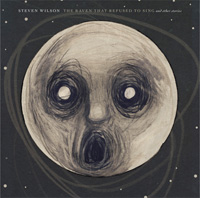
The Raven That Refused to Sing (and Other Stories) is the third Steven Wilson solo album, but where it differs from the previous two releases is that it was written to be performed with the musicians who make up his touring band. This gives a real cohesion to the album, which was produced by Wilson but features Alan Parsons as associate producer and recording engineer.

Steven Wilson’s albums, whether solo or with his main bands Porcupine Tree or no-man, have always been expertly produced. The Raven That Refused to Sing (and Other Stories) takes it up a notch, with the best sounding Wilson release to date.

A case in point is album opener Luminol.  Devoid of vocals until nearly 5 minutes in, switching time signatures, bass-driven instrumentation and layered mellotron / piano all feature. The production allows the instruments the space to breathe, and there is no brick-wall mastering in evidence.

At times reminiscent of Yes, Luminol sets the scene for the rest of the album, which is a mixture of progressive and classic rock.

Drive Home is one of Wilson’s best songs to date. Like a modern-day Stars Die, layered harmonies, strings and acoustic guitar underpin a tale of loss and regret.

“Well love can make amends
While the darkness never ends
You’re still alone
So drive home”

Drive Home is the one track on the album that really harks back to that mid-70s LA classic rock feel, and ends with a breathtaking guitar solo from the newest member of the Wilson live band, Guthrie Govan.

The Holy Drinker is one of the darkest songs on The Raven That Refused to Sing (and Other Stories).  Featuring some wonderful interplay between Theo Travis and Adam Holzman, the first few minutes of the song wouldn’t sound out of place on Wilson’s previous album, Grace for Drowning.  But it then mutates into a mid-70’s classic rock Deep Purple / Pete  Townshend / Yes hybrid. Speeding up and slowing down, crossing genres at will, it’s clear that playing together over recent tours has really helped this group of musicians gel and become much more than a backing band.

Photo by Naki Kouyioumtzi

The subject matter for the album’s lyrics also help make the album a complete piece, like in those distant days when album’s were made to be heard in one sitting, not split into easily digestible iPod-friendly chunks. Drawing on inspiration from 19th Century ghost and supernatural writers such as Edgar Allan Poe, the lyrics touch on subjects such as the spirit of a busker who continues to play (badly) long after his body departs this earth (Luminol) and a man who is haunted by the ghost of his wife whose body he buried under the floorboards (The Watchmaker).

The Pin Drop has a real Martin Grech feel about the arrangement, and contains the wonderful line, that sums up the theme of the album:

“I have not lived and loved enough”

It’s the shortest track on the album, and one of the most immediate and powerful. Lyrically almost a companion piece to Porcupine Tree’s Heartattack in a Lay By, both sets of lyrics touch on regret and sadness as someone’s life reaches it’s premature end.

The Pin Drop is one of the tracks that I keep coming back to and one which would make a fine single – although do singles exist anymore?

The Watchmaker will probably appeal most to fans who lean towards progressive rock.  A slowly building pastoral sounding arrangement for the first quarter of the song, before the organs and percussion up the pace.  The mighty Nick Beggs really shines on this track.

Photo by Naki Kouyioumtzis

The Raven That Refused to Sing is the album closer, and what a beautiful way to end the journey.  Starting off like a track from Storm Corrosion, before developing into the song that will surely be a staple of Wilson’s live shows for many years to come.

I hear hints of Radiohead and Sigur Ros in the arrangement, but also a flavour of Wilson’s first solo release Insurgentes. It’s an incredibly moving song that hits you really hard the more you hear it.

“Sing to me raven
I miss her so much
Sing to me Lily
I miss you so much”

If you don’t shed a tear as the song reaches it’s climax, you have no heart, no soul, and you should leave my blog now!

The deluxe version of this album includes a CD of demo versions of all the songs – obviously Steven Wilson demos are the quality of most people’s finished albums, but they offer a fascinating insight into the albums development and show what an impact the musicians and Alan Parsons made to the finished release.

Album of the year already? It depends on what else comes out over the next 10 months, but I think it’s safe to say that The Raven That Refused to Sing (and Other Stories) will be on my list come December 2013. A Wilson career best?  Yes, it’s up there with no-man‘s Together We’re Stranger for me, and is already shaping up to be my favourite Wilson solo release.

The only negative for me (which I touched upon in my Grace for Drowning review) is that the freedom Wilson seems to be really enjoying in his solo work means I really don’t see Porcupine Tree reconvening anytime soon.  I hope I’m wrong, as Porcupine Tree are one of my favourite bands, but with albums of this quality, the blow is somewhat lessened.

Watch the video for The Raven That Refused To Sing:

The Raven That Refused To Sing (And Other Stories) is released by Kscope on 25 Feb 2013.

You can buy The Raven That Refused to Sing (and Other Stories) in various formats, including vinyl, from the official Steven Wilson store on Burning Shed.

Buy The Raven That Refused to Sing (and Other Stories) CD on Amazon UK

Buy The Raven That Refused to Sing (and Other Stories) Bluray on Amazon UK

The Raven That Refused To Sing double vinyl