Every Valley is the third album from Public Service Broadcasting, and the follow up to 2015’s acclaimed The Race for Space.
The first thing that strikes you about the album is the musical palette – for the most-part, the heavy electronics are less obvious, so the result is a much more guitar-driven album than its predecessor.
Recorded in southern Wales (Ebbw Vale), Every Valley is centered around the Welsh mining industry, particularly coal mining. The album subtly touches on the obvious politics (on the track All Out) – so it does not detract from the story of massive economic and social change. Yes, I know these changes were mainly a result of politics, but honing in on the miners strike and the huge upheaval instigated by the Conservative Government in the mid-80s would have made this a less personal album, and taken away from the very real emotion in the words and music.
The buzzing of strings usher in the opening title track, and what a beautiful way to start the album. A sampled reading from the deep, warm tones of Richard Burton sit atop a wonderful drum pattern, softly evolving guitar lines and delicious strings. The production on this album is a massive step up from The Race for Space.
The Pit has Fleetwood Mac Tusk meets Running Up That Hill inspired dry drums. A bubbling synth runs alongside blasts of solo orchestral instrumentation and beautifully chorused guitar. Its a richly rewarding piece of music.
An old 70s coal-board advert prefaces People Will Always Need Coal, the most electronic track on the album. I love the 1980 Talking Heads-like groove on this song.
“There’s more to mining than dust and dirt”
Progress features Tracyanne Campbell from Camera Obscura on lead vocals, and whilst it is a rare positive lyric, it also acts as a way of making the forthcoming songs of decay and destruction feel even more sombre.
All Out is the section of the album that directly deals with the miners strike. Angry crowds underpin the brutal guitars, as the samples tell the story of men and women who just wanted to go to work, to do their jobs, to support their families. Its at this point that you realise that this album is more than a document about a time, and a place, and an industry that is long since destroyed. Its an album about the disconnect and the simmering discontent of the world we live in now. History is repeating itself.
James Dean Bradfield from Manic Street Preachers lends his vocals to Turn No More. Its a strong performance, and I like the fact that the music is quite restrained at times, which makes the message so much more powerful.
Every Valley is a chronicle of the men and women of the mining community. They Gave Me A Lamp is a beautiful piece, from the perspective of the women in the communities, and features members of the Derbyshire trio Haiku Salut.
You + Me is a departure on the album. A jazzy, live sounding performance that features a Welsh / English duet between Lisa Jen Brown and PSB’s J Willgoose Esq. The aching strings of the end section are one of the album’s highlights.
The drum pattern is almost an exact copy of David Bowie’s Five Years, so I hope I am forgiven for being confused when Soul Love is not the next song on the album.
Mother Of The Village brings the story towards its bitter conclusion, and reminds me a little of the wonderful Mogwai soundtrack to Les Revenants (The Returned).
“And you begin to realise what you mean by the death of a village”
As the album drawws to an end, the desperate state of the communities is now apparent, with empty pubs and disappearing shops. The Beaufort Male Choir close the album, with the moving Take Me Home.
“Take me home.. let me sing again..”
Every Valley is shaping up to be a much more satisfying album than The Race for Space, which I loved at the time, but don’t find myself returning to as much. This album has a deep emotional core that will keep drawing you back to the stories and the songs that live in Every Valley.
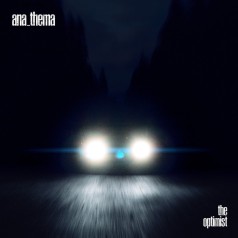
The Optimist is the eleventh album from Liverpool’s Anathema, and a continuation of the story told in 2001’s A Fine Day to Exit album.
I hear shades of current bands such as Archive in The Optimist, and from early on its quite clear that this is a much more electronic offering than recent Anathema albums. The 5.1 mix (by Bruce Soord with Vincent Cavanagh) is enthralling – the electronic beats of Leaving it Behind scatter around the speakers – and the audio narrative that is so important to this album feels much clearer in the 5.1 version.
Endless Ways is a beautiful track – I love the Pink Floyd-esque guitar riff, and the emotive, reverb heavy vocal from Lee Douglas sits really well in the mix.
‘The dream I’m creating’
The albums title track is a standout song. Although the band have made the theme of the album clear, the lyrics on the album are open to interpretation – and suggest a story of someone running away and looking for direction, or maybe salvation. The track The Optimist builds with layers of guitar over strings and piano, and the end section is very moving.
My favourite track on the album is the instrumental San Francisco. The Run like Hell inspired guitar riff runs as a counter-play to the piano arpeggio – and when the hard sequencer riff hits, I’m simply in electronica heaven. Giorgio Moroder would be proud of you Anathema! This track has to be heard through headphones or a 5.1 setup to be really appreciated. There is joy in repetition.
The next stop on the journey is Springfield. The guitar and piano lines (with a sweet separation in the mix) evolve until the wall of guitars hit you so hard it hurts.
‘How did I get here I don’t belong here’
Ghosts has a wonderful Massive Attack (Teardrops) beat and a lovely string arrangement.
Can’t let go is the most uptempo song on the album, and sounds like a hybrid of Radiohead and Tears for Fears – that’s a good thing by the way. The lead and rhythm guitars are stunning on Can’t let go.
The simple and direct lyrics of Close your eyes match it’s atmospheric and disturbing music, as it mutates into an almost Twin Peaks like jazz arrangement. The album artwork maybe displays another David Lynch (Lost Highway) influence.
‘Close your eyes, just dream on’
Close your eyes flows directly into Wildfires, with its heavily treated vocals and percussion, as the track moves towards its powerful climax. The child’s music-box keyboard and guitar underpin the sad ‘too late’ refrain.
‘Who am I?’
The Optimist closes with a solo voice and guitar performance that comes into focus as the full band kicks in on Back to the start. The most psychedelic track on the album, with Beatles like guitar / strings and uplifting harmonies.
“They don’t understand, cos they don’t talk for me”
The Optimist is a powerful and moving album, that really resonates in these uncertain and troubling times. It is also one of Anathema’s finest albums to date.
Cobalt Chapel are a psychedelic / folk duo featuring Cecilia Fage (Matt Berry & The Maypoles) and Jarrod Gosling (I Monster, Regal Worm), and they have just released their debut album on the KLove label.
The late 60s / early 70s inspired music is built round the vocals of Fage and the classic keyboards (mostly organ) and drum machines of Gosling.
The album is very dark and perfectly suited to the Autumn and Winter seasons. The songs conjure up moods and memories from an England long lost to technology, reality television, rampant commercialism and a loss of imagination and mystery.
Album opener We Come Willingly is a tale of murder, driven by the album’s signature organs and vintage drum machines fed through an army of effects.
Fruit Falls From The Apple Tree continues the baroque ‘n roll feel, with a lovely layered vocal during the middle section, as the keyboards and low bassline shuffles alongside the powerful drums. I love the mixture of progressive and folk music that runs through all the songs on this fine debut album. And an album is what it is – built to be heard in one setting, in sequence, so you appreciate the journey as the artist intended.
Ava Gardner is a short instrumental that precedes one of my favourite tracks on the album, Who Are The Strange.
Reminding me a little of early Portishead mixed with The Shortwave Set (whatever happened to them?), this was the first track that Fage and Gosling wrote together.
The lyrics tell the story of a near-death experience and the rattling effects and stabbing organ are as unsettling as the lyrical content.
The Lamb is a cover of the John Tavener choral piece that you may know from the film Children of Men, and is the most moving track on the album. The arrangement is simple but its a beautiful, stunning performance, with wonderful harmonies from Cecilia Fage.
Black Eyes is inspired by the 1975 film The Stepford Wives. Distorted drums and keys, along with a slowly mutating arrangement, underpin this sad song of transformation and loss of will.
Singing Camberwell Beauty is the first song that I heard from the album, and it remains a favourite. A playful fairground waltz that gets darker as it progresses – and a song that will surely appeal to Saint Etienne fans due to the spoken interlude.
Singing Camberwell Beauty is not “the last waltz” on the album, as Maze is a short Camberwick Green on acid piece that leads into Two. The album cover will give you a clue about the “two heartbeats” referenced in the song.
Horratia is “the story of an aging B-movie actress revisiting her life and career; a young face that many people once remembered and now an old face that is all but forgotten, except in the minds of obsessed horror/sci-fi convention-goers…” I love the twists and turns in the instrumentation on this track.
Positive Negative is inspired by The Avengers, and has a wonderful, slow building malevolent end section as layer upon layer of distorted organs pile on top of the vocals.
The album ends on Three Paths Charm and is the longest track in this collection. A mostly instrumental piece, with the occasional backward vocal lines and chants, acting almost as a summary of what has gone before.
Cobalt Chapel is a captivating first release, and there is a real continuity in the instruments used and the textures and moods they create. Its very easy to lose yourself in this album, and I am really looking forward to what the bewitching partnership of Cecilia Fage and Jarrod Gosling cook up in the (hopefully near) future.
Lost In The Ghost Light is the fourth solo album from Tim Bowness (no-man / Henry Fool).
Lost In The Ghost Light is a concept album revolving around the onstage and backstage reflections of a ‘classic’ rock musician (Jeff Harrison of the band Moonshot).
Joining Tim on the album are Stephen Bennett (Henry Fool), Colin Edwin (Porcupine Tree), Bruce Soord (The Pineapple Thief), Hux Nettermalm (Paatos), Andrew Booker (Sanguine Hum), and guest appearances from Kit Watkins (Happy The Man/Camel), Steve Bingham (no-man), David Rhodes (Peter Gabriel / Kate Bush), Ian Anderson (Jethro Tull) and Andrew Keeling (Robert Fripp/Hilliard Ensemble/Evelyn Glennie) arranging for string quartet and flute on three of the album’s songs.
Tim’s new album, as well as being a concept album, with a very clear theme, is also musically his most cohesive release. His most recent solo albums, Abandoned Dancehall Dreams and Stupid Things That Mean The World have both appealed to those who love progressive music. But if you are a fan of classic, first generation as well as modern prog, Lost In The Ghost Light will more than likely tick all the boxes for you. Musically, this album draws from the spirit of experimentation of the late 60s and early 70s, whilst keeping the Bowness musical identity intact.
I think its safe to say that Lost In The Ghost Light is an album that will be getting a ton of love from the (recently saved) Prog magazine, and will be appearing in a lot of reviewers end of year favourites lists.
Worlds Of Yesterday sets the scene with a backing of warm arpeggio acoustic guitar, some fascinating fretless bass and mid-70s keyboards / organs. The end section is wonderful, with flute (from Kit Watkins) and Bruce Soord‘s soaring guitar building up to a final 30 seconds that will surely melt your prog-filled heart.
Moonshot Manchild – well, Phil Collins would kill to have that feeling again. The piano and strings in the verse are solid-gold solo Collins, whilst the chorus and instrumental sections are unadulterated pre-80s Genesis.
“The days are long when you’re not working”
One of the most rewarding aspects of Lost In The Ghost Light is the multitude of instrumental passages, and Moonshot Manchild is one of the main beneficiaries of this freedom to explore the boundaries of the songs. I expect this song to be a possible Prog anthem of the year.
“You’re wearing the styles of your age. A slave to the whims of a phase, You dreamt of eternity’s gaze, Now you’re running out of time.”
David Rhodes (Peter Gabriel / Kate Bush) and Mr Pineapple Thief handle guitar duties on Kill The Pain That’s Killing You, the albums least proggy track. It’s more akin to the sound of Tim’s previous albums, with a hint of no-man thrown in for good measure, so its obviously an album highlight for me!
Mid-way through the album, we have what I consider to be the albums jewel in the crown. Nowhere Good To Go is a delicious Bowness ballad, one that’s so good that it could easily be a song from no-man‘s Returning Jesus. It’s quite simply one of Bowness’s best songs.
An ever evolving arrangement keeps the song fresh, even after repeated plays. The moving lyric and vocals stay constant throughout the song, as the arrangement gets increasingly prog-flavoured towards the end. Nowhere Good To Go is a finely layered song, but underpinning the arrangement and the emotional performances is a beautiful and painfully sad story of the loneliness of the touring musician who is long out of touch and now forever out of time.
“The theatre’s deserted, And there’s nowhere good to go.”
You’ll Be The Silence is one of the albums longest tracks, which gives the song time to build and explore.
“You caught the music of the moment by accident. You caught the moments in the music by chance.”
A song of regret as the albums protagonist watches his band become largely irrelevant as the industry moves on and leaves him behind. Where would a band as out-of-time as Jeff Harrison‘s Moonshot fit into these days of a down-sized music industry, with no more excess and huge physical album sales? An industry moving toward streaming as the norm? I suppose they would say their new album is a return to their halcyon days and hope for reviews of the “best since Scary Monsters” variety.
“You went on stage together, But you failed to find the art.”
Lost In The Ghost Light is filled with remarkable individual performances – Stephen Bennett hits a career best on the album in my opinion. Colin Edwin also gives some fine performances, the highlight being a moving bass harmonics solo on You’ll Be The Silence.
The Bowness production / arrangment and the usual high-quality mix and mastering by Steven Wilson need to be recognised in reviews of the album. The way the Univox SR-55 drum machine slips seamlessly in and out of the percussion arrangement on You’ll Be The Silence is a joy to hear. A tip of the hat must also go to Bruce Soord, who delivers a passionate solo in the outro that David Gilmour would be proud to call his own.
The album’s title track is pure no-man – glitchy electronics and a treated vocal that recalls the darkness of no-man’s Bleed or the Wild Opera period. The lyrics see our man Jeff questioning the relevancy of his music and whether there will be more, or whether he will remain on the soul-destroying roundabout of the nostalgia circuit.
You Wanted To Be Seen continues the questioning and self doubt, with a backing that recalls Fragile era Yes with a pinch of Pink Floyd added for good measure.
I love Andrew Booker‘s performance on this track, which works so well with Bruce Soord‘s multi-layered guitar. It reminds me a little of late period Porcupine Tree in it’s intensity.
The album ends with Distant Summers, with Colin Edwin giving it some Danny Thompson on the double bass, and a stunning flute solo from Ian Anderson. Tim delivers one of his most emotional vocal performances on Distant Summers, and I hear echoes of early Kate Bush in the piano / bass interplay and string arrangement.
“Third on the left, A monster and a mess, Back in the days that you still love the best.”
A couple of years have passed since the last Bowness album, but the wait was definitely worth it. Lost In The Ghost Light is a rewarding album that reveals new details on each play. I cannot wait to hear what people think of this album, as for me, its the best Bowness album to date.
5.1 mixes on the CD/DVD version
The 5.1 mixes by Bruce Soord of Lost in the Ghost Light and Stupid Things That Mean The World make up the DVD section of the double-disc version.
Lots of new details come to the fore in the 5.1 mixes. The vocal harmonies in Worlds of Yesterday and the piano on Moonshot Manchild are much more prominent in the 5.1 mix.
My favourite track on the album, Nowhere Good to Go, sounds amazing in this mix, with a lovely separation between the synth and the lush acoustic strings. Old school Genesis fans with love the synth lines that really stand out in this version.
The arrangement on You’ll Be The Silence is stunning heard through a 5.1 set-up. The album’s short title track sounds very different, with hidden, competing electronica making for a disturbing experience.
Another album highlight, You Wanted To Be Seen, has to be heard at volume to be appreciated fully. The violin parts sit beautifully in Distant Summers, as does Ian Anderson’s solo.
I forgot to download (doh!) the 5.1 mix of Stupid Things That Mean The World that came as a pre-order bonus when the album was originally released, so this was my first listen to the album in 5.1. Just like Lost In The Ghost Light, new details emerge in the 5.1 mix of this album. Having the two 5.1 mixes adds real value to this package.
The first track that really stands out is Where You’ve Always Been – there is a lovely clarity in the individual performances, and it was a joy to get re-acquainted with one of the most underrated Bowness songs.
Know That You Were Loved works so well in 5.1 – no fancy tricks, no panning effects, just the power of an emotionally direct song in extremely high audio quality.
Press Reset is the real highlight of the 5.1 mixes for me. The bass notes cut through the mix, and oh man, when the heavy percussion and bass kicks in, it sends shivers every time.
“This is the day you’ll disappear”
The neighbours will be having words with me, as I have to crank up the volume on this track.
Everything You’re Not also reveals more detail of the unusual harmonies that go so well with the nostalgic strings and brass.
The short but certainly not sweet Soft William also takes on a new lease of life in this mix. Album closer At The End Of The Holiday reveals its powerful melancholy in 5.1. An emotional string intro leads to a moving arrangement, with brutal lyrics, and a proggy organ solo that almost act as a precursor to where Bowness would venture next with his new album, Lost In The Ghost Light.
Artwork
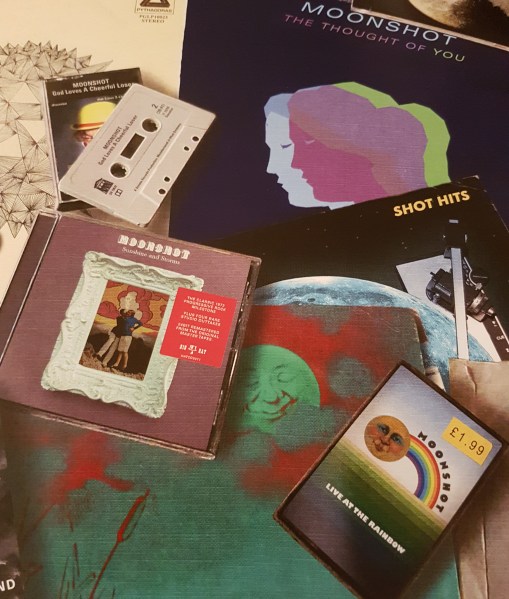
My initial review was from a digital copy of the album. Now I’ve got my physical copies – vinyl and CD/DVD – a special mention of the albums wonderful artwork is warranted. Tim has worked with Jarrod Gosling to flesh out the story of Jeff Harrison and his band Moonshot, whose story runs through Lost In The Ghost Light.
The album cover works as a perfect scene-setting statement, and really should be experienced in its full-size vinyl format. The gatefold sleeve (part of which is shown above) is stunning – with Moonshot vinyl, singles, vhs, CD and cassette artwork. The £1.99 sticker on the Moonshot Live at the Rainbow cassette raises a smile every time I see it.
Awake But Always Dreaming is Hannah Peel’s second solo album. Following on from the more traditional music of her debut album, The Broken Wave in 2011, the next few releases included two Rebox EP’s (made up of covers of songs by Soft Cell, New Order, John Grant and others using music boxes).
As well as working with John Foxx, Beyond the Wizards Sleeve and as a member of The Magentic North, Peel has released a series of increasingly electronic vinyl / download releases such as Nailhouse and 2014’s Fabricstate (with its moving lead track, Silk Road).
Awake But Always Dreaming is a natural continuation into a more electronic landscape. The album opens with recent single All That Matters, an upbeat (lyrically and musically) slice of hi-energy pop.
The pace of the album settles down with Standing On the Roof of the World, a slow-burning piece that ushers in the themes of the album – communication and the most emotive thread running through the songs, the effect that dementia has on people and how it impacts on their close relationships.
Hope Lasts feels like a potential single – the hook sticks with you long after the song has finished.
Tenderly has a potent mix of acoustic piano and electronics, and as the song progresses, I’m reminded of Vespertine era Björk (mainly in the glitchy percussion and deep synth lines). Tenderly is one of the album’s strongest tracks, and always a pointer of a good song – it would be just as moving if stripped back to its core components of voice and piano.
The lyrics start to take a darker turn at this point, and the music reflects this change in mood. Peel’s vocals on Don’t Take It Out On Me have an undercurrent of coldness and repetition that perfectly reflect the anger and resentment in the lyrics. As someone who is currently watching a loved one disappear under the cloud of dementia, this song hit me very hard.
“Wherever you have been, I am made of stone”
Beautiful piano lines drift in and out of focus during the intro to Invisible City, with moving lyrics that touch on the feelings of someone engulfed by the over-powering and all-encompassing illness.
“I built this city around my body, these walls they hold me, like you once did”
Even though Awake But Always Dreaming is clearly an album informed by Peel’s experiences with her Grandmother and her illness, it works on so many other levels. The lyrics are not so specific that it won’t mean anything to you if your life has not been touched by memory loss or dementia. If you’ve felt loss or loneliness in any form, the songs on this album are likely to resonate.
Awake But Always Dreaming is a well sequenced album. The instrumental Octavia almost feels like a musical nightmare, with what sounds like a Kate Bush / The Ninth Wave referencing whispered “wake up” towards the tracks end.
The album’s closing pieces seem to play out to the increased fog of confusion in the disjointed beats and vague whispers. Awake But Always Dreaming‘s title song references a life now often focused on the past, not the present and certainly not on new, shared future memories. Musically, its the most disturbing arrangement on the album and is a powerful prelude to the album’s key track, Conversations.
With what sounds like a projector running in the background (maybe showing film of the subjects past), ghostly memories drift in and out of focus as the film stops, and the lyrics begin.
“When I wake up, dont recall what happened yesterday”
Conversations is the highlight of Hannah Peel’s recorded output to date. An emotional, powerful vocal performance and a simple, direct and brutally honest lyric mark this out as the highlight of the album. There is no poetic licence in the words, no attempts to romanticise the situation, or to soften the blow. Its painful but so true.
“Where did you go?”
Foreverest is the albums longest track at just under 9 minutes. I love the ambitious arrangement on this track. There is a feeling of a release of tension on Foreverest as the journey nears its inevitable end.
Awake But Always Dreaming closes with the Paul Buchanan (The Blue Nile) song Cars in the Garden. Underpinned by Peel’s music box, this duet with Hayden Thorpe from Wild Beasts is an emotional finale.
“When you wake me up and say All the love the others gave me One day I could leave it all And find the place that we forgot”
I hope this album starts conversations about memory loss and dementia. I will close by saying that in a time when NHS resources are stretched and people with dementia and their carers often feel unsupported and isolated, there are great organisations that can help – such as the charity Dementia UK , who support families through their specialist Admiral Nurses. Feel free to donate to the charity if you can.
And of course, buy Hannah Peel’s wonderful Awake But Always Dreaming album.
To say that there has been a long wait for The German Alphabet, the first studio album from Liverpool singer-songwriter Thomas Lang in 20 years, is an understatement. Even Kate Bush has released 3 albums during that period, and Kate Bush albums are rarer than hen’s teeth (insert your own cliche here).
Now that’s out of the way, is The German Alphabet any good? Oh yes its good, you will be pleased to hear.
If you are a fan of Scallywag Jaz, Little Moscow and The Lost Letter Z, you will not be disappointed. *That voice* is still in fine form, but if you are expecting a re-run of the first 3 studio albums, The German Alphabet does not retread old ground. Its exactly the sort of album you would expect to hear from Thomas Lang in 2016, and is not a nostalgia-fest.
Album Theme
The aspect of the album that jumps out straight away is the theme – musically the album is a nod to John Barry, Ennio Morricone and ambitious film soundtracks. In fact, the songs themselves are like short films, with a strong narrative running throughout the lyrics.
Kicking off with the albums title track, flutes and a high in the mix bass-line sit amongst dark electronics. An almost spaghetti western guitar line features on this (and several tracks) and The German Alphabet is topped off with a high-energy vocal performance from Thomas. The arrangement is wonderful on this song – strings and horns dip in and out of the mix, without over-staying their welcome.
After an up-tempo start, Rain slows things down. The arrangement sounds like Portishead meets Massive Attack. Rain is one of the trilogy of very electronic tracks on the album, and contains one of the finest vocal performances from Thomas. I love the breakdown towards the end of this song, with some Robert Fripp-like electronics and sweeping strings. I think this will be one of the most popular songs on the album amongst fans.
Shaken not stirred
Pale Imitation is surely a contender as a future Bond theme. This is a classic Lang tune – with some lovely (almost progressive) organ and smooth percussion under-pinning an emotional vocal performance.
“I’ve got a plan but you won’t get behind it”
Pale Imitation reveals itself to you over repeated plays – with little details rising in and out of the arrangement.
Film Stars you may already know, as it first appeared on the 1990 (cassette only) Refugees From Little Moscow EP. I’ve always hoped this song would get a wider audience, as it contains one of Thomas’ best vocals.
Just piano and voice, its a delight and Thomas channels his inner Rickie Lee Jones on this track. And I could be wrong, but towards the end, it sounds like Mr Lang lights up a smoke to see him through to the end of the song. Now that’s jazz!
Pulse is the first track I heard from the album, around a year ago. It has evolved from the early take, but remains by far the most electronic track on the album. The rhythm is in the pulsing synths, as there is no acoustic percussion, and it has a late 80s / early 90s feel.
The strings (and vocals) on the chorus are simply heart-wrenching. It remains one of my favourite tracks on the album.
“I touch your face, so cruel”
Vegas baby!
I think Klee records flew Martin Scorsese in to help Thomas write the lyrics for Be Missing, as its a pure 1970’s Las Vegas / Gangster flick-in-a-song.
Be Missing is alsothe first appearance of a (Scallywag) Jaz(z) arrangement on the album, mixed with some early 90s Portishead thrown in for good measure.
Lyrically, Be Missing is probably Thomas’ finest hour, and I love the crazy toms / mournful vocals on the tracks outro. Its all very high drama, and is definitely Goodfellas in song form.
“They dug a hole in the sand that’s true – and maybe its your size”
Colorado Boulevard is a gem of a tune, and is a beautiful late night torch ballad. Dim the lights, sip on some expensive whiskey (on the rocks of course) and wallow in this song.
Smokey, slow strings and trumpet power this expensive sounding, as powerful as Sinatra, jazz diamond. Over time, I think this song will sneak into my heart as one of my top 10 favourite Lang tracks.
Swing me baby one more time
I Go Wild (BBV) is the big-band version (a more acoustic, stripped back take is available on the LP version of the album). Its dripping with Vegas panache – the song is driven by a joyous ensemble that makes you run upstairs and slip on your tuxedo every time you play it (or maybe that’s just me).
Michael Bublé would pay a million bucks to swing this hard, ain’t that a fact.
Lucky Me dials down the tempo, and is the album’s sweetest ballad. Another top-notch vocal (and lyrical) performance, I’m sure this song will be a favourite on the forthcoming live dates.
“No moonlight and roses, we’ve been here forever”
Lucky Me name-checks some of the musical (and political) heavyweights, and Tom’s vocals ooze class.
Talking of heavyweights – Kiss The Canvas is a love-song to the pugilist arts, and is well-timed, coming in the year we lost “The greatest”, Muhammad Ali.
I remember going to a London Lang gig in the early 90s and the band were all crowded round the TV post-gig watching a Benn / Eubank fight (if my memory serves me well), and Tom’s love of boxing is clear on Kiss The Canvas.
Kiss The Canvas tells the story of the darker side of the sport, more pay to lose than pay-to-view.
The album doesn’t run out of steam, ending on two very strong songs. Sugar Don’t Work has a feel of early Goldfrapp, and is another of those songs that comes into its own after dark.
If David Lynch is looking for a lead song for the forthcoming Twin Peaks series, he should take a listen to the dark beauty of Sugar Don’t Work.
The darkest song on The German Alphabet, Watchman closes the album. The last of the electronic trilogy of tracks, there is a feeling of cold-war paranoia in the lyrics and a little of the spirit of Billy Mackenzie and The Associates in the music of Watchman.
Lost till I found you
An honorary mention must go to Lost Till I Found You, from the vinyl version of the album. One of the final songs from the DA Hughes / John Murphy / Lang partnership, its worth buying the vinyl album for this one song alone. Like the theme tune from a great, lost 80s movie, its no leftover.
Lost Till I Found You captures some of the best parts of the late 80s / early 90s – the emotive synths and the subtle drums, and would be a highlight of any of Lang’s albums.
“Winds blow through, rains came down – lost till I found you, lost till I found you”
I hope all fans of Thomas Lang’s music get to hear The German Alphabet, as its a vital part of the Lang catalogueof work. The album has clearly been put together by Thomas and the musicians who play on the album with so much love and attention. I hope we don’t have to wait 20 years to hear the next album.
Buy The German Alphabet
Dusseldorf (CD)
The German Alphabet / Rain / Pale Imitation / Film Stars / Pulse / Be Missing / Colorado Boulevard / I Go Wild (BBV) / Lucky Me / Kiss The Canvas / Sugar Don’t Work / Watchman
The German Alphabet / Rain / Pale Imitation / Lost Till I Found You / Pulse / Be Missing / Lucky Me (alt version) / I Go Wild (alt version) / Sugar Don’t Work / Watchman
Heaven Taste by no-man was originally a 21 minute instrumental from 1993, featuring Steven Wilson, Ben Coleman, Steve Jansen, Richard Barbieri and Mick Karn.
This 2016 12″ vinyl release comes out on June 10th on Finnish underground dance label Sähkö, and is available to buy from Burning Shed.
The 2016 Steven Wilson edit of the original mix is obviously my favourite version on the 12″ – and I can’t wait to hear this on vinyl (this review is from digital copies of the two tracks).
If you don’t know Heaven Taste yet, it has a lot of the hallmarks of early no-man – plenty of breakdowns, soaring violin and guitar lines, but sadly no Bowness vocals as this is one of the bands instrumental pieces.
Heaven Taste is one of the rare studio tracks by no-man to feature Jansen, Barbieri and Karn (Japan / Raintree Crow) who toured with the band in the early 90’s. The track is powered by an impeccable groove that kicks into gear after the twinkling synth, violin and guitar intro, and its instantly clear that you are listening to Steve Jansen and Mick Karn, one of the late 80s / early 90s great rhythm sections.
Heaven Taste is built on repetition and repeated motifs but it would be too easy to label this music as trance, as there is a lot going on – too many layers, peaks and troughs for it to be so easily lumped into the one genre.
Just before the half-way mark we are treated to a short, wonderful piece of Mick Karn bass playing and then the percussion and keyboards ease the groove back in.
I love the space in early to mid-period no-man – take a listen to the bands work on the Speak album or Flowermouth and prepare to be amazed.
I take every opportunity to enthuse about the music of no-man, so I’m always going to prefer the original performance over a remix, but the 9 minutes long Jimi Tenor rearrangement sits well with me. The point of a remix is to give the listener a different taste from the original, or maybe to tease something out of a song in a style or using a technique that might be somewhat alien to the original artist.
This process might also lead to a new audience gaining exposure to music that they may be unfamiliar with, and I certainly think this is the case with this ‘rearrangement’ by Jimi Tenor. There is enough of the original musicians performances to be a recognisable version of Heaven Taste, but it is a definite updating and re-imagining of the song, and this new arrangement takes the song to different and unfamiliar places.
New instrumentation has been added to the original early 90s performances, and whilst there are two or three short sections where Mick Karn’s fretless bass is quite high in the mix, there is noticeably less Jansen, Barbieri and Karn in this Jimi Tenor version, so its a very different beast.
Some of the synths and certainly the style of the flute lines would not be what you would expect in a no-man song, so its interesting to hear another musicians fresh approach to the track. I hope this 2016 re-imaging of Heaven Taste leads to more people seeking out and enjoying the music of no-man. And if you are already a no-man fan, you will enjoy these new versions.
New Bowie albums have always been a big deal and a major event for me. And it’s even more so now, as each release arrives I can’t help but wonder if I’m listening to the last Bowie studio album. The live shows look like they are over, and the time will come when the studio albums stop too, so excuse me for savouring each release.
Anyway, sorry about that – enough of the morbid thoughts. Don’t worry – I’m not going to start off by saying that its the best Bowie album since Scary Monsters, as this is only day one of my listening to the full album (courtesy of the new way of hearing albums on release date – the post midnight Apple Music stream until my CD arrives in the post). It’s a brave new world.
The album opens with the seconds short of 10 minutes title track. Driven by Bjork-like percussion and jittery synths and saxes, contrary to early rumours and the Sue (Or In a Season of Crime) single, this ain’t no jazz album. It’s a virtually rock free zone – the guitars are mostly heavily processed and the music is very electronic and playfully experimental.
I love the middle section of the track Blackstar – its pure old-school Bowie tied in with intriguing lyrics.
“You’re a flash in the pan (I’m not a marvel star) I’m the great I am (I’m a blackstar)”
Tis a Pity She Was a Whore has developed from the 2014 digital release (which had the feel of a demo if I’m honest). There is a real consistency in the sound of Blackstar, which continues with Tis a Pity…, a song littered with frantic sax (as is most of the album) and reminding me a little of Jump They Say.
Lazarus, oh my sweet Lazarus. I was excited about this album when I heard the evolving strangeness of the title track, but Lazarus took it all up a notch and is by far my favourite track on the album. I’ve played this song so many times since it was released digitally in late 2015.
The guitars on this track are just stunning, and I think Lazarus is shaping up to be one of my favourite Bowie songs since the late 70s. I love the arrangement especially the build up to the songs climax, as the guitars and drums reach their crescendo and then it quickly slips back to the nagging pace of the beginning, whilst adding some great bass and guitar interplay. Lazarus also sees Bowie delivering one of his sassiest vocals in many a year.
Sue (Or In a Season of Crime) appears on Blackstar shorn of it’s jazz trappings and in much shorter, but markedly heavier form. There is a feel of the Outside album at times, especially on this track.
Girl Loves Me is a weird little number. With vocal tics and incomprehensible lyrics, Girl Loves Me is Bowie at his most off-kilter, and sets up the final tracks, two songs that also happen to be the most accessible songs on the album.
Dollar Days is a great Bowie ballad. At times on The Next Day, some of the nods to the past felt a little like pastiche at times, but Dollar Days does not feel forced, even though it feeds on nostalgia.
Blackstar really feels like an album recorded with a band playing off a well oiled-ensembles strengths and Bowie seems to react to this (listen to the enthused yelps on Tis a Pity She Was a Whore).
I Can’t Give Everything Away opens with a musical nod to Low‘s A New Career In A New Town, and contains the return of the heart-wrenching Bowie vibrato in the chorus.
A simple, understated track that rises and drops, ending with some Fripp like guitar buried in the mix towards the end of a song that seems to be telling his audience to back-off a little – whilst asking for some personal privacy.
“Seeing more and feeling less Saying no but meaning yes This is all I ever meant That’s the message that I sent”
The album has much more consistency than The Next Day. On the first full play of Blackstar, I came to the end and realised I had been waiting to hear the inevitable album filler, but there wasn’t one. Bowie and his musicians do not waste a single note and no track overstays its welcome.
For an artist with such an influential catalogue of songs and albums behind him, to be releasing music this satisfying so far down the line is remarkable.
4 ½, the new album from Steven Wilson, is released by KScope on January 22nd 2016. 4 ½ is like a super-sized, expanded EP, and acts as an interim release between 2015’s Hand. Cannot. Erase. and the next (as yet unrecorded) studio album.
4 ½ is available in multiple formats – as a single CD, digital download, vinyl and blu-ray (the blu-ray includes bonus tracks, instrumentals and the 2015 version of Lazarus).
Album opener My Book of Regrets will be familiar to fans who attended recent live dates, and first started to come together during the early Hand.Cannot.Erase. period.
The song has a myriad of twists and turns, with a nod to the past in the Time Flies referencing evolving guitar riff running throughout the track. A great bass-line drives the mid-section, and all of the musicians get a chance to really shine on My Book of Regrets, which is built from a mixture of live and studio performances.
I love that recording technology has progressed to the stage that live recordings can capture unique individual performances that can then be easily dropped into studio sessions.
I think its safe to say that 4 ½ will appeal to Porcupine Tree fans as well as those who love the material released under his own name. The album feels like Wilson is cleansing his musical palette before the next album, which is likely to be very different from his last few releases (he has recently hinted at a more electronic sound for the next release).
Year of the Plague is the album’s first instrumental track, and early on became my favourite song on 4 ½. Free from the need to follow a conventional structure with lyrics and verse-chorus, the song is simple but direct and incredibly moving. At times it reminds me a little of the mood of some later period no-man songs. It’s no secret that my favourite Wilson project is his work as no-man with Tim Bowness.
Year of the Plague is from The Raven That Refused To Sing sessions, but its clear why it was not included on that album, which had a very 70s feel and it fits perfectly in the album sequencing for 4 ½. The beautiful violin melody drifts through the song, sitting on top of one of SW’s most addictive arpeggio guitar lines. The strings are not performed by real players, but are sampled, in this case from an EastWest sample library (the violins in the only EW sample library I own – Goliath – don’t sound as realistic as this).
Year of the Plague alsoworks well as a companion piece to Nuclear Head of an Angel from 2004’s self-released Unreleased Electronic Music Vol.1.
Happiness III dates back as far as the writing for the Deadwing album, but would not have sounded out-of-place on Hand.Cannot.Erase. Boasting an unashamedly pop chorus (reminding me a little of later period The Who / solo Pete Townsend), this song will no doubt be a highlight of the upcoming tour.
Sunday Rain Sets In harks back to the sound of Insurgentes at the beginning, but then expands into a fine instrumental with great piano and percussive guitar lines. It evokes the sights and sounds of a wet, night-time city landscape.
Vermillioncore is the album’s final instrumental. A disturbing jazzy intro leads to a discordant Chapman Stick solo from Nick Beggs, and a heavy bass and guitar end section. I’m not sure what the significance of the song title is, but Vermillioncore is nothing like Vermillion Sands from Buggle’s Adventures in Modern Recording album.
Its worth pointing out that one of the highlights of 4 ½ is that we finally witness the return of SW guitar solos, which have taken the back-seat on his recent albums.
4 ½ is bookended by two long songs. The album closes with a new version of Don’t Hate Me, a take on the song originally recorded by Porcupine Tree on Stupid Dream. The 2015 solo version is slower than the version recorded by Porcupine Tree, with the drums less to the fore in the mix, and with a wider range of layered keyboards and guitars.
The original keyboards were solely analogue, whereas this version is augmented with organ on top of the electronics.
Wilson’s vocals have obviously matured since 1999, and they work really well alongside co-vocalist for this track, Ninet Tayeb (who you might have been lucky to see bringing the audience to their feet during a stunning Routine at the Albert Hall shows in November 2015). I love the subtle use of reverb on the verse vocals on this version of Don’t Hate Me.
Theo Travis returns to deliver another stunning sax solo that works so well alongside the haunting, smokey keyboard runs from Adam Holzman, who is becoming one of my favourite keyboard players.
Die-hard PT fans may prefer the studio take they have lived with for years, but for me, this is the definitive version. Don’t hate me.
Steven Wilson – 4 ½
My Book of Regrets (9.23) Year of the Plague (4.15) Happiness III (4.31) Sunday Rain Sets In (3.50) Vermillioncore (5.09) Don’t Hate Me (9.34)
Blu-ray exclusive bonus tracks
Lazarus (2015 recording) (3:57) My Book Of Regrets (edit) (3:34) Don’t Hate Me (SW vocal version) (9:34) My Book Of Regrets (instrumental) (9:35) Happiness III (instrumental) (4:31) Don’t Hate Me (instrumental) (9:34)
Edsel records have issued remastered and expanded versions of the first three albums from the influential Sheffield band The Comsat Angels.
The fourth set in the reissue campaign is the long out-of-print Chasing Shadows coupled with the virtually never in print Fire On The Moon.
Chasing Shadows was released on Island Records in 1986, and I own up to the fact that its an album I’m very fond of. I’ve always thought it contains some of Stephen Fellows best vocal performances (I would imagine the setting of Compass Point Studios had something to do with that). The music, although a world away (pun intended) from their first three albums, still carries plenty of (restrained) power.
Album opener The Thought That Counts sets the scene for the album, with stabbing keyboard sequences and arena-rock friendly guitar and drums.
The album includes some of my favourite performances from keyboard player Andy Peake – especially on The Cutting Edge. And that bass / drum interplay!
Under The Influence sounds great on this remastered album – especially the mighty Mik Glaisher powerhouse drums. Carried Away is one of the great lost Comsats classics. Slow-burning and simply arranged, the emotion in the bands performance shines through.
You’ll Never Know features guest vocals from a champion of the band, Robert Palmer, who was also executive producer, and instrumental in getting the band signed to Island Records.
Lost Continent is one of the standout tracks on Chasing Shadows, and is followed by the most powerful track on the album Flying Dreams, which has many of the hallmarks of the bands early albums. I’ve always loved the breakdown “start to climb” instrumental section at the end.
The album ends with the moving Pray For Rain. The Comsats at their most vulnerable – just keyboards, vocals and bass.
“I met my match, but then the fire spread”
Andy Peake really shines on this performance. He is primarily known for his layered, atmospheric playing, but he can really tickle those ivories.
The 2015 remaster includes The Cutting Edge single b side, Something’s Got To Give, a fine song and I’m glad its included on this release.
The second disc in this reissue set contains the complete Fire On The Moon, which was released in limited quantities in the USA and Holland in 1990, under the name Dream Command. I have to be honest and say its my least played and least liked Comsats release. There are only two tracks that I can recommend – Venus Hunter (with its Missing In Action inspired guitar ending) and the wonderful Mercury, that could have graced any Comsats album. The rest just don’t have that CSA magic and sound weary and tired.
Remastering / extra tracks
Of the four reissues, this is the album I was looking forward to hearing the most. The original Chasing Shadows CD always sounded too quiet. The 2015 remaster by Phil Kinrade at Alchemy Remastering adds a sparkle to the original album, and makes it a pleasure to rediscover in its new sonic glory.
The sleeve-notes are interesting, and the booklet includes the lyrics to the two albums, although unlike the previous three reissues in the series, the booklet is short on images from the era. But its all about the music – and although I’m not a fan of the second disc, Chasing Shadows does not disappoint and makes this reissue a must-have for Comsat Angels fans.
Chasing Shadows + Dream Command Fire On The Moon (Deluxe 2CD edition)
DISC ONE
The Comsat Angels Chasing Shadows
1. The Thought That Counts
2. The Cutting Edge
3. Under The Influence
4. Carried Away
5. You’ll Never Know
6. Lost Continent
7. Flying Dreams
8. Pray For Rain
Bonus track
9. Something’s Got To Give
DISC TWO
Dream Command Fire On The Moon
1. Celestine
2. Whirlwind
3. Sleepwalking
4. Reach For Me
5. Ice Sculpture
6. Venus Hunter
7. Phantom Power
8. Transport Of Delight
9. She’s Invisible
10. Mercury
Chasing Shadows 180 gram Heavyweight black vinyl
1. The Thought That Counts
2. The Cutting Edge
3. Under The Influence
4. Carried Away
5. You’ll Never Know
6. Lost Continent
7. Flying Dreams
8. Pray For Rain
Fire On The Moon 180 gram Heavyweight black vinyl
1. Celestine
2. Whirlwind
3. Sleepwalking
4. Reach For Me
5. Ice Sculpture
6. Venus Hunter
7. Phantom Power
8. Transport Of Delight
9. She’s Invisible
10. Mercury
 Every Valley is the third album from Public Service Broadcasting, and the follow up to 2015’s acclaimed The Race for Space.


 The Optimist is the eleventh album from Liverpool’s Anathema, and a continuation of the story told in 2001’s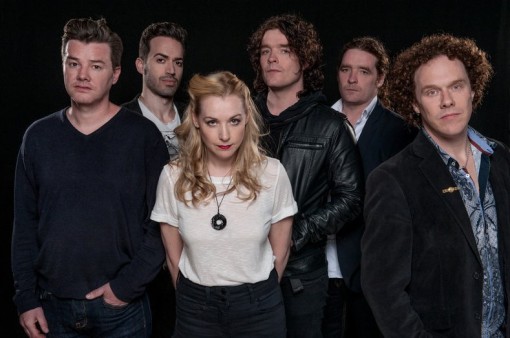


 Cobalt Chapel are a psychedelic / folk duo featuring Cecilia Fage (Matt Berry & The Maypoles) and Jarrod Gosling (I Monster, Regal Worm), and they have just released their debut album on the KLove label.


 Lost In The Ghost Light is the fourth solo album from Tim Bowness (no-man / Henry Fool).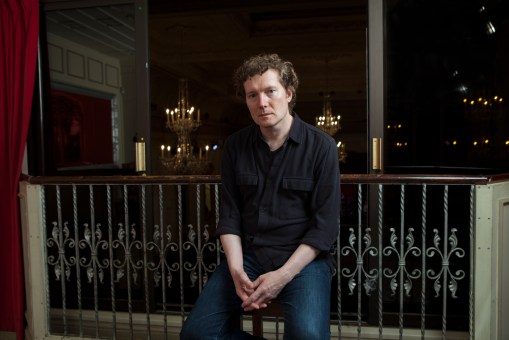


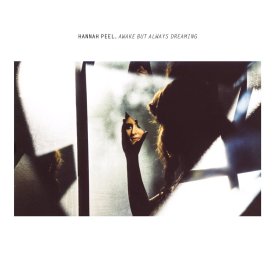 Awake But Always Dreaming is Hannah Peel’s second solo album. Following on from the more traditional music of her debut album, The Broken Wave in 2011, the next few releases included two Rebox EP’s (made up of covers of songs by Soft Cell, New Order, John Grant and others using music boxes).


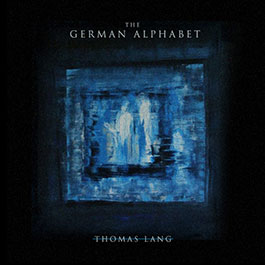 To say that there has been a long wait for The German Alphabet, the first studio album from Liverpool singer-songwriter Thomas Lang in 20 years, is an understatement. Even Kate Bush has released 3 albums during that period, and Kate Bush albums are rarer than hen’s teeth (insert your own cliche here).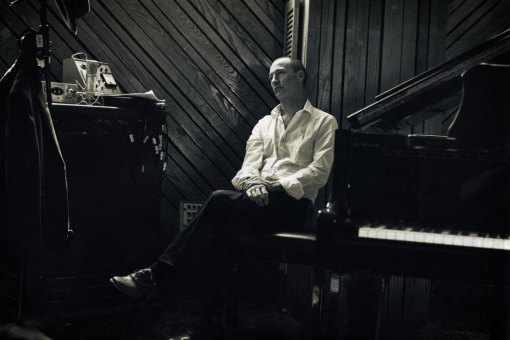
 Heaven Taste by no-man was originally a 21 minute instrumental from 1993, featuring Steven Wilson, Ben Coleman, Steve Jansen, Richard Barbieri and Mick Karn.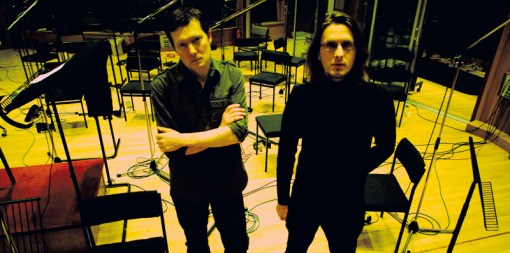
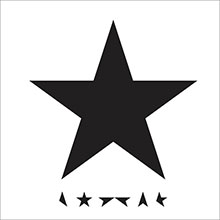 New Bowie albums have always been a big deal and a major event for me. And it’s even more so now, as each release arrives I can’t help but wonder if I’m listening to the last Bowie studio album. The live shows look like they are over, and the time will come when the studio albums stop too, so excuse me for savouring each release.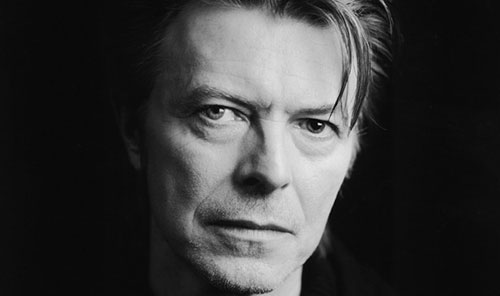
 4 ½, the new album from Steven Wilson, is released by KScope on January 22nd 2016. 4 ½ is like a super-sized, expanded EP, and acts as an interim release between 2015’s Hand. Cannot. Erase. and the next (as yet unrecorded) studio album.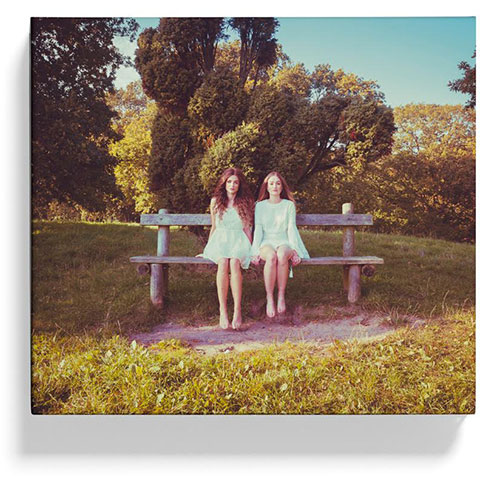
 Edsel records have issued remastered and expanded versions of the first three albums from the influential Sheffield band The Comsat Angels.


 Mr Kinski's Music Shack