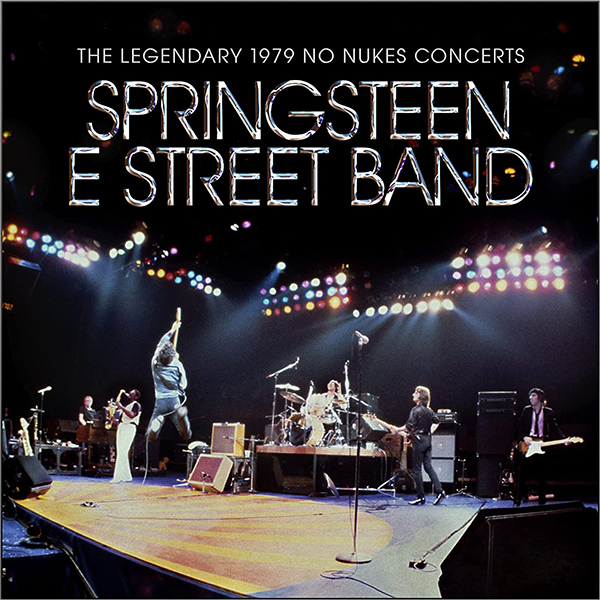
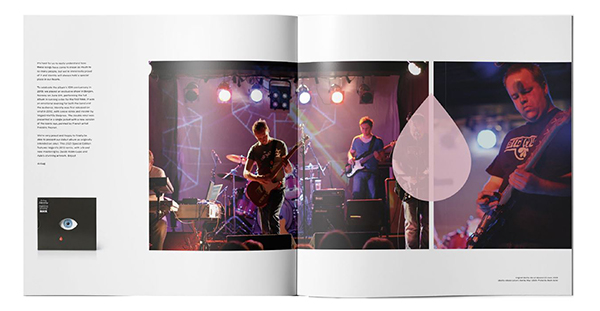
The Legendary 1979 No Nukes Concerts from Bruce Springsteen and the E Street Band were performed at the September 1979 MUSE (Musicians United for Safe Energy) benefit concerts held at Madison Square Garden in New York City. A recording from these shows is being released on CD, vinyl and blu-ray in November 2021.
The 2 CD set features 13 songs performed over two nights, that are newly remixed and remastered, along with a blu-ray of the 13 song concert performance film, newly edited from original film footage, restored and remixed in HD. This package includes a 24-page book with rare photos and memorabilia, an essay, vintage ticket envelope, ticket reproduction and sticker.
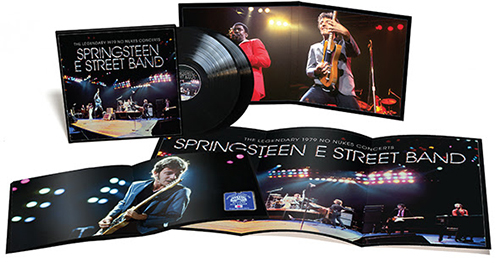
The vinyl version is a 2 LP set featuring 13 songs performed over the two nights, that are newly remixed and remastered. The gatefold package includes a 24-page book with rare photos and memorabilia, an essay and a 33” x 19” poster.
Cousteau were a London based band active from 1999 to 2005, releasing three studio albums and known for the songs The Last Good Day of The Year and Mesmer.
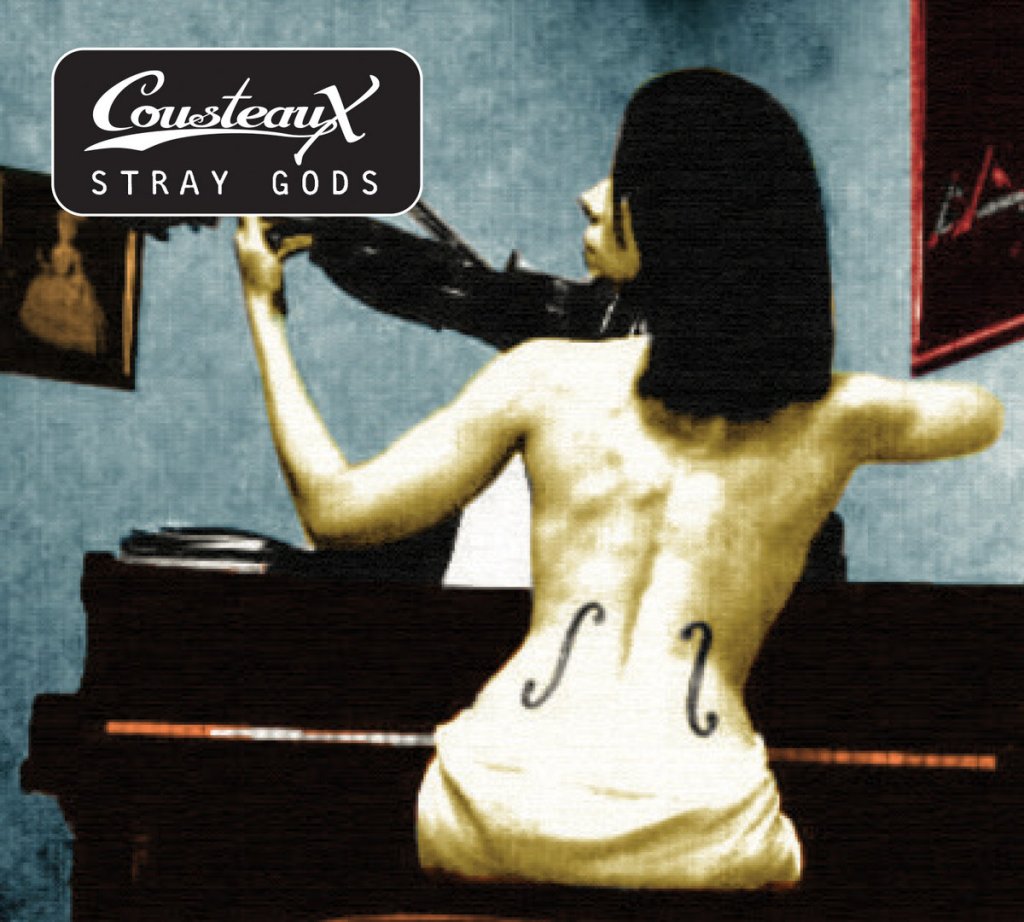
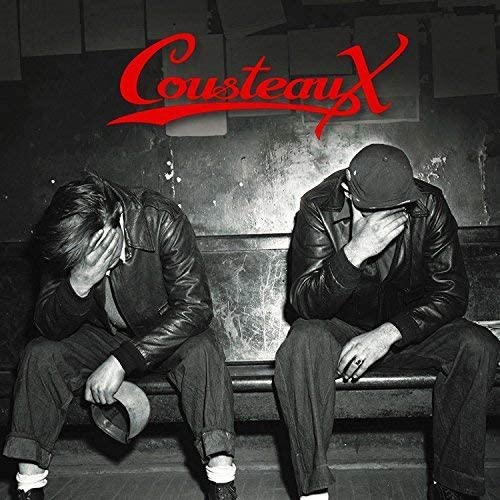
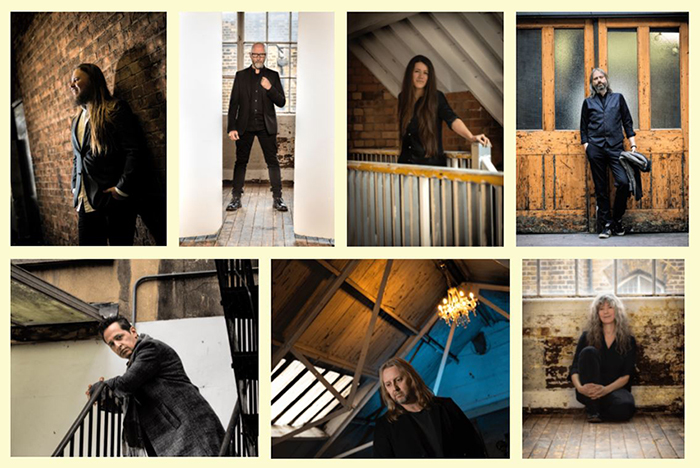
Core Cousteau members Liam McKahey and Davey Ray Moor returned as CousteauX (it’s a silent X apparently!) in 2016 and after releasing their first album under the CousteauX name in 2017, are back in 2021 with a new album, Stray Gods.
As I mentioned in my review of 2017’s CousteauX album, this incarnation strays far from the lighter, more easy listening style of their early 90s music. This is often uneasy listening, and the experience is all the more stronger for it.
Cheap Perfume sets the template for much of the album. Stuttering guitar lines and a steady, mid-paced rhythm give way to a delicious chorus, with “that” voice in full flow. There is a real edge to latter day music from Liam and Davey, with dirty, sleazy guitar riffs often in evidence.
Love The Sinner has an inventively percussive pace, with duelling guitar and keyboard riffs below the deepest, simmering baritone, topped by a multi-layered chorus that Bowie would have been proud of. The demons win the battle in this song.
On first hearing Karen Don’t Be Sad, I was not aware it was a cover of a song written by Miley Cyrus, Wayne Coyne & Steven Drozd. I thought it was the band’s take on the recent “Karen” phenomenon. Or maybe a tribute to the great Karen Carpenter (there are strong Carpenter vibes on this song). But nope, got that wrong on both counts, though there is a slight possibility that my ears could be deceiving me, as I think there have been some slight lyric changes to reflect current events, so maybe my first instinct was true. I guess I will find out when I have the pressed CD in my possession.
The essence of the earlier band incarnation runs through Karen Don’t Be Sad , the most gentle, delicate piece on the album. Its a doozy. As is the 60s flavoured Yesterday Eyes, which simply oozes Monte Carlo spy thriller. The smooth, measured arrangement graced with a dreamy chorus that seeps into your soul. One of my song of the year contenders.
We head towards the half-way mark with the scene setting Bloom Overture that flows into When The Bloom Has Left The Rose, with Liam’s most emotional vocal performance on the album. At this point on Stray Gods, the weather is changing and a storm is clearly approaching. When The Bloom Has Left The Rose is stripped back, with heavy use of atmospherics and mood to convey the deep emotion.
The band take a rare excursion to a 70s sound with So Long Marianne, which has some subtle country leanings, and don’t shoot me, it reminds me a little of prime 70s Neil Diamond, even though it is in fact a Leonard Cohen song. I’m a sucker for this sort of rich arrangement, with Rhodes piano, slide guitar and soulful backing vocals, so this would always be an obvious favourite for me.
Praying For Rain is pure Americana, with bar-room piano solos, and a blues shuffle driving one of the album’s darkest pieces. None of the tracks feel rushed or cluttered on Stray Gods, there is always plenty of space for the songs to breathe and for the lyrics to do their work. This Thing Won’t Fly is a case in point, with a rich chorus escaping from the leisurely verse.
Electrical Storms In Berlin is unlike anything Liam and Davey have released before. The pace is funereal, and the crackling, atmospheric arrangement feels like the film score to a dark noir movie. Its a career highlight for the duo.
“Grabs of news and ballyhoo drone on and on dabs of truth ‘bout me and you so long wrong and gone”
Hush Money is the heaviest track on Stray Gods, both musically and lyrically. Guitars and drums are the main ingredients on this track, with a blues swagger rarely heard from the duo.
The clouds clear for Stray Gods finale, with the gentle, tender torch-song In The Meantime. Stinging ride cymbals and deep synth strings sit atop the piano and double bass of the shifting moods that populate this album closer.
I loved the band’s return in 2017, but Stray Gods feels like a much more rounded, rich and complete piece of work, and is my favourite of the two duo albums. The mood and pace of the album twists and turns, with so much more variety shown by Liam and Davey this time around.
I say this everytime I review one of their album’s, and they always seem to ignore me, but I hope this is a run of new music. Don’t go splitting up on us again CousteauX!!!
Cheap Perfume Love The Sinner Karen Don’t Be Sad Yesterday Eyes Bloom Overture When The Bloom Has Left The Rose So Long Marianne Praying For Rain This Thing Won’t Fly Electrical Storms In Berlin Hush Money In The Meantime
Released August 20, 2021
Voice: Liam McKahey Songs & Production: Davey Ray Moor
Common Ground, the self-produced new album from Big Big Train is released on 30th July 2021, on CD via their own label English Electric Recordings, and on double LP in a gatefold sleeve via Plane Groovy.
Recorded during the worldwide pandemic in 2020, Common Ground sees the band continue their tradition of dramatic narratives but also tackles issues much closer to home, such as the Covid lockdowns, the separation of loved ones, the passage of time, deaths of people close to the band and the hope that springs from a new love.
The Strangest Times is a direct reaction to the worldwide pandemic. Referencing some of the strange changes to our lives (waiting for daily Government press conferences, social distancing), this is a new departure for Big Big Train. Instead of the mainly historical stories, this is as close to home and personal as it gets, with lyrics that reference this time in our history, when so many of us were confined to our homes and missing our loved ones and our way of life that we had probably taken for granted.
Six months ago this song would not have worked, as I think a lot of us were looking for an escape from Covid in our everyday lives and our art and entertainment, as it was all too raw, too over-powering and all-encompassing. But how can artists ignore one of the most significant events in our lifetimes, that touched so many of us in such a negative and personal way? As we slowly see chinks of a semblance of normality on the horizon, its now possible to listen to artists addressing what happened, and The Strangest Times touches on what we all went through, the loss and sacrifice many people endured and how our worlds changed, in some ways permanently, whilst looking to nature to heal us and offer respite from the terrible news that was hitting us from all angles.
The track is musically urgent and reminds me of the All The Best Cowboys Have Chinese Eyes period Pete Townshend (who is referenced as one of the influences, along with Elbow, Tears for Fears, Elton John and XTC on the Big Big Train website).
All The Love We Can Give, with its lower register than usual vocals on the verse, contains my favourite David Longdon performance on the album. The song reminds me a little of Mansun’s playful late 90s album Six, with a variety of twists and turns in an exiting and at times visceral arrangement.
I’m going to get shouted down here, but I keep finding myself singing Kids In America during the first section of Black With Ink. Its probably just me, so ignore me (We’re the kids in America, whoa-oh!). The switching of lead vocals to various band members and the darker mid-section makes this one of the most enjoyable tracks from the early part of the album.
Dandelion Clock is the final track that makes up the first part of the album. Drawing on that wonderful pastoral feeling that Big Big Train can dial in at ease, the song feels like it is bringing the power and beauty of nature into a four minute pop song. And before you know it, Dandelion Clock is over and we are heading into part two of Common Ground.
The short, beautiful instrumental Headwaters is driven by reverb heavy, deep piano and sets the scene for the albums second instrumental, Apollo. This is the most traditionally progressive track on the album, and the nearest in sound to previous Big Big Train recordings on an album that sees the band add new colours and layers to their music.
Common Ground was the first track released from the album and has a mid 70s feel that always draws me in. The vocal harmonies are delicious on this track, with lyrics espousing tolerance, kindness and the life-changing power of love.
“We claim our common ground”
In a slight change of tack, this album has fewer narrative led songs, with more personal experiences driving the themes, which is understandable from an album conceived and created during Covid. Deviating from this journey is the tour de force that is Atlantic Cable, a tale of a 19th Century early communication system. Lyrically the song is about joining together, and breaking down barriers, so a very optimistic take on history.
The arrangement transitions smoothly throughout the 15 minute piece, with male and female vocals interweaving. This is the track I am most looking forward to blasting out on my vinyl copy at the end of July.
“The wisdom of strangers, of those left behind We look up at the same stars…”
Endnotes is a lovely way to end the album, with what feels like a lyrical and musical tip of the hat to early to mid period Elbow. As a side note, Elbow’s Asleep in the Back is an amazing, very progressive album that does not get the attention it deserves.
The lyrical imagery and use of brass lifts your mood on Endnotes, and overall, whilst it touches on some dark and upsetting themes, Common Ground is an uplifting, emotionally rewarding and positive album, and one of the finest releases from the band.
The performances from all band members are strong on Common Ground, and the new members have certainly left their mark, with an interesting tilt of the band’s axis giving Big Big Train a new determination along with a welcome exploration of new moods and musical flavours. Surely that’s the definition of progressive?
Part One The Strangest Times All The Love We Can Give Black With Ink Dandelion Clock
Part Two Headwaters Apollo Common Ground Atlantic Cable Endnotes
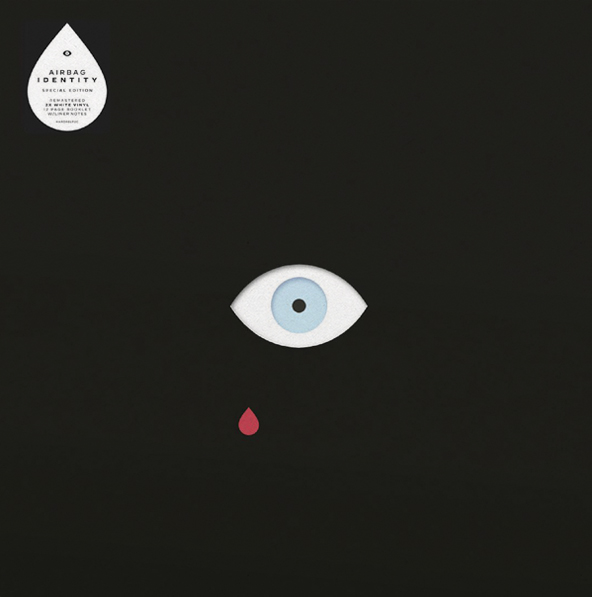
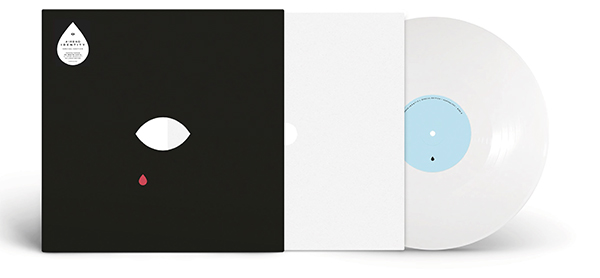
Karisma Records are releasing a remastered version of Oslo band Airbag’s 2009 debut album Identity in June 2021 on CD and in early August on double vinyl.
The original, according to my Last.FM stats, was my most played album in 2009, so I’m obviously a big fan of this album. Identity has been lovingly remastered by Jacob Holm-Lupo (White Willow, The Opium Cartel).
Identity is a wonderful mixture of Pink Floyd influenced, melodic prog with quite wide-ranging pop influences such as later period Talk Talk and at times, hints of modern electronica.
Jacob Holm-Lupo’s remaster is a revelation. Comparing the two versions side by side, the new version is less sharp on the ear, the guitars are not always at the top of the mix and there is space for the electronics to breathe. Ride cymbals shimmer, the bass is deep and cuts through perfectly, and production touches such as effects on vocals and keyboards sit so much better in the mix. The original, which sounded pretty good back in the day, has been polished and cleaned, and is now a sparkling diamond of an album.
The instrumental Prelude sets the scene, with emotional solos from guitarist Bjørn Riis. The album is a definite pop your headphones on, sit back and close your eyes, listening experience. If you give the album your full attention, you will be rewarded.
No Escape is one of the key tracks on Identity. The pace is steady and constant, but the arrangement dips in and out of it’s intensity, with a heady mix of David Gilmour influenced guitar lines and simple but effective vocal arrangements. The ending, with processed drums and an emotional piano refrain, is a joy to listen to.
“Why does it feel like I’ve been here before, please pull me out of this dream.”
Safe Like You has a Massive Attack sounding drum pattern, and infectious keyboard lines that underpin the emotive guitar parts. This is one of the songs that really benefits from Holm-Lupo’s warm, widescreen and colourful remaster.
“My stomach aches when you look at me as if I was fake”
Steal My Soul makes good use of soundscapes and Robert Fripp influenced guitar textures before the more traditional arrangement kicks in. This is the track that is likely to appeal to fans of 70s prog and classic rock.
The remaster of Steal My Soul is another noticeable improvement, and Colours, with its clearer vocal and acoustic guitar mix, sounds like it was recorded yesterday, rather than 12 years ago. How time flies…
The final two tracks – How I Wanna Be & Sounds That I Hear – thrive on the atmospherics, and work as if they are one long piece, rather than two distinct tracks.
Sounds That I Hear is one of my favourite Airbag songs, with delicate organ washes, snatches of distant radio conversations and a powerful classic progressive rock arrangement that sits comfortably (numb) alongside the dark lyrics.
“The memories we had are left behind”
So if you already own this album, should you buy it again? For me, its a genuine sonic improvement, and the best version of one of my favourite albums of the past 20 years, and so yes I will be buying it again, on vinyl rather than CD. My original copy will go to a charity shop to hopefully turn someone else on to the band. Got to spread the prog love, right?
Cherry Red Records are releasing a newly remastered and expanded version of Toyah’s 1980 album The Blue Meaning, the second in a reissue programme of Toyah’s entire Safari Records catalogue. The Blue Meaning will be released on 28 May 2021.
The reissue comes in two formats:
A 2CD+1DVD digipak with a fully illustrated 24-page booklet containing a brand new introductory note from Toyah, plus rare and unseen imagery including album cover outtakes taken at Wykehurst Place. This expanded edition features 27 remastered bonus tracks including single mixes, live tracks, rarities and unheard demos.
I would imagine anyone reading this review will be familiar with The Blue Meaning, so no in-depth review of the main album is needed. The album has been remastered by Nick Watson at Fluid Mastering, and is the best the album has sounded.
The Blue Meaning is often both musically and lyrically darker than its predecessor Sheep Farming In Barnet, and it works well as a complete album, with a real continuity of sound and lyrical themes. Opening with fan favourite Ieya (I bet you are chanting Zion Zooberon Necronomicon in your head now), other key tracks include Ghosts, the addictive Mummies, the percussive Tiger! Tiger!, the obtuse Insects and my personal favourite, the post-punk delights of She, which still sounds great today.
As with the Sheep Farming In Barnet deluxe reissue, The Blue Meaning is overflowing with extras, and pulls together all the key live and out-take recordings from this era. Silence Won’t Do and Jack & Jill hint at the next stage in the band’s career, with the Four from Toyah EP and 1981’s Anthem album. The Merchant & The Nubile was reworked, with fresh lyrics added on top of a more fleshed out production for Four From Toyah‘s War Boys the following year.
Session versions of Sheep Farming In Barnet‘s Danced and Last Goodbye, along with Love Me from The Blue Meaning are included on the first disc. My favourite from these sessions is the version of Danced, with a Mike Oldfield sounding guitar solo.
The shortened single mix of Ieya and its b side, Helium Song (Spaced Walking), the full version of the album track, rounds off CD one in this deluxe edition.
The second disc opens with a trio of tracks recorded at the ICA London, Love Me, Waiting and Ieya. A couple of alternative vocal takes, including a longer version of Blue Meanings and a version of She with less reverb lead into a weirder, acapella version of Spaced Walking. This is crying out for someone to add their own music and give us a 2021 version. Go on, you know you want to!
Three album songs in instrumental form are next, followed by different takes of Silence Won’t Do, Jack & Jill and The Merchant & The Nubile (these are different recording takes and alternate vocals). Its interesting to hear the development of these songs, presented here in their more raw incarnations.
It’s A Mystery (Original Version) is performed by Blood Donor Feat. Toyah Willcox, and would go on to reach #4 in the UK Singles Charts when re-recorded and released in 1981 as the lead song on the Four from Toyah EP. Most of the original parts of the song are intact in this older take. The only time I saw Toyah live was around this time, in February 1981 at The Rainbow, London. I remember enjoying Huang Chung who were also on the bill. Founder member Jack Hues has said that their early album’s will be re-released on CD soon, so something to look forward to. Huang Chung later renamed themselves as Wang Chung, and went on to have huge hits in the UK and the USA in the mid to late 80s.
Back to Toyah, sorry about the slight digression. The rest of disc two is made up of good quality demo recordings, recorded at Pete Townshend’s Eel Pie Studios in late 1980. I prefer the arrangement of the demo version of Angels & Demons, and another highlight is the Banshees meets The Cure instrumental version of Sphinx. Anthem will also be familiar to fans, as this track formed the basis of the top 10 single I Want to Be Free from 1981, although the punky guitars are the stars on this version.
The final disc (not provided for review) contains three brand new features – an interview with Toyah Willcox about the album/period, a track-by-track album commentary plus an exclusive acoustic three-song session of songs from the era, filmed in October 2020. The DVD also includes rare archive BBC TV performances of Mummies and Danced from Friday Night, Saturday Morning (November 1980).
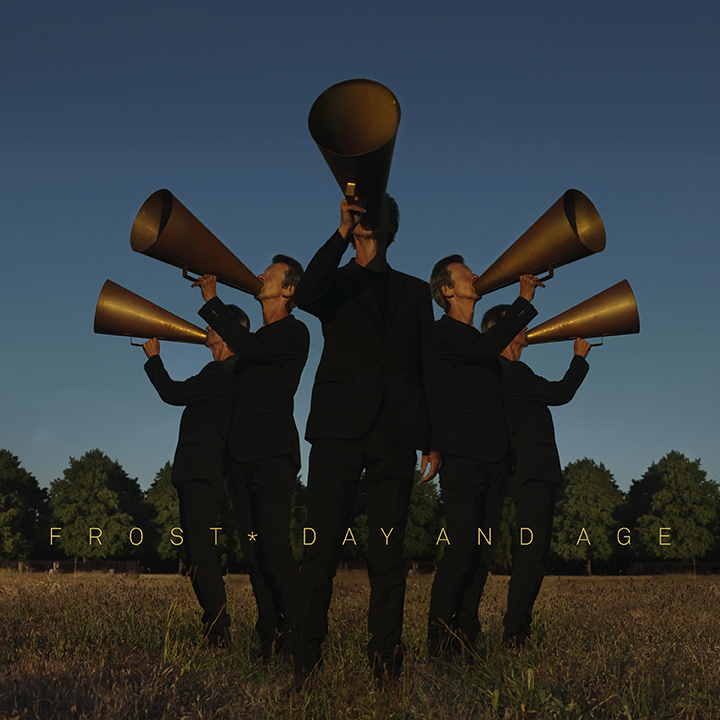
Frost* release their fourth studio album Day And Age on May 14 2021. The follow-up to their 2016 album Falling Satellites, Day And Age is available as a limited 2 CD version and a 2 LP / CD edition, as well as a digital release.
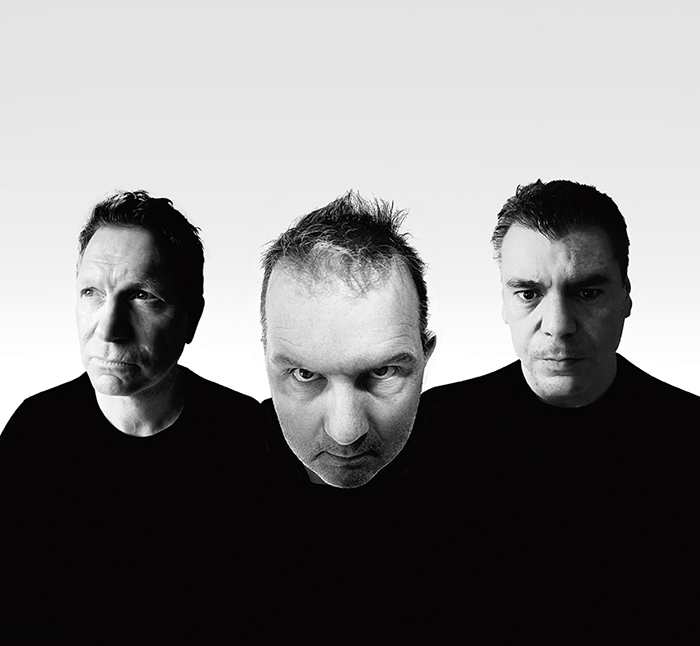
Now built around the trio of Jem Godfrey, Nathan King and John Mitchell with guest drummers Kaz Rodriguez, Darby Todd and Pat Mastelotto, the new Frost* album has a feeling of dread and paranoia running through its veins. Day And Age feels very much of it’s time, without referencing current events directly.
Opening with the title track, which thunders along at pace, almost like a proggier Synchronicity era The Police powered by John Bonham. The middle section, with its chilling soundscapes and metal leanings, is a delight to listen to, especially on headphones.
“We’re living in a day and age, when the writings on the wall”
Terrestrial lifts the mood somewhat, with a brighter production, and glitchy keyboard motifs. The percussion styles vary from song to song on this album, so having three very different players was a good decision that has paid dividends. The arrangement is very intelligent on Terrestrial, with one of the albums most compelling songs underpinned by layers that reveal themselves on subsequent listens.
Waiting For The Lie was one of my early favourites. The piano, electronics and vocal led song is very dark and bleak, with the rhythm initially coming from synths and a deep bass drum until the song opens up around the half-way mark. The vocal performance is stellar.
“These are the games that we play”
I won’t give away too many spoilers for The Boy Who Stood Still, as it is a song that works best with few preconceptions, and you will be able to hear for yourself in May, but the track is musically very playful, suiting the subject matter of the very unique lyrics perfectly.
“In the long shadows of the day, he would stand, year after year, watching….”
The first half is very electronic, before morphing into a powerful, more traditional arrangement with very insistent guitar and keyboard lines, and an ending that reminded me of the percussive power utilised by Level 42 in Hot Water (spot the connection, pop-pickers). After about three complete listens to the album, The Boy Who Stood Still has become my favourite song on the album.
Island Life channels The Police (I hear their influence a lot in Frost*, is it just me?), Kevin Gilbert, the late Alan Murphy and Mansun and will surely be the next single from Day And Age. The song is so catchy, its criminal. With more twists and turns than should be allowed in a a four minute song, Island Life acts as a palate cleanser for the darkness that informs the rest of the album.
Skywards is a perfect example of the thoughtful arrangements and production. Percussion breaks drop when least expected, and time signatures shift without jarring the flow. The drum sound is a star on Day And Age, and this is surely an album built to be played LOUD.
Photo by Carl Glover
The second longest track is next, and Kill The Orchestra opens with a 10cc like arrangement (from the Godley & Creme years). Another brutal lyric and a slow building performance that makes the hairs stand on end.
“I’ll be singing when they string you up”
This is a track that took a couple of listens to fully reveal it’s charms, and I would not be surprised if Kill The Orchestra becomes a favourite for a lot of fans. The heavier parts on Day And Age are more restrained and used more sparingly than elsewhere in the Frost* catalogue, and this makes them all the more powerful when they are put to use. The Gilmouresque guitar line at the end is short but sweet, and I love the way it fades into an emotional keyboard riff that hits hard. The lyrical violence cuts deep on this one.
Day And Age closer Repeat To Fade seems to continue and build on the story of Kill The Orchestra, with an Army Of Me (Björk) on steriods drum pattern added to the mix. Production touches such as layered, buried voices and sonar beeps give way to static as the song comes to an abrupt end, with the chorus still ringing in your ears.
“There’s only one way out, repeat to fade”
More so than previous Frost* albums, Day And Age feels very consistent lyrically and musically, with a well thought-out flow to keep your interest piqued throughout the 54 minutes running time. The album also contains two of the strongest new songs I have heard so far in 2021, in The Boy Who Stood Still and Kill The Orchestra. Its still early days, but this might turn out to be my favourite Frost* album to date. I can’t wait for you to hear it.
Available as: Ltd. 2CD Edition / Gatefold 2LP+CD / Digital Album
Day And Age (11:49) Terrestrial (05:13) Waiting For The Lie (04:31) The Boy Who Stood Still (07:33) Island Life (04:14) Skywards (04:13) Kill The Orchestra (09:27) Repeat To Fade (06:14)
Jem Godfrey – Keyboards, Railboard, vocals Nathan King – Bass, keyboards, vocals John Mitchell – Guitars, bass, vocals With guest musicians: Kaz Rodriguez – Drums Darby Todd – Drums Pat Mastelotto – Drums
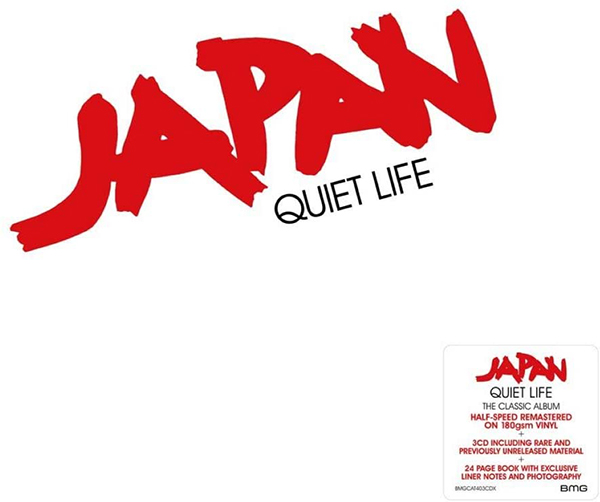
In March 2021 BMG / Warner will reissue Japan‘s Quiet Life album from 1980, in several formats, the highlight of which is the deluxe 1LP/3CD edition. The deluxe edition features a 2020 Abbey Road half-speed remaster of the original album, alt mixes, b-sides, singles, rarities and live material.
The 3CD/1LP version comes in and out of stock on Amazon, so keep an eye on the site. It is available from other retailers, including Burning Shed (link below).
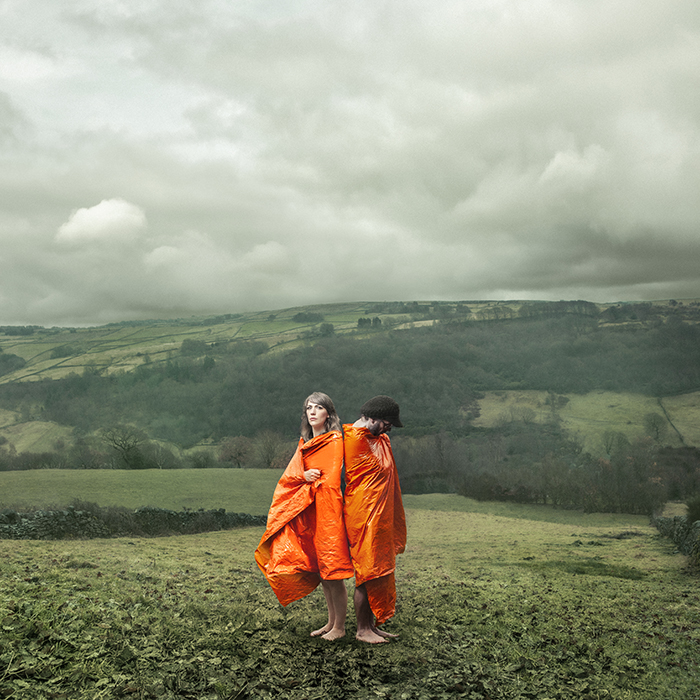
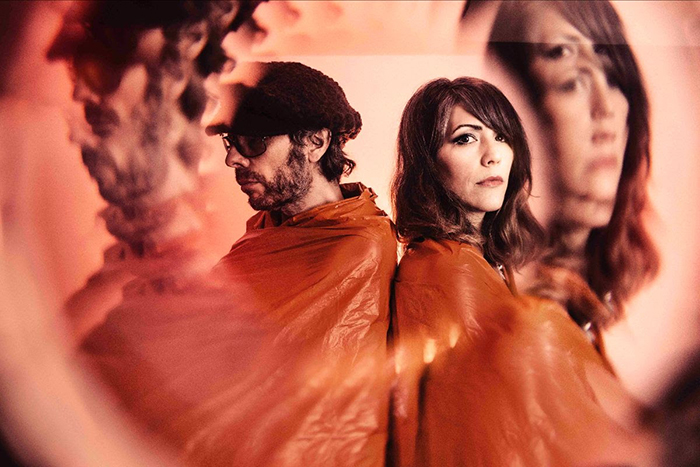
Yorkshire psychedelic duo Cobalt Chapel (Cecilia Fage from Matt Berry & The Maypoles & Jarrod Gosling from I Monster) are releasing their new album Orange Synthetic on 29th Jan 2021.
Orange Synthetic is the second full studio album from the duo, following on from their debut and its companion album, Variants.
“Orange Synthetic is music grounded in the Yorkshire earth: its people, the surrounding nature, landscape, and its mythology, from the distant past to modern life. The story of the Krumlin Festival captures something about this island in its disaster – how you can start out with a dream and end up wrapped in a survival blanket, suffering from exposure, on a cold, wet Pennine hillside. It’s an image which reflects the lost, end-of-days feeling of where we’re at now.” (Cecilia Fage & Jarrod Gosling)
The album opens with In Company, a dark tale inspired by the 80s Neil Jordan gothic fantasy film The Company of Wolves and the story of the writer Angela Carter and her wartime experiences.
Organs fizzle and swirl over a rolling drum pattern and layers of lead and background vocals, setting the scene for the whole album. This is the duo at their most commercial, with a chorus that stays with you long after the song has ended.
The Sequel explores the creative process of writing and connecting with an audience. I could imagine this song being used as an alternative theme tune for Tales of the Unexpected. Vinyl crackles and guitar lines buried deep within the mix see the song out, as Message To rushes in. The pace is increased a little for this song of escape.
“I’ll be your hostage”
I love the psychedelic twists and turns in the arrangement, especially the heavily processed lo-fi loops that weave their way in and out of the stereo field.
A Father’s Lament tells of a family who have lost all their children, as if cursed. The bass and drums drive the song, as it evolves and mutates throughout its fairly short life. This is one of the album’s most engaging performances from vocalist Cecilia Fage.
Our Angel Polygon has a crisp, sharp arrangement and was inspired by RAF Fylingdales on the North Yorkshire Moors, and its tales of listening in to Cold War communications. The chorus of Our Angel Polygon is “We are watching”, which is a translation of the RAF Stations motto “Vigilamus”.
The versions of In Company and Our Angel Polygon on the album are the full takes, not the edits released as digital singles earlier in 2020.
Cry A Spiral is underpinned by a soft bossa nova beat, before giving way to deep bass and frenetic drums. One of the more avant-garde pieces on the album, Cry A Spiral harks back to the sound and style of the first album.
It’s The End, The End is a lively musical bazaar stuffed to the brim with discordant, acid keyboard washes and choral vocals. As soon as you get comfortable with the arrangement, it shape-shifts into something even more obtuse, and is a fitting accompaniment to the apocalyptic lyrical content.
Jarrod’s vintage keyboards take centre stage on Pretty Mire, Be My Friend with its extended instrumental section that propel the song to its delightful finish, as guitar and keyboards get caught in a duel to the death.
The twisted folklore that ran through the veins of the debut album from Cobalt Chapel returns on E.B. Another fine vocal performance from Cecilia Fage, that propels you down a time tunnel to a long-lost era. This is pure escapism, and highlights the power of good music to take you away from your stresses and worries, and transport you to another world, even if its just for 40 minutes or so. And how we need that, in this of all years.
The album ends with its title track, the longest piece on the album, and an early favourite for me. Telling the story of an infamous music festival from 1970, that was left in ruins due to the extreme Pennine weather.
“How does it feel, disappointment”
The powerful insistent drums and infectious (sorry to be so 2020) guitar lines jostle for your attention with keyboard riffs that build and give a feeling of stormy weather wreaking havoc upon those caught in the open, with no shelter within reach.
Orange Synthetic is an altogether more consistent release than Cobalt Chapel’s debut, and holds together so well as a complete album. The psychedelia that runs through the duo’s music remains, but with an increased emphasis on melodies that seep into your heart.
If you ever find yourself lost on the North York Moors, Orange Synthetic will be your company until your rescue surely arrives. Just save some battery life to call for help.
In Company The Sequel Message To A Father’s Lament Our Angel Polygon Cry A Spiral It’s The End, The End Pretty Mire, Be My Friend E.B. Orange Synthetic
Words and Music by Cecilia Fage & Jarrod Gosling. Cecilia Fage: Vocals, choral arrangements, recorders, clarinets. Jarrod Gosling: Organs, Mellotron, electric pianos, tone generator, effects, drums, percussion, guitars, bass, tape loops, glockenspiel, flute. Nick Gosling: Guitars
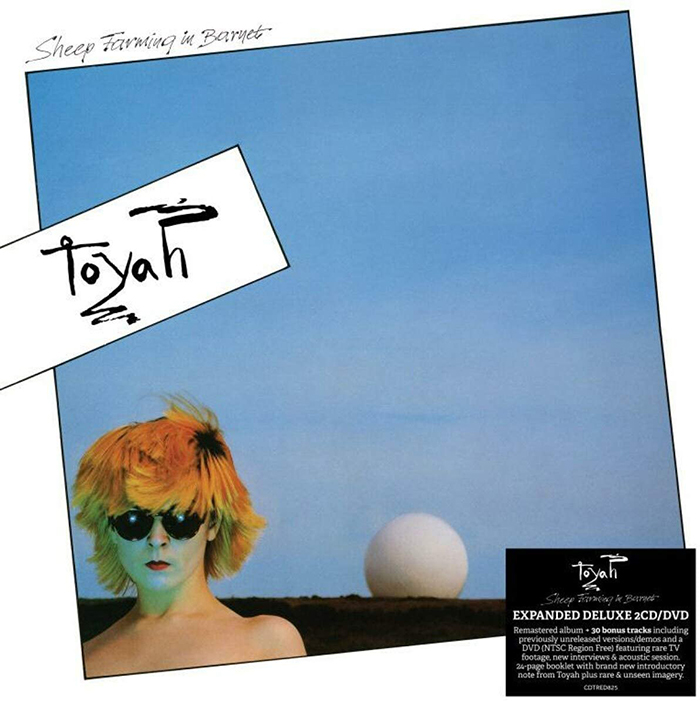
Cherry Red Records are releasing a remastered and expanded deluxe version of Toyah’s debut album Sheep Farming In Barnet as the first release of a reissue programme of Toyah’s entire Safari Records catalogue. The 2CD/1DVD set is released on 4 December 2020, with a limited edition white vinyl version of the main album also released on the same day.
The main album has been given a quality remaster by Nick Watson. Key tracks such as Neon Womb, Victims Of The Riddle, Danced and Race Through Space sound crisper and clearer than the previous CD release, and if you are a fan of this album, you will love this 2020 remaster.
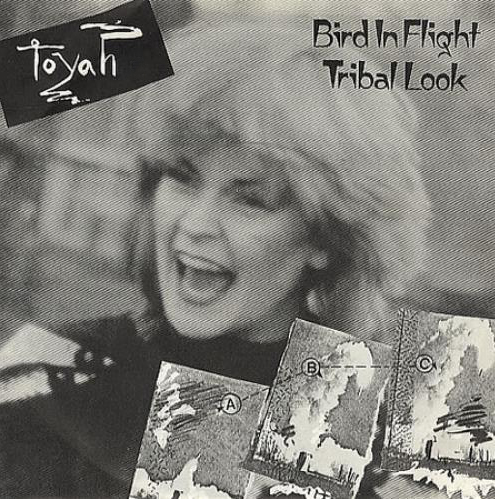
The album is expanded with the single tracks Bird In Flight & Tribal Look, plus rare / unreleased recordings, the highlights of which are the almost hard-rock Gaoler, an early version of The Blue Meaning‘s Love Me and four tracks from the BBC drama Shoestring – live in the studio recordings of Our Movie, Waiting, Neon Womb and an electrifying version of Danced.
The second disc is dedicated to rare and archive material, including many early demos. Whilst the demos are not of the same high quality as the main album, they give a unique insight into the band’s development. Close Encounters (Demo) would later become Danced and some of Watch Me Sane‘s lyrics ended up on Waiting.
My favourite track from the demos is Problem Child, featuring an expansive arrangement, veering from the pop / new-wave sound of the time to a lovely almost progressive outro.
The alternative mixes include a version of Neon Womb with no saxophone (I’m so used to the sax version, this take jars a little for me), and a less produced, more live sounding alt mix of Our Movie.
My favourite alt version on this disc is Waiting (Alternate Vocal Mix), I’ve always loved the bubbling synth lines underpinning the deep bass line on this track, and Waiting also has one of my favourite Toyah vocals. This alt mix goes on a little longer than the album version, with no fade out.
The final disc is a DVD featuring two 2020 interviews with Toyah Willcox (The Story Behind The Album and Track-By-Track Album Commentary), a 1979 What’s On interview plus TV appearances from 1979 and 1980 (including The Old Grey Whistle Test) and a 2020 acoustic Session featuring performances of Neon Womb, Computer & Bird In Flight featuring Toyah Willcox (vocals) & Nigel Clark (guitar). Note: the DVD’s visual content & the remastered vinyl was not provided for this review.
The sleeve notes for the 2 CD/ 1 DVD version feature a scene-setting intro from Toyah Willcox and August 2020 notes from Craig Astley with input from former band-member & co-writer/guitarist Joel Bogen, along with lots of band pictures from the era making this the definitive version of Sheep Farming In Barnet.
Lunatic Soul release their new album Through Shaded Woods on KScope on 13 November 2020, on single CD, limited double CD and vinyl.
Lunatic Soul is the solo studio project of vocalist and multi-instrumentalist Mariusz Duda (Riverside). Album number seven Through Shaded Woods explores the darkness of Slavic and Scandinavian folk.
Previous Lunatic Soul albums have been very electronic affairs. Through Shaded Woods is a virtually electronic free zone, with more acoustic and electric guitars than previous releases and for the first time, Duda plays all the instruments.
Through Shaded Woods opens with the hypnotising and trancelike Navvie, an upbeat and rousing call to arms that conjures up “the souls of the dead” and along with several tracks on the album, signals a feeling of rebirth and positivity. Not a bad feeling in these strange times we are currently living through.
The second longest track on the album, The Passage, is one of the most rewarding tracks as you journey Through Shaded Woods. This is the darkest Duda gets on the album, with a piece that starts off relatively bright and sparse, working towards the razor-sharp dark metal riffs that propel the powerful middle section.
“I’m thinking out loud passing former gods turned into trees am I in the real life or am I in the realm of make-believe”
The riffs fall away quickly but the tempo remains high on one of the strongest tracks on the album.
The title track twists and turns, with light percussion underneath the trademark Lunatic Soul harmonies and a feeling of paranoia, amplified by the heavily processed lead vocal. Lycanthropy lingers in the dark forests of Duda’s lyric.
“eyes on every corner shining in the dark”
As we hit the half-way mark, the mood of Through Shaded Woods lifts. Oblivion has a wonderful drum and guitar interplay, as melodies sneak in and out of the intriguing rhythm arrangement. Where previously synths would have laid the textures, on this album the same effect is offered by vocal layers.
Summoning Dance is the longest track, and as throughout the whole album, it offers up its secrets over repeated plays. The guitars give the main rhythmic thrust, underpinned by a simple kick pulse. I dare you to keep still whilst listening to Summoning Dance. The music hints at a simpler, more pagan and earth-connected time, and works so much better if you give your full attention and immerse yourself in the performance.
“so why do I feel like I already failed”
Photo: Tomasz Pulsakowski
The Fountain features one of my favourite Mariusz Duda vocal performances. There is a real lightness of touch, and a lovely slightly rasping timbre that suits the aching melancholy of the song perfectly.
“stream of sounds wash away the darkness from my soul”
Through Shaded Woods stands alone in the Lunatic Soul catalogue. It works so well as a complete body of work, as it flows with more consistency than previous albums. It has quickly seeped into my soul and is one of my favourite albums of 2020.
Navvie [04:03] The Passage [08:57] Through Shaded Woods [05:51] Oblivion [05:03] Summoning Dance [09:52] The Fountain [06:04]
Bonus tracks contained on disc 2 of the Limited Edition CD:
Vyraj [05:32] Hylophobia [03:20] Transition II [27:45]