no-man – love you to bits album review

4 10 2019

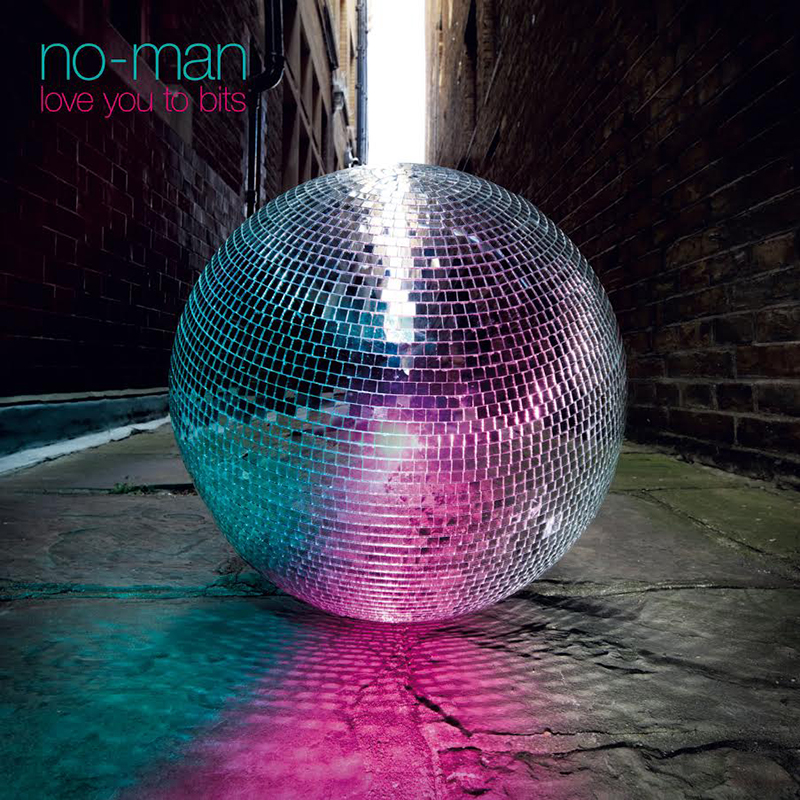
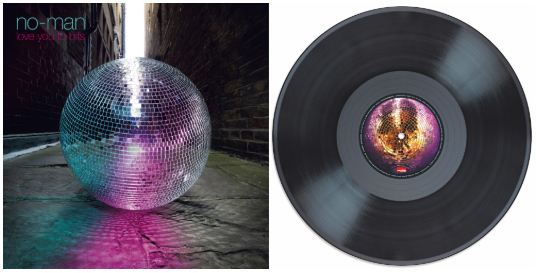
no-man have released love you to bits, the duo’s first studio album for eleven years. The album is made up of two connected five-part pieces (love you to bits and love you to pieces).

The album marks a return to the more beat-driven electronica of Loveblows & Lovecries – A Confession and parts of Flowermouth, but with a tempo consistency missing from previous albums.

On first hearing the finished album, I was surprised by the sense of urgency, and how some of the performances are quite visceral. I heard echoes of Trent Reznor / nine inch nails and at times, Outside era David Bowie, before the songs took on a real identity of their own.

The album should not be surprising to long-time fans of no-man – my CD single of Only Baby sits close to Donna Summers Once Upon A Time double-album in my CD rack, occasionally throwing coquettish glances in its direction. So whilst love you to bits feels influenced by the urgent sequenced riffs of the “father of Disco” Giorgio Moroder, Bowness and Wilson have developed so much as writers and musicians since the early days, and this is clearly evident as there is so much more to this album than high-energy electronics.

There are two remarkable performances that leap out of the speakers from guest players. On love you to bits guitarist David Kollar delivers a white-hot manic solo that is one of the highlights of the album, and on love you to pieces Steven Wilson band member Adam Holzman serves up a fusion electric piano solo that is dripping with passion (and a fair amount of reverb).

Other guests include Ash Soan (The Producers / Trevor Horn / Downes Braide Association), who adds powerful live drums on top of the drum machines, giving a real push to sections of the album, plus some damn funky synth basslines from Norwich’s finest low notes rumbler (and half of Burning Shed) Pete Morgan, plus a surprising but emotive appearance from The Dave Desmond Brass Quintet (Big Big Train).

The first track (or suite), love you to bits, is driven by deep synth lines and Bowness’s sardonic lyrics surveying the shattered wreck of a relationship. As the live drums kick in, Wilson’s guitar processing harks back to the sound of early no-man, and at times the music draws from the mood of Only Baby and Bleed.

love you to bits contains one of no-man’s finest choruses, and even with the aforementioned I Feel Love / Moroder / Belotte influences, the album feels very current, and will surely appeal to fans of most forms of electronic / electronic dance music.

“I love you, like I don’t love you at all”

Just before the 6 minute mark, one of my favourite moments kicks in. Featuring a short guitar and bass interplay that is pure Platinum era Mike Oldfield, the section breaks down to an Underworld / Born Slippy motif that leads to a vocal and instrumental refrain that sums up the beauty of no-man, with a subtle nod to lighthouse (my favourite no-man song). The music then picks up, with wild Bowness vocals and beautiful lead guitar lines from the boy Wilson. I will let you discover the unexpected ending to love you to bits yourself, which sees out the first five part piece.

love you to pieces is a darker, more twisted cousin of the first half of the album.

“our sticky love just left me weak”

Opening with a dub-like, slow it all down continuation of the theme, the song takes a detour and again draws on the DNA of no-man’s past.

“There’s no need to look for answers
To the questions never asked
There’s no need to make a shelter
from your versions of our past”

A heavily vocodered, processed vocal breakdown leads to the aforementioned Adam Holzman solo section and I’m reminded a little of some of the instrumentation of Bird Shadows, Wolf & Moon, an earlier mostly vocal-less piece credited to no-man on the Drop 6 compilation.

As the synths sparkle like diamonds on the mid-section, and as the pace drops, I love the production touches on Tim’s vocals – reminding me of the tape decay of The Disintegration Loops and The Caretaker. It’s the most moving part of the whole album, and is like having pure, unadulterated no-man shot through your veins. I have no doubt that long-time no-man fans will be deeply moved by the mid to end section of love you to pieces.

The decay and melancholy of the end section reminds me a little of the darker parts of 10cc and Godley & Creme, feeling like a Mogadon infused I’m Not In Love, as the melody is scraped away to reveal the bare bones of the piece.

love you to bits is a world away from the most recent no-man albums, but even if you are not usually a fan of the more electronic side of the band, I think there is plenty here to savour. The album touches on the band’s earlier sound palette, but is so unlike anything else in no-man’s catalogue.

Although often jokingly teased as the band’s “disco epic” when mentioned in interviews, love you to bits is in fact one of the most progressive albums released under the no-man name. Not as a genre, but progressive as evidence of no-man changing, evolving and progressing onto something new.

I hope the album is heard outside of the Bowness / Wilson audience, as it will surely appeal to anyone with a love of electronic music. Prepare to be surprised and you will not be disappointed.

Buy the album

Buy love you to bits (CD / Vinyl / packages) from Burning Shed

undefined
Buy love you to bits on CD from Amazon

undefined
Buy love you to bits on vinyl from Amazon

Stream the album (and then buy it!)

love you to bits details

love you to bits (Bits 1-5) (17.03)
love you to pieces (Pieces 1-5) (18.54)

Tim Bowness – Vocals
Steven Wilson – Instruments

Ash Soan – Drums
The Dave Desmond Brass Quintet – Brass on love you to bits
Adam Holzman – Electric Piano solo on love you to pieces
David Kollar – Electric Guitar solo on love you to bits
Pete Morgan – Synth bass on love you to bits

produced and written by no-man
mixed by Bruno Ellingham
mastered by Matt Colton


Tim Bowness – Flowers At The Scene

13 02 2019

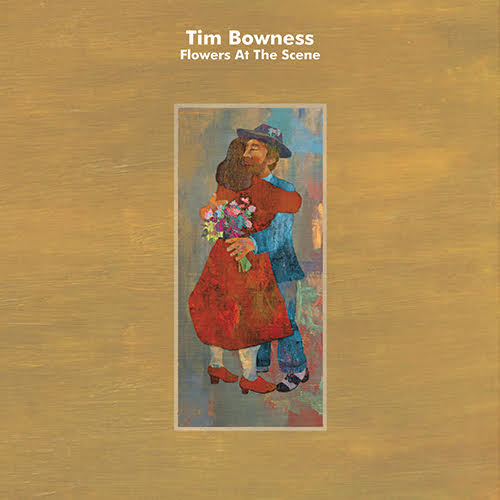
Tim Bowness’ fifth solo album Flowers At The Scene is released on InsideOutMusic/Sony on the 1st March 2019. Described as being “produced by no-man and Brian Hulse”, there is definitely the spirit of no-man in the DNA of some of the songs, whilst there is also a feeling of renewal with the wide-ranging guests and new musicians, who have breathed new life into this run of solo albums.

Flowers At The Scene has its own very clear musical identity and a cohesive sound, but still with plenty of variety in tones and mood. Album opener I Go Deeper features powerful (treated) drums from Bowness newbie Tom Atherton, and a great Mick Karn-like bassline from Colin Edwin. The edgy kitchen-sink drama lyrics perfectly suit the musical ebb and flow of the track.

“Wild, desperate kisses, fire escapes, near misses.”

The Train That Pulled Away feels somewhat like a distant relation of Kate Bush’s Cloudbusting, before exploding into a more powerful outro section (drummer Tom Atherton is a real find by the way).

Rainmark is the first track that really channels the spirit of no-man, dressed to impress, wearing a lovely Flowermouth outfit. One of several tracks to feature the trumpet playing of Ian Dixon and also home to a fine guitar solo from Jim Matheos (Fates Warning / OSI / contributor to Memories of Machines).

Not Married Anymore is the first song to feature Dylan Howe, and probably the albums saddest track. Which of course, makes it one of my favourites. Building on the recent Plenty album (and featuring Brian Hulse and David K Jones from the band), Not Married Anymore is simple, uncluttered but devastatingly melancholic. An early album highlight.

The title track dials in further sadness and regret, over a mesmerising drum and double bass pattern (the bass reminds me of Danny Thompson). A tale of visible signs of a painful loss (we have all seen wilting flowers at the scene of someones passing), Flowers At The Scene is achingly beautiful.

It’s The World is a musical oddity on the album. Metal guitar (along with Comsat Angel-like harmonics) from Jim Matheos, plus guitar and backing vocals from Peter Hammill and a synth coda from Steven Wilson, leads to the most startling / jarring piece on the album. It is uneasy listening.

Things calm down a little with Borderline, which features a vocal (and flute plus melodica) appearance from Big Big Train’s David Longdon. The organ and interplay between the flute and trumpet lift this song to a higher plane, and over the past few months this song has become one of my favourites from the album.

“Friends keeping tabs – You just say that you’re fine,
They’re watching you slip, across the fragile borderline.”

Ghostlike features instrumentation and a mix of styles that on paper simply should not work. A post-punk, seemingly (Banshees) Budgie inspired drum pattern underpins a Drive / LA synth soundtrack, topped off with some wonderful guitar tones. The haunting mood is deepened by the voyeuristic lyrics, heavily treated lead and backing vocal lines and frenzied guitar. If you were a fan of Thomas Dolby’s The Flat Earth album from the mid 80s (particularly Screen Kiss), you will love Ghostlike.

The War On Me strips the arrangement back to the electronic textures, whilst channelling no-man’s My Revenge on Seattle and Heaven’s Break for good measure. The War On Me is my favourite Bowness vocal performance on the album. Like Tony Visconti with David Bowie, Steven Wilson knows how to add that extra sheen to the production of Tim’s vocals.

The most uplifting song on the album is Killing To Survive, with its inventive, constantly evolving vocal arrangements, and it’s Plenty on steriods musical palette.

The album ends on one of its strongest pieces, and what I consider to be a Bowness career highlight with What Lies Here. With Returning Jesus recalling treated electronics, What Lies Here features Andy Partridge (XTC) delivering an emotive guitar line and Kevin Godley (10CC / Godley & Creme) supplying a rare guest vocal. With both guests shimmering in and out of the mix, it is an inspired collaboration.

Godley’s vocals are sadly missing from the current musical landscape. I personally think that the first four Godley & Creme albums are some of the most interesting and influential releases of the late 70s, early 80s, and its great to hear his voice again. The abrupt end to What Lies Here catches me out every time.

“You, you’ll never make your way back home”

Flowers At The Scene is perfectly sequenced, and whilst it is not as obviously musically framed as Lost In The Ghost Light, the variety of moods and stylistic twists and turns makes this the most satisfying solo release to date from Tim. Lost In The Ghost Light also only really worked as a complete listening experience for me (which suited the theme), whereas a lot of the songs on Flowers At The Scene stand up in isolation.

Tracklisting
I Go Deeper (4.16)
The Train That Pulled Away (4.04)
Rainmark (4.15)
Not Married Anymore (3.31)
Flowers At The Scene (3.05)
It’s The World (3.04)
Borderline (3.46)
Ghostlike (5.09)
The War On Me (3.48)
Killing To Survive (4.00)
What Lies Here (4.01)

produced by no-man and Brian Hulse
mixed by Steven Wilson, mastered by Steve Kitch
no-man is Tim Bowness and Steven Wilson

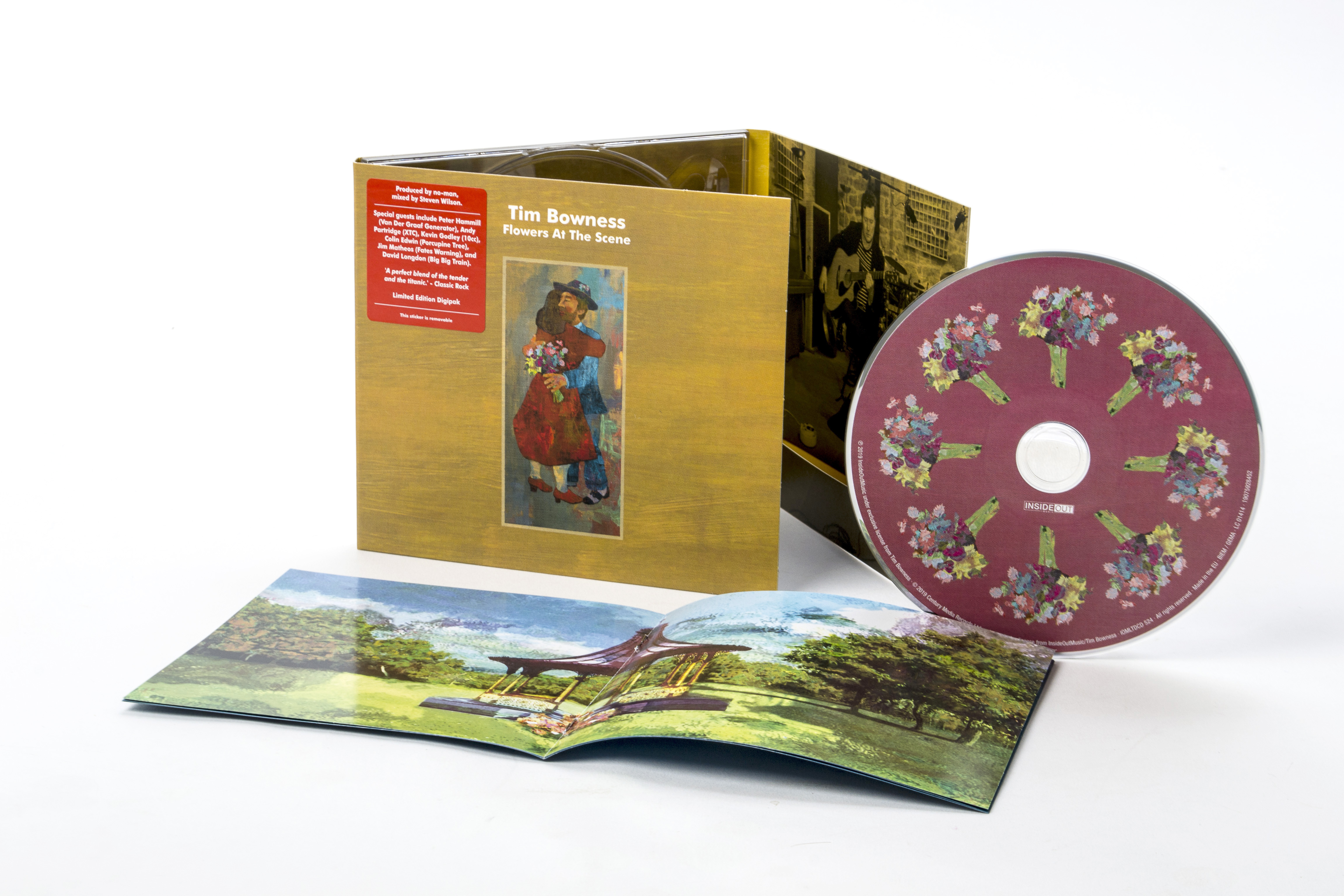
Flowers At The Scene is available as a CD in deluxe digipak, 180g black vinyl in gatefold cover with insert and CD, and a Burning Shed only 180g red vinyl edition in gatefold cover with insert and CD. All pre-orders from Burning Shed come with an exclusive signed greeting card and an mp3 EP of alternate versions.

Pre-order (CD / vinyl) from Burning Shed
Pre-order the CD from Amazon
Pre-order the vinyl from Amazon


Alternative Jewels (say hello to the modern)

4 03 2018

Alternative Jewels (say hello to the modern) is the second in a series of blog posts attached to Spotify playlists I will be putting together, alongside my regular reviews of new releases. Alternative Jewels (say hello to the modern) is the first of two playlists of some of my favourite alternative songs.

I hope my playlists will shine the light on artists that you might not be familiar with, and maybe remind you of some acts that have slipped off your radar. I would love to read your comments about the tracks I have chosen – please feel free to follow my playlists and share them.

I hope you enjoy listening to Alternative Jewels (say hello to the modern).

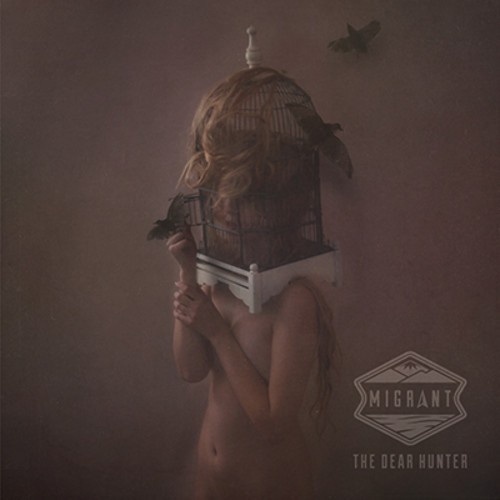
Opening up the playlist are The Dear Hunter, with one of my favourite tracks from their Migrant album. Bring You Down is one of the band’s most accessible songs, and a great live track. That chorus!

migrant

The Dear Hunter now count one of my favourite singer-songwriters, Gavin Castleton, as one of their members, so I am even more keen to see them live again whenever they next head back to London. I also recommend The Color Spectrum and any of the Act albums, especially Act III: Life and Death.

Crowd Surf Off A Cliff by Emily Haines & The Soft Skeleton is one of the most simple yet haunting songs of recent years. The key track on the Knives Don’t Have Your Back album never fails to move me.

Next up in my playlist is the more Fleetwood Mac than Fleetwood Mac pop/rock of Dreamworld by Rilo Kiley, taken from the Under The Blacklight album. I’m probably straying a little from the alternative music genre here, but its such a good song.

My most played track from St. Vincent is the short but achingly beautiful piano instrumental We Put A Pearl In The Ground from the Marry Me album. Cherokee by Cat Power, from her Sun album, is so evocative. Close your eyes and you can feel the blistering desert sun on your skin.

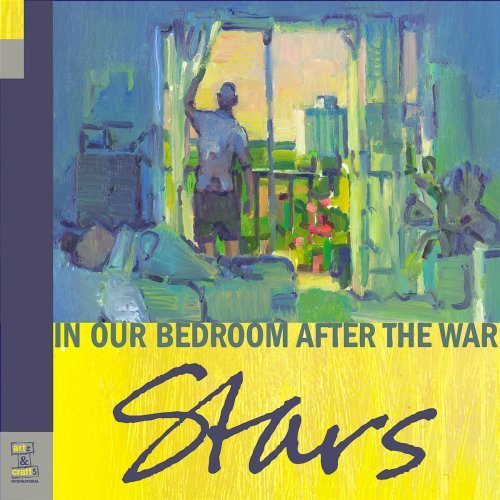
starsIn Our Bedroom After The War is my favourite Stars album (closely followed by Heart). Personal is a tale of dating ads and rejection, and one of Stars most heartbreaking songs. You and I Are A Gang Of Losers by The Dears is a great single, with an amazing chorus and powerful lyrics. The Gang of Losers album is the perfect starting point if you are new to the band.

Hello? Is This Thing On? by !!! or Chk Chk Chk as they are often known, is the song that first introduced me to this wonderful NYC based dance-punk band. I get real Sandanista mid-period The Clash vibes from this track. The paranoia is off the scale here, and you will not be able to keep still whilst listening to this song. Dance suckers!

open heart zooI had to include Danish prog-poppers Mew in this playlist. You can’t go wrong with any of Mews albums, but a good start would be No More Stories… from which Silas the Magic Car springs forth. The first UK artist on this playlist is Martin Grech, who has gone a little too quiet over the past few years. There have been rumblings of new material recently, so hopefully new music is not too far away. Tonight is one of my favourite songs from the Open Heart Zoo album. A lovely, beautifully paced arrangement and production.

Stay Tuned from Anja Garbarek’s Smiling & Waving features Richard Barbieri on atmospheric synths and co-production from Steven Wilson. An evolving, often stark production gives way to a delicious, Portishead like chorus.

I am a newcomer to the music of Destroyer, and whilst Poison Season and Kaputt are my favourite albums so far, Shooting Rockets (From The Desk of Night’s Ape) from Trouble In Dreams is one of their finest songs and so an obvious choice for my playlist. A bold, often discordant arrangement pays dividends after several listens.

midlakeShearwater are really an albums band, so it was hard to pick one track, but just for the vocal effects on the songs end section alone, I had to pick Leviathan, Bound from Rook. I fell in love with Midlake around the same time as Shearwater, and The Trials of Van Occupanther is such a  thoughtfully constructed album. Head Home could easily have been released in the early to mid-70s and the song surely would have been a staple of FM radio in that era.

Another stripped back song is up next, with Joseph Arthur’s A Smile That Explodes from Our Shadows Will Remain. This is the Joseph Arthur that I prefer – an intimate, natural performance from a great singer-songwriter.

Field Music cross so many genres. Whilst they clearly fit into the alternative genre, I hear shades of 10CC and other 70s acts in their adventurous arrangements. I recommend the short and sharp Plumb and their latest, Open HereThe Sexual Loneliness of Jesus Christ by the late Jackie Leven is the oldest track on this playlist. Leven was a Scottish songwriter who fronted the late 70s band Doll By Doll, and this song is a late career highlight.

lunatic-soul-IIThe final two tracks are worlds apart. I Need My Girl is taken from Trouble Will Find Me by The National, a band who I feel are making the best music of their career at the moment. Gravestone Hill is from Lunatic Soul II. Lunatic Soul is the progressive / electronic project from Riverside vocalist and bass guitarist Mariusz Duda. Lunatic Soul have gained a sizeable following and will shortly be releasing their sixth album. All of the albums are worth seeking out – but especially the two most recent albums – Walking On A Flashlight Beam and Fractured.
I hope you enjoyed listening to all of the songs, and maybe you’ve discovered some music you were not aware of. Feel free to leave a comment below and please share this blog / playlist. The next playlist will be the second Alternative Jewels – one of older songs – expect post-punk a-plenty.


no-man – Returning Jesus (2017 remaster / deluxe edition)

7 11 2017

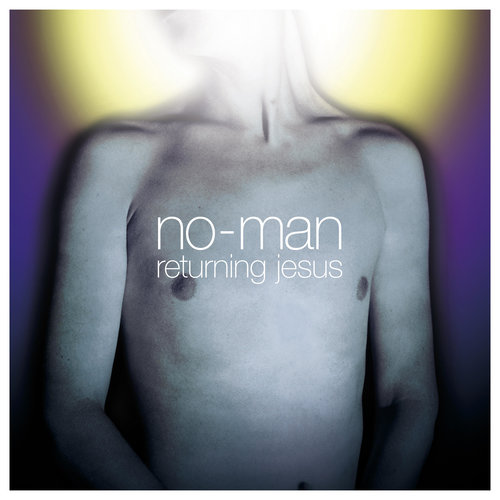
returning_jesus 500Originally released in February 2001, Returning Jesus received highly positive reviews in Mojo, Uncut, Billboard, Classic Rock and other publications at the time of its release and has continued to be seen by both critics and fans as one of the best albums produced by the duo of Tim Bowness and Steven Wilson.
The November 2017 KScope reissue features a 2017 Steven Wilson remaster, and sleeve notes from Tim Bowness.

Only Rain is one of no-man’s most minimalist pieces. A seemingly Arvo Part inspired string intro slowly builds and comes to life with a beautiful Ian Carr trumpet refrain. The first noticeable upgrade with this 2017 remaster is the double bass from Colin Edwin, you can really feel the strings, as if you are in the room with the band. If you have seen no-man live on one of their rare live performances over the past few years, Only Rain is one of the highlights.

Returning Jesus was the beginning of a drift away from more electronic recordings of the bands previous albums. No Defence, along with album closer All That You Are, have a feel of classic 50s or early 60s standards. Smoky trumpet and slide guitar adorn No Defence, one of the most wry songs on the album.

“Love it all. No Disgrace.”

Close Your Eyes, rescued from the earlier song Desert Heart, and expanded from the Carolina Skeletons EP, builds into one of the albums highlights, with some fine Steve Jansen percussion and a memorable Wilson guitar solo. The arrangement, especially the end section, is stunning. Close Your Eyes was a highlight on the 2012 no-man tour. If anyone has a recording of the song from that tour, please get in touch!

no-man yellow

The next couple of tracks are two of no-mans finest ballads. Carolina Skeletons is one of the most underrated no-man songs. If it doesn’t melt your heart, you need to visit a doctor. The production on Caroline Skeletons is top notch. Processed sounds mix with cleaner instrumentation, topped by Tim’s vocals (Wilson certainly knows how to mix his partner in crime perfectly).

Outside the Machine builds from a delicious Steve Jansen groove, whilst piano and fretless bass underpin one of Bowness’s best vocals. Its croon-central! The subtle vocal processing and backing vocal arrangement is a masterclass of how to convey emotion in a simple, direct way. The electronics and textures of the end section remind me a little of the David Bowie Outside album.

“You’re all lit up like catherine wheels. You’re all lit up, but you’re not real.”

Outside the Machine is a beautiful track, as is the title track to the album. One of the most discordant, unconventional tracks the band have recorded, Returning Jesus is also one of the most moving. A temporary return to electronica, the gamelan loop is inspired and when the layered strings, bass and guitar lines sweep into the song, there is a real magical feeling. As Returning Jesus progresses, a heavenly synth sequence ushers in the pleading Bowness “I don’t want to stay a million miles away” line.

I remember reading an interview with New Order’s Bernard Sumner, who described waking up to Winter in July by Bomb The Bass, and thinking he had gone to heaven. I get the same feeling whenever I hear the Returning Jesus title track – it simply has 3 or 4 moments where the song sends me to another place.

noman greenAfter the albums only instrumental, Slow It All Down, we come to another album, and indeed career, highlight from no-man. Lighthouse is my favourite no-man song, but strangely, not this version!

The studio version is the nearest to progressive rock no-man have released and appears to be a lot of fans favourite track on the album. Jansen’s drumming is out of this world, but for me the definitive version is the Lighthouse (First Demo) that appears on the second disc of this re-issue. I admit that the drum machine is no match for the album versions live drums, but the demo version sums up everything I love about no-man. And from 3 minutes 56, a much expanded (from the later version) mostly instrumental section, with an angular guitar line duelling with slowly building piano arpeggios, is one of my favourite pieces of music from any band, in any era. Every time I hear it, it sends shivers.

Back to the main album, All That You Are with its shuffling drums and rock ‘n roll ballad feel, is a fine end to the album.

Second disc highlights

The second disc (on the CD version) has a fine selection of EP tracks, demos and alternate versions from the Returning Jesus era. Something Falls is a return to the mostly beatless Speak era sound. Sometimes the most simple, stripped back arrangements can be as effective as a full-on mix, and that is certainly the case here.

I love the production on Until Tomorrow – banjo to one side, vocals to the other, a trick used in a lot of 60s recordings. It helps you concentrate on the individual performances with enhanced clarity. Chelsea Cap is one of the finest long-lost no-man tracks, with a great drum track, some wonderful organ and a chorus to die for. It could have easily made it to the main album.

Song About The Heart is an early version of the theme that became Lighthouse. Of the two versions of Darkroom on the second disc, I prefer the more twisted, almost Wild Opera-like alternate version.

Like A Child is a further exploration of the Close Your Eyes percussion with a Bowness vocal sample from the end of the same song. Slow It All Down (Long Version) is an interesting, very different version – more electronic than its disc one counterpart.

Another highlight of the second disc is All That You Are (Demo), with a similar arrangement, but feeling less nostalgic due to the more forceful drum pattern and synth strings. Its interesting how much of the arrangement was already decided in this demo version.

This is by far the best version of Returning Jesus. The 2017 Steven Wilson remaster delivers the definitive version of this classic no-man album.

Deluxe CD

Amazon
Burning Shed

CD 1 – Returning Jesus (2001):

1. Only Rain (7:24)
2. No Defence (5:20)
3. Close Your Eyes (8:25)
4. Carolina Skeletons (5:08)
5. Outside The Machine (5:46)
6. Returning Jesus (5:19)
7. Slow It All Down (3:42)
8. Lighthouse (8:12)
9. All That You Are (4:44)

CD 2 – EP Tracks/Demos/Alternate Versions (1994-2003)

1. Something Falls (3.34)
2. Close Your Eyes – 1998 EP version (7.47)
3. Carolina Reprise (3.00)
4. Until Tomorrow – Hi-Fi (2.59)
5. Chelsea Cap (5.25)
6. Darkroom (3.52)
7. Until Tomorrow – Lo-Fi (3.15)
8. Song About The Heart (2.48)
9. Lighthouse – First Demo (10.27)
10. Darkroom – Alternate Version (5.35)
11. Like A Child (4.10)
12. Chelsea Cap – Alternate Version (6.50)
13. Lighthouse – Second Demo (8.58)
14. Slow It All Down – Long Version (5.13)
15. All That You Are – Demo (4.36)

Vinyl: double 180g LP

Amazon
Burning Shed

side 1
1. only rain (7.24)
2. no defence (5.20)
3. close your eyes (8.25)

side 2
1. carolina skeletons (5.08)
2. outside the machine (5.46)
3. returning jesus (5.19)

side 3
1. slow it all down (3.42)
2. lighthouse (8.12)
3. all that you are (4.44)

side 4 – ep tracks:
1. something falls (3.34)
2. chelsea cap (5.25)
3. until tomorrow – hi-fi (2.59)
4. darkroom (3.52)
5. carolina reprise (3.00)


Steven Wilson – To The Bone

22 08 2017

Cover by Lasse HoileTo The Bone is Steven Wilson’s fifth solo album, and was released on 19th August 2017.

Over the past few months Steven has released a handful of To The Bone‘s tracks as the modern equivalent of singles, to stream on your platform of choice. A lot of the interviews and PR have talked up the ‘pop’ aspect of the album, whilst the SW / prog forums have seen many a fan having a hissy fit about the direction the music has taken – especially with the ELO / ABBA leanings of Permanating.

As with all good albums, hearing tracks in isolation away from the whole album listening experience does not always tell the whole story (please excuse the Kate Bush pun).

To The Bone is essentially a rock / pop album,  inspired by the music of Tears For Fears, Talk Talk, Peter Gabriel, Songs of Faith and Devotion era Depeche Mode and Kate Bush. So not pop in the modern day sense, but one of pops golden eras, when songs were often experimental, bold and bright.

Another key influence to me is the variety of the music that filled the charts in the late 70s and early 80s. The charts would be populated by artists as diverse as the prog-punk of The Stranglers, next to the electronic pop of The Buggles, alongside the metal of Rainbow’s Since You’ve Been Gone or the AOR of Sailing from Christopher Cross. This mixture of very accessible music drawing from varied genres seems to have seeped into this album. The music still contains the Wilson DNA that has run through his work from no-man through to Lightbulb Sun and up to Hand. Cannot. Erase, so it’s not a total reinvention, more a re-focussing using a slightly more colourful musical palette.

One of the most enjoyable aspects of the album to me is that SW performs so much more of the music (especially guitar) than on recent albums. The other big plus is the bluray 5.1 mix, which has to be heard to be believed. The bluray comes with the (now soldout) deluxe edition, and can also be bought as a standalone disc.

Photo by Lasse Hoile

The title track opens the album, and contains the first performance from one of the albums key contributors, Mark Feltham. I presume SW knows Mark’s playing from The The and Talk Talk whereas I have been a fan of his work from the late 70s / early 80s new wave / r & b of Nine Below Zero, who I saw live in hot, sweaty London venues as a teenager countless times. Mark delivers some emotive performances on several songs on To The Bone. Former Mansun leader, and now solo artist, Paul Draper adds some Oberheim sequences to this fine opening track.

Nowhere Now also introduces another aspect of this album – referencing other songs on the record. For example, a little bit of Permanating seeps into the bridge of Nowhere Now. The end section is pure Pete Townshend (All the Best Cowboys Have Chinese Eyes especially) and The Who, and its clear early on that the rock elements on To The Bone are more classic than progressive.

Pariah is my favourite Wilson / Ninet Tayeb collaboration to date. By the way, if you get the chance, listen to Ninet’s Paper Parachute album, especially the wonderful Child. Pariah is one of those timeless songs that could have been released at any point in the past 40 years, and would still sound fresh.

I’m a big fan of the guitar sound on To The Bone. The Same Asylum As Before has some huge guitar lines that simply burst out of the speakers, topped by the wonderful harmonies that were deployed so effectively on Lightbulb Sun. This song sounds a million dollars in 5.1.

Refuge is fast becoming my favourite song on the album. Mark Feltham delivers a heart-breaking harmonica performance, and Adam Holzman, my favourite Wilson keyboard player, adds exquisite solina strings and Hammond work. I can’t wait to hear this song live at The Royal Albert Hall in the spring. There is a real Ashes to Ashes referencing synth line at the end that cuts right through the mix. It’s a wonderful example of the light and shade, the power and restraint that breathes life into these songs.

Permanating is the one song on the album that has really generated the most discussion amongst fans. I will just sum it up by saying that it’s the sort of song that I can remember blasting out of my FM radio in 1979. No static at all.

Its certainly not everyone’s cup of tea, and is my least favourite track on the album, but it does make me smile (especially the video), and that cannot be a bad thing in these troubled times. Permanating works well at this point in the album, the unbridled joy of the song sits in stark contrast to what follows.

Blank Tapes is a stripped back arrangement with just SW, Ninet Tayeb and Adam Holzman.

“Nothing is left but the blank tapes in your car”

It is short and simple and leaves you wanting more, as the dark tale of terror living next door that is People Who Eat Darkness kicks in. I love Craig Blundell’s performance on this track, and the almost Dr Feelgood / Wilko Johnson clipped guitar playing from SW is awe-inspiring.

Song of I features Sophie Hunger on co-vocals. The most outright piece of electronica on the album, its a song of addiction and possession. I know I keep harping on about this, but PLAY THIS SONG LOUD IN 5.1. The hidden in the stereo mix vocal elements and sequencers counter playing with the live strings are a joy to hear in the 5.1 mix.

“I give it up, I give it all up”

The subject matter of Detonation is pretty much self-explanatory. Another piece of mainly dark electronica that soon mutates into a full band performance. An album highlight, with my favourite instrumental passage being the breakdown as the signature 80s conga percussion, Roland Orzabel-alike rhythm guitar and bass line that I was sure was Nick Beggs but isn’t sees out the track.

Album closer Song of Unborn features the recent SW band minus Mr Beggs and has the album’s strongest, and most direct, lyrics. The arrangement is given a deeper emotional edge by the use of a choral section provided by Synergy Vocals.

“Now the time that is gone doesn’t matter to anyone”

It’s the nearest to the sound of recent albums, and a reminder that SW does album closing songs so well.

So there is much to enjoy on To The Bone, but I really would recommend the 5.1 mix, which is available on blu-ray. The deluxe edition, which is now sadly unavailable, also contains some very good unreleased songs (particularly A Door Marked Summer and Ask Me Nicely) and alternative mixes as well as a hardback book with some great pictures and detailed background to the creation of To The Bone. So if you can track down a copy, it will be a worthwhile purchase.

I hope you enjoy the album.

Buy To The Bone on CD from Amazon

Buy To The Bone vinyl on Amazon

Buy To The Bone [Blu-ray] on Amazon


Tim Bowness – Lost In The Ghost Light

14 01 2017

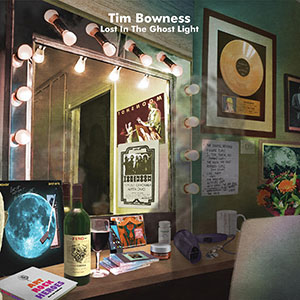
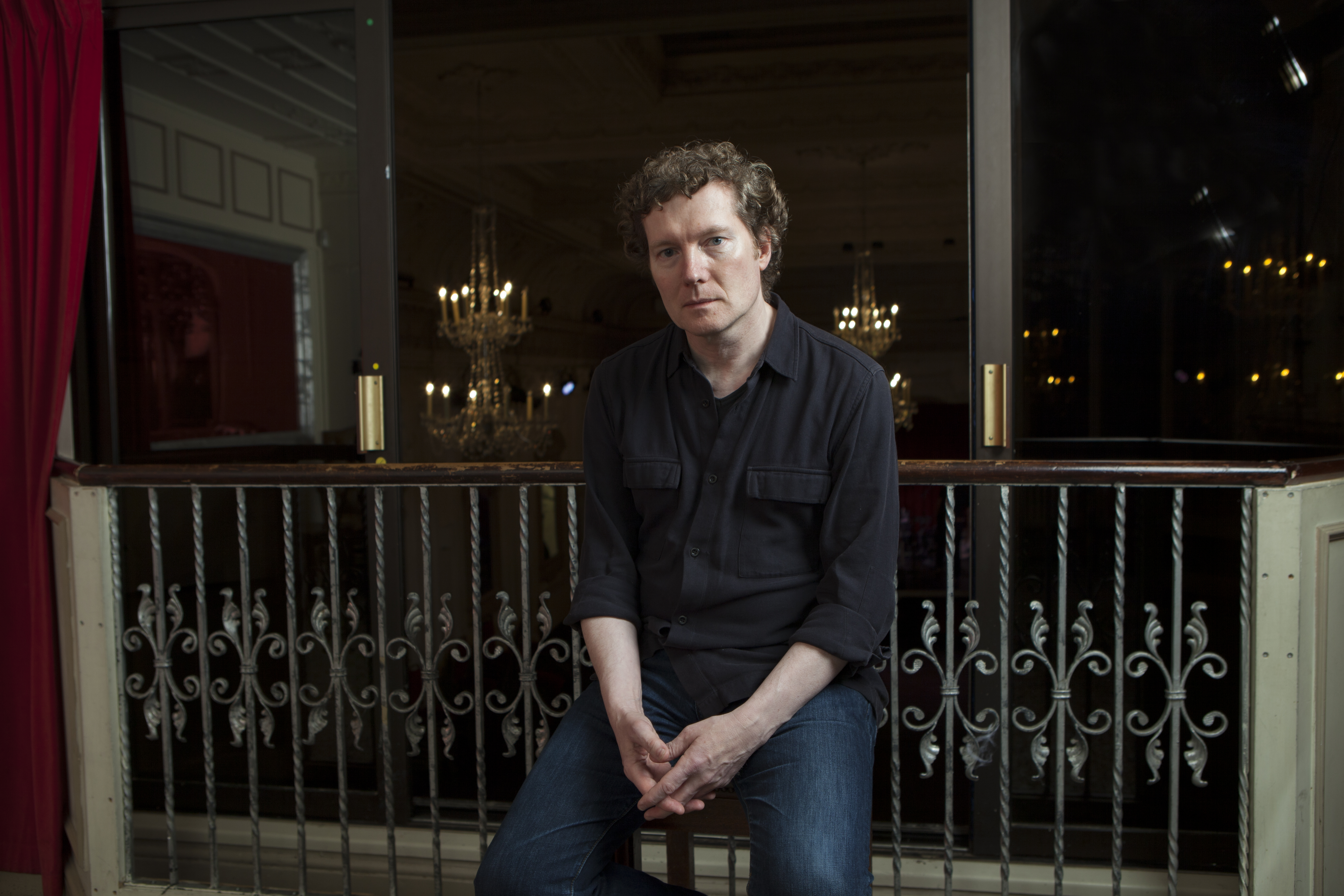
Lost In The Ghost LightLost In The Ghost Light is the fourth solo album from Tim Bowness (no-man / Henry Fool).
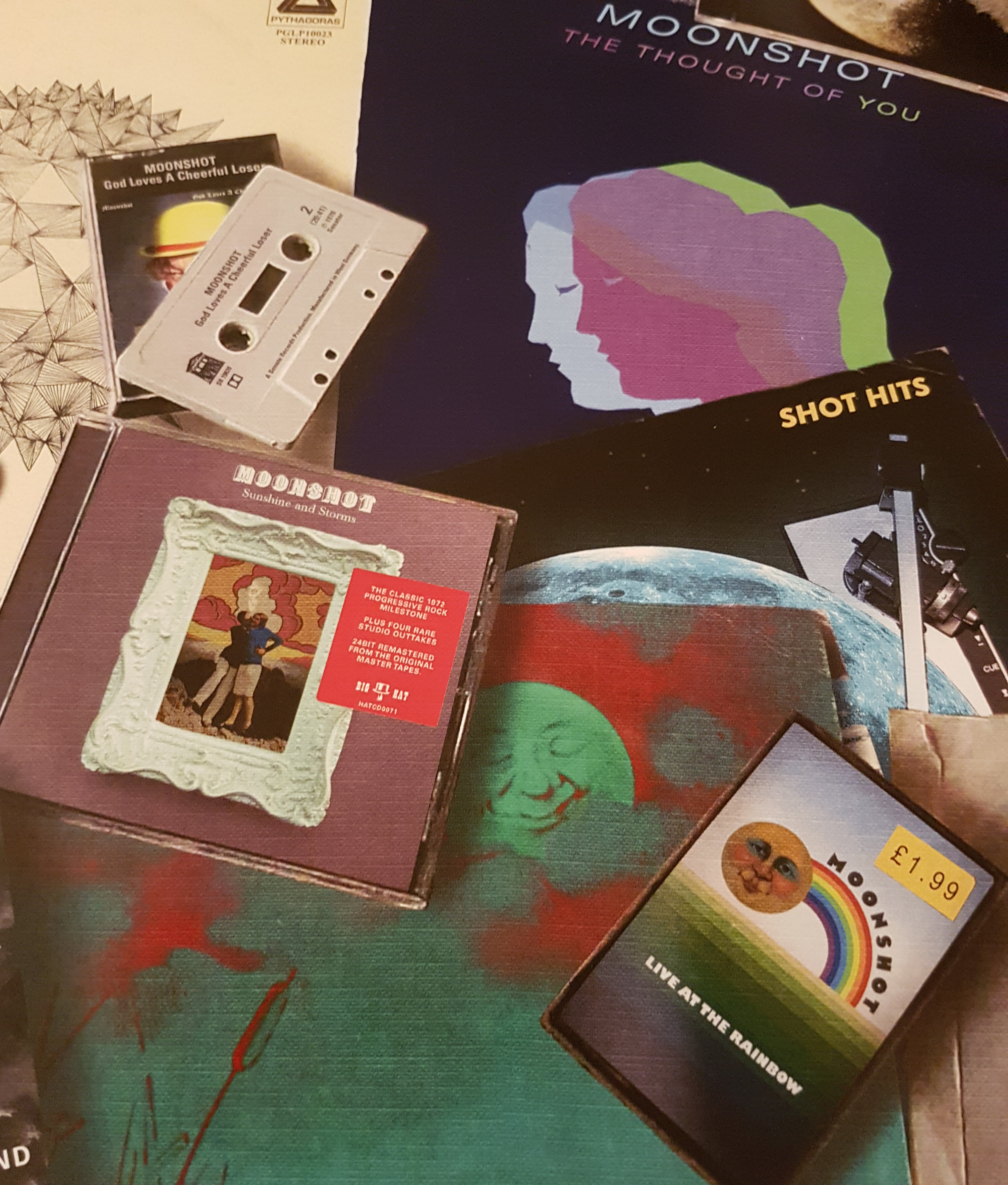
Lost In The Ghost Light is a concept album revolving around the onstage and backstage reflections of a ‘classic’ rock musician (Jeff Harrison of the band Moonshot).

Joining Tim on the album are Stephen Bennett (Henry Fool), Colin Edwin (Porcupine Tree), Bruce Soord (The Pineapple Thief), Hux Nettermalm (Paatos), Andrew Booker (Sanguine Hum), and guest appearances from Kit Watkins (Happy The Man/Camel), Steve Bingham (no-man), David Rhodes (Peter Gabriel / Kate Bush), Ian Anderson (Jethro Tull) and Andrew Keeling (Robert Fripp/Hilliard Ensemble/Evelyn Glennie) arranging for string quartet and flute on three of the album’s songs.

Tim’s new album, as well as being a concept album, with a very clear theme, is also musically his most cohesive release.  His most recent solo albums, Abandoned Dancehall Dreams and Stupid Things That Mean The World have both appealed to those who love progressive music. But if you are a fan of classic, first generation as well as modern prog, Lost In The Ghost Light will more than likely tick all the boxes for you. Musically, this album draws from the spirit of experimentation of the late 60s and early 70s, whilst keeping the Bowness musical identity intact.

I think its safe to say that Lost In The Ghost Light is an album that will be getting a ton of love from the (recently saved) Prog magazine, and will be appearing in a lot of reviewers end of year favourites lists.

Worlds Of Yesterday sets the scene with a backing of warm arpeggio acoustic guitar, some fascinating fretless bass and mid-70s keyboards / organs. The end section is wonderful, with flute (from Kit Watkins) and Bruce Soord‘s soaring guitar building up to a final 30 seconds that will surely melt your prog-filled heart.

Moonshot Manchild – well, Phil Collins would kill to have that feeling again. The piano and strings in the verse are solid-gold solo Collins, whilst the chorus and instrumental sections are unadulterated pre-80s Genesis.

“The days are long when you’re not working”

One of the most rewarding aspects of Lost In The Ghost Light is the multitude of instrumental passages, and Moonshot Manchild is one of the main beneficiaries of this freedom to explore the boundaries of the songs. I expect this song to be a possible Prog anthem of the year.

“You’re wearing the styles of your age.
 A slave to the whims of a phase, 
You dreamt of eternity’s gaze,
Now you’re running out of time.”

David Rhodes (Peter Gabriel / Kate Bush) and Mr Pineapple Thief handle guitar duties on Kill The Pain That’s Killing You, the albums least proggy track. It’s more akin to the sound of Tim’s previous albums, with a hint of no-man thrown in for good measure, so its obviously an album highlight for me!

Mid-way through the album, we have what I consider to be the albums jewel in the crown. Nowhere Good To Go is a delicious Bowness ballad, one that’s so good that it could easily be a song from no-man‘s Returning Jesus. It’s quite simply one of Bowness’s best songs.

An ever evolving arrangement keeps the song fresh, even after repeated plays. The moving lyric and vocals stay constant throughout the song, as the arrangement gets increasingly prog-flavoured towards the end. Nowhere Good To Go is a finely layered song, but underpinning the arrangement and the emotional performances is a beautiful and painfully sad story of the loneliness of the touring musician who is long out of touch and now forever out of time.

“The theatre’s deserted,
And there’s nowhere good to go.”

You’ll Be The Silence is one of the albums longest tracks, which gives the song time to build and explore.

“You caught the music of the moment by accident.
You caught the moments in the music by chance.”

A song of regret as the albums protagonist watches his band become largely irrelevant as the industry moves on and leaves him behind. Where would a band as out-of-time as Jeff Harrison‘s Moonshot fit into these days of a down-sized music industry, with no more excess and huge physical album sales? An industry moving toward streaming as the norm? I suppose they would say their new album is a return to their halcyon days and hope for reviews of the “best since Scary Monsters” variety.

“You went on stage together,
But you failed to find the art.”

Lost In The Ghost Light is filled with remarkable individual performances – Stephen Bennett hits a career best on the album in my opinion. Colin Edwin also gives some fine performances, the highlight being a moving bass harmonics solo on You’ll Be The Silence.

Tim Bowness

The Bowness production / arrangment and the usual high-quality mix and mastering by Steven Wilson need to be recognised in  reviews of the album. The way the Univox SR-55 drum machine slips seamlessly in and out of the percussion arrangement on You’ll Be The Silence is a joy to hear. A tip of the hat must also go to Bruce Soord, who delivers a passionate solo in the outro that David Gilmour would be proud to call his own.

The album’s title track is pure no-man – glitchy electronics and a treated vocal that recalls the darkness of no-man’s Bleed or the Wild Opera period. The lyrics see our man Jeff questioning the relevancy of his music and whether there will be more, or whether he will remain on the soul-destroying roundabout of the nostalgia circuit.

You Wanted To Be Seen continues the questioning and self doubt, with a backing that recalls Fragile era Yes with a pinch of Pink Floyd added for good measure.

I love Andrew Booker‘s performance on this track, which works so well with Bruce Soord‘s multi-layered guitar. It reminds me a little of late period Porcupine Tree in it’s intensity.

The album ends with Distant Summers, with Colin Edwin giving it some Danny Thompson on the double bass, and a stunning flute solo from Ian Anderson. Tim delivers one of his most emotional vocal performances on Distant Summers, and I hear echoes of early Kate Bush in the piano / bass interplay and string arrangement.

“Third on the left,
A monster and a mess,
Back in the days that you still love the best.”

A couple of years  have passed since the last Bowness album, but the wait was definitely worth it. Lost In The Ghost Light is a rewarding album that reveals new details on each play. I cannot wait to hear what people think of this album, as for me, its the best Bowness album to date.

5.1 mixes on the CD/DVD version

The 5.1 mixes by Bruce Soord of Lost in the Ghost Light and Stupid Things That Mean The World make up the DVD section of the double-disc version.

Lots of new details come to the fore in the 5.1 mixes. The vocal harmonies in Worlds of Yesterday and the piano on Moonshot Manchild are much more prominent in the 5.1 mix.

My favourite track on the album, Nowhere Good to Go, sounds amazing in this mix, with a lovely separation between the synth and the lush acoustic strings. Old school Genesis fans with love the synth lines that really stand out in this version.

The arrangement on You’ll Be The Silence is stunning heard through a 5.1 set-up. The album’s short title track sounds very different, with hidden, competing electronica making for a disturbing experience.

Another album highlight, You Wanted To Be Seen, has to be heard at volume to be appreciated fully.  The violin parts sit beautifully in Distant Summers, as does Ian Anderson’s solo.

I forgot to download (doh!) the 5.1 mix of Stupid Things That Mean The World that came as a pre-order bonus when the album was originally released, so this was my first listen to the album in 5.1. Just like Lost In The Ghost Light, new details emerge in the 5.1 mix of this album. Having the two 5.1 mixes adds real value to this package.

The first track that really stands out is Where You’ve Always Been – there is a lovely clarity in the individual performances, and it was a joy to get re-acquainted with one of the most underrated Bowness songs.

Know That You Were Loved works so well in 5.1 – no fancy tricks, no panning effects, just the power of an emotionally direct song in extremely high audio quality.

Press Reset is the real highlight of the 5.1 mixes for me. The bass notes cut through the mix, and oh man, when the heavy percussion and bass kicks in, it sends shivers every time.

“This is the day you’ll disappear”

The neighbours will be having words with me, as I have to crank up the volume on this track.

Everything You’re Not also reveals more detail of the unusual harmonies that go so well with the nostalgic strings and brass.

The short but certainly not sweet Soft William also takes on a new lease of life in this mix. Album closer At The End Of The Holiday reveals its powerful melancholy in 5.1. An emotional string intro leads to a moving arrangement, with brutal lyrics, and a proggy organ solo that almost act as a precursor to where Bowness would venture next with his new album, Lost In The Ghost Light.

Artwork

My initial review was from a digital copy of the album. Now I’ve got my physical copies – vinyl and CD/DVD – a special mention of the albums wonderful artwork is warranted. Tim has worked with Jarrod Gosling to flesh out the story of Jeff Harrison and his band Moonshot, whose story runs through Lost In The Ghost Light.

litgl

The album cover works as a perfect scene-setting statement, and really should be experienced in its full-size vinyl format. The gatefold sleeve (part of which is shown above) is stunning – with Moonshot vinyl, singles, vhs, CD and cassette artwork. The £1.99 sticker on the Moonshot Live at the Rainbow cassette raises a smile every time I see it.

Buy the album

Buy from Burning Shed

Buy the CD/DVD & vinyl from Burning Shed 

Buy from Amazon


Lost In The Ghost Light – vinyl


Lost In The Ghost Light – CD/DVD

Stream Lost In The Ghost Light on Spotify


no-man – Heaven Taste 12″

3 06 2016
heaven tasteHeaven Taste by no-man was originally a 21 minute instrumental from 1993, featuring Steven Wilson, Ben Coleman, Steve Jansen, Richard Barbieri and Mick Karn.

This 2016 12″ vinyl release comes out on June 10th on Finnish underground dance label Sähkö, and is available to buy from Burning Shed.

The 2016 Steven Wilson edit of the original mix is obviously my favourite version on the 12″ – and I can’t wait to hear this on vinyl (this review is from digital copies of the two tracks).

If you don’t know Heaven Taste yet, it has a lot of the hallmarks of early no-man – plenty of breakdowns, soaring violin and guitar lines, but sadly no Bowness vocals as this is one of the bands instrumental pieces.

Heaven Taste is one of the rare studio tracks by no-man to feature Jansen, Barbieri and Karn (Japan / Raintree Crow) who toured with the band in the early 90’s. The track is powered by an impeccable groove that kicks into gear after the twinkling synth, violin and guitar intro, and its instantly clear that you are listening to Steve Jansen and Mick Karn, one of the late 80s / early 90s great rhythm sections.

Heaven Taste is built on repetition and repeated motifs but it would be too easy to label this music as trance, as there is a lot going on – too many layers, peaks and troughs for it to be so easily lumped into the one genre.

Just before the half-way mark we are treated to a short, wonderful piece of Mick Karn bass playing and then the percussion and keyboards ease the groove back in.

I love the space in early to mid-period no-man – take a listen to the bands work on the Speak album or Flowermouth and prepare to be amazed.

cgstrings

I take every opportunity to enthuse about the music of no-man, so I’m always going to prefer the original performance over a remix, but the 9 minutes long Jimi Tenor rearrangement sits well with me. The point of a remix is to give the listener a different taste from the original, or maybe to tease something out of a song in a style or using a technique that might be somewhat alien to the original artist.

This process might also lead to a new audience gaining exposure to music that they may be unfamiliar with, and I certainly think this is the case with this ‘rearrangement’ by Jimi Tenor. There is enough of the original musicians performances to be a recognisable version of Heaven Taste, but it is a definite updating and re-imagining of the song, and this new arrangement takes the song to different and unfamiliar places.

New instrumentation has been added to the original early 90s performances, and whilst there are two or three short sections where Mick Karn’s fretless bass is quite high in the mix, there is noticeably less Jansen, Barbieri and Karn in this Jimi Tenor version, so its a very different beast.

Some of the synths and certainly the style of the flute lines would not be what you would expect in a no-man song, so its interesting to hear another musicians fresh approach to the track. I hope this 2016 re-imaging of Heaven Taste leads to more people seeking out and enjoying the music of no-man. And if you are already a no-man fan, you will enjoy these new versions.

Buy Heaven Taste (12″ vinyl) from Burning Shed

Visit the no-man website to hear more no-man music


Steven Wilson – 4 ½

26 12 2015

SW_cover_4_1_2web4 ½, the new album from Steven Wilson, is released by KScope on January 22nd 2016. 4 ½ is like a super-sized, expanded EP, and acts as an interim release between 2015’s Hand. Cannot. Erase. and the next (as yet unrecorded) studio album.
4 ½ is available in multiple formats – as a single CD, digital download, vinyl and blu-ray (the blu-ray includes bonus tracks, instrumentals and the 2015 version of Lazarus).

Album opener My Book of Regrets will be familiar to fans who attended recent live dates, and first started to come together during the early Hand.Cannot.Erase. period.

The song has a myriad of twists and turns, with a nod to the past in the Time Flies referencing evolving guitar riff running throughout the track. A great bass-line drives the mid-section, and all of the musicians get a chance to really shine on My Book of Regrets, which is built from a mixture of live and studio performances.

I love that recording technology has progressed to the stage that live recordings can capture unique individual performances that can then be easily dropped into studio sessions.

I think its safe to say that 4 ½ will appeal to Porcupine Tree fans as well as those who love the material released under his own name. The album feels like Wilson is cleansing his musical palette before the next album, which is likely to be very different from his last few releases (he has recently hinted at a more electronic sound for the next release).

SW_4_1_2_Innerweb

Year of the Plague is the album’s first instrumental track, and early on became my favourite song on 4 ½. Free from the need to follow a conventional structure with lyrics and verse-chorus, the song is simple but direct and incredibly moving. At times it reminds me a little of the mood of some later period no-man songs. It’s no secret that my favourite Wilson project is his work as no-man with Tim Bowness.

Year of the Plague is from The Raven That Refused To Sing sessions, but its clear why it was not included on that album, which had a very 70s feel and it fits perfectly in the album sequencing for 4 ½. The beautiful violin melody drifts through the song, sitting on top of one of SW’s most addictive arpeggio guitar lines. The strings are not performed by real players, but are sampled, in this case from an EastWest sample library (the violins in the only EW sample library I own – Goliath – don’t sound as realistic as this).

Year of the Plague also works well as a companion piece to Nuclear Head of an Angel from 2004’s self-released Unreleased Electronic Music Vol.1.

Happiness III dates back as far as the writing for the Deadwing album, but would not have sounded out-of-place on Hand.Cannot.Erase. Boasting an unashamedly pop chorus (reminding me a little of later period The Who / solo Pete Townsend), this song will no doubt be a highlight of the upcoming tour.

Sunday Rain Sets In harks back to the sound of Insurgentes at the beginning, but then expands into a fine instrumental with great piano and percussive guitar lines. It evokes the sights and sounds of a wet, night-time city landscape.

Vermillioncore is the album’s final instrumental. A disturbing jazzy intro leads to a discordant Chapman Stick solo from Nick Beggs, and a heavy bass and guitar end section. I’m not sure what the significance of the song title is, but Vermillioncore is nothing like Vermillion Sands from Buggle’s Adventures in Modern Recording album.

Its worth pointing out that one of the highlights of 4 ½ is that we finally witness the return of SW guitar solos, which have taken the back-seat on his recent albums.

4 ½ is bookended by two long songs. The album closes with a new version of Don’t Hate Me, a take on the song originally recorded by Porcupine Tree on Stupid Dream. The 2015 solo version is slower than the version recorded by Porcupine Tree, with the drums less to the fore in the mix, and with a wider range of layered keyboards and guitars.

swweb

The original keyboards were solely analogue, whereas this version is augmented with organ on top of the electronics.

Wilson’s vocals have obviously matured since 1999, and they work really well alongside co-vocalist for this track, Ninet Tayeb (who you might have been lucky to see bringing the audience to their feet during a stunning Routine at the Albert Hall shows in November 2015). I love the subtle use of reverb on the verse vocals on this version of Don’t Hate Me.

Theo Travis returns to deliver another stunning sax solo that works so well alongside the haunting, smokey keyboard runs from Adam Holzman, who is becoming one of my favourite keyboard players.

Die-hard PT fans may prefer the studio take they have lived with for years, but for me, this is the definitive version. Don’t hate me.

Steven Wilson – 4 ½

My Book of Regrets (9.23)
Year of the Plague (4.15)
Happiness III (4.31)
Sunday Rain Sets In (3.50)
Vermillioncore (5.09)
Don’t Hate Me (9.34)

Blu-ray exclusive bonus tracks

Lazarus (2015 recording) (3:57)
My Book Of Regrets (edit) (3:34)
Don’t Hate Me (SW vocal version) (9:34)
My Book Of Regrets (instrumental) (9:35)
Happiness III (instrumental) (4:31)
Don’t Hate Me (instrumental) (9:34)

SW_cover_4_1_2webBuy 4 ½ on Amazon

CD from Amazon

Blu-ray from Amazon

Vinyl from Amazon

Buy 4 ½ from Burning Shed

Blu-ray from Burning Shed

CD from Burning Shed

Vinyl from Burning Shed


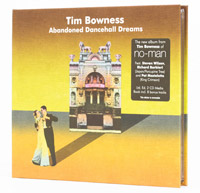
Tim Bowness – Abandoned Dancehall Dreams

11 06 2014

Tim Bowness - Abandoned Dancehall Dreams

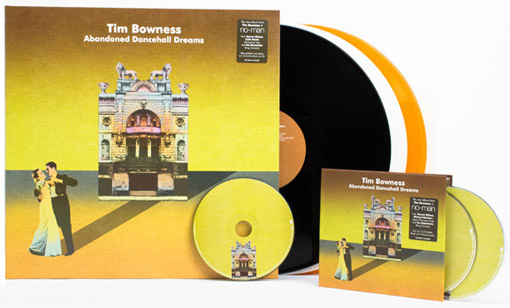
A mere 10 years after his debut solo album, no-man / Henry Fool singer Tim Bowness releases Abandoned Dancehall Dreams on June 23rd on the Inside Out label.  And it’s a world away from his debut.

The Warm-Up Man Forever kicks the album off in style – the opening song seems to feed off the spirit of mid-80s Kate Bush, from the urgent Sat In Your Lap toms through to the Hounds of Love referencing strings. Although the pace of the song is definitely cranked up a few notches from these Bush classics – imagine the Siouxsie & the Banshees drummer Budgie pounding away in a post-punk stylee, if you will.

“Cruising the backstage, spitting feathers”

The Warm-Up Man Forever is a great opening song, and has really grown from the version performed on the no-man tour a couple of years ago. A blood-thirsty guitar solo from Michael Bearpark brings the song to it’s end.

In an alternate universe, this is the track that opens this weeks edition of Top of the Pops, pop pickers.

But that was just a phase…

Smiler At 50 slows the pace, and sets the tone of loss and regret that runs deep throughout this album.

“The girl that Dads could laugh with, a face just right for first kiss”

A beautiful, aching string refrain signals the middle section of the song, as it heads towards its unexpectedly proggy ending. Fans of Steven Wilson‘s recent albums will love this powerful, dissonant outro. The songs on this album have really been given the chance to stretch and find their own space, with longer instrumental passages that are missing from previous Bowness solo material.

Picture by Charlotte Kinson

Before you have a chance to recover, the most heartbreaking track on the album hits you. Songs Of Distant Summers is in the mould of the classic no-man ballads of years gone by. Hanging piano chords, underpinned by sweet synth layers and deep bass, with a lyric that touches on the feeling musicians sometimes experience during that intense moment of creativity.

“Sweet songs from fading summers, old friends who grew apart”

For some reason, this song reminds of the wonderful, blissed out classic Winter in July by Bomb the Bass. I remember reading an interview many moons ago, I think it was with Bernard Sumner from New Order, who said he woke up to Winter in July playing on the radio and he thought he had died in his sleep and woke up in heaven.

Whilst Songs Of Distant Summers is virtually beatless, it has that heavenly feel mixed with found-sounds buried deep in the mix, and it takes you to another place. Oh, and I’m always a sucker for any song with rhodes piano.

I’ve been living with the album for nearly six months now, and I really do believe that Songs Of Distant Summers is up there with no-man’s Truenorth as one of the finest Bowness songs.

She sees the factory buildings…

Waterfoot has shades of another Bowness vehicle, Memories of Machines, his collaboration with Giancarlo Erra from Nosound. The lyrics and music reference an industrial Northern England long since disappeared (in a similar way to the excellent Big Big Train). Emotive synths (plus more rhodes, yay) and a lovely acoustic guitar reference Steve Hackett and a little of the spirit of early Genesis to these battle-scarred ears. Waterfoot really grows after repeated plays, and it’s playfulness is a joy.

This may be controversial, but I will fight the corner for Dancing For You being on a par with some of the mid-80s Phil Collins ballads. Yep, you read that correctly. Phil Collins has always been an easy (lover) target – but In the Air Tonight, If Leaving Me Is Easy and Don’t Let Him Steal Your Heart Away are wonderful songs. Have a listen, and let go of your prejudice.

Picture by Charlotte Kinson

Anyway, back to Bowness. The piano and 80s drum machine might reference classic Collins, but the lyrics are much more hard-hitting and direct than anything Mr Sussudio has committed to vinyl.

“She was dancing for you, and you looked away.
Dancing for you, another you, on another day”

The 70s sounding backing vocals and decaying guitar top off probably the saddest song on the album. And the sad songs say so much, don’t you know.

Smiler At 52 finishes the story from earlier in the album’s song cycle, and sadly it’s not ended well for dear old Smiler. Glitchy percussion and a nagging keyboard line underpin the story of a lonely, middle-aged Smiler and her mountain of regret.

“Far from young and not yet old.”

Looped vocals and an engaging bass-line take the song to its fade.

I Fought Against The South is the longest track on the album, and probably the biggest surprise on first listen. It’s the track on the album that really captures that live no-man feel from the recent live dates, and is almost a cousin to one of my favourite no-man songs, lighthouse.

A wonderful, loping beat and heart-wrenching strings and solo violin drive this slow-burning epic track. It’s a perfect headphone track, with great separation between instruments – listen as a dirty, scratched organ smashes into the mix 1/4 of the way through, and then disappears, taking the strings with it.

“The dream was in tatters, so what did it matter? My temper was quick but my movements were slow”

After a few seconds of near silence, the toms usher in the final, powerful instrumental section. Played loud, the fluttering cymbal work and interplay between guitar and keyboards is up there with the finest modern-day progressive music.

Too much is not enough

Normally, I Fought Against The South would be the perfect album closer, but Bowness has chosen to close the album with Beaten By Love. The oldest song on the album, this is the definitive version. A perfect post-punk bookend to the album opener, Beaten By Love is the darkest track on the album, with some fine bass work by current no-man bassist, Pete Morgan. Tim’s partner in no-man, Steven Wilson, as well as mixing the album, contributed the frankly evil-sounding guitar to the album’s menacing closing track.

“So completely, beaten by your love”

Abandoned Dancehall Dreams deserves to be heard by as wide an audience as possible. It’s almost an oddity in the modern era, a throw-back to those carefully sequenced releases from the golden era of classic albums.

Its a release that I think will eventually be considered as a career highlight. The attention to detail is evident throughout the whole package – from the range of wonderful, individual performances from musicians such as Pat Mastelotto (King Crimson), Porcupine Tree‘s Colin Edwin, Anna Phoebe and members of the no-man live band, to the album mastering by Pink Floyd engineer, Andy Jackson.

Potentially my favourite album of 2014? I thought it would be when I first heard the album back in January, and I’ve yet to hear anything released this year to make me think I was wrong.

Picture by Charlotte Kinson

Sounds of Distant Summers

The two CD version of Abandoned Dancehall Dreams contains a companion CD of alternate versions and out-takes. The wonderful Grasscut contribute a string-driven, more percussive take on Smiler at 52.

Ambient keyboard overlord Richard Barbieri (Japan / Porcupine Tree) delivers a colourful mix of Songs Of Distant Summers, seeped in the nostalgic tick of clocks, childrens toys and low, rumbling bass synth.

UXB serve up the most radical alternate mix, with the boy and girl vocals of Dancing for You brought to the fore, and the Bowness lead vocals completely stripped out. It’s almost like an electronic Swingle Singers! Please believe me when I say it works really well.

The 5 remaining tracks are out-takes from the album sessions.  The track Abandoned Dancehall Dream is a bossa-nova beat, scratchy stereogram sounding track over which Bowness croons  “the sound of dead men singing (they love you)”. It reminds me of the music of The Caretaker (think Kubrick’s The Shining), and it’s an intriguing shorter than short song, that whilst it fits the abandoned dancehall concept, sonically does not fit on the main album, but thankfully has found a home on the companion disc.

The same can be said of The Sweetest Bitter Pill – a jazzier song than any on the main album, with some lovely synth work. It featured in early album sequences but always stood out a little, and so found it’s rightful home on disc two.

The Warm-Up Man Forever (band version) sounds like early U2 fed on a diet of Icicle Works albums. It’s good to hear this early take, which sounds like my memory of how no-man performed this track on their last tour, but it’s surpassed by the main album take.

The remaining two tracks are alt-takes of Songs of Distant Summers, recorded during the early band sessions for the album. More guitar driven than the album version, they offer a different perspective, but as WUMF, the seeds cannot compare to the full-bloom.

Whilst you will probably dip into the companion album every now and then, its the main album that you will find yourself returning to time and time again. So treat yourself to a copy from one of the links below.

Order Abandoned Dancehall Dreams from Burning Shed.

Buy the CD from Amazon UK

Buy the CD on Amazon US

Visit the Tim Bowness website

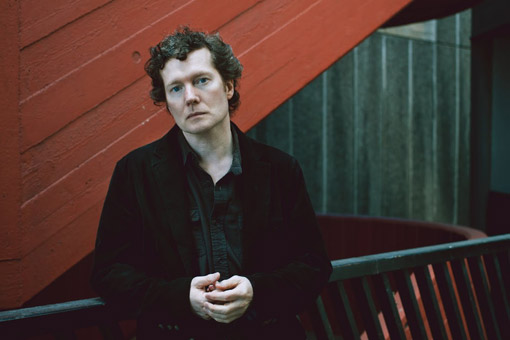
Tim Bowness pictures by Charlotte Kinson


Steven Wilson – The Raven That Refused to Sing (and Other Stories)

22 02 2013

The Raven That Refused to Sing (and Other Stories) is the third Steven Wilson solo album, but where it differs from the previous two releases is that it was written to be performed with the musicians who make up his touring band. This gives a real cohesion to the album, which was produced by Wilson but features Alan Parsons as associate producer and recording engineer.

Steven Wilson’s albums, whether solo or with his main bands Porcupine Tree or no-man, have always been expertly produced. The Raven That Refused to Sing (and Other Stories) takes it up a notch, with the best sounding Wilson release to date.

A case in point is album opener Luminol.  Devoid of vocals until nearly 5 minutes in, switching time signatures, bass-driven instrumentation and layered mellotron / piano all feature. The production allows the instruments the space to breathe, and there is no brick-wall mastering in evidence.

At times reminiscent of Yes, Luminol sets the scene for the rest of the album, which is a mixture of progressive and classic rock.

Drive Home is one of Wilson’s best songs to date. Like a modern-day Stars Die, layered harmonies, strings and acoustic guitar underpin a tale of loss and regret.

“Well love can make amends
While the darkness never ends
You’re still alone
So drive home”

Drive Home is the one track on the album that really harks back to that mid-70s LA classic rock feel, and ends with a breathtaking guitar solo from the newest member of the Wilson live band, Guthrie Govan.

The Holy Drinker is one of the darkest songs on The Raven That Refused to Sing (and Other Stories).  Featuring some wonderful interplay between Theo Travis and Adam Holzman, the first few minutes of the song wouldn’t sound out of place on Wilson’s previous album, Grace for Drowning.  But it then mutates into a mid-70’s classic rock Deep Purple / Pete  Townshend / Yes hybrid. Speeding up and slowing down, crossing genres at will, it’s clear that playing together over recent tours has really helped this group of musicians gel and become much more than a backing band.

Photo by Naki Kouyioumtzi

The subject matter for the album’s lyrics also help make the album a complete piece, like in those distant days when album’s were made to be heard in one sitting, not split into easily digestible iPod-friendly chunks. Drawing on inspiration from 19th Century ghost and supernatural writers such as Edgar Allan Poe, the lyrics touch on subjects such as the spirit of a busker who continues to play (badly) long after his body departs this earth (Luminol) and a man who is haunted by the ghost of his wife whose body he buried under the floorboards (The Watchmaker).

The Pin Drop has a real Martin Grech feel about the arrangement, and contains the wonderful line, that sums up the theme of the album:

“I have not lived and loved enough”

It’s the shortest track on the album, and one of the most immediate and powerful. Lyrically almost a companion piece to Porcupine Tree’s Heartattack in a Lay By, both sets of lyrics touch on regret and sadness as someone’s life reaches it’s premature end.

The Pin Drop is one of the tracks that I keep coming back to and one which would make a fine single – although do singles exist anymore?

The Watchmaker will probably appeal most to fans who lean towards progressive rock.  A slowly building pastoral sounding arrangement for the first quarter of the song, before the organs and percussion up the pace.  The mighty Nick Beggs really shines on this track.

Photo by Naki Kouyioumtzis

The Raven That Refused to Sing is the album closer, and what a beautiful way to end the journey.  Starting off like a track from Storm Corrosion, before developing into the song that will surely be a staple of Wilson’s live shows for many years to come.

I hear hints of Radiohead and Sigur Ros in the arrangement, but also a flavour of Wilson’s first solo release Insurgentes. It’s an incredibly moving song that hits you really hard the more you hear it.

“Sing to me raven
I miss her so much
Sing to me Lily
I miss you so much”

If you don’t shed a tear as the song reaches it’s climax, you have no heart, no soul, and you should leave my blog now!

The deluxe version of this album includes a CD of demo versions of all the songs – obviously Steven Wilson demos are the quality of most people’s finished albums, but they offer a fascinating insight into the albums development and show what an impact the musicians and Alan Parsons made to the finished release.

Album of the year already? It depends on what else comes out over the next 10 months, but I think it’s safe to say that The Raven That Refused to Sing (and Other Stories) will be on my list come December 2013. A Wilson career best?  Yes, it’s up there with no-man‘s Together We’re Stranger for me, and is already shaping up to be my favourite Wilson solo release.

The only negative for me (which I touched upon in my Grace for Drowning review) is that the freedom Wilson seems to be really enjoying in his solo work means I really don’t see Porcupine Tree reconvening anytime soon.  I hope I’m wrong, as Porcupine Tree are one of my favourite bands, but with albums of this quality, the blow is somewhat lessened.

Watch the video for The Raven That Refused To Sing:

The Raven That Refused To Sing (And Other Stories) is released by Kscope on 25 Feb 2013.

You can buy The Raven That Refused to Sing (and Other Stories) in various formats, including vinyl, from the official Steven Wilson store on Burning Shed.

Buy The Raven That Refused to Sing (and Other Stories) CD on Amazon UK

Buy The Raven That Refused to Sing (and Other Stories) Bluray on Amazon UK

The Raven That Refused To Sing double vinyl