The Opium Cartel – Ardor

6 11 2013

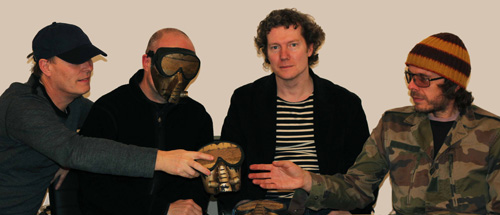
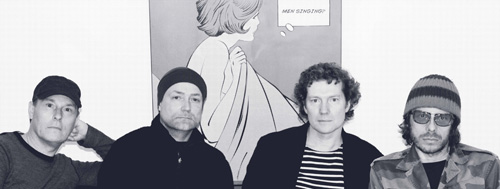
"Ardor" by The Opium CartelArdor is the second album from The Opium Cartel, an outlet for the more pop orientated music of songwriter/producer Jacob Holm-Lupo from Norway’s art-rock band White Willow.

Ardor is inspired by the 80s pop of The Blue Nile, Thomas Dolby, Japan, Peter Gabriel and Kate Bush, as well as drawing on more modern electronic music by the likes of M83 and Air.

Fans of 80s music will also recognise the warm synth sounds of the Prophet 5, Fairlight, Oberheim OB8, and the PPG Wave, that are scattered throughout the album’s 9 tracks.

Album opener Kissing Moon features Venke Knutson and Rhys Marsh on vocals, and features some wonderful, frenetic percussion and the first appearance of those lovely warm synths!

When We Dream (stream the remixed single version below) has shades of Icehouse and a-ha in the vocal performance from Norwegian singer Alexander Stenerud. The most commercial track on the album, with a very anthemic chorus, and an addictive guitar riff. When We Dream bleed’s pure unadulterated nostalgia.

Silence Instead is an early album highlight, co-written by and featuring  vocals from no-man’s Tim Bowness. A slow-burning song, with some delicious guitar work, and a synth sound that reminds me of my favourite Thomas Dolby track, Screen Kiss. Tim is a regular collaborator of  Jacob’s, featuring on the debut album by The Opium Cartel as well as White Willow’s progressive masterpiece, Terminal Twilight.

“The snowdrifts are real but the mountains are fake”

If you miss a-ha (who split in 2011), you will love Northern Rains, which sounds like a long-lost 1980s ballad from Morten Harket & co, underpinned by the Peter Gabriel rhythm section from 1980.

Sorry about all the 80s references in this review, but it’s fun playing spot the influence, and it helps that the 80s homage in the music is not ironic or cheesey, but playful and pays respect to the creativity and exploration of a much maligned decade.

Watch the Ardor album trailer

Revenant features the only vocals on the album from Jacob Holm-Lupo, and is one of the albums more progressive tracks. I don’t know if it is inspired by the recent French TV series “The Returned / Les Revenants” but there are certainly some nods to the excellent Mogwai soundtrack in the instrumentation.

White Wolf was the first song written for the album, and heralds a change in the album’s direction from this point in, with each track getting steadily more progressive. The middle section is very moving, and veers off into Yes-inspired territory towards the end, with a Chris Squire-like strong, melodic bassline.

The Waiting Ground has the classic synths still present, and features a great performance from Henry Fool (and current no-man live band) keyboard player Stephen Bennett.

“If I run, where do I run to?”

Then Came the Last Days of May is Ardor‘s only non-original track, a haunting cover of a classic rock ballad from Blue Öyster Cult’s debut album from 1972. This is one for fans of Opeth’s Damnation album, and a perfect way to set-up the album finale.

Mariner, Come In is the epic that completes the album. A rare vocal outing for Henry Fool’s Stephen Bennett, this track is more in keeping with recent White Willow, and the latter section of the track is most definitely jazz-rock and proud of it! A wild saxophone solo from Harald Lassen on top of layered synths is reminiscent of parts of the recent Steven Wilson album, and after 11 minutes, the track and the album itself, slowly fades to a close.

Ardor is a very different beast to the first Opium Cartel album, and feels more consistent (even though it has a wider variety of vocalists). It should appeal to a wide audience – from the more mainstream fans of modern electronic / pop to lovers of modern progressive music. Oh, and fans of 80s music!

Buy Ardor on Amazon UK 

Buy Night Blooms  on Amazon UK

Buy White Willow’s Terminal Twilight on Amazon UK


Henry Fool – Men Singing

1 03 2013

"Men Singing" coverMen Singing is the long-awaited follow-up to the band’s 2001 self-titled debut.

The 2013 line-up of the band includes new collaborators Jarrod Gosling (I Monster/Regal Worm), Phil Manzanera (Roxy Music) and classical violinist Steve Bingham and drummer Andrew Booker (both part of the current live no-man line-up).

The debut Henry Fool album was a mixture of instrumentals and songs, whereas Men Singing is a solely instrumental album, and is a much more coherent listening experience.

Men Singing was recorded over a long period of time – between 2006 and 2012, with Jarrod Gosling and Phil Manzanera adding their contributions towards the end of the recording process. Phil Manzanera adds guitar to Everyone In Sweden and Man Singing. Jarrod Gosling appears on all four tracks, contributing Mellotron, glockenspiel and the excellent album artwork.

Album opener Everyone In Sweden sets the mood, with shifting time signatures, and solos alternating between guitar, jazzy saxophone, and very distorted bass. The music shifts across genres, often two or three times in the same song, which is a great way to keep you listening, especially in the longer pieces. Some instrumental albums can be hard to listen to in one sitting, but Men Singing is certainly not background music, and the performances demand your full attention.

The vintage keyboards often give a real early to mid-70s feel to the pieces. There’s a wonderful section 7 minutes in to Everyone In Sweden, the album’s longest track, where everything breaks down, and keyboard washes give way to a mournful sax and guitar line as the piece ends.

Man Singing, which of course has (no) man singing, is a slower paced affair, and features no-man’s Tim Bowness on very angular chord/arpeggio guitar. There are hints of Adrian Belewesque guitar sounds on the album, which along with the keyboards, sometimes give a feel of Bowie‘s Berlin trilogy as well as more obvious King Crimson influences. The cut to the basics chorused guitar and strings ending works perfectly on this track.

Track 3 is the perfectly titled My Favourite Zombie Dream, which has a real feeling of dread and anticipation about it. Oscillating strings from Stephen Bennett underpin the piece, as it slowly builds to it’s climax, like a soundtrack to a yet-to-be released George A. Romero film.

The final track on Men Singing is the 13 minute plus Chic Hippo. The violin playing of Steve Bingham features heavily, and Stephen Bennett (according to the sleevenotes) is credited with Miles Davis, Mavis Riley and Terry Riley impressions. Mavis Riley? That must have been difficult to pull off – “ooh, I don’t really know”.  Apologies, no-one under 45 (or anyone outside of the UK) will get that cultural reference.

The mid-section of Chic Hippo is one of the most rewarding parts of the album. Fluttering church organ sounds give way to sax riffs from Myke Clifford that would not have sounded out of place on early Bowie or Roxy Music albums, topped off with some wonderful slide guitar from Michael Bearpark. The percussion work from Andrew Booker is another highlight of Chic Hippo.

Men Singing is a strong second album from Henry Fool, and a radical departure for Tim Bowness. Have a listen to the edits on this page, via SoundCloud and YouTube. Another indication of the quality of this album is that it was mastered by award-winning Pink Floyd sound engineer, Andy Jackson.

The album is likely to appeal to fans of mid-period Porcupine Tree as well as those intrigued by Steven Wilson‘s recent foray into more improvisational / jazz-rock influenced material. If you like albums that disturb as much as entertain, then let the men of Henry Fool sing for you.

Henry FoolMen Singing
(KSCOPE244 / 836) – March 11th, 2013 – available in vinyl and CD versions

Order Men Singing from Burning Shed

Buy Men Singing on Amazon UK


Steven Wilson – The Raven That Refused to Sing (and Other Stories)

22 02 2013

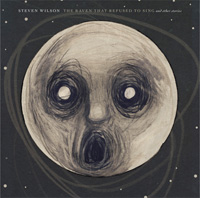
The Raven That Refused to Sing (and Other Stories) is the third Steven Wilson solo album, but where it differs from the previous two releases is that it was written to be performed with the musicians who make up his touring band. This gives a real cohesion to the album, which was produced by Wilson but features Alan Parsons as associate producer and recording engineer.

Steven Wilson’s albums, whether solo or with his main bands Porcupine Tree or no-man, have always been expertly produced. The Raven That Refused to Sing (and Other Stories) takes it up a notch, with the best sounding Wilson release to date.

A case in point is album opener Luminol.  Devoid of vocals until nearly 5 minutes in, switching time signatures, bass-driven instrumentation and layered mellotron / piano all feature. The production allows the instruments the space to breathe, and there is no brick-wall mastering in evidence.

At times reminiscent of Yes, Luminol sets the scene for the rest of the album, which is a mixture of progressive and classic rock.

Drive Home is one of Wilson’s best songs to date. Like a modern-day Stars Die, layered harmonies, strings and acoustic guitar underpin a tale of loss and regret.

“Well love can make amends
While the darkness never ends
You’re still alone
So drive home”

Drive Home is the one track on the album that really harks back to that mid-70s LA classic rock feel, and ends with a breathtaking guitar solo from the newest member of the Wilson live band, Guthrie Govan.

The Holy Drinker is one of the darkest songs on The Raven That Refused to Sing (and Other Stories).  Featuring some wonderful interplay between Theo Travis and Adam Holzman, the first few minutes of the song wouldn’t sound out of place on Wilson’s previous album, Grace for Drowning.  But it then mutates into a mid-70’s classic rock Deep Purple / Pete  Townshend / Yes hybrid. Speeding up and slowing down, crossing genres at will, it’s clear that playing together over recent tours has really helped this group of musicians gel and become much more than a backing band.

Photo by Naki Kouyioumtzi

The subject matter for the album’s lyrics also help make the album a complete piece, like in those distant days when album’s were made to be heard in one sitting, not split into easily digestible iPod-friendly chunks. Drawing on inspiration from 19th Century ghost and supernatural writers such as Edgar Allan Poe, the lyrics touch on subjects such as the spirit of a busker who continues to play (badly) long after his body departs this earth (Luminol) and a man who is haunted by the ghost of his wife whose body he buried under the floorboards (The Watchmaker).

The Pin Drop has a real Martin Grech feel about the arrangement, and contains the wonderful line, that sums up the theme of the album:

“I have not lived and loved enough”

It’s the shortest track on the album, and one of the most immediate and powerful. Lyrically almost a companion piece to Porcupine Tree’s Heartattack in a Lay By, both sets of lyrics touch on regret and sadness as someone’s life reaches it’s premature end.

The Pin Drop is one of the tracks that I keep coming back to and one which would make a fine single – although do singles exist anymore?

The Watchmaker will probably appeal most to fans who lean towards progressive rock.  A slowly building pastoral sounding arrangement for the first quarter of the song, before the organs and percussion up the pace.  The mighty Nick Beggs really shines on this track.

Photo by Naki Kouyioumtzis

The Raven That Refused to Sing is the album closer, and what a beautiful way to end the journey.  Starting off like a track from Storm Corrosion, before developing into the song that will surely be a staple of Wilson’s live shows for many years to come.

I hear hints of Radiohead and Sigur Ros in the arrangement, but also a flavour of Wilson’s first solo release Insurgentes. It’s an incredibly moving song that hits you really hard the more you hear it.

“Sing to me raven
I miss her so much
Sing to me Lily
I miss you so much”

If you don’t shed a tear as the song reaches it’s climax, you have no heart, no soul, and you should leave my blog now!

The deluxe version of this album includes a CD of demo versions of all the songs – obviously Steven Wilson demos are the quality of most people’s finished albums, but they offer a fascinating insight into the albums development and show what an impact the musicians and Alan Parsons made to the finished release.

Album of the year already? It depends on what else comes out over the next 10 months, but I think it’s safe to say that The Raven That Refused to Sing (and Other Stories) will be on my list come December 2013. A Wilson career best?  Yes, it’s up there with no-man‘s Together We’re Stranger for me, and is already shaping up to be my favourite Wilson solo release.

The only negative for me (which I touched upon in my Grace for Drowning review) is that the freedom Wilson seems to be really enjoying in his solo work means I really don’t see Porcupine Tree reconvening anytime soon.  I hope I’m wrong, as Porcupine Tree are one of my favourite bands, but with albums of this quality, the blow is somewhat lessened.

Watch the video for The Raven That Refused To Sing:

The Raven That Refused To Sing (And Other Stories) is released by Kscope on 25 Feb 2013.

You can buy The Raven That Refused to Sing (and Other Stories) in various formats, including vinyl, from the official Steven Wilson store on Burning Shed.

Buy The Raven That Refused to Sing (and Other Stories) CD on Amazon UK

Buy The Raven That Refused to Sing (and Other Stories) Bluray on Amazon UK

The Raven That Refused To Sing double vinyl


Storm Corrosion

5 05 2012

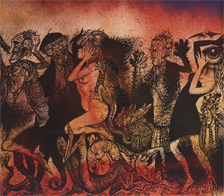
Storm Corrosion is the collaboration between no-man / Porcupine Tree‘s Steven Wilson and Mikael Åkerfeldt of Opeth.

Their self-titled album is released on Roadrunner, and has been described as being part of a trilogy (Opeth’s Heritage and Wilson’s Grace for Drowning being the other two albums).

Stripped of the metal flavouring of some of the duo’s work in their main bands over recent years, Storm Corrosion is a natural progression from both Heritage and Grace for Drowning.

The heavy guitars may not be in evidence, but the music remains dark, atmospheric and at times almost sounds like the soundtrack to a twisted, avant-garde European film that’s yet to be made.

Opener Drag Ropes has hints of the minimalism of no-man’s together we’re stranger album in the end section (especially with the light-touch percussion), and features some delicious string arrangements by Dave Stewart. The vocals are shared between Åkerfeldt and Wilson, with Åkerfeldt taking the lead for most of the song.

“I was immortal but I am your friend
To stay and be beside you”

The album’s title track takes it’s rhythm from the backing of gentle rain and distant thunder, and features Wilson on lead vocals. It’s a song of two halves – the gentle, mostly acoustic opening section soon mutates into a twisted, clattering diversion, before the strings and guitar return for the end of the song.

“Someone is calling her shorewards”

Elements of the real world seep into some of the songs – the weather in the title track, laughter in Hag, and on several occasions, you can hear the musician’s react to their performance, which displays a real sense of spontaneity in these recordings.

Hag is a mellotron and piano heavy piece, and features some off-kilter drums from Gavin Harrison, and a nagging bass-line.

Happy is the albums shortest track, and lyrically, doesn’t live up to it’s name! Like most of the tracks on the album, Happy starts off fairly serene, lulling you into a false sense of security, before disturbing strings usher in a darker section.

Storm Corrosion January 2012. Picture Naki Kouyioumtzis © 2012

As you would expect from a Wilson / Åkerfeldt collaboration, the production and mix is immaculate. Mastered at a sympathetic level, highs and lows appear organic and are given space to breathe and hit you on an emotional level, which does not really happen with the current trend for brickwall, in your face mastering.

Lock Howl is an instrumental track, with one of the guitar riffs reminding me of a late 60s Pretty Things track, that I can’t quite put my finger on.  Give me time, I’ll identify it!

Lock Howl shifts and changes several times during it’s 6 minute stay, sometimes exuding a middle-Eastern flavour and again making use of a poweful, emotive string arrangement.

The final (and longest) track on the album is Ljudet Innan, featuring a fine falsetto lead vocal from Åkerfeld in the first section. After a few listens (the CD only arrived from Burning Shed today), this is shaping up to be my personal favourite track on the album. Its a classic album closer, and the middle section (with some fine guitar-work from Åkerfeldt) lifts your mood after the much darker tracks that came before.

The title in English is “ancient music” which fits the song perfectly. The mid-section’s spacey, choral synths give way to a bluesey end section, with truenorth (no-man) influenced scattering percussion, before passing the lead vocal baton back to Wilson. Both Åkerfeld and Wilson’s reverb-heavy vocals on this track tread new ground, displaying an almost soulful feel.

Whilst I think Storm Corrosion will appeal to fans of later Opeth and Porcupine Tree, the album thankfully has its own unique identity. An Opeth / Porcupine Tree hybrid would have been a safe option, and probably a disappointment. This multi-layered, pastoral flavoured debut release from Storm Corrosion offers hope for further albums from the duo, and reveals new depths on repeated listens.

Buy Storm Corrosion (Special Edition) on Amazon

Buy Storm Corrosion (CD) on Amazon

Visit the Storm Corrosion website


Gazpacho – March of Ghosts

9 04 2012

March of Ghosts is Norwegian progressive band Gazpacho‘s 7th studio album, and the second for the excellent Kscope (home of Anathema, no-man, Steven Wilson, Porcupine Tree & The Pineapple Thief) record label.

The album opens with the instrumental Monument, which seques into Hell Freezes Over I – with its naggingly addictive guitar line and jittery percussion intro setting the scene for the album.

March of Ghosts is a mixture of progressive elements with an over-riding pop sensibility. Whereas a lot of modern progressive music uses keyboards, particularly the mellotron, to decorate recordings, Gazpacho use violin and real strings which add a sense of warmth to their compositions.

Black Lily is one of the most immediate tracks, with a killer chorus, whilst still underpinned with the recurring guitar motif from earlier in the album.

Gold Star adds a celtic feel to the music, that continues through several songs, with some lovely percussive bells, and brass instruments (and possibly accordians somewhere in the mix), so it’s clear the band are keen to steer clear of obvious and cliched instrumentation.

Mary Celeste is one of my favourite tracks on the album, reminding me a little of Peter Gabriels OVO soundtrack at times.

“When they found us on the water
They didn’t see our faces
I hear the voices in the warmth
But we can’t get outside”

The inclusion of uilleann pipes works surprisingly well towards the end of Mary Celeste. After suffering uilleann pipes in THAT Celine Dion Titanic song, that’s a sentence I never thought I would write.

Listen to Gazpacho – March of Ghosts (Album Montage)

What Did I Do? is built around a simple, uncluttered arrangement, coated with rich warm vocal harmonies from Jan Henrik Ohme on the chorus. Oh dear, I’m starting to sound like I’m reviewing the other Gazpacho, the spanish soup!

The Dumb has a wonderful middle section, with dreamy descending piano over a gorgeous fretless bass-line.

“Stories left untold…”

The albums longest track closes the album, as Hell Freezes Over IV brings back the main guitar riff that under-pins the album, and March of Ghosts ends on it’s heaviest arrangement.

The bands Thomas Andersen describes the theme of the album – ‘The idea was to have the lead character spend a night where all these ghosts (dead and alive) would march past him to tell their stories.’ 

The lyrical themes are not too obvious, and leave plenty of room for personal interpretation, which is always a good sign for music that can be re-visited and re-discovered.

Watch the video for Black Lilly

Buy March of Ghosts from Amazon

Buy the previous Gazpacho album Missa Atropos from Amazon


White Willow – Terminal Twilight

28 10 2011

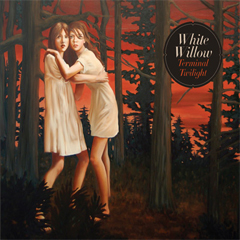
White Willow - "Terminal Twilight"I must admit, I’d not heard any of this Norwegian band’s music before, though I did buy the Night Blooms album by The Opium Cartel (another project from White Willow’s Jacob Holm-Lupo) but I was keen to hear the album due to the involvement of no-man’s Tim Bowness on the track Kansas Regrets.

The album appears to be based on an end-of-the world concept (a progressive concept album, oh no I hear you cry!), but it works well. Yes, it’s a very progressive album, awash with retro synths, mellotrons and shifting time signatures, all trademark progressive tools, but it’s also made up of some very strong songs and one of the best productions I’ve heard so far this year.

The albums second track Snowswept is driven by a powerful drum track and a crystal-clear vocal from the bands singer, Sylvia Erichsen.  The third track is co-written by Tim Bowness, who takes over lead vocal duties on Kansas Regrets.  The most acoustic, and at the same time probably the least progressive sounding track on the album, Kansas Regrets is a highlight nonetheless.

“Those country boys just left you cold
The local girls they acted old.”

The track features some gorgeous vocal harmonies and lovely harmonics scattered amongst the guitar playing.  Have a listen to the full song in the video below, which was  filmed, edited and directed by Dion Johnson.

If you are a fan of Bowness or no-man, Kansas Regrets will probably be the track that appeals to you straight away.  If you have any appreciation of progressive music, and the wide, colourful musical palette used in this genre, Terminal Twilight will quickly become one of your most cherished albums.

Red Leaves is streamed in full on the White Willow website – I’ve added a link below.

Red leaves by White Willow

There are times (especially on this track) when I’m reminded of Jeff Wayne’s War of The Worlds album from 1978, though the story on the White Willow album is told through the lyrics and the music only, no need for narration and so thankfully no appearances from David Essex required!  Some wonderful Gilmouresque guitar solos round off Red Leaves.

Floor 67 is fast becoming my favourite track on the album.  The lyrics really set the mood on this track, and capture the feeling of isolation and despair, as the apocalyptic weather destroys all in its wake, whilst the subjects of the song try to ride out the storm living in their own world, stocked up with alcohol in a high-rise building.

“But we stayed on through the winter
As the empire crashed and burned
And we heard the world grow quiet
And the voice on the radio said its goodbye.”

The chorus is very moving and I love the way the song ends, with snatches of ghostlike voices, almost like lost radio transmissions.

The mostly instrumental Natasha of the Burning Woods leads into the longest track on Terminal Twilight, the 13 minute Searise, the heaviest track on the album, which lyrically hints at the outcome of the song subjects quest for survival. Terminal Twilight closes with A Rumour of Twilight, a drone / acoustic guitar led instrumental piece.

So a new group for me to investigate, and a surprising contender to become one of my favourite albums of 2011.

Tracklisting:

Hawks Circle the Mountain
Snowswept
Kansas Regrets
Red Leaves
Floor 67
Natasha of the Burning Woods
Searise
A Rumour of Twilight

Buy Terminal Twilight at Amazon UK
Buy Terminal Twilight at Amazon US
Buy Terminal Twilight from The Burning Shed

http://www.whitewillow.info/


Steven Wilson – Grace For Drowning

8 10 2011

Grace for DrowningGrace For Drowning is the second solo album from Steven Wilson (Porcupine Tree / no-man). Whilst his debut release, Insurgentes (2008) seemed to draw inspiration from the post-Punk era, Grace For Drowning has a wider palette of sounds, and harks back to the late 60’s, early 70’s for inspiration, especially in drawing influence from film scores (Belle De Jour ) and some of the more jazz-rock experiments (Remainder the Black Dog).

The album is split into two suites (three on the limited edition). The opening title track sets the scene, a lyricless harmony over piano and hanging notes.  Sectarian riffs on buzzsaw acoustic and electric guitar, and features an appearance by Nick Beggs (who will be part of the touring band) on bass / chapman stick , some wild sax from long-time collaborator Theo Travis, and powerful, at times jazz-tinged, percussion from drummer Nic France.

Then my favourite part of the whole album – the trilogy of songs beginning with Deform to Form a Star.  There is a real mid-1970’s feel to the arrangement of this song – which harks back to a bygone era, and could have easily have fallen off a Steely Dan or Randy Newman album, or maybe The Strawbs Bursting At The SeamsDeform… also utilises the delicious Stars Die era harmonies long missing from recent Porcupine Tree albums.

The production has always been an important part of SW’s work, as important as individual musician’s performances and Grace For Drowning delivers one of my favourite Wilson productions (time will tell, but possibly on a par with my previous favourite production on no-man’s Returning Jesus). With no traces of metal to be heard on the album (the heavier passages are often powered by acoustic guitar and keyboards) there is a real sense of space, so key passages and moments can be emphasised with subtlety, and No Part Of Me, featuring a wonderful, emotive string section, fluid bass from Trey Gunn and spikey touch guitar from Markus Reuter, perfectly highlights how the album can switch from light to dark in an instant.

no part of me live – from the official Steven Wilson Soundcloud page

iPhone / iPad version

And then there’s Postcard.  Fast becoming my favourite song of 2011, this track is by far the most accessible on the album, and is deserving of its release as a download single. Hopefully it will lead to a wider audience for the album, outside of the usual Porcupine Tree / progressive audience.

“I’m lame and self-obsessed, that I will concede”.

Simply executed, and with such a sad and lonely lyric, Postcard ends with haunting choral vocals from Synergy (who have worked with Steve Reich in the past).

“All that matters disappeared when I lost you.”

Remainder The Black Dog, featuring Steve Hackett, ends the first disc and sets the mood for the rest of the material, which is much darker in tone.  Awash with Rhodes keyboards fills, and shifting time signatures, this is probably the only track that would not sound out of place on a Porcupine Tree album.

After the French-tinged lightness of Belle De Jour, one of the most disturbing songs on the album is Index, which apparently draws inspiration from the 1960’s John Fowles novel, The Collector, a story that inspired tracks from The Jam (The Butterfly Collector) and Nine Inch Nails among others.  SW affects a strange accent on certain words on this track, sounding almost like an old fashioned London accent, which presumably ties in with the books content.  The song ends with a vocoderised mantra laid over a powerful string and drums outro, leading into the equally dark Track One, which I read online might be  inspired lyrically by the Swedish Eriksson sisters.  The darkness of the song gives way to a simple, moving ending, of acoustic guitar and minimal piano topped by a Gilmouresque lead guitar solo.

The longest track on the album, at over 23 minutes is Raider II, which has some of it’s riffs referenced in other tracks earlier in the album, and during the first vocal section really reminds me of the underrated Martin Grech Unholy album from a few years ago. It’s a constantly shifting beast of a track, and even at 23 minutes, does not overstay it’s welcome.  At times Raider II hints at 70’s jazz-rock, of the kind performed by Colosseum or Mahavishnu Orchestra, as much as it pays homage to past progressive giants such as Yes or Caravan. Raider II is one of the tracks were Wilson’s lack of compression/ limiters in the mastering stage really pays off, as the dynamics in some of the quietest parts are as powerful as when the track is at its most frenetic and chaotic.  The track ends on a distorted bass solo and heads off into PT territory for a while as it arrives at its sinister jazz conclusion, like a long-lost outtake from a David Lynch film.  I thought it was fitting that the longest track on Grace for Drowning has the longest section of this review! I hope you don’t mind.  Have a listen to an edit of the track towards the bottom of this page.

Like Dust I Have Cleared From My Eye closes the album, as one of the more organic songs on Grace for Drowning, with little in the way of electronics, distortion or jazz inflections in the first half of the song.  The familiar trademark mellotrons underpine a yearning lyric…

“But you’re lost to me, like dust I have cleared from my eye.”

As the song breaks down into a searingly bright ambient coda after the “Breathe in now… breathe out now…”  lyric you get a real feeling of serenity that is a fitting end to the album.

Grace For Drowning is an ambitious and perfectly sequenced album, with fine accompanying artwork (especially as part of the deluxe special edition) from multi-media artist Lasse Hoile and I’m looking forward to seeing the London date on SW’s first solo tour (where apparently Lasse’s visual’s will feature as part of the stage show).  The only question after immersing myself in this album for the past week or so is, where will Wilson go next when Porcupine Tree reconvene sometime next year?  Grace for Drowning will be a hard act to follow.

Stream an edit of Raider II

iPhone / iPad users listen here

Vol 1 – Deform to Form a Star

Grace for Drowning
Sectarian
Deform to Form a Star
No Part of Me
Postcard
Raider Prelude
Remainder the Black Dog

Vol 2 – Like Dust I Have Cleared From My Eye

Belle De Jour
Index
Track One
Raider II
Like Dust I Have Cleared From My Eye

Buy Grace for Drowning at Amazon UK
Buy Grace for Drowning at Amazon US
Buy the Postcard mp3 single (with exclusive tracks) from Amazon UK

Steven Wilson HQ  


Porcupine Tree – The Incident

1 10 2009
Much has been made of the song-cycle approach of disc 1 (The Incident), and how SW wanted the album to be treated as a
whole.  It certainly pays off listening to Disc 1 in isolation, and in order, but some tracks do stand out in
isolation, especially “The Blind House” and the two most melancholic tracks on the album, Kneel and Disconnect and I
Drive the Hearse.
Kneel and Disconnect is a gentle piano and guitar driven piece, that seems to be refer to the younger Wilson leaving
his steady job and dedicating his life to music.
I Drive the Hearse has already become one of my favourite Porcupine Tree tracks.  There is a real pastoral feel to
this track, with some beautiful layered synths and mellotron from Richard Barbieri.
“You were always my mistake”
As a long-standing Porcupine Tree fan, this, to me, is the album where SW has really found his voice – the chorus of
The Blind House and the delicious close-knit harmonies on Kneel and Disconnect contain the most accomplished vocals
I’ve heard on a PT song so far.
Some sections repeat throughout The Incident, with recycled musical motifs and repeated or similar lyrics in a couple
of songs, but this is not laziness, rather a way of joining all the songs together to make one song cycle, especially
as there is no clear concept to the album.
Nods to SW’s childhood and musical upbringing, especially in “Time Flies” (Beatles, Hendrix & Pink Floyd references,
both lyrical and musical).  Great Expectations was mentioned in an online interview as referencing a childhood friend
whose life followed a troubled path.
“Hey there’s you, with placid eyes
Oblivious to what’s to come”
Drawing the Line features a haunting sample and an uplifting radio-friendly chorus that will surely work wonders live.
“Recording all my problems onto memory cards”
The Incident is inspired lyrically by a fatal road traffic accident that was described by a police sign as an
“incident”.  Musically it’s far removed from any other Porcupine Tree song, and maybe owes a sonic debt to Trent
Reznor, or Berlin era Bowie.
Time Flies was made available as an edit in Classic Rock magazine prior to the album’s release, and if you read fan
feedback on the various Tree forums, wasn’t universally accepted.  The version on the album that weighs in at a
healthy 11 minutes 41 seconds is the real deal though, and it feels like the centre-piece of “The Incident”, lifting
the mood after the darkness of the 8 tracks that preceded it.  Now this IS what I would refer to as Classic Rock.
Octane Twisted is a slow-burner that reveals its charms after repeated listening, and will surely appeal to new fans
that the band picked up from Deadwing onwards.
The Incident was clearly made to be listened to in isolation (you wouldn’t read a book or watch a film whilst checking
your Facebook messages so why do this with music) and it does sound amazing in 5.1, but by the same token over time I
think I will add key tracks to my ipod playlist (no, this is simply verbotten in PT Land!).
I must admit to being disappointed with Disc 2, as the songs just aren’t as strong as those on the main disc. Maybe
its me, but Flicker is a bit too PT by numbers for me. Black Dahlia is the strongest track of the 4, and the only
track from Disc 2 that I play regularly. Remember Me Lover seems to be lacking the magic of the tracks on the main
Incident disc, and whilst its probably a good song to hear live, I don’t choose to play it often.  I think Disc 2
suffers in comparison to the quality of the main part of the album.
The limited edition special edition of the album (the most expensive album, by far, that I have ever bought, so my
credit card statement regularly tells me!) comes with the 2 disc CD of “The Incident” plus a stunning 5.1 mix on DVD,
and a 116 page hardback book that includes lyrics and Lasse Hoile photography, and a 48 page softback of drawings
inspired by the album by Hajo Mueller.  Carl Glover, who produces the excellent artwork for no-man, is responsible for
the graphic design.
Tracklisting: CD1 – The Incident: Occam’s Razor / The Blind House / Great Expectations / Kneel and Disconnect /
Drawing the Line / The Incident / Your Unpleasant Family / The Yellow Windows of the Evening Train / Times Flies /
Degree Zero of Liberty / Octane Twisted / The Seance / Circle of Manias / I Drive the Hearse
CD2: Flicker / Bonnie the Cat / Black Dahlia / Remember Me Lover
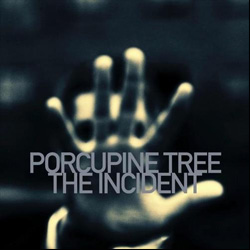
The Incident (2009)Much has been made of the song-cycle approach of disc 1 of Porcupine Tree’s new album, The Incident, and how Steven Wilson wanted the album to be treated as a whole.

It certainly pays off listening to Disc 1 in isolation, and in order, but some tracks do stand out in as songs you could listen to on their own, especially The Blind House and the two most melancholic tracks on the album, Kneel and Disconnect and I Drive the Hearse.

Kneel and Disconnect is a gentle piano and guitar driven piece, that seems to refer to the younger Wilson leaving his steady job and choosing music as his full-time career.

I Drive the Hearse has already become one of my favourite Porcupine Tree tracks. There is a real pastoral feel to this track, with some beautiful layered synths and mellotron from Richard Barbieri.

“You were always my mistake”

As a long-standing Porcupine Tree fan, it feels as if this is the album where SW has really found his voice – the chorus of The Blind House is supremely confident and the close-knit harmonies on Kneel and Disconnect totally hit the mark.

Some sections repeat throughout The Incident, with a couple of recycled musical motifs and repeated or similar lyrics in a couple of songs, but this is not laziness, rather a way of joining the pieces together to make one complete song cycle, especially as there is no apparent over-arching lyrical theme to the album.

The are references to SW’s childhood and musical upbringing throughout the album, but especially in Time Flies (The Beatles & Hendrix mentions in the tracks lyrics and the Pink Floyd musical allusion). Great Expectations was mentioned in an online interview as referencing a childhood friend whose life followed a troubled path.

“Hey there’s you, with placid eyes
Oblivious to what’s to come”

Drawing the Line features a haunting sample and an uplifting radio-friendly chorus that will surely work wonders live.

“Recording all my problems onto memory cards”

The lyrics to the title track of The Incident were apparently inspired by a fatal road traffic accident that was described by a police sign as an “incident”, which is a cold, impersonal way of describing something so damaging and catastrophic.  Musically the track is far removed from any other Porcupine Tree song, and maybe owes a sonic debt to Trent Reznor via Berlin era Bowie.

Time Flies was made available as an edit in Classic Rock magazine prior to the album’s release, and if you read fan feedback on the various PT forums, wasn’t universally accepted.  The version on the album that weighs in at a healthy 11 minutes and 41 seconds is the real deal though, and it feels like the centre-piece of the album, lifting the mood after the darkness of the 8 tracks that preceded it.  Now this IS what I would refer to as Classic Rock.

Octane Twisted darkens the mood again, and reveals its charms after repeated listening, and is one that will surely appeal to new fans that the band picked up from Deadwing onwards.

The Incident was clearly made to be listened to in isolation (you wouldn’t read a book or watch a film whilst checking your Facebook messages so why do this with music) and in the order it was sequenced, and it does sound amazing in 5.1, but  over time I think I will add key tracks to my ipod playlist (no, this is simply verbotten in PT Land, what am I saying, forgive me!)

I must admit to being disappointed with Disc 2, as the songs just aren’t as strong as those on the main disc. Maybe its me, but Flicker is a bit too PT by numbers for me. Black Dahlia is the strongest track of the 4, and the only track from Disc 2 that I return to regularly. Remember Me Lover seems to be lacking the magic of the tracks on the main disc, and whilst its probably a good song to hear live, I don’t choose to play it often.  I think Disc 2 suffers in comparison to the quality of the main part of the album. But this is only a minor criticism, as this album is slowly becoming one of my favourites from the band.
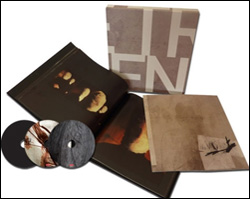
The Incident (Special Edition)The limited edition special edition of the album (the most expensive album, by far, that I have ever bought, so my credit card statement regularly tells me!) comes with the 2 disc CD of The Incident plus a stunning 5.1 mix on DVD, and a 116 page hardback book that includes lyrics and Lasse Hoile photography, and a 48 page softback book of drawings inspired by the album by Hajo Mueller.  Carl Glover, who produces the excellent artwork for no-man, is responsible for the graphic design.

Tracklisting: CD1 – The Incident: Occam’s Razor / The Blind House /
Great Expectations / Kneel and Disconnect Drawing the Line / The Incident / Your Unpleasant Family / The Yellow Windows of the Evening Train / Times FliesDegree Zero of Liberty / Octane Twisted / The Seance / Circle of Manias / I Drive the Hearse

CD2: Flicker / Bonnie the Cat / Black Dahlia / Remember Me Lover

Lyrics quoted © Porcupine Tree
Roadrunner Records B002GZQY6Q Release Date 14th Sep 2009
Porcupine Tree website
Buy The Incident on Amazon UK
Buy The Incident on Amazon US