Tim Bowness – Lost In The Ghost Light

14 01 2017

Lost In The Ghost LightLost In The Ghost Light is the fourth solo album from Tim Bowness (no-man / Henry Fool).

Lost In The Ghost Light is a concept album revolving around the onstage and backstage reflections of a ‘classic’ rock musician (Jeff Harrison of the band Moonshot).

Joining Tim on the album are Stephen Bennett (Henry Fool), Colin Edwin (Porcupine Tree), Bruce Soord (The Pineapple Thief), Hux Nettermalm (Paatos), Andrew Booker (Sanguine Hum), and guest appearances from Kit Watkins (Happy The Man/Camel), Steve Bingham (no-man), David Rhodes (Peter Gabriel / Kate Bush), Ian Anderson (Jethro Tull) and Andrew Keeling (Robert Fripp/Hilliard Ensemble/Evelyn Glennie) arranging for string quartet and flute on three of the album’s songs.

Tim’s new album, as well as being a concept album, with a very clear theme, is also musically his most cohesive release.  His most recent solo albums, Abandoned Dancehall Dreams and Stupid Things That Mean The World have both appealed to those who love progressive music. But if you are a fan of classic, first generation as well as modern prog, Lost In The Ghost Light will more than likely tick all the boxes for you. Musically, this album draws from the spirit of experimentation of the late 60s and early 70s, whilst keeping the Bowness musical identity intact.

I think its safe to say that Lost In The Ghost Light is an album that will be getting a ton of love from the (recently saved) Prog magazine, and will be appearing in a lot of reviewers end of year favourites lists.

Worlds Of Yesterday sets the scene with a backing of warm arpeggio acoustic guitar, some fascinating fretless bass and mid-70s keyboards / organs. The end section is wonderful, with flute (from Kit Watkins) and Bruce Soord‘s soaring guitar building up to a final 30 seconds that will surely melt your prog-filled heart.

Moonshot Manchild – well, Phil Collins would kill to have that feeling again. The piano and strings in the verse are solid-gold solo Collins, whilst the chorus and instrumental sections are unadulterated pre-80s Genesis.

“The days are long when you’re not working”

One of the most rewarding aspects of Lost In The Ghost Light is the multitude of instrumental passages, and Moonshot Manchild is one of the main beneficiaries of this freedom to explore the boundaries of the songs. I expect this song to be a possible Prog anthem of the year.

“You’re wearing the styles of your age.
 A slave to the whims of a phase, 
You dreamt of eternity’s gaze,
Now you’re running out of time.”

David Rhodes (Peter Gabriel / Kate Bush) and Mr Pineapple Thief handle guitar duties on Kill The Pain That’s Killing You, the albums least proggy track. It’s more akin to the sound of Tim’s previous albums, with a hint of no-man thrown in for good measure, so its obviously an album highlight for me!

Mid-way through the album, we have what I consider to be the albums jewel in the crown. Nowhere Good To Go is a delicious Bowness ballad, one that’s so good that it could easily be a song from no-man‘s Returning Jesus. It’s quite simply one of Bowness’s best songs.

An ever evolving arrangement keeps the song fresh, even after repeated plays. The moving lyric and vocals stay constant throughout the song, as the arrangement gets increasingly prog-flavoured towards the end. Nowhere Good To Go is a finely layered song, but underpinning the arrangement and the emotional performances is a beautiful and painfully sad story of the loneliness of the touring musician who is long out of touch and now forever out of time.

“The theatre’s deserted,
And there’s nowhere good to go.”

You’ll Be The Silence is one of the albums longest tracks, which gives the song time to build and explore.

“You caught the music of the moment by accident.
You caught the moments in the music by chance.”

A song of regret as the albums protagonist watches his band become largely irrelevant as the industry moves on and leaves him behind. Where would a band as out-of-time as Jeff Harrison‘s Moonshot fit into these days of a down-sized music industry, with no more excess and huge physical album sales? An industry moving toward streaming as the norm? I suppose they would say their new album is a return to their halcyon days and hope for reviews of the “best since Scary Monsters” variety.

“You went on stage together,
But you failed to find the art.”

Lost In The Ghost Light is filled with remarkable individual performances – Stephen Bennett hits a career best on the album in my opinion. Colin Edwin also gives some fine performances, the highlight being a moving bass harmonics solo on You’ll Be The Silence.
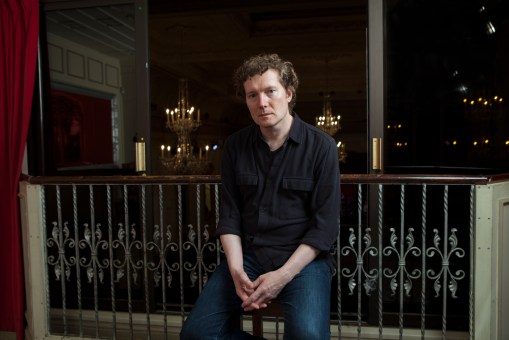
Tim Bowness

The Bowness production / arrangment and the usual high-quality mix and mastering by Steven Wilson need to be recognised in  reviews of the album. The way the Univox SR-55 drum machine slips seamlessly in and out of the percussion arrangement on You’ll Be The Silence is a joy to hear. A tip of the hat must also go to Bruce Soord, who delivers a passionate solo in the outro that David Gilmour would be proud to call his own.

The album’s title track is pure no-man – glitchy electronics and a treated vocal that recalls the darkness of no-man’s Bleed or the Wild Opera period. The lyrics see our man Jeff questioning the relevancy of his music and whether there will be more, or whether he will remain on the soul-destroying roundabout of the nostalgia circuit.

You Wanted To Be Seen continues the questioning and self doubt, with a backing that recalls Fragile era Yes with a pinch of Pink Floyd added for good measure.

I love Andrew Booker‘s performance on this track, which works so well with Bruce Soord‘s multi-layered guitar. It reminds me a little of late period Porcupine Tree in it’s intensity.

The album ends with Distant Summers, with Colin Edwin giving it some Danny Thompson on the double bass, and a stunning flute solo from Ian Anderson. Tim delivers one of his most emotional vocal performances on Distant Summers, and I hear echoes of early Kate Bush in the piano / bass interplay and string arrangement.

“Third on the left,
A monster and a mess,
Back in the days that you still love the best.”

A couple of years  have passed since the last Bowness album, but the wait was definitely worth it. Lost In The Ghost Light is a rewarding album that reveals new details on each play. I cannot wait to hear what people think of this album, as for me, its the best Bowness album to date.

5.1 mixes on the CD/DVD version

The 5.1 mixes by Bruce Soord of Lost in the Ghost Light and Stupid Things That Mean The World make up the DVD section of the double-disc version.

Lots of new details come to the fore in the 5.1 mixes. The vocal harmonies in Worlds of Yesterday and the piano on Moonshot Manchild are much more prominent in the 5.1 mix.

My favourite track on the album, Nowhere Good to Go, sounds amazing in this mix, with a lovely separation between the synth and the lush acoustic strings. Old school Genesis fans with love the synth lines that really stand out in this version.

The arrangement on You’ll Be The Silence is stunning heard through a 5.1 set-up. The album’s short title track sounds very different, with hidden, competing electronica making for a disturbing experience.

Another album highlight, You Wanted To Be Seen, has to be heard at volume to be appreciated fully.  The violin parts sit beautifully in Distant Summers, as does Ian Anderson’s solo.

I forgot to download (doh!) the 5.1 mix of Stupid Things That Mean The World that came as a pre-order bonus when the album was originally released, so this was my first listen to the album in 5.1. Just like Lost In The Ghost Light, new details emerge in the 5.1 mix of this album. Having the two 5.1 mixes adds real value to this package.

The first track that really stands out is Where You’ve Always Been – there is a lovely clarity in the individual performances, and it was a joy to get re-acquainted with one of the most underrated Bowness songs.

Know That You Were Loved works so well in 5.1 – no fancy tricks, no panning effects, just the power of an emotionally direct song in extremely high audio quality.

Press Reset is the real highlight of the 5.1 mixes for me. The bass notes cut through the mix, and oh man, when the heavy percussion and bass kicks in, it sends shivers every time.

“This is the day you’ll disappear”

The neighbours will be having words with me, as I have to crank up the volume on this track.

Everything You’re Not also reveals more detail of the unusual harmonies that go so well with the nostalgic strings and brass.

The short but certainly not sweet Soft William also takes on a new lease of life in this mix. Album closer At The End Of The Holiday reveals its powerful melancholy in 5.1. An emotional string intro leads to a moving arrangement, with brutal lyrics, and a proggy organ solo that almost act as a precursor to where Bowness would venture next with his new album, Lost In The Ghost Light.

Artwork

My initial review was from a digital copy of the album. Now I’ve got my physical copies – vinyl and CD/DVD – a special mention of the albums wonderful artwork is warranted. Tim has worked with Jarrod Gosling to flesh out the story of Jeff Harrison and his band Moonshot, whose story runs through Lost In The Ghost Light.
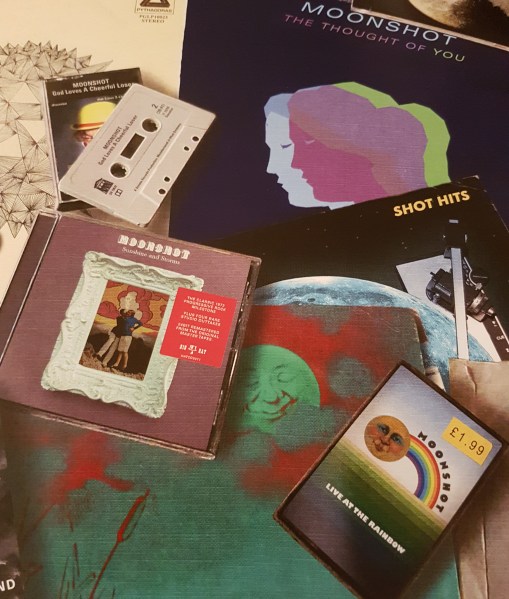
litgl

The album cover works as a perfect scene-setting statement, and really should be experienced in its full-size vinyl format. The gatefold sleeve (part of which is shown above) is stunning – with Moonshot vinyl, singles, vhs, CD and cassette artwork. The £1.99 sticker on the Moonshot Live at the Rainbow cassette raises a smile every time I see it.

Buy the album

Buy from Burning Shed

Buy the CD/DVD & vinyl from Burning Shed 

Buy from Amazon


Lost In The Ghost Light – vinyl


Lost In The Ghost Light – CD/DVD

Stream Lost In The Ghost Light on Spotify


The Pineapple Thief – Your Wilderness

17 08 2016

Your WildernessYour Wilderness is studio album number 11 from The Pineapple Thief, and is shaping up to be my favourite release from the band since Tightly Unwound from 2008.
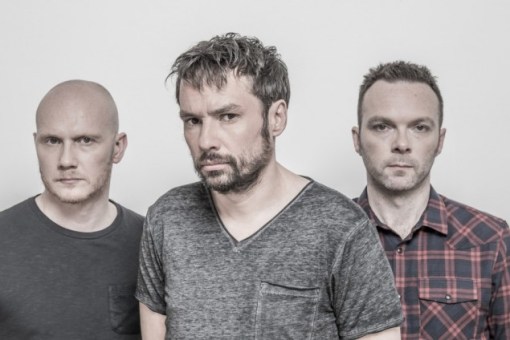
Some of the pre-release press hinted at a return to a more progressive sounding album, but to me, its dialling in the classic rock element more than a progressive leaning.

Album opener In Exile has no build-up, and launches straight in with razor-sharp guitar lines and some wonderful drumming from Gavin Harrison (King Crimson / Porcupine Tree). The adrenaline rush of In Exile‘s end section remind me why I love rock music so much, with guitar work that is reminiscent of Steven Wilson and his heavier work with Porcupine Tree (yes, I know hesmovedon).

No Man’s Land ushers in some warm West Coast harmonies that are one of the album’s strongest weapons. A lot of the performances are driven by quite restrained / sparse instrumentation, so when the drums and deep bass kick in on No Man’s Land‘s mid-section, its a powerful and moving moment.

That Shore is a beautiful track, with a lovely use of delay and hanging notes underpinning the slow-building keyboards. Bruce Soord’s work on the Wisdom Of Crowds album (with Jonas Renkse) seems to have informed some of the soundscapes on Your Wilderness, specifically on That Shore.

Take Your Shot features some of my favourite guitar parts on the album, and blasting out through an amp and speakers (as opposed to headphones / MP3) the love and attention given to the album’s mix and mastering shines brightly.

The_Pineapple_Thief-2016-promo

The Final Thing On My Mind is the album’s “epic” track, even though I can’t help thinking Joe Jackson’s Different For Girls is about to kick in during the first few sections of the opening riff.

“How did we get to be this cold?”

By far the most progressive track on the album, The Final Thing On My Mind has a powerful arrangement, especially when the instruments are pared back to the core of guitar, piano and vocals, making the heavier instrumentation all the more effective. This is the track I have found myself returning to the most when listening to the album. I can’t help but play it again and again!

Where We Stood closes the album on a sad note, with touching lyrics of regret and forgetfulness.

A special mention deserves to go to the design of the deluxe edition of the album. The 11″ book that houses the discs contains album credits, lyrics and some wonderful pictures from the Carl Glover archive. If you are a fan of Steven Wilson and no-man, you will be aware of Carl’s work, and these pictures of a long-lost USA – of family gatherings, cars on the Hoover Dam, family holidays in the 1950s and lonely motels, suit the album so well.

As well as containing a DVD with 5.1 mixes, the deluxe edition includes on CD 2 an album’s worth of new material (8 Years Later) that is often built from ambient / found sound flourishes and arrangements that veer towards Soord’s more electronic side, rather than the song based / rock elements of the main disc.

8 Years Later works well in its own right, but the main Your Wilderness album is arguably the best release from The Pineapple Thief to date.

Buy Your Wilderness on CD from Amazon

Buy Your Wilderness Vinyl from Amazon

Buy Your Wilderness (limited Edition) from Amazon

Buy Your Wilderness (limited Edition) from Burning Shed

Buy Wisdom of Crowds from Amazon


Big Big Train – Folklore

10 06 2016

Big Big Train - FolkloreFolklore is the ninth album from the English progressive band Big Big Train. I first heard the band quite late in their development, around the time of album number 6, The Underfall Yard, but I really started to take notice with the two English Electric albums from 2012 and 2013.

One of the most interesting aspects of Big Big Train for me is the lyrics. They are often incredibly nostalgic, and tell unique stories – of times long gone and landscapes no longer seen. Drawing on art, literature, landscapes and history,  Big Big Train deliver stories of master forgers, mining communities, shipbuilders and curators of butterflies, with music that matches the imagination and variety of the words.

So onto Folklore, the new Big Big Train album. I’ve been living with the album for nearly two weeks now, and its already one of my favourite albums of the year. Make no mistake, this is a classic album, from beginning to end.

Opening with the title track, strings and brass (real, not synthesizer) usher in one of the albums most powerful tracks. Driven by a mesmerising drum groove and shaft-like guitar line, its a real statement of intent. The breakdown towards the end of Folklore is so moving, real hairs on the back of the neck stuff.

“Sometimes truth hides behind the lines,
grist to the mill, fuel to our fire.”

London Plane is a gentler piece, with wonderful layered harmonies, and a long, very proggy instrumental section.  Reviews of Big Big Train often mention the band’s Englishness. I’m not going to get into a Brexit / stay or leave referendum argument in this review, don’t worry, but certain bands really evoke where they are from, or where they draw their influences. You can hear New Jersey in early Springsteen as much as Big Big Train have the English countryside and Northern cities dripping from every organ solo or acoustic flourish.

Along The Ridgeway has some great guitar from former XTC mainstay Dave Gregory, and a key feature on this album, some fine brass arrangements. The track seques into Salisbury Giant, an organ and violin driven piece that builds on the melodies from the previous track.

The Transit Of Venus Across The Sun is my favourite track on the album. Opening with a brass arrangement that owes as much to Peter Skellern as it does to Genesis or Peter Gabriel, the song takes many twists and turns on its journey. Vocalist David Longdon delivers his best performance on this track and the mid-section chanting that gives way to delicious harmonies has to be heard to be believed. Its a stunning track.

“Here be dragons taking flight..”

Wassail reminds me of mid-80s Peter Gabriel, and is the most immediate of the songs of the album, with a blazing hammond solo halfway through the song.

Songwriting duties on Folklore are split between vocalist David Longdon and founding member, bassist Greg Spawton, yet there is a real feel of consistency throughout the album.

The subject matter for Winkie is based on a true story – read more in this BBC news piece. This is the most progressive track on the album, with some Chris Squire like bass from Greg Spawton.

Brooklands is the album’s longest track, with lyrics from the point of view of a racing driver reminiscing about racing at the long closed Brooklands racing track in Surrey. As much a song about the passage of time as it is about a specific racing driver, the music compliments the lyrics well, giving a real feel of speed and movement.

“Just give me one more run…”

The album closes with the pastoral Telling The Bees. The song has a real early 70s vibe to it – on first listen I almost expected Rod Stewart to start singing! If you don’t find yourself swaying and nodding your head to this song, you need to check your pulse.

Telling The Bees is the perfect ending to a wonderful album that I can’t recommend enough.

Buy Folklore from Amazon

Buy Folklore vinyl from Burning Shed

Buy English Electric Full Power from Amazon


Jeff Lynne’s ELO – Alone In The Universe

10 11 2015

aloneintheuniverseAlone in the Universe is the first album of new material released by Jeff Lynne under the ELO banner since 2001’s Zoom. The opening track When I Was a Boy sets the stall out straight away. The descending bassline and strings let you know that you are listening to the classic ELO sound.
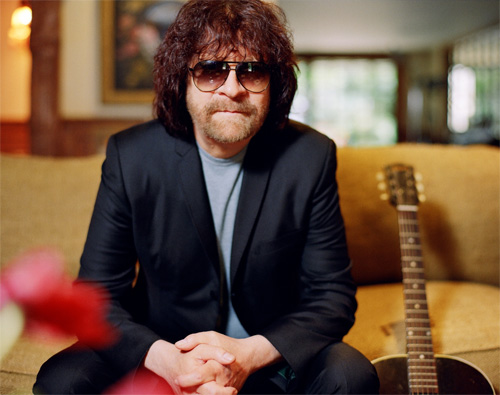
Love and Rain lifts the tempo, and along with the majority of this album, would not have sounded out-of-place blasting out of your FM radio back in 1977/78. And that’s fine by me – I wouldn’t expect a 2015 ELO album to sound like its of the here and now. That would be just plain odd.

Alone in the Universe works well as it delivers what you would expect – well-crafted pop songs that last around the 3 minute mark.

When the Night Comes serves up the albums first classic Lynne chorus, and the song is underpinned by a late 70s / early 80s reggae infused bass and guitar line.

The Sun Will Shine on You is one of the album’s strongest songs. It packs in more hooks in the first minute than the majority of current albums. The bass and synth are especially effective on this stand-out track.

Lynne likes to throw 50s rockers onto most of his albums, and Ain’t It a Drag has its roots in the era of Buddy Holly and Duane Eddy. But whilst the arrangement of Ain’t It a Drag pays homage to Lynne’s youth, the song is more Tom Petty than Roy Orbison, and it is not locked into just one era.

However the bossa-nova beat of I’m Leaving You IS pure Roy Orbison, and feels more Travelling Wilbury’s than ELO, and is the only slight misstep for me on the album.

Jeff Lynne

Earworm alert! You will probably think that you have already heard One Step at a Time, even if you haven’t heard the song on Spotify, as it draws heavily from the classic ELO sound and feels instantly familiar. As you would expect, the production values are high on Alone in the Universe.

Alone in the Universe feels like a early to mid-70s track, and whilst lyrically Lynne goes all Ground control to Major Tom on us, I really think the arrangement on this final track is a notch above the other tracks and makes you return to the song more than others on the album.

Alone in the Universe does not break new ground by any means, but thankfully its not one of those returns that makes you wish the artist had remained away from the recording studio. Its an album full of very good pop songs, and it sounds just like you would expect an ELO album to sound. It’s also free of excess – coming in at under 40 minutes and so leaves you wanting more.

So if you were a fan back in the 70s and 80s, there is plenty for you to enjoy on Alone in the Universe. Welcome back ELO.

Buy Alone in the Universe on CD from Amazon

Buy Live in Hyde Park bluray from Amazon

Buy The Classic Albums Collection on Amazon


Sanguine Hum – Now We Have Light

25 02 2015

now-we-have-lightNow We have Light is Oxford band Sanguine Hum’s third album, and the follow up to 2013’s The Weight of The World.

Now We have Light expands on the sound and themes of the previous album,  but takes things a step further, with a concept based double album. I’ll leave you to discover the concept when you explore the CD (look into my eyes, buy the CD).

Desolation Song sets the scene, introducing the main character in the concept. Some beautifully layered textures and solo lines from guitarist/vocalist Joff Winks, plus an array of tempo changes ensure that this album will appeal to fans of Pink Floyd and Steven Wilson.

“It’s basically a tale, the telling of a story…”

The gently pastoral backdrop of Drastic Attic leads into the psychedelia of Getting Warmer, with its bubbling synths and distant bells courtesy of keyboardist Matt Baber.

Out of Mind is a perfect example of the complexity to the arrangements and performances on Now We have Light. A subtle break-down and then build-up takes place at the songs mid-point, with the rhythm section of bassist Brad Waissman and (current no-man / Tim Bowness / Henry Fool drummer) Andrew Booker really adding to the mood and drive of this key song.

The keyboards (a mixture of hard Moroder-esque sequencers and jazzy rhodes) cook up a treat on the jazz-rock referencing TheftDerision closes the first CD – and normally a track of this quality would be a fitting album closer, but the story continues onto the second CD.

Cat Factory is driven by a tight funk bassline, and reminds me a little of some of the mid-70’s Stanley Clarke albums that I listened to in my formative years.

sanguine-hum

On the Beach (no, not a Chris Rea cover version) is one of the most progressive tracks on the album, which at times also has a feel of Hatfield and the North and early Genesis.

The two longest tracks on the album are up next – End of the Line has a steady groove and addictive keyboard lines. Spanning the Eternal Abyss weighs in at nearly 11 minutes and as such has the space to fully explore the riffs, moods and multiple layers of the song.

Spanning the Eternal Abyss is made up of several parts, and I particularly love the toms and piano early section, before the track slows down (with a glitchy, funereal pace percussion loop) towards the end.

The album’s closing tracks, Bubble Trouble and Settle Down feature vibraphone work from jazz musician Jim Hart. Settle Down features the album’s best vocal performance from Joff Winks. It struck me on the early listens to Now We have Light that whilst the lyrics are an important ingredient in the songs, they are not obtrusive but make their point on repeated listening.

If you like modern progressive rock (Steven Wilson, Big Big Train, White Willow, Lifesigns et al)  or progressive influenced / post-rock  bands such as Radiohead, Mogwai or Sigur Ros, I would urge you to investigate Now We have Light and the music of Sanguine Hum.

Buy Sanguine Hum – Now We Have Light (Double CD version) on Amazon
Buy Sanguine Hum – Now We Have Light (Box-set – 2CD/DVD) on Amazon


White Willow – Animal Magnetism (digital single)

20 02 2015

Animal Magnetism is the firswhite-willowt new music from Norway’s prog heavyweights White Willow since the wonderful Terminal Twilight album in 2011. The single is a cover of a song from German heavy rock band, The Scorpions.

Jacob Holm-Lupo and co have replaced the rock guitar of the original song with pulsating hard synthesizer sequences for the most part. The synths remind me a little of Tangerine Dream and the song serves as a fine tribute to Tangerine Dream’s founding member, Edgar Froese, who passed away in January.

Norwegian singer Venke Knutson makes her White Willow debut on this track, and has slotted in seamlessly straight away. The vocals in White Willow songs are usually very much to the forefront, but for this song, they are heavily treated and sit much deeper in the mix than is usual, which suits the claustrophobic, M83 on acid feel.

Don’t think for a moment that White Willow have watered down the song, it’s still very powerful, and the lyrics are very direct. Sirens and deep bass notes give a feeling of alarm, and the middle section of the song has a wild clarinet solo from David Krakauer.

This feels like a real departure from White Willow – and I can’t wait to hear the new album that’s due later in 2015. The album will apparently be part 1 of a 2 part concept album – so don’t be surprised if the prog returns with a vengeance. Welcome back White Willow.

Listen to a stream of the song below – and if you like it, buy the single on one of the links.

Buy Future Hopes – the new White Willow album, that includes Animal Magnetism  on Amazon.

Read the full review for Future Hopes


White Willow – Storm Season (Expanded Edition)

2 01 2015

storm-seasonWhite Willow‘s best-selling album is available again, in a remastered / expanded format from Termo Records.

The 2014 expanded edition of Storm Season includes extras in the form of Headlights (previously only available on the Japanese edition of the album) and excellent demo versions of Nightside of Eden and Sally Left.

The 2014 remaster of the album really does improve the sonic quality. The drum / synth interplay on the outro of Chemical Sunset sounds amazing. So even if you already have the original version of the album, its worth picking up this definitive version.

If you are new to Storm Season, or indeed the music of White Willow, have a listen to the selected Spotify streams in this review and then head over to Amazon if you like what you hear.

Album opener Chemical Sunset sets the scene, with its mix of prog and folk-rock and a slight touch of metal. Storm Season is an album of light and shade, power and calm, and Chemical Sunset is a well-chosen opening track.

Sally Left would not sound out-of-place if played alongside any of the current prog releases. The demo version on the 2014 re-issue offers a more electronic take on the track.

Endless Science is a rare gentle piece, driven by acoustic / classical guitar and awash with vintage analogue synths and real strings.

Soulburn is the centrepiece of the album. A gothic sounding intro gives way to crunching metal guitars. The track is a duet between Finn Coren (who sounds like Peter Murphy from Bauhaus) and principal album vocalist Sylvia Erichsen. I must admit that the metal guitar riffs do detract a little on a couple of occasions in this song, but that’s probably because I was never a fan of mid-90s metal.

Insomnia is powered by organ and a deep bass-line, along with a side-helping of prog’s favourite keyboard, the mellotron. I love the vocal treatment towards the middle of the song. White Willow’s Jacob Holm-Lupo is an excellent producer, I love the way he makes his productions sound so warm and colourful. Insomnia is my favourite track on the album – have a listen below.

The title track to Storm Season would not have sounded out of place on a mid-period Mike Oldfield album (that’s a compliment, if you were wondering!).

“Lost on a raging sea, lost on a raging sea,
I am the voice to lead you home.”

Nightside Of Eden closes the original album. The heavier guitar lines on this track hark back to the early 70s rock riffs of Black Sabbath and Rainbow, more than the 90s metal scene. A wonderful riff crops up on a couple of occasions, most noticeably in the middle section, and reminds me of Blue Oyster Cult.

Take a listen to the wonderful demo version of Nightside Of Eden – if you are a fan of Porcupine Tree circa Up The Downstair / The Sky Moves Sideways, and those album’s heady mixture of psychedelia and dance, you will surely appreciate this track, as it goes off-piste towards the middle of the song.

Apparently Storm Season is the most popular White Willow album. It’s certainly a very good album, but has not quite stood the test of time (due to the metal leanings) as much as earlier releases such as Sacrament, which was also reissued in 2014.

My favourite White Willow album (and one of my favourite progressive album’s of all time) is 2011’s Terminal Twilight. If you haven’t heard Terminal Twilight, especially the beautiful Floor 67, I suggest you rectify that mistake immediately.

A taster of the next White Willow album is due in January 2015, so visit the band’s website and sign-up to their email list if you want to hear when this will be made available.

Storm Season (Expanded Edition) – Buy Storm Season at Amazon UK

Sacrament (Expanded Edition) – Buy Sacrament at Amazon UK

Terminal Twilight – Buy Terminal Twilight at Amazon


White Willow – Sacrament (Expanded Edition)

25 09 2014

White Willow "Sacrament"White Willow’s third album, Sacrament from 2000 has been remastered and re-released in an expanded edition on Termo Records.

The band’s most recent album, 2011’s Terminal Twilight, is one of my favourite albums of the past few years, so I’ve found it interesting to explore some of White Willow’s earlier material. Opening with Anamnesis, all the elements that make up the band’s armoury are here – the flutes, classic 70s keyboards / synths, multi-layered acoustic and electric guitar and the vocals of Sylvia Erichsen, along with a powerful deep bassline underpinning the song. Some lovely subtle percussion drives the middle section of the opening track, before it gives way to a more raw, organic performance, with a real live feel.

Paper Moon has hints of Signify era Porcupine Tree with the emotive, reverb-drenched keyboard sounds. Jacob Holm-Lupo is an excellent producer, and always brings a warm, colourful mix to his recordings, especially with the vocals. If you haven’t already done so, check out his other major project, The Opium Cartel.

“You came, and left too soon”

The Crucible opens with a Hackett-esque (Spectral Mornings era) guitar intro, and keeps a pastoral feel throughout the early section of the only instrumental song on the album, which builds to a powerful, somewhat Floydian multi-guitar ending.

The Last Rose of Summer features Jacob joining Sylvia on vocals, in a moving track, which stands out due to it being one the most straightforward, simple arrangements on the album.

Gnostalgia is another album highlight. A slowly building arrangement, and my favourite vocal performance on the album, it’s simply a beautiful piece of progressive music.

“As echoes in a quiet land, where spirits may grow strong”

The closing track of the album proper is the disturbing The Reach. Setting the scene with it’s “Ring a Ring o’ Roses” opening (the original rhyme is often explained as being about the Great Plague from 1885, history fans), the track twists and turns though time signatures, and is a stark contrast to some of the gentler moments in the album’s preceding tracks. But there is beauty in decay and darkness, you just have to scratch a little deeper under the surface to find it.

“Fragrant night, give me shelter”

The album ends with a couple of demo recordings plus an audience recording from the era, but I prefer to hear the album in it’s entirety without the bonus tracks, though I’m sure long-standing fans will appreciate the extras.

Sacrament is an excellent album, that in this 2014 remastered form, doesn’t sound like a 14 year old album. Maybe it’s time is now?

Buy White Willow’s Sacrament (Expanded Edition) at Amazon UK

Buy White Willow’s Terminal Twilight at Amazon UK

Visit the White Willow website.


Knifeworld – The Unravelling

27 07 2014

Knifeworld "The Unravelling"The Unravelling is a wonderfully psychedelic, progressive album. Tracks veer from Pretty Things influenced 60s pop, to all out progressive tinged epics, often within the same song!

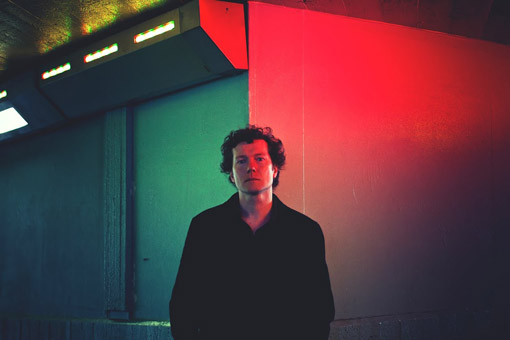
The album’s opening piece, I Can Teach You How To Lose A Fight, sets the scene for the whole album, with shifting time signatures aplenty and a neat segue into the album’s shortest track, The Orphanage, which thunders along driven by some great new wave guitar.

Don’t Land on Me is a wonderfully progressive piece, with a feel of King Crimson in some of the instrumentation. The switching of lead vocals between Kavus Torabi and Melanie Woods works really well, especially on this track.

This Empty Room Once Was Alive is the most disturbing track on the album. Simple instrumentation underpins a song that at first listen seems to be a song about being haunted, but soon reveals itself to be about the deep pain of loss and the loneliness that follows bereavement.

“And all I am is frightened, I’ll forget just what we had”

Another track to be filed under disturbing is The Skulls We Buried Have Regrown Their Eyes. Shifting rhythms, spidery rhodes and an imaginative use of brass provide the backdrop to a gothic horror story. A track that works really well with the lights turned off.

Destroy The World We Love reminds me a little of the mood of Mansun‘s Six album. An infectious guitar riff underpins the song, indeed the second half of this track is one of the highlights of the whole album.

“You hold a secret in your hands”

Album closer I’m Hiding Behind My Eyes is my favourite track on the album, and is sequenced well, as the most traditional sounding track on the album. The song benefits from an even pace, only going off piste for a brief period in the tracks mid-section, as it builds to a perfect album finale. I love the interplay between piano and guitar in the first section of  I’m Hiding Behind My Eyes.

“In this cold galaxy, you and me,
Could form another world now.”

On first listen, you might be put off by the complexity of The Unravelling, but stick with it and you will be rewarded with a rich album filled with moving, haunting, imaginative stories set to powerful music that dips in and out of the decades for it’s inspiration.

Buy “The Unravelling” on Amazon


Tim Bowness – Abandoned Dancehall Dreams

11 06 2014

Tim Bowness - Abandoned Dancehall Dreams

A mere 10 years after his debut solo album, no-man / Henry Fool singer Tim Bowness releases Abandoned Dancehall Dreams on June 23rd on the Inside Out label.  And it’s a world away from his debut.

The Warm-Up Man Forever kicks the album off in style – the opening song seems to feed off the spirit of mid-80s Kate Bush, from the urgent Sat In Your Lap toms through to the Hounds of Love referencing strings. Although the pace of the song is definitely cranked up a few notches from these Bush classics – imagine the Siouxsie & the Banshees drummer Budgie pounding away in a post-punk stylee, if you will.

“Cruising the backstage, spitting feathers”

The Warm-Up Man Forever is a great opening song, and has really grown from the version performed on the no-man tour a couple of years ago. A blood-thirsty guitar solo from Michael Bearpark brings the song to it’s end.

In an alternate universe, this is the track that opens this weeks edition of Top of the Pops, pop pickers.

But that was just a phase…

Smiler At 50 slows the pace, and sets the tone of loss and regret that runs deep throughout this album.

“The girl that Dads could laugh with, a face just right for first kiss”

A beautiful, aching string refrain signals the middle section of the song, as it heads towards its unexpectedly proggy ending. Fans of Steven Wilson‘s recent albums will love this powerful, dissonant outro. The songs on this album have really been given the chance to stretch and find their own space, with longer instrumental passages that are missing from previous Bowness solo material.

Picture by Charlotte Kinson

Before you have a chance to recover, the most heartbreaking track on the album hits you. Songs Of Distant Summers is in the mould of the classic no-man ballads of years gone by. Hanging piano chords, underpinned by sweet synth layers and deep bass, with a lyric that touches on the feeling musicians sometimes experience during that intense moment of creativity.

“Sweet songs from fading summers, old friends who grew apart”

For some reason, this song reminds of the wonderful, blissed out classic Winter in July by Bomb the Bass. I remember reading an interview many moons ago, I think it was with Bernard Sumner from New Order, who said he woke up to Winter in July playing on the radio and he thought he had died in his sleep and woke up in heaven.

Whilst Songs Of Distant Summers is virtually beatless, it has that heavenly feel mixed with found-sounds buried deep in the mix, and it takes you to another place. Oh, and I’m always a sucker for any song with rhodes piano.

I’ve been living with the album for nearly six months now, and I really do believe that Songs Of Distant Summers is up there with no-man’s Truenorth as one of the finest Bowness songs.

She sees the factory buildings…

Waterfoot has shades of another Bowness vehicle, Memories of Machines, his collaboration with Giancarlo Erra from Nosound. The lyrics and music reference an industrial Northern England long since disappeared (in a similar way to the excellent Big Big Train). Emotive synths (plus more rhodes, yay) and a lovely acoustic guitar reference Steve Hackett and a little of the spirit of early Genesis to these battle-scarred ears. Waterfoot really grows after repeated plays, and it’s playfulness is a joy.

This may be controversial, but I will fight the corner for Dancing For You being on a par with some of the mid-80s Phil Collins ballads. Yep, you read that correctly. Phil Collins has always been an easy (lover) target – but In the Air Tonight, If Leaving Me Is Easy and Don’t Let Him Steal Your Heart Away are wonderful songs. Have a listen, and let go of your prejudice.

Picture by Charlotte Kinson

Anyway, back to Bowness. The piano and 80s drum machine might reference classic Collins, but the lyrics are much more hard-hitting and direct than anything Mr Sussudio has committed to vinyl.

“She was dancing for you, and you looked away.
Dancing for you, another you, on another day”

The 70s sounding backing vocals and decaying guitar top off probably the saddest song on the album. And the sad songs say so much, don’t you know.

Smiler At 52 finishes the story from earlier in the album’s song cycle, and sadly it’s not ended well for dear old Smiler. Glitchy percussion and a nagging keyboard line underpin the story of a lonely, middle-aged Smiler and her mountain of regret.

“Far from young and not yet old.”

Looped vocals and an engaging bass-line take the song to its fade.

I Fought Against The South is the longest track on the album, and probably the biggest surprise on first listen. It’s the track on the album that really captures that live no-man feel from the recent live dates, and is almost a cousin to one of my favourite no-man songs, lighthouse.

A wonderful, loping beat and heart-wrenching strings and solo violin drive this slow-burning epic track. It’s a perfect headphone track, with great separation between instruments – listen as a dirty, scratched organ smashes into the mix 1/4 of the way through, and then disappears, taking the strings with it.

“The dream was in tatters, so what did it matter? My temper was quick but my movements were slow”

After a few seconds of near silence, the toms usher in the final, powerful instrumental section. Played loud, the fluttering cymbal work and interplay between guitar and keyboards is up there with the finest modern-day progressive music.

Too much is not enough

Normally, I Fought Against The South would be the perfect album closer, but Bowness has chosen to close the album with Beaten By Love. The oldest song on the album, this is the definitive version. A perfect post-punk bookend to the album opener, Beaten By Love is the darkest track on the album, with some fine bass work by current no-man bassist, Pete Morgan. Tim’s partner in no-man, Steven Wilson, as well as mixing the album, contributed the frankly evil-sounding guitar to the album’s menacing closing track.

“So completely, beaten by your love”

Abandoned Dancehall Dreams deserves to be heard by as wide an audience as possible. It’s almost an oddity in the modern era, a throw-back to those carefully sequenced releases from the golden era of classic albums.

Its a release that I think will eventually be considered as a career highlight. The attention to detail is evident throughout the whole package – from the range of wonderful, individual performances from musicians such as Pat Mastelotto (King Crimson), Porcupine Tree‘s Colin Edwin, Anna Phoebe and members of the no-man live band, to the album mastering by Pink Floyd engineer, Andy Jackson.

Potentially my favourite album of 2014? I thought it would be when I first heard the album back in January, and I’ve yet to hear anything released this year to make me think I was wrong.

Picture by Charlotte Kinson

Sounds of Distant Summers

The two CD version of Abandoned Dancehall Dreams contains a companion CD of alternate versions and out-takes. The wonderful Grasscut contribute a string-driven, more percussive take on Smiler at 52.

Ambient keyboard overlord Richard Barbieri (Japan / Porcupine Tree) delivers a colourful mix of Songs Of Distant Summers, seeped in the nostalgic tick of clocks, childrens toys and low, rumbling bass synth.

UXB serve up the most radical alternate mix, with the boy and girl vocals of Dancing for You brought to the fore, and the Bowness lead vocals completely stripped out. It’s almost like an electronic Swingle Singers! Please believe me when I say it works really well.

The 5 remaining tracks are out-takes from the album sessions.  The track Abandoned Dancehall Dream is a bossa-nova beat, scratchy stereogram sounding track over which Bowness croons  “the sound of dead men singing (they love you)”. It reminds me of the music of The Caretaker (think Kubrick’s The Shining), and it’s an intriguing shorter than short song, that whilst it fits the abandoned dancehall concept, sonically does not fit on the main album, but thankfully has found a home on the companion disc.

The same can be said of The Sweetest Bitter Pill – a jazzier song than any on the main album, with some lovely synth work. It featured in early album sequences but always stood out a little, and so found it’s rightful home on disc two.

The Warm-Up Man Forever (band version) sounds like early U2 fed on a diet of Icicle Works albums. It’s good to hear this early take, which sounds like my memory of how no-man performed this track on their last tour, but it’s surpassed by the main album take.

The remaining two tracks are alt-takes of Songs of Distant Summers, recorded during the early band sessions for the album. More guitar driven than the album version, they offer a different perspective, but as WUMF, the seeds cannot compare to the full-bloom.

Whilst you will probably dip into the companion album every now and then, its the main album that you will find yourself returning to time and time again. So treat yourself to a copy from one of the links below.

Order Abandoned Dancehall Dreams from Burning Shed.

Buy the CD from Amazon UK

Buy the CD on Amazon US

Visit the Tim Bowness website

Tim Bowness pictures by Charlotte Kinson