Rupert Hine – Surface Tension – The Recordings 1981-1983 review

26 09 2022

As an Amazon Associate, I earn from qualifying Amazon purchases via this website.

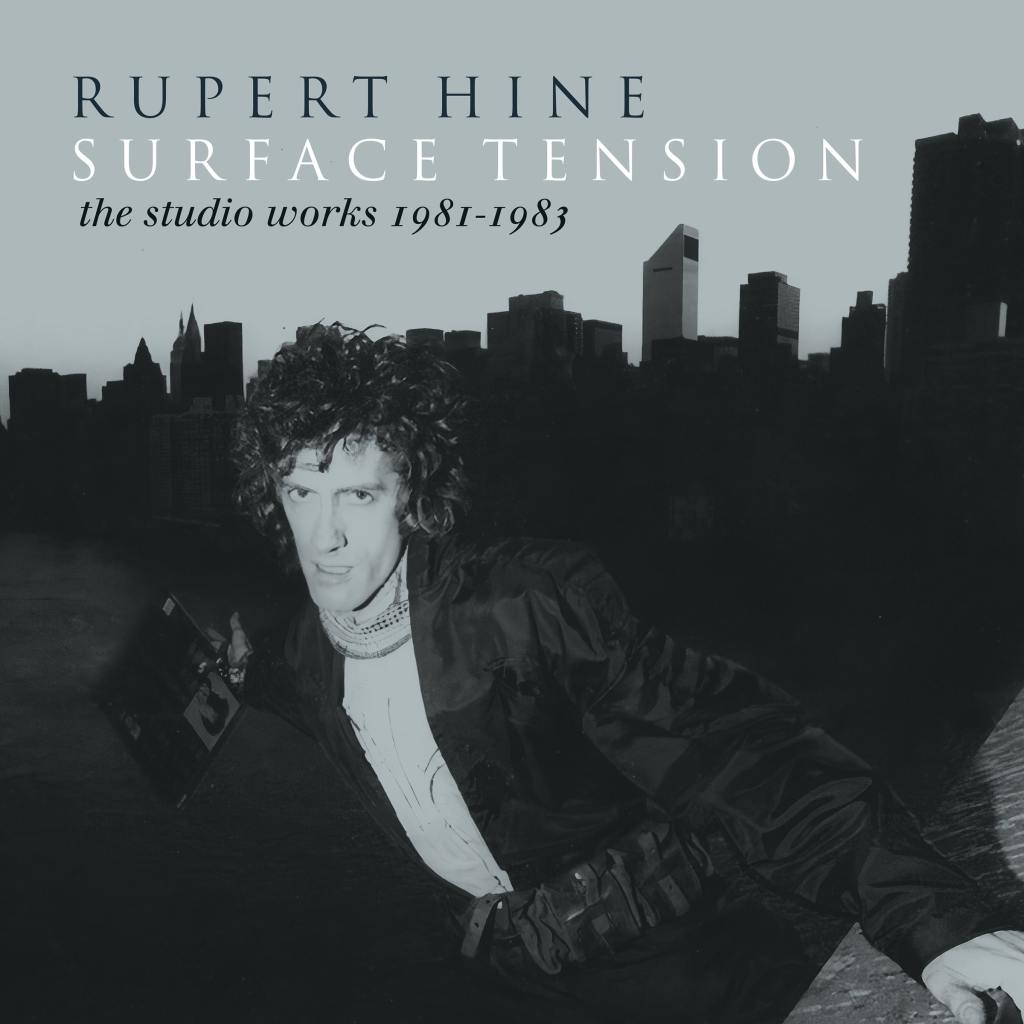
Rupert Hine – Surface Tension – The Recordings 1981-1983 is a 3CD Box Set containing the albums Immunity (1981), Waving Not Drowning (1982) and The Wildest Wish To Fly (1983). The three early 80s albums have been newly remastered by original engineer / co-producer Stephen W Tayler. The boxset also includes an illustrated booklet featuring an essay and interviews.

Rupert Hine - Surface Tension – The Recordings 1981-1983 cover

The three albums were a partnership – with music written by Rupert Hine and lyrics written by Jeannette Obstoj. Hine had success as a member of Quantum Jump and also had an amazing career as a songwriter and producer, going on to produce more than 160 albums, including collaborations with Tina Turner, The Fixx, Howard Jones, The Members, Chris de Burgh, Jona Lewie, Rush, Bob Geldof, Stevie Nicks, Thomson Twins, The Waterboys, Kate Bush, Suzanne Vega, Underworld, Kevin Godley and Duncan Sheik.

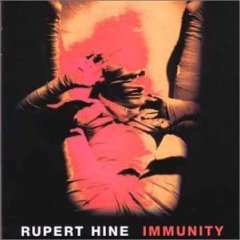
Rupert Hine - Immunity cover

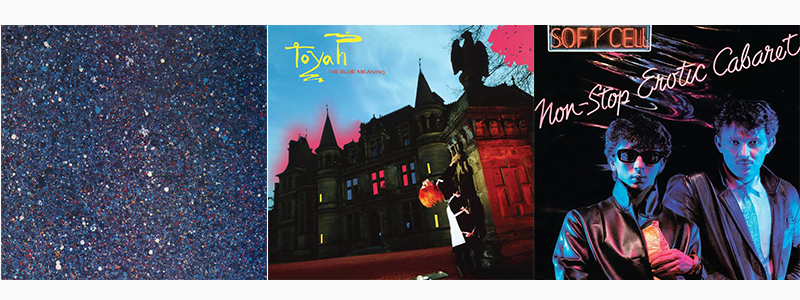
The first album in the collection is 1981’s Immunity. Guests on the album include an appearance by Marianne Faithfull on Misplaced Love, and Immunity includes performances from renowned guitarist Phil Palmer, drums and percussion from Trevor Morais, along with Phil Collins contributing percussion on two key tracks.

I Hang On to My Vertigo sets the scene for this trilogy. Immunity is driven by early 80s suspended piano and deep synths, expertly processed (I love the decay effects and the use of the Eventide harmoniser on the album) topped with a mixture of acoustic and electronic percussion. The songs mostly have a sombre, dark feeling with a heavy reliance on mood and atmospherics, giving the albums a timeless feel.

Samsara is a haunting piece, with heavily processed synth percussion, and layered choral vocals from Hine. Hine is often rightly praised for his production work, but was not given enough credit for his solo recording career. He had a unique, instantly recognisable vocal style that perfectly suited the material he released in the 80s, and it is easy to see how these three albums influenced other musicians of the time.

Credit must also go to lyricist Jeannette Obstoj, whose often dystopian, and always interesting lyrics clearly fed and inspired Hine’s imagination.

The album reaches a peak of darkness with I Think A Man Will Hang Soon. An initially sparse arrangement, with sharp peaks and troughs, and the album’s first appearance of live percussion and heavy guitar, adding to the feeling of fearful apprehension.

“I think a man will hang soon
He’s hiding in a back room
His morals are confused now
Like walls they’re bound to crack soon”

The title track and Another Stranger feature Phil Collins on percussion. Marimbas pepper Immunity throughout the verses, for one of the lighter, more uplifting songs on the album. Another Stranger has a heady mix of electronic with acoustic instrumentation. Phil Palmer adds some delicious heavily chorused guitar, and Collins contributions are understated, serving the song well.

I always wondered if the “Boredom–boredom–boredom” from the chorus of Psycho Surrender was a lyrical nod to the Buzzcocks track from three years earlier? Psycho Surrender includes some of the techniques that came to the fore in electronic music a few years further down the line, when sampling technology arrived, although in this case, the “samples” are bottles being smashed and recorded in real time.

Make a Wish is once again driven by synth percussion and multi-tracked vocals, amongst the fractured mechanical arrangement, that has the feel of an old AM radio tuning in and out of the static. The moment the noise is tuned out and Hines vocals and synths cut through, offers up one of the most powerful moments on the album.

Immunity ends with two bonus tracks, the dark Scratching At Success and the brutal minimalism of Introduction To The Menace.

“He’s scratching at success
Like some poor dog locked in a room”

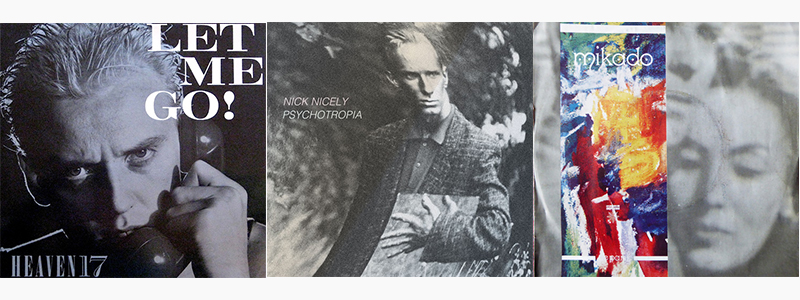
Waving Not Drowning from 1982 was my introduction to Rupert’s work, and remains one of my favourite albums from the early 80s. I first heard the album on one side of a cassette lent to my by a flat-mate, and along with the album on the other side of the tape (Talking Heads More Songs About Buildings and Food from 1978), Waving Not Drowning was a constant companion for my Walkman accompanied early morning commutes to the NHS hospital where I worked at the time. I lost track of the album (when I eventually gave the tape back!) and did not hear it again until buying a CD reissue (from Voiceprint in 2001) and then tracking down an original vinyl copy from Discogs.

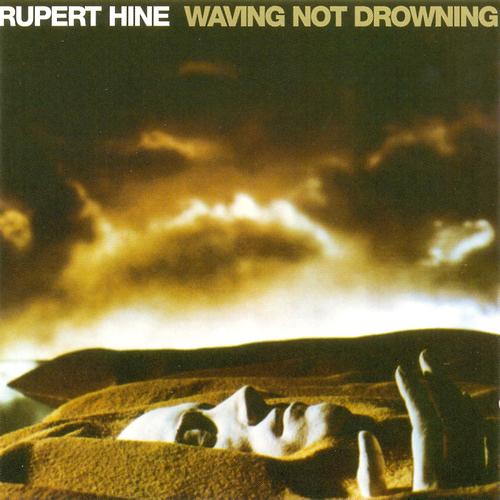
Rupert Hine - Waving Not Drowning cover

The Phil’s (Palmer and Collins) plus Trevor Morais are joined by Chris Thomson for Waving Not Drowning.

Waving Not Drowning is the album I am most familiar with from this collection, so to me the improvements from Stephen W Tayler’s remaster is at its most pronounced here. The songs on Waving Not Drowning are amongst Hine’s strongest, with a shift to more conventional arrangements whilst keeping most of the quirky, innovative production in place.

Eleven Faces sounds so powerful with this remaster, utilising a Hine signature – the vocal line closely following the keyboard melody.

“Do I remember how he held the woman down
His shadow made a pool so deep she had to drown”

It is also noticeable in this remaster how the volume increases slightly at key points in the arrangement of songs.

The Curious Kind has a wonderful, addictive chorus with background vocals from Christopher Thomson.

“The slow recurring point unwinds
We always were the curious kind”

The Set Up has one of those chorus’s that sticks like glue. The production is so clever on this track, a metronomic rhythm, with vocal and synths offering an unconventional bassline lurking behind an emotional synth backing.

Jeannette Obstoj provides Hine with wonderful lyrics about conformity and social shaping.

“They did it with kindness
They did it with a smile
They did it all, with a licence
They did it, according to the rules
They did it, with good advice
They did it, from inside
They did it, for some reason
They did it
Well they tried”

Dark Windows uses stormy weather as a backdrop to introduce the percussion, with swirling organs and drenched in reverb piano serving the perfect mood for the lyrics.

The Sniper details a list of ways in which one can get killed, and features stellar guitar work from Phil Palmer, alongside one of the albums most powerful percussive performances. The end section, with discordant guitars and saxophone from Ollie W. Tayler (aka Stephen W Tayler!), reminds me a little of Bill Nelson’s Red Noise.

“The sniper knows his time has come
and the life he takes means nothing more
than bullets to the gun”

Innocents in Paradise features Phil Collins on marimba, timbales and tom-toms. House Arrest was dedicated to Donald Woods, a South African anti-Apartheid activist and friend of Stephen Biko.

The Outsider is one of my favourites on the album. A mix of found sounds, utilising Synclavier and PPG Wave synths.

The pre-chorus of

“So to the spider the web is home
Now the fly lands
The fly must stay”

works so well as a pre-cursor to the bold, crashing section that comes next. The Outsider is very unsettling, and a must listen on headphones to fully appreciate the production touches.

The album proper ends with the mixture of synth-pop and cymbal heavy rock of One Man’s Poison, followed by ‘b’ side Kwok’s Quease, the only track that I always skip!

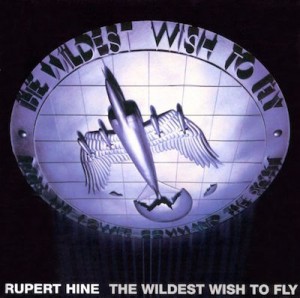
The Wildest Wish To Fly did not feature two Phil’s this time, but two Palmers. Joining Phil Palmer was Robert Palmer, who added vocals to several tracks. James West-Oram (The Fixx) also features on guitar.

Rupert Hine - The Wildest Wish To Fly cover

Rupert Hine was working with Robert Palmer around the time of The Wildest Wish To Fly, and the sounds and feel of Palmer’s wonderful Pride album seep through, along with a somewhat more conventional and less challenging set of songs, which is a shame after the landmark of the previous years Waving Not Drowning.

There is still plenty to enjoy though. Palmer guests on album opener Living in Sin, with its infectious chorus. No Yellow Heart retains some of the sonic charm of the previous albums, and the lyrics remain interesting throughout.

The simplicity of Firefly in the Night is a highlight of The Wildest Wish To Fly, reminding me of the use of acoustic instruments alongside electronics used to such great effect by Thomas Dolby and his The Flat Earth album that came out a year later.

“Then I thought I saw your face
But it was no more than a firefly in the night”

Picture Phone features another appearance from Robert Palmer, and remarkably predicts the rise of our reliance on smartphones and technology. The more commercial single mix appears towards the end of this CD. The Most Dangerous of Men feeds off the chant vocals also used on Palmer’s Pride to good effect. The organ and piano backing, allied with a steady beat, works so well.

The title track is just under a minute shorter than the original release, due to a plethora of remixed and re-edited releases in different territories. It is one of the more experimental pieces in terms of the arrangement, and features some plaintive chorused guitar from Phil Palmer and another vocal appearance from Robert Palmer. A slightly progressive feel seeps into the central section of the song, and it adds a welcome new flavour to the mix.

Four bonus tracks complete this version of the album, the highlight of which is the stripped back An Eagle’s Teaching, which offers some lovely bass work and subtle guitar lines.

The remastering by Stephen W Tayler adds so much to these versions of the classic Rupert Hine early eighties albums, that will appeal to fans of the original releases as well as anyone interested in early 80s synth based music. There is so much to enjoy in this new collection.

As an Amazon Associate, I earn from qualifying Amazon purchases via this website.

Buy Rupert Hine – Surface Tension – The Recordings 1981-1983 from Amazon

Buy Rupert Hine – Surface Tension – The Recordings 1981-1983 from Burning Shed

CD1
Immunity
I Hang On To My Vertigo
Misplaced Love
Samsara
Surface Tension
I Think A Man Will Hang Soon
Immunity
Another Stranger
Psycho Surrender
Make A Wish

Bonus tracks:
Scratching At Success
Introduction To The Menace

CD2
Waving Not Drowning
Eleven Faces
The Curious Kind
The Set Up
Dark Windows
The Sniper
Innocents In Paradise
House Arrest
The Outsider
One Man’s Poison

Bonus track:
Kwok’s Quease

CD3
The Wildest Wish To Fly
Living in Sin
No Yellow Heart
The Saturation of the Video Rat
Firefly in the Night
A Golden Age
Picture Phone
The Victim of Wanderlust
The Most Dangerous of Men
The Wildest Wish to Fly

Bonus tracks:
Blue Flame (Melt the Ice)
An Eagle’s Teaching
Picture Phone (remix)
No Yellow Heart (later version)

As an Amazon Associate, I earn from qualifying Amazon purchases via this website.

Buy Rupert Hine – Surface Tension – The Recordings 1981-1983 from Amazon

Buy Rupert Hine – Surface Tension – The Recordings 1981-1983 from Burning Shed


Wolfgang Flür – Magazine 1 album review

26 01 2022

As an Amazon Associate, I earn from qualifying Amazon purchases via this website.

Magazine 1 is a new electronic album from former Kraftwerk member Wolfgang Flür, in partnership with Peter Duggal and featuring guest appearances from Midge Ure (Ultravox), Peter Hook (New Order) and Claudia Brücken (Propaganda), plus contributions from contemporary artists MAPS, Juan Atkins, Carl Cox, U96, Anushka and Ramón Amezcu (AKA Bostich).

The 9 song album is a celebration of techno-pop, and will appeal to fans of electronic music, as well as Kraftwerk fans.

Deep bass synths and classic 80s drum machines propel opener Magazine.

Read all about it!”

The album has a consistent lyrical theme running throughout, with a commentary on the dis-jointed times we live in, the information we are force-fed, all delivered from a humanist stance, although not always from the viewpoint of humans!

Zukunftsmusi, the first of three U96 collaborations, is a power-house of electronic “Music of the Future”, with a compelling mixture of ice-cold synth lines, topped with rich percussion patterns. A synth motif that reminds me of Jeff Wayne’s War Of The Worlds as well as Close Encounters of the Third Kind breaks out of the mix around the half-way mark of Zukunftsmusik.

The second track featuring U96 is the anti-consumerism Best Buy, with a charmingly bonkers vocal performance and an up-tempo, naggingly addictive melody.

“Take-away, night and Day”

Das Beat features Midge Ure, with a warm tale of how music is universal (“beats in Moscow, beats in France”) and a few sounds that appear to lovingly reference Wolfgang’s former band. The chorus stays with you long after the song has finished, which is always enjoyable.

Birmingham features former New Order bassist Peter Hook and vocals from Ex-Propaganda singer Claudia Brücken, and is my favourite song on the album. I’ve loved Claudia’s work since A Secret Wish in 1985, and this is a perfect mix of the darkness of German electronic music, with a sprinkling of early New Order magic (that bass!). The contributions from Peter and Claudia are a potent and powerful blend, and it is worth buying the album for this track alone.

Night Drive draws from a more contemporary electronic palette, and the final U96 appearance (along with Carl Cox) is the charming tale of the life of a robot, Electric Sheep. There may be more to this robot than we initially think. Be afraid!

Detroit’s Juan Atkins joins Wolfgang on Billionaire (Symphony Of Might), a song of greed feeding environmental disaster (“The world needs more wealth, not more people”). Another strong chorus lets us know who has the power and control in this story. Isn’t that always the way?

Magazine 1 ends with the simple but powerful messaging of the anti-war Say No! The music perfectly underpins the lyrics, with slow build ups to the multiple anthemic choruses. This life-affirming song, with its nod to the music of the past along with a promise of a peaceful future, is an emotional climax from this powerful album.

“There’s only one thing to do, say no”

Wolfgang Flür – Magazine 1 is released via Cherry Red on 4 March 2022

As an Amazon Associate, I earn from qualifying Amazon purchases via this website.

Buy Magazine 1 on CD from Amazon

Buy Magazine 1 on vinyl from Amazon

  1. Magazine [ft. Ramón Amezcua]
  2. Zukunftsmusik [ft. U96]
  3. Best Buy [ft. U96]
  4. Das Beat [ft. Midge Ure]
  5. Birmingham [ft. Claudia Brücken & Peter Hook]
  6. Night Drive [ft. Anushka]
  7. Electric Sheep [ft. Carl Cox & U96]
  8. Billionaire (Symphony Of Might) [ft. Juan Atkins]
  9. Say No! (ft. MAPS)

Follow Wolfgang Flür on Facebook


News: Donner covers Steely Dan’s Night By Night

9 06 2021

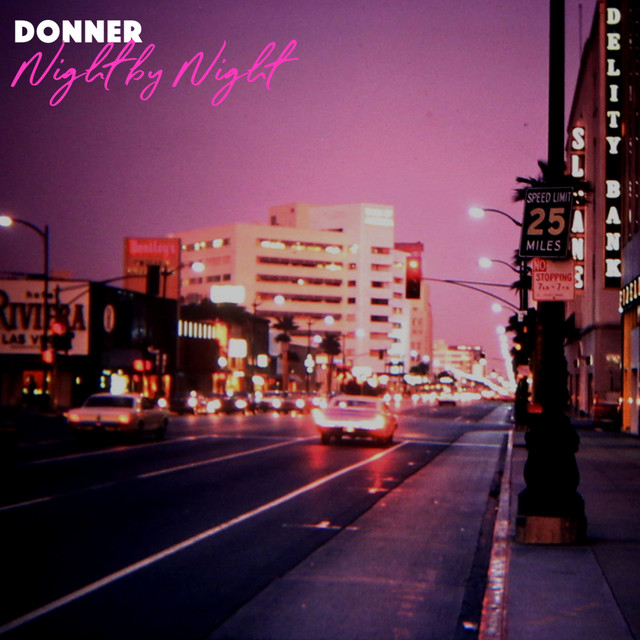
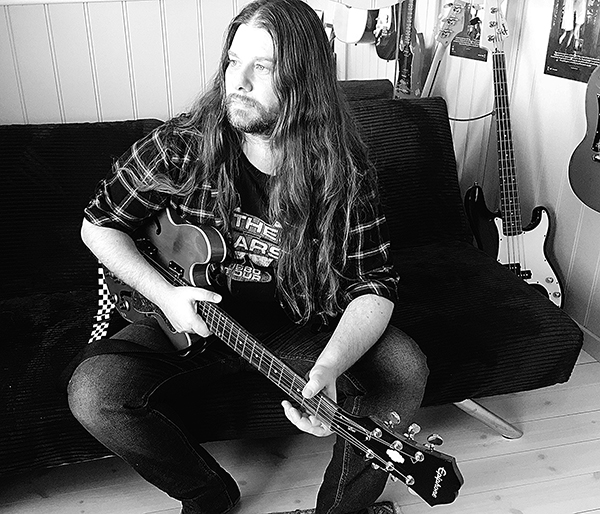
Donner, a new project from Norwegian guitarist, composer and producer Jacob Holm-Lupo (White Willow / The Opium Cartel) have released the first track from their forthcoming album, Hesitant Light. The single is the only vocal track on the album, and is their version of Steely Dan’s Night By Night (from 1974’s Pretzel Logic album).

Joining Holm-Lupo on Night By Night, in it’s neon-drenched, should have been in an 80s John Hughes movie soundtrack glory, is a stellar line up of Marte Eberson on vocals and Hedvig Mollestad on guitar, plus Keith Carlock (Toto, Steely Dan touring and studio work on Two Against Nature / Everything Must Go) on drums.

“Well I don’t really care
If it’s wrong or if it’s right
But until my ship comes in
I’ll live night by night”

Stream Night By Night on Spotify (below) and buy the track from Donner’s Bandcamp page.


News: Kraftwerk coloured vinyl limited edition album reissues

9 09 2020

Parlophone have reissued eight Kraftwerk albums on limited edition 180g coloured vinyl. The audio included on these re-issued albums will be the 2009 remasters.

Autobahn, Radio-Activity, Trans-Europe Express, The Man-Machine, Computer World, Techno Pop (aka Electric Café), The Mix and Tour De France were released on 9 October 2020.

Pre-order limited coloured vinyl from Amazon

  • Autobahn (1974) – Translucent blue vinyl, 12-page booklet
    Buy now
  • Radio-Activity (1975) – Translucent yellow vinyl, 16-page booklet
    Buy now
  • Trans-Europe Express (1977) – Clear vinyl, 16-page booklet
    Buy now
  • The Man-Machine (1978) – Translucent red vinyl, 16-page booklet
    Buy now
  • Computer World (1981) – Translucent neon yellow vinyl, 16-page booklet Buy now
  • Techno Pop (1986) – Clear vinyl, 16-page booklet
    Buy now
  • The Mix (1991) – White vinyl, 20-page booklet
    Buy now
  • Tour De France (2003) – Disc 1: Translucent blue vinyl; Disc 2: Translucent red vinyl, 20-page booklet
    Buy now


John Foxx and The Maths – Howl album review

1 06 2020

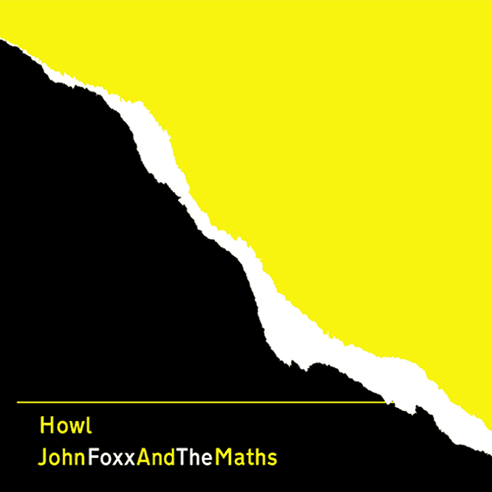
Howl is the latest studio album from John Foxx and The Maths, and is released on Metamatic Records on July 24 2020.

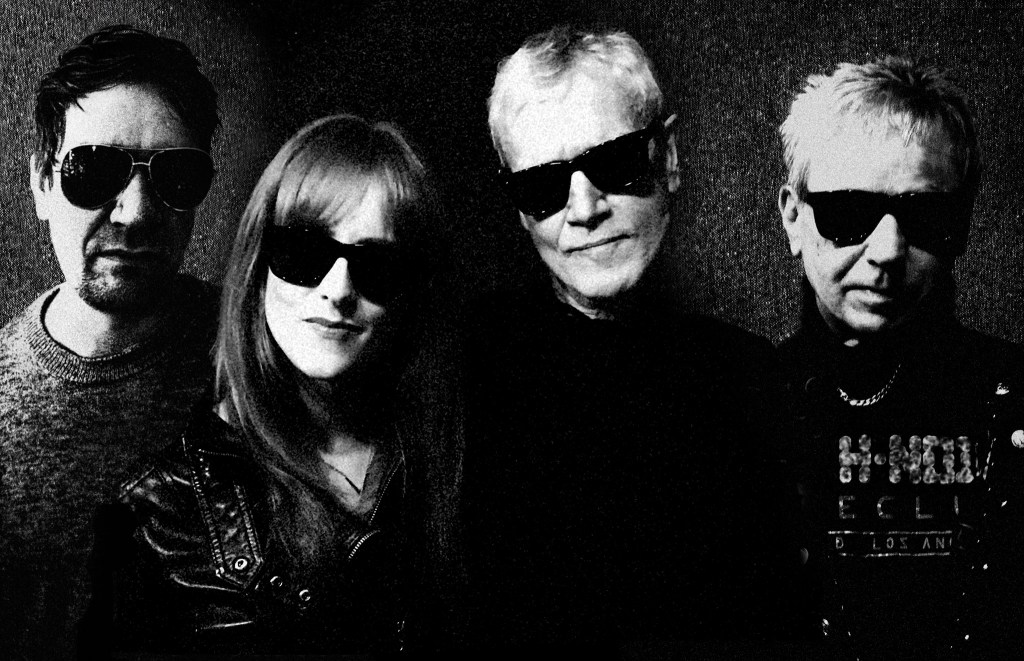
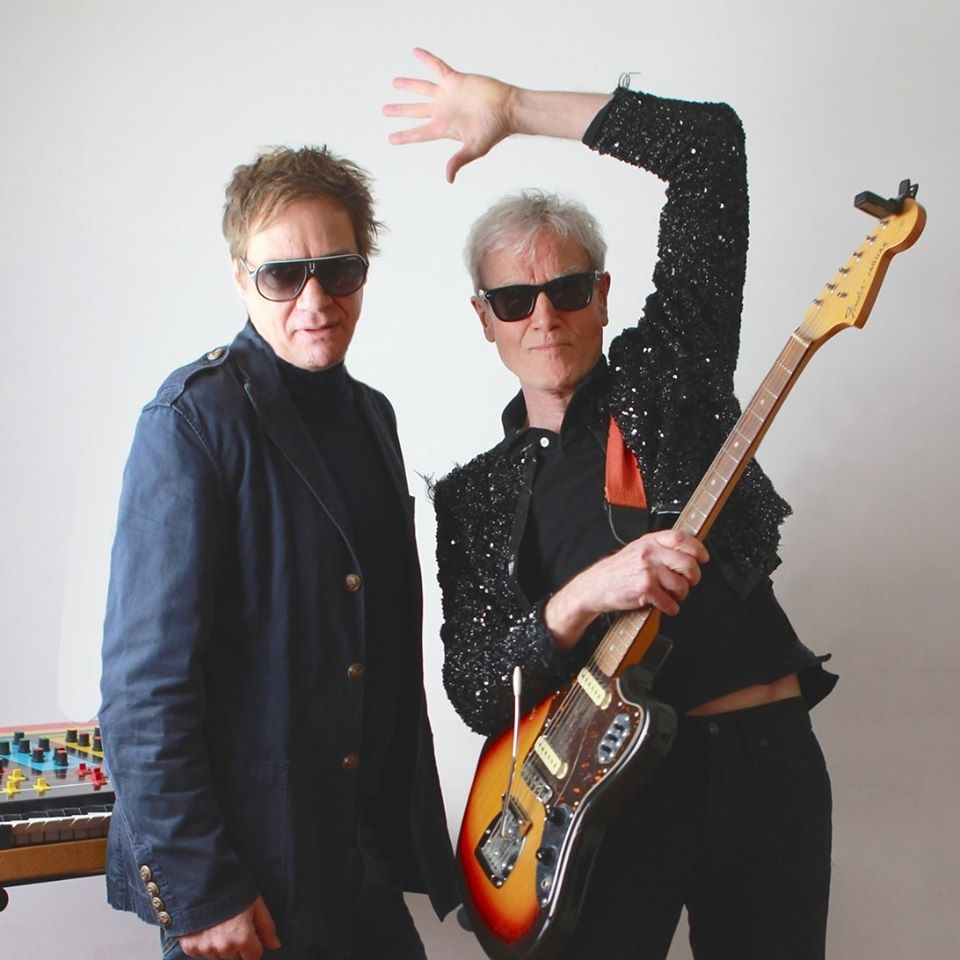
Joining John Foxx, Benge and Hannah Peel on this album is former Ultravox guitarist Robin Simon, who first worked with Foxx on Systems of Romance in 1978.

My Ghost sets the scene – guitars and synth’s duelling for attention, and an uptempo glam-rock meets early Prince beat. Intriguing lyrics and heavily processed vocals add a layer of mystery to this addictive opening track, that has hints of post-punk in the end section, referencing Foxx’s Ultravox work as well as some of the his work on The Garden (my favourite John Foxx album).

“my ghost comes running at me,
like living smoke from a burning tree”

Howl was the first single from the album, initially available on Foxx’s bandcamp page and it was clear that this new material would appeal to fans of his earlier albums. Howl is so satisfying, perfectly titled (the guitars do ‘howl’) and a joy to listen to, with the mix of electronica and chopped up and wild lead / rhythm guitar work referencing late seventies Bowie.

There is no time to pause, as the psychedelia of Everything Is Happening At The Same Time may slow down the BPM’s slightly, but the thick wall of sound is still a powerful statement. Benge and Hannah Peel excel on this beautifully produced and arranged piece.

Tarzan And Jane Regained is a more lo-fi production, and a simpler arrangement initially, as the buzzsaw guitar layers build incrementally as it becomes one of the albums most memorable tracks. Each playback reveals further details within the production, as previously hidden synth and guitar lines rise to the surface.

The sound changes with the widescreen clarity of The Dance, a song that showcases some of the most inventive synth lines on Howl. The guitars are used more as washes rather than lead or rhythm, and sit further down in the mix, rising to the forefront during the chorus, which is pure Siouxsie & The Banshees from the Ju Ju era.

The dark, wild and seedy streets and characters of 1970s New York are celebrated in New York Times, a song screaming out to be released as a single. New York Times contains one of Foxx’s most memorable choruses, topped off by a great vocal performance making this track so vital.

“What would it take, to remove all the hate”

The darkest track on Howl is Last Time I Saw You, which drips with disdain and despair, and references Soho’s Berwick Street in London.

“The first time I saw you, I had to look away”

Even though this is probably Foxx at his most musically obtuse, I find myself returning to this song more than any on Howl. It is the most interesting lyric on the album, and I have no idea to the meaning behind Last Time I Saw You, which makes it all the more intriguing.

Howl is an intense listening experience, made sweeter by the delicate grace of its final song, Strange Beauty. Reminding me of the fragility of The Cocteau Twins at times, with chorus driven guitars and some shiver-inducing original 80s electronica, all four band members shine on this career highlight. Foxx also delivers a lyric and vocal full of elegance and longing.

“And when it fades way, leaving me with just a trace of of strange beauty,
of strange beauty, stranger than anything I’ve ever known”

Strange Beauty is timeless, and as the synth solo’s make way to a slow fade, you wish it could go on for longer, which is the sign of a great song.

Howl is a rare beast – an album that works as a perfect headphone experience, as well as blasting loud from your speakers. The production does a superb job in enabling this rewarding listening experience.

This is the album I have wanted to hear from John Foxx for a long-time – taking his guitar-led past into the same room as the stark electronica he is renowned for.

This incarnation of John Foxx And The Maths seem to have hit a peak, with a formula that will hopefully lead to more new music in the future. I cannot wait to hear what Foxx / early Ultravox fans think of this album, as there is so much here to enjoy and excite.

John Foxx (vocals/guitars)
Benge (keyboards/percussion)
Robin Simon (guitars)
Hannah Peel (violin)

My Ghost
Howl
Everything Is happening At The Same Time
Tarzan And Jane Regained
The Dance
New York Times
Last Time I Saw You
Strange Beauty

Buy Howl on CD
Buy Howl on vinyl
Buy Ultravox – Systems Of Romance on white vinyl


Blancmange – Mindset album review

22 05 2020

Mindset is the third album to be written and co-produced by Neil Arthur with Benge (Wrangler/John Foxx And The Maths), and follows last years excellent Wanderlust album.

The title track is a strong opener, with familiar drum patterns and an addictive guitar and synth interplay that sticks in your head for days.

The synth lines on Warm Reception and This Is Bliss will surely warm the hearts of fans of early 80s electronic music.

“Drinking to forget, or was it to remember”

Arthur spits out his distaste at the unaccountable keyboard warriors hiding behind their screens and spewing bile in Antisocial Media. Initially sounding genuinely pissed off, but with his tongue firmly in cheek, Arthur’s Antisocial Media feels truthful, but also makes me smile. Anonymous truckers indeed!

“Two faced anonymous truckers… Correct me if I’m wrong”

Clean Your House is the most commercial track on Mindset – bright sparkling synths and clap-happy drum patterns sit at odds with the lyrical tale of a messy relationship coming to it’s bitter end.

Despite it’s darker lyrical subject matter, Insomniacs Tonight is an optimistic and warmly uplifting track. The music really fits the lyric and at times displays a nostalgic feel of earlier Blancmange, but this is definitely more a tale of restlessly lying wide awake staring at the ceiling, rather than living on it.

“No light”

Sleep With Mannequin has more than it’s fair share of sonic twists and turns, though the tempo remains constant throughout, at a metronomic pace. Benge’s work on this track reminds me a little of Richard Burgess’ Landscape.

The album’s longest track is the six and a half minute trip that is Diagram. A sparse but slowly building arrangement topped with a spoken tale of searching for transparency and truth, Diagram does not overstay its welcome.

I want to hear, hear silence”

Not Really (Virtual Reality) is an oddity on the album. An almost glam-rock stomper, heavy on guitar and stuttering sequences, before dropping off to usher in the final, atmospheric piece in When, with the beats slowed down to a heartbeat pace topped off with dark electronic pulses as Arthur contemplates “When is anything about what it’s about”.

Mindset is much less oblique proposition than its predecessor Wanderlust, and it works well as a complete album, with a wider sonic spectrum than it’s predecessors.

Lyrically the album is strong – Neil Arthur looks at the consequences of our living in an increasingly digital world and the way we communicate and how some people use words to harm others and distribute fear and untruths.

Buy the Mindset CD from Amazon

Buy Mindset on vinyl from Amazon


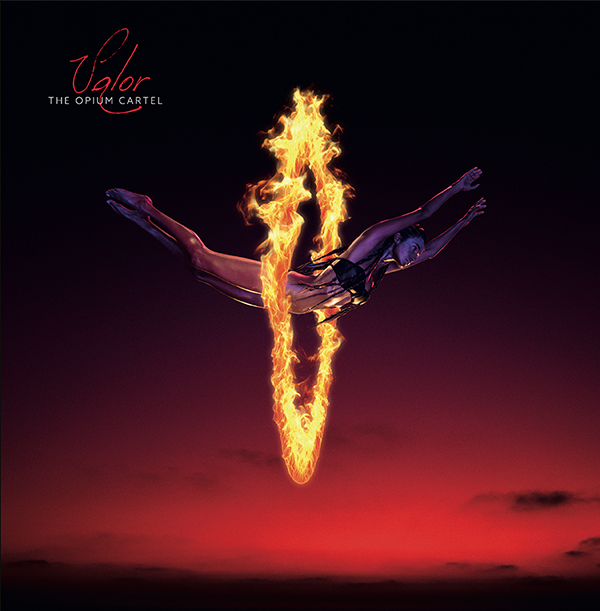
The Opium Cartel – Valor album review

2 05 2020

The Opium Cartel is songwriter/multi-instrumentalist Jacob Holm-Lupo’s vehicle for songs that exist somewhere between pop, art-rock and synth pop, and away from his more progressive work with White Willow.

Valor is the third Opium Cartel album, and is set to be released on June 5 2020 on Apollon Records.

In the Streets sets the scene for an album that will appeal to those who love pop and progressive music from the 80s (The Blue Nile, Roxy Music, early Talk Talk, Bill Nelson, Alan Parsons Project) as well as current bands such as neon-pop heavy-hitters The Midnight. An optimistic and innocent track, the album opener is stacked to the brim with analogue synths (not a VST in sight, baby) and is wonderfully serenaded out by an uplifting sax refrain from Ilia Skibinsky.

Slow Run sounds like a hazy summer evening, and a hint of regret is starting to seep into the lyrics.

“This is not the same town, that we left behind”

The first of two instrumental pieces, A Question of Re-entry, features the moving guitar of Airbag’s Bjørn Riis, and is driven by the analogue synth pads and pulsating solos of Holm-Lupo.

Nightwings features the studio debut of Jacob’s daughter, Ina A, who effortlessly slips in to the albums sonic palette, delivering an assured modern pop vocal performance. Nightwings has a slight hint of mid-80s The Cure in its arrangement, and will surely appeal to lovers of the Stranger Things and San Junipero soundtracks.

Fairground Sunday is my favourite track on the album, and one of the few times I am reminded of Holm-Lupo’s White Willow catalogue. The music evokes the beauty of wide open spaces, with crystal clean fresh air and sharp starry skies, but is also under-pinned with a darker sub-current that reveals itself on subsequent plays.

Under Thunder has a wonderful Alan Murphy / Experiment IV (Kate Bush) referencing guitar riff and some of the most inventive rhythm arrangements on the album.

The Curfew Bell is one of the album’s darker, more gothic pieces. Heavily reverb-infused drums and rich strings, plus Gaelic sounding multi-tracked vocals from Leah Marcu (Tillian) lead into another instrumental piece featuring Bjørn Riis, A Maelstrom of Stars, that ups the Pink Floyd / prog ante a few notches. Some fine mellotron lines, plus one of the deepest bass synth sounds ever committed to tape, push to the fore on the tracks outro.

The CD ends with a bonus track, a cover of Ratt’s 1988 song What’s It Gonna Be, with Alexander Stenerud on vocals. With the hair-metal of the original track shorn, The Opium Cartel’s take is more akin to A-ha than Europe. I swear I can heard the sound of Fairlight stabs buried deep in the mix, or maybe that was just wishful thinking. And is that a nod to Don’t Fear The Reaper at the end?

Valor sounds like a love-song to the 80s, which of course means the album sounds very current and feels extremely accessible. The down-side is that straight after playing the album, you will find yourself desperately searching for your dusty old VHS copies of The Breakfast Club, Pretty in Pink and The Lost Boys. I hope you enjoy the album.

In the Streets
Slow Run
A Question of Re-entry
Nightwings
Fairground Sunday
Under Thunder
The Curfew Bell
A Maelstrom of Stars
What’s It Gonna Be


Buy The Opium Cartel – Valor on Amazon

Buy The Opium Cartel – Ardor

Buy The Opium Cartel – Night Blooms


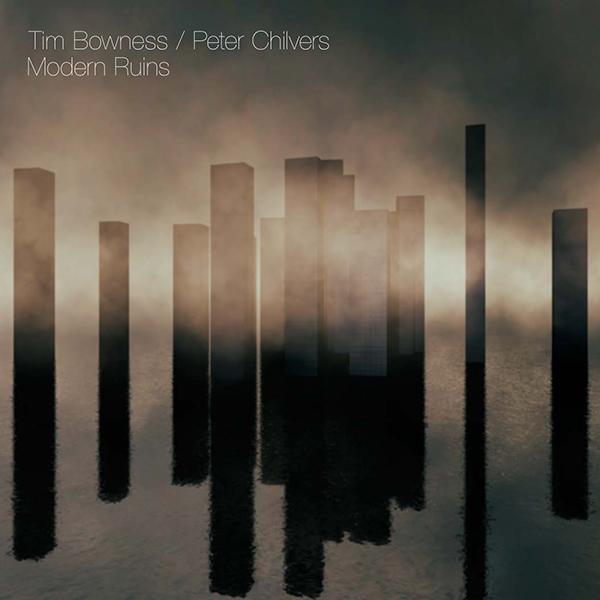
Tim Bowness / Peter Chilvers Modern Ruins track-by-track album review

5 04 2020

18 years after the duo’s debut California, Norfolk Tim Bowness (no-man) and Peter Chilvers (Brian Eno/Karl Hyde) return with their second studio album, Modern Ruins, mixed by Peter Hammill.

Opening with the direct and movingly simple Sleeping Face, the duo pick up from California, Norfolk before the album swerves off in a more electronic direction. Sleeping Face really “hits you like a fist”. One of the saddest songs in a huge canon of sad and moving Bowness songs.

The aching strings and plaintive piano, with hints of Americana, effective mood enhancing found sounds and a slight flavour of country music, means that the song sounds like a lost standard from the 1950’s.

Prepare to have something in your eye when experiencing Sleeping Face for the first time.

From this point onward, Modern Ruins deviates from its predecessor. The Boy From Yesterday is underpinned with bubbling and slowly decaying electronica. I love the way the arrangement builds, as Bjork-like pulses and colourful synth patterns scatter around Tim’s vocals.

You, making your move is a real surprise. Without giving too much away, think of the ending to the final Sopranos episode. How does this story end, did our protagonist walk away or did something more sinister occur?

The production on Modern Ruins is so strong throughout the album, and the audio treatment on tracks such as You, making your move are subtle but often sharply effective.

Blog Remember Me wins best song title of 2020 hands down for me, before the year is even done. Luckily, the song lives up to the great title. The album’s strongest ear-worm by far, it delivers an emotive study of how we communicate and hope to be remembered, ringing even more true with the added poignancy in our current climate of reliance on social distancing and digital communication to keep us as intertwined humans.

Blog Remember Me is remarkably uplifting and features a rare Bowness / Chilvers sing-along section at the end. I dare you to resist joining in.

“The things that seemed important, no longer seem important. 
The things that seemed important, no longer seen.”

Put simply, Blog Remember Me is one of my favourite Bowness / Chilvers songs.

The Love Is Always There reminds me a little of Among Angels by Kate Bush, and is one of the few tracks that could have been included on the duo’s debut release. A short and simple piece, it is well sequenced next to Cowboys In Leather, a song that would not sound out of place in a David Lynch film. A nice production touch is the rhythmic effect on the heavily processed backing vocals, making them work as an additional instrument in their own right.

Slow Life To Fade is my favourite piece on the album. I love the Arabic sounding distorted vocal phrases employed by Tim at key points in the song.

And when the electronics from Mr Chilvers really kick in, with hard sequenced synths battling against brutal, scary distorted horror-movie vocal effects, well I’m simply in musical heaven. And as Slow Life To Fade is the album’s longest track, I’m in a happy place for so much longer.

Modern Ruins ends with its second long piece, Ghost In The City. Another track that, production wise, reminds me a little of Kate Bush, particularly side 2 of Hounds of Love. The reverb hanging on for dear life to the coat-tails of Chilver’s piano notes is beautiful.

Ghost In The City is Bowness at his most lyrically bleak and raw. The strings and the deep piano lines give a feel of The Blue Nile at their most heart-wrenching, and like The Blue Nile, this song is a perfect soundtrack for late night headphone listening. More than anything, Ghost In The City evokes the calm beauty of a sleepy city at 4am, before the population springs back into action and pours out of their homes.

Modern Ruins is a step up from California, Norfolk. There was a feeling of a somewhat lo-fi, early 80s singer-songwriter release about the debut Bowness / Chilvers album. This new album feels more confident and assured, displaying more varied and expansive arrangements and an increased use of electronic textures.

Modern Ruins delivers a set of the duo’s strongest songs, with no weak points or overstayed welcomes. Every single note, vocal line and lyric, held together with all the ingenious production twists, make this one of my album’s of 2020.

Sleeping Face (4.08)
The Boy From Yesterday (6.23)
You, Making Your Move (1.58)
Blog Remember Me (5.40)
The Love Is Always There (3.38)
Cowboys In Leather (3.43)
Slow Life To Fade (7.32)
Ghost In The City (7.18)

Buy Modern Ruins from Burning Shed


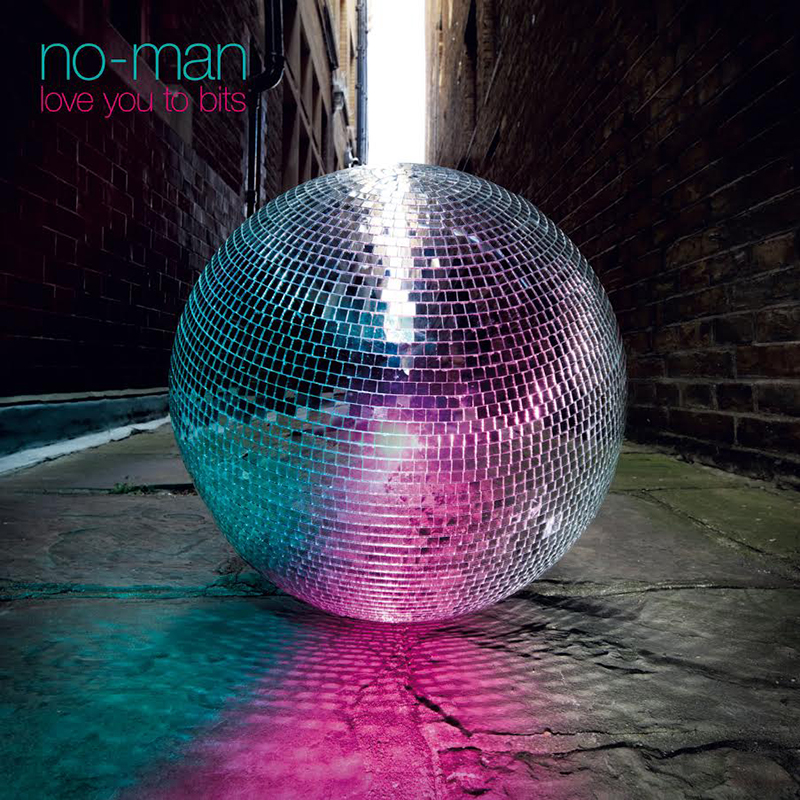
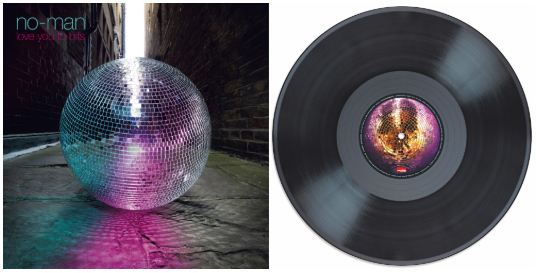
no-man – love you to bits album review

4 10 2019

no-man have released love you to bits, the duo’s first studio album for eleven years. The album is made up of two connected five-part pieces (love you to bits and love you to pieces).

The album marks a return to the more beat-driven electronica of Loveblows & Lovecries – A Confession and parts of Flowermouth, but with a tempo consistency missing from previous albums.

On first hearing the finished album, I was surprised by the sense of urgency, and how some of the performances are quite visceral. I heard echoes of Trent Reznor / nine inch nails and at times, Outside era David Bowie, before the songs took on a real identity of their own.

The album should not be surprising to long-time fans of no-man – my CD single of Only Baby sits close to Donna Summers Once Upon A Time double-album in my CD rack, occasionally throwing coquettish glances in its direction. So whilst love you to bits feels influenced by the urgent sequenced riffs of the “father of Disco” Giorgio Moroder, Bowness and Wilson have developed so much as writers and musicians since the early days, and this is clearly evident as there is so much more to this album than high-energy electronics.

There are two remarkable performances that leap out of the speakers from guest players. On love you to bits guitarist David Kollar delivers a white-hot manic solo that is one of the highlights of the album, and on love you to pieces Steven Wilson band member Adam Holzman serves up a fusion electric piano solo that is dripping with passion (and a fair amount of reverb).

Other guests include Ash Soan (The Producers / Trevor Horn / Downes Braide Association), who adds powerful live drums on top of the drum machines, giving a real push to sections of the album, plus some damn funky synth basslines from Norwich’s finest low notes rumbler (and half of Burning Shed) Pete Morgan, plus a surprising but emotive appearance from The Dave Desmond Brass Quintet (Big Big Train).

The first track (or suite), love you to bits, is driven by deep synth lines and Bowness’s sardonic lyrics surveying the shattered wreck of a relationship. As the live drums kick in, Wilson’s guitar processing harks back to the sound of early no-man, and at times the music draws from the mood of Only Baby and Bleed.

love you to bits contains one of no-man’s finest choruses, and even with the aforementioned I Feel Love / Moroder / Belotte influences, the album feels very current, and will surely appeal to fans of most forms of electronic / electronic dance music.

“I love you, like I don’t love you at all”

Just before the 6 minute mark, one of my favourite moments kicks in. Featuring a short guitar and bass interplay that is pure Platinum era Mike Oldfield, the section breaks down to an Underworld / Born Slippy motif that leads to a vocal and instrumental refrain that sums up the beauty of no-man, with a subtle nod to lighthouse (my favourite no-man song). The music then picks up, with wild Bowness vocals and beautiful lead guitar lines from the boy Wilson. I will let you discover the unexpected ending to love you to bits yourself, which sees out the first five part piece.

love you to pieces is a darker, more twisted cousin of the first half of the album.

“our sticky love just left me weak”

Opening with a dub-like, slow it all down continuation of the theme, the song takes a detour and again draws on the DNA of no-man’s past.

“There’s no need to look for answers
To the questions never asked
There’s no need to make a shelter
from your versions of our past”

A heavily vocodered, processed vocal breakdown leads to the aforementioned Adam Holzman solo section and I’m reminded a little of some of the instrumentation of Bird Shadows, Wolf & Moon, an earlier mostly vocal-less piece credited to no-man on the Drop 6 compilation.

As the synths sparkle like diamonds on the mid-section, and as the pace drops, I love the production touches on Tim’s vocals – reminding me of the tape decay of The Disintegration Loops and The Caretaker. It’s the most moving part of the whole album, and is like having pure, unadulterated no-man shot through your veins. I have no doubt that long-time no-man fans will be deeply moved by the mid to end section of love you to pieces.

The decay and melancholy of the end section reminds me a little of the darker parts of 10cc and Godley & Creme, feeling like a Mogadon infused I’m Not In Love, as the melody is scraped away to reveal the bare bones of the piece.

love you to bits is a world away from the most recent no-man albums, but even if you are not usually a fan of the more electronic side of the band, I think there is plenty here to savour. The album touches on the band’s earlier sound palette, but is so unlike anything else in no-man’s catalogue.

Although often jokingly teased as the band’s “disco epic” when mentioned in interviews, love you to bits is in fact one of the most progressive albums released under the no-man name. Not as a genre, but progressive as evidence of no-man changing, evolving and progressing onto something new.

I hope the album is heard outside of the Bowness / Wilson audience, as it will surely appeal to anyone with a love of electronic music. Prepare to be surprised and you will not be disappointed.

Buy the album

Buy love you to bits (CD / Vinyl / packages) from Burning Shed

undefined
Buy love you to bits on CD from Amazon

undefined
Buy love you to bits on vinyl from Amazon

Stream the album (and then buy it!)

love you to bits details

love you to bits (Bits 1-5) (17.03)
love you to pieces (Pieces 1-5) (18.54)

Tim Bowness – Vocals
Steven Wilson – Instruments

Ash Soan – Drums
The Dave Desmond Brass Quintet – Brass on love you to bits
Adam Holzman – Electric Piano solo on love you to pieces
David Kollar – Electric Guitar solo on love you to bits
Pete Morgan – Synth bass on love you to bits

produced and written by no-man
mixed by Bruno Ellingham
mastered by Matt Colton


Fader – In Shadow album review

24 09 2019

Fader are Neil Arthur (Blancmange) and Benge (John Foxx & The Maths / Gazelle Twin). In Shadow is the follow-up to their 2017 debut, First Light.

Neil Arthur is clearly experiencing a creative streak – along with Fader he has also recently released the debut of another duo project, Near Future, as well as delivering two new Blancmange studio albums, including one of the finest in the bands career in last year’s Wanderlust.

Summoning the spirit of early John Foxx, Always Suited Blue is a tale of the personal and the mundane, jostling with an upbeat, pure 1981 synth-pop soundtrack.

“Lost a tenner, found a pound”

An early album highlight is Midnight Caller, a distopian dismantling of picket-fence suburbia, with a hint of menace that offsets the addictive chorus.

Arthur’s often unsettling lyrics are underpinned by the warm electronic textures provided by Benge. Everyday objects become enemies in What Did It Say – which has one of the most disturbing lyrics coupling with one of the album’s sweetest and most mesmerising tunes.

Youth On A Wall bubbles and pulses, with a wonderfully treated vocal that has its own distinctive, delayed rhythm. A little bit of politics creeping in here.

“May is fading from our view”

The saccharine synths of Whispering echo the softly delivered vocals, that are delivered with such lightness of touch that you have to really concentrate to hear the message being delivered.

Aspirational is an ear-worm of a song, and is followed by one of my favourite tracks on the album, Enemy Fighter with its inventive, haunting vocal arrangement that is topped off with layered, frenetic percussion patterns.

The title track has sparse instrumentation, that builds slowly as the song progresses. Every Page feels the most current of the songs on In Shadow, with vocals scattering in and out of the chorus.

“Heading home now, if home still exists”

The album comes to a close on it’s bleakest song, Reporting, that seems to flit through the ages in a lyric about time and travel. The lyric reminds me a little of the time-travel premise of Kate Bush’s Snowed in at Wheeler Street, but that’s where the comparison ends. The lightest of touch backing makes you concentrate fully on the lyrics, and then the album is over.

“Pressure drop, pleasure stop.”

In Shadow is released on 25 October 2019.

Buy Fader – In Shadow on CD from Amazon

Always Suited Blue
Midnight Caller
What Did It Say
Youth On A Wall
Whispering
Aspirational
Enemy Fighter
In Shadow
Mindsweeper
Every Page
Reporting