The Singles is a new 2CD 34-track chronological round up of the A and B-sides issued by Scottish Punk / New Wave legends The Skids between 1978 and 1981 (though Cherry Red were unable to licence All The Young Dudes / Hymns From A Haunted Ballroom from the Working For The Yankee Dollar 2nd 7”).
Highlights from this set includes the singles Sweet Suburbia (No.70), The Saints Are Coming (No.48), Into The Valley (No.10), Masquerade (No.14), Charade (No.31), Working For The Yankee Dollar (No.20), Animation (No.56), Circus Games (No.32), Goodbye Civilian (No.52) and Woman In Winter (No.49).
The Saints Are Coming was covered in 2006 by U2 / Green Day as a benefit single for victims of Hurricane Katrina.
The booklet contains in-depth notes on each track and was overseen by The Skids official website.
Mastering for this release was by James Bragg.
The first disc
Charles (from Feb 1978) opens the collection, with the single recording that was issued on the No Bad Records label. The other two tracks from the original single (Reasons and Test-Tube Babies) were not included on any Skids studio albums, and are possibly vinyl rips (due to some audio drop-outs).
Sweet Suburbia (September 1978) was my introduction to the band and both single tracks were not included on the original track listing of the bands debut album. Open Sound remains one of The Skids finest b-sides.
The Saints Are Coming for me is the start of the bands imperial phase, and contains one of Stuart Adamson’s most iconic guitar riffs, as the key track on the Wide Open EP. Night And Day is another standout b-side.
Into The Valley is probably the bands most well-known song, and a track I hear at every home game at The Valley, the home of my beloved Charlton Athletic. The b-side T.V. Stars (Live) is still performed by the current incarnation of the band at its gigs – with a slight updating of some of the lyrics!
Masquerade is my favourite and most played Skids song, that I still own on 7“ vinyl. The production from John Leckie and Bill Nelson makes the song burst out of the speakers with such power. The release also included a key Skids track in Out Of Town, plus Another Emotion and Aftermath Dub (a Masquerade remix).
Charade features the debut of Rusty Egan (Rich Kids / Visage) on drums, and is an intensely addictive song. Non-album b-side Grey Parade is a welcome addition, and hints at the sound that was to come with the bands final album a few years down the line. Wonderful synth lines make this one of the bands most memorable b-sides.
Disc two
Working For The Yankee Dollar opens the second disc, and what an opening. Originally another Bill Nelson production (which appears on one of the two mixes of the Days In Europa album), the single was remixed by Mick Glossop and was released in November 1979 (my favourite year for music).
Animation saw the band move into the 80s, and was a minor UK hit, though it deserved to do better. Adamson’s guitar is superb and adds real depth to one of Stuart and Richard’s finest co-writes. B-side Pros and Cons features catchy keyboard lines, and the single marked the end of bassist William Simpson and drummer Rusty Egans time in the band.
Circus Games (with one of Jobson’s finest vocal performances) was issued in edited form as a single and was backed by One Decree.
Goodbye Civilian from The Absolute Game was also issued as a single in edited form, with the final single from the album and the last to feature Adamson as a full-time band member being released in November 1989, the anthem that was Woman In Winter.
1981 saw the band stripped down to a duo of Jobson and bassist Russell Webb, aided and abetted with guests such as Billy Mackenzie / Alan Rankin (Associates), Alan Darby (Fashion) and Mike Oldfield. A selection of mixes of Fields and Iona, plus the accompanying b-sides including the final Stuart Adamson appearance for The Skids on Brave Man, round off the album.
Fields still holds up well as a great Skids single, with its rousing chorus.
The Skids – The Singles is an enjoyable compilation that covers a rich period in music history as punk / new wave switched to post-punk and then mutated into the vibrant, colourful pop of the 1980s
“Carry on, oh carry on The effort and the struggle” The Skids, Fields
As an Amazon Associate, I earn from qualifying Amazon purchases via this website.
Charles Reasons Test-Tube Babies Sweet Suburbia Open Sound The Saints Are Coming Of One Skin Night And Day Contusion Into The Valley T.V. Stars (Live) Masquerade Out Of Town Another Emotion Aftermath Dub Charade Grey Parade
DISC TWO
Working For The Yankee Dollar Vanguard’s Crusade Animation Pros And Cons Circus Games One Decree Goodbye Civilian Monkey McGuire Meets Specky Potter Behind Lochore Institute Woman In Winter Working For The Yankee Dollar (Live) Fields (7’’ Version) Brave Man (7’’ Version) Fields (12’’ Version) Brave Man (12’’ Version) Iona (7’’ Version) Blood And Soil (7’’ Version) Iona (7’’ Version 2)
Parts Of The Process is a new 11CD Box Set that celebrates Kevin Godley and Lol Creme’s recordings between 1977 and 1988. The set includes all of the Godley & Creme studio albums released during this period, with an additional two discs containing single edits, alternative mixes/versions and non-album tracks.
Running to an impressive 105 tracks, the set features the albums Consequences (1977 – split over 3 discs), L (1978), Freeze Frame (1979), Ismism (1981), Birds Of Prey (1983), History Mix Vol.1 (1985) and Goodbye Blue Sky (1988), along with a disc of non-album tracks & 7” versions plus a disc containing extended versions.
Parts Of The Process also includes a 10,000 word essay by biographer Liam Newton, plus an intro from Kevin Godley.
The first three discs in the collection contain 1977’s Consequences album. The album came together after Godkey & Creme left 10cc, and featured their invention, the Gizmo, an effects device for the electric guitar and bass guitar. The album features a narrative, performed by English comedian / actor Peter Cook, and features often experimental music, some instrumental, some with vocals.
Consequences was built to be played as a whole piece, and whilst it is a challenging listen, you will either love it or loathe it. It contains the seeds of what was to come from the duo, and is a wonderful album to experience on headphones.
It was out of time and out of favour on release in 1977, as the full force of the musical revolution that was punk hit the world, but it deserves a re-evaluation and I personally think the album is built for now, with the emergence of Dolby Atmos as a viable new listening medium. Let’s hope someone has access to the original multi-track tapes and the phone number for Steven Wilson (who I know is a fan of the album), as this would make a wonderful Bluray disc in Dolby Atmos.
Whilst I have pointed out that it works best as a whole listening experience, there are a handful of stand-out tracks that I still return to regularly. The 10 minute plus The Flood is like an audio movie, propelled by stunningly treated vocals, and once you are through the flood sequence, the water adds the rhythm to a wonderful passage of music that sees the song to its watery end. Don’t listen to this track if you are desperate for the loo.
Five O’Clock In the Morning remains one of my favourite Godley & Creme songs. Sounds of the outside world sneak into the piano and massed choral voices gem of a song about the early hours before the new day is born.
“And when the one you’re holding Runs her fingers through your hair You’re on”
Lost Weekend still holds up particularly well, and features a stunning vocal performance from Sarah Vaughan. It’s Cool, Cool, Cool In The Morning takes me back to the vocal arrangements of early 10cc.
Sailor is one of the more laid-back, traditional arrangements on the album. Phased guitar, and aching vocals, underpinned by waves of backing vocals make this a timeless sea-shanty.
Disc four in this collection provides us with the duo’s second studio album, L from 1978. A much tighter and more focused affair than the triple disc Consequences, but it is still a wildly experimental collection. Whilst L was produced by Kevin Godley & Lol Creme, with Kevin and Lol providing the majority of the performances, the duo did have some help with engineering by Chris Gray & Nigel Gray, plus musical guests Andy Mackay (Roxy Music) and Jonathan Handelsman (saxophone) along with a spoken appearance from DJ / broadcaster Paul Gambaccini.
The Sporting Life has a feel of the 50s with the vocal arrangements, and some warm Rhodes piano, as discordant bass and acoustic piano creeps into the rapidly mutating arrangement – keeping the edgy feel to the song as it turns into an almost post-punk end section.
Sandwiches of You has such an interesting soundscape – a nagging beat and fuzzy guitars, undercut by frantic marimbas and kick drum to keep you perpetually surprised. Art School Canteen dials back the weirdness and features one of the duos finest lyrical journeys to date, that sits perfectly with the classic mid-70s feel of the track.
“Does getting into Zappa Mean getting out of Zen Sex has reared its ugly head at last But it didn’t look ugly then”
I feel that musically, with L, Godley & Creme were out of time again. This album feels like it was from the early to mid-80s, so was in fact ahead of its time. Punchbag is a case in point, it would not have sounded out of place a couple of years later. Shifting from messed up piano led edgy pop, to an new wave infused conclusion. As confusing as that sounds written down, the arrangement works beautifully. L closes with a scathing takedown of the music industry with Hit Factory / Business Is Business.
“Keep it simple Keep it neat Aim your hook At the man in the street”
The song sweeps in and out of genres, with an almost dream-like soundtrack, whilst the duo fire sharpened lyrical arrows at those who churn out formulaic nonsense from their (s)hit factories.
“Only the numb survive…”
1979’s Freeze Frame is my favourite Godley & Creme album. It features the duo at their experimental peak, taking chances that many others at this time would have been afraid to take. It is a very brave album. Freeze Frame saw a continuation of their relationship with Nigel Gray, as it was recorded at his Surrey Sound Studios in Leatherhead.
Straight out of the blocks, with An Englishman In New York, their intentions were clear. Godley & Crème deliver intelligent pop created with cutting edge technology, in the pre-Sampler era.
“Strange apparatus, even stranger theme”
The doubled lyric lines are slightly out of time with the main lead vocal, using the Eventide Harmoniser, an early multi-effects processor, used by David Bowie and Frank Zappa that “Fucks with the Fabric of Time”. Its an effective treatment that adds value to the song. Random Brainwave alternates between the hazy verse and a straight up disco section that appears just the once, apropos of nothing.
I Pity Inanimate Objects is an absolute delight. Also using the Harmoniser, the lyrics have never been more prescient. The lead lines screech in and out of the verses, and for a track dealing with the lifeless, the song hits hard.
“The frustrations of being inanimate Maybe its better that way The fewer the moving parts The less there is to go wrong I wonder about these things”
The title track should have been released as a single, though I suppose the Manchester Utd line put paid to that as a possibility. Clues is so beautifully produced. The chorused guitar lines mixed with the lead lines and the (ahead of its time) tribal drums make this one of the strongest songs on the album.
Mugshots is so catchy it melts my brain. Blending classic Brill Building songwriting techniques on top of quirky production experiments, leading to a wonderful song that feels the closest to classic 10cc that Godley & Creme dared venture.
Freeze Frame closes with the delicious Get Well Soon, an ode to ill-health and the late night soundtrack that can accompany insomnia.
“I’ve never liked the taste of Lucozade Another sip of hospital champagne Charge your glasses Radio Luxembourg”
It must have been very tempting to play this “straight”, but thankfully they didn’t, and Godley & Creme’s imagination runs riot, both lyrically and musically, on Get Well Soon, one of the highlights in their impressive catalogue.
Paul McCartney adds backing vocals to Get Well Soon, whilst other guests on the album include Roxy Music’s Phil Manzanera on guitar on 4 tracks and Rico Rodriguez (ska and reggae musician) on trumpet and tuba on An Englishman in New York.
Ismism was released in October 1981, and was titled Snack Attack in the USA. Ismism peaked at No. 29 on the UK Albums Chart and was Godley & Creme’s best-selling studio album. Two of the album’s three singles were top 10 hits in the UK – Under Your Thumb hit no3 in the singles charts & Wedding Bells peaked at no7.
Ismism was very much a duo affair, with the only guest performer being Bimbo Acock on saxophone. To me, Ismism was perfectly in tune with the times. Album opener Snack Attack sums up the sound of the era – funky, with sharp guitars, twisted percussion and a trebly funk bassline. Under Your Thumb is one of Godley & Creme’s best singles. The story of a train journey, a mysterious haunting and hints of domestic abuse has a minimal musical backing, and a quite straight-forward (for Godley & Creme!) arrangement making this a classic 80s song. Although sleigh bells adorn the end section, the subject matter meant that this was never going to be considered as a Christmas staple.
The pitch-shifting vocals of The Problem continue G & C’s playful experimentation, continuing the tune into the next track, Ready For Ralph. The room was eventually ready for Ralph. And Roy, and Rose and Rob.
Wedding Bells no doubt became a staple of 80s wedding parties, hopefully the bride & groom didn’t pay attention to the lyrics. Sale Of The Century, like the preceding track, drew from the past, laying on the nostalgia heavy and thick.
The closing track The Party builds on the Snack Attack bassline (what a bassline!) and is a story of a party in full swing and is build around the snatches of disjointed conversations heard as the high-class and decadent event progresses. By the end of the track, Godley & Creme are throwing Tom Tom Club and Heaven 17 shades in every direction with the funky musical backing.
1983’s Birds Of Prey was the least successful Godley & Creme album, which was surprising after the success of Ismism. I think the absence of hit singles from the album was the main contributing factor. I was a huge fan, buying all albums up to Ismism but I wasn’t aware of the last few Godley & Creme albums until long after their release. Had I known about Birds Of Prey, I would have bought it at the time.
My Body The Car is a mostly acapella performance and Worm and the Rattlesnake introduces the styling for the rest of the album, with a virtually fully electronic album. Worm and the Rattlesnake shows that Godley & Creme’s knack for delivering addictive songs with clever lyrics was still very much intact at this point, while they continued to draw inspiration from the past (the vocal styling of Viva Las Vegas in this case).
Samson is a reggae-infused single, and is extremely catchy, so I am surprised that it didn’t get more airplay on release. Madame Guillotine wears its influences on its sleeve, with a seemingly Ball of Confusion inspired bassline during the verse and top and tailing the track with an earworm of a chorus. Godley & Creme were always good at drawing on music from the 50s / 60s and adding their own, unique sonic flavouring to give the recipe a unique taste.
I wonder whether Rupert Hine’s Waving Not Drowning from the previous year was an influence on Birds Of Prey as there do seem to be some similarities in some of the percussion and synth treatments.
Woodwork has a rare appearance of guitars (heavily processed in this case) but the electronics are pushed very much to the foreground. Out In The Cold closes the album. Vocoder heavy lead vocals sit atop an icy backing, that is temporarily lifted by saxophones. I get real The Shining vibes from this song.
“And now you’re gone I’m like a broken piano That no one wants to play”
1985 saw the release of History Mix Vol.1 (there was no Vol.2). History Mix Vol.1 was a remix of songs featuring the music of Godley & Creme as well as dipping into 10cc and Hotlegs material. Interviewed in 1985, Lol Creme said that the album contained demos and master recordings thrown into the Fairlight sampler, with J. J. Jeczalik (Art of Noise) and Trevor Horn assisting with production work in the album.
Wet Rubber Soup is very Art of Noise influenced, with snatches of Rubber Bullets, Life Is a Minestrone, I’m Not in Love and snippets from the Consequences album. It must be said that History Mix Vol.1 is very much of its time, but if you love your 80s mash-ups, this may appeal to you.
Cry is by far my favourite from History Mix Vol.1. Cry was a top 20 hit in the UK and the duos only chart hit in the USA. Produced by Godley, Creme and Trevor Horn, this six minute plus version still sounds amazing. The raw simplicity of the lyrics (a rarity for Godley & Creme) makes this song work so well.
Expanding The Business is another Fairlight mashup, with an effect like tuning in and out of radio stations on an old FM radio, featuring Business Is Business, How Dare You, Neanderthal Man, This Sporting Life, One Night in Paris, The Dean and I, Sand in My Face and Umbopo.
As the 80s headed to an end, it seemed that the quality of music in the last year or two of the decade sometimes dropped, as Godley & Creme released Goodbye Blue Sky, their seventh and final studio album.
The quirk on 1988’s Goodbye Blue Sky is the extensive use of harmonicas, including performances from Nine Below Zero’s Mark Feltham and a shift away from the electronic sounds offered up on Birds of Prey. The album also features vocals from Jimmy Chambers, George Chandler and Jimmy Helms (Paul Young / Londonbeat).
Goodbye Blue Sky is an outlier in the Godley & Creme catalogue. The sounds and arrangements are more traditional than on previous albums, with virtually no sign of the experimentation (lyrically or musically) that was displayed in abundance on previous releases, which really dulls the quality of the release for me.
My personal highlights from the album includes the single 10,000 Angels, one of the few pacier tracks on the album, and Sweet Memory, a song that revisits the feel of Wedding Bells. Overall, I’m sad that Godley & Creme’s catalogue ended with their weakest release.
Disc 10 of the set features non-album tracks & 7” versions, and serves up a reminder of some of Godley & Creme’s highlights. Wide Boy is a joyful piece of new wave / powerpop, that was released as a single with Submarine in 1980. Submarine is a dub influenced instrumental, with a superb dragging bassline and Hank Marvin-like guitar. A perfect example of how Godley & Creme could turn their gaze towards virtually any style of music and make it their own.
Power Behind The Throne (the b-side to Under Your Thumb) recycles the music from Submarine, with vocals added. Babies (the b-side to Wedding Bells) is a disturbing piece of twisted synth-pop.
Welcome To Breakfast Television (the b-side to Save A Mountain For Me) is a withering look at the new phenomenon on 80s breakfast tv, TV-am and its ilk.
“We’ll send you on your way to work In a happy frame of mind Seein’ all of breakfast telly Between half past eight and nine”
There are two versions of the non-album single Golden Boy, a 7″ edit from 1984 and the 1985 remix. The b-side Light Me Up is a welcome addition, and has some interesting twists and turns. Love Bombs (the Cry b-side) is a heavily percussive studio experiment, with vocal samples and sparse lyrics.
Up next are some Goodbye Blue Sky era b-sides, that follow the same template as the album, so not really offering anything different.
An interesting 7″ edit of Sandwiches Of You brings us back to the Godley & Creme that I love. Silent Running (the b-side of An Englishman In New York) in other hands would be a standard blues song, but at this point, Godley & Creme were able to put a fresh slant on whatever genre they touched.
Cry [Single Edit] is the most familiar take on this wonderful slice of perfectly baked pop. The final two tracks on this disc are ones I skip – a dated (very much of its time) acid house sprayed Snack Attack [1987 7” Remix] and the rather ordinary A Little Piece Of Heaven [7” Single Version], which is somewhat redeemed by the mighty Mark Feltham’s playing on the end section of the song.
The final disc contains a series of extended versions. Snack Attack [Extended Version] is actually shorter than the album version, work that one out! A slightly less frantic take, the lyrics never fail to raise a smile.
“Cold turkey’s what I’m going through Cold turkey’s what I need But they hung a sign on my appetite Saying “Danger Do Not Feed” I can’t eat no more I got to use a straw”
Samson [Dance Mix] places the drums in a more prominent position, and adds elements of dub to the mix. Golden Boy [Long Version 1984] is my favourite version of the song, with a lovely distortion on the main keyboard line and a Righteous Brothers production feel to the vocals in the verse.
Jack Attack Dub is very much of its time, and has sadly dated. I’d rather not jack, if you don’t mind…
Cry [Extended Remix] is a welcome inclusion here, and thankfully not a “jack” remix! The final two tracks are ones that I find myself skipping – Snack Attack [1987 Extended Remix], yep, its a damned “jack” remix, along with A Little Piece Of Heaven [Extended Mix], a slightly remixed take on the song from Godley & Creme’s final album.
So in summary, this is the most comprehensive, best sounding collection of Godley & Creme’s music by far. Its only let down a little by a few out-dated remixes and their sadly quite ordinary final album, but that’s just my personal taste. You might disagree.
The music up until 1986 is pretty much flawless, and deserves to be in everyone’s musical library.
Parts Of The Process – The Complete Godley & Creme was mastered by Phil Kinrade at Alchemy Mastering at AIR, and the music has never sounded so good.
As an Amazon Associate, I earn from qualifying Amazon purchases via this website.
Penetration, the new-wave / post punk band from County Durham, have their first two studio albums, Moving Targets and Coming Up For Air, re-issued by Cherry Red Records on 6 December 2024.
The 2 CD set features the powerful two studio albums plus extra tracks and demos. Moving Targets and Coming Up For Air were made to be played loud, and they still sound great, 45 years plus after their initial release.
Disc one features the band’s debut album Moving Targets from 1978, and includes the singles Don’t Dictate, Life’s A Gamble and Firing Squad, plus a collection of bonus and demo recordings (the Race Against Time Demos).
Disc two concentrates on the Coming Up For Air album from 1979, and includes the singles Danger Signs and one of my favourite songs from the era, the new wave classic Come Into The Open, plus live versions of Stone Heroes and Vision.
The booklet features lyrics and press adverts from the time. This is a great collection if you don’t own these albums on CD, and they will be enjoyed by fans of new wave music from the late 70s.
“Come into the open, there’s nothing left to hide.”
The band reformed in 2001, and still record and tour. Follow the band via Pauline Murray’s website.
As an Amazon Associate, I earn from qualifying Amazon purchases via this website.
I was having a sort out of old paperwork recently and stumbled across some stuff I had kept from the late 1970’s. Along with flyers, cassette tapes and loads of other material gathering dust, I found a list of the gigs I attended from April 1979 to February 1983. I was scratching my head as to why the list ended in 1983, and then I realised why I stopped cataloguing my trips to concerts. I was a year into my student psychiatric nurse training in 1983, and clearly around this time I discovered women!
Looking at the list, it contained many bands who probably never made it past the support slots at my local venue, The Tramshed in Woolwich, South-East London. So this will probably be the only mention online for some of these bands. If you have memories of your own early gigs, or of gigs you attended for artists mentioned in this post, please add them to the comments.
My list starts in April 1979. It does not count my actual first gigs, that I went to with my parents – such as Val Doonican and other family forays into the cultural wasteland that is light entertainment, but my list started with the gigs I chose to attend.
As an Amazon Associate, I earn from qualifying Amazon purchases via this website.
1979
APRIL 1979
So first off – what a debut, with Kate Bush at The London Palladium. Like a lot of these early gigs, I went to this concert on my own. I knew a lot of the songs, but didn’t actually own any Kate Bush albums at this point, as I was still at school and was living off the fumes of my pocket money and Saturday job. I could barely afford to pay for concert tickets, and remember, this was all pre-internet, so if you wanted tickets, you would have to queue outside venues when the tickets went on sale, in the cold, early hours.
This was the perfect way to start my history of live performances – with a mixture of dance, theatre, complex choreography and story-telling. There is no video footage (that I am aware of) from the tour, so I am left with my memories of a breath-taking show. This is the setlist from the day I “think” I went to the show (there were 5 dates at the London Palladium, and sadly, I cannot find my original ticket to confirm). I remember travelling from my parents house in Woolwich to the venue, probably by bus to save on costs, and eagerly discussing my experience the next day back in school.
Luckily I still have the ticket for my second gig, which was Thin Lizzy (supported by the Belfast band XDreamists) at the Hammersmith Odeon on Sunday 22 April 1979. This is the setlist. The tour was promoting the Black Rose album, with the line-up of Philip Lynott, Brian Downey, Scott Gorham and Gary Moore.
Looking online it says that the support for the tour was The Vipers but my notes from the time say XDreamists, so who knows? This will not be the first time my handwritten notes are contradicted.
The Lizzy gig was loud and entertaining. It included one of my favourite Thin Lizzy songs, Waiting for an Alibi, and live staples such as The Rocker, Don’t Believe a Word, Jailbreak, The Boys Are Back in Town and Bob Seger’s Rosalie. I had great seats for this show, and for once I wasn’t alone, going with (I think) my friends Gary and Ian. I remember us trying to piece together the set-list afterwards and disagreeing on some of the songs performed. We did not have setlistFM to help us in those days.
MAY 1979
I don’t remember much about Status Quo at Wembley Arena, in their If You Can’t Stand the Heat tour. I remember it was loud and people were standing on their seats, and there was a sea of denim all around us.
Looking at the setlists for the time, Quo played classics such as Caroline, Roll Over Lay Down, Backwater, Rockin’ All Over the World and Dirty Water.
JUNE 1979
The first smaller gig I attended was London Zoo (supported by Traveller) at the Woolwich Tramshed, my local venue. I remember really enjoying this gig and listening out for them for a couple of years. I heard a Radio 1 session, I think in 1980, with the songs Receiving End (I still have the 7″ single) and Who’s Driving This Car? but I was unaware of what happened to the band for many years. I wish more music had been released, as the band had a real pop sensibility.
London Zoo included Robert Sandall and David Sinclair, and they formed out of the ashes of a previous band, Blunt Instrument. Robert Sandall remained in the music industry and was a well-known music journalist and radio presenter, and sadly died aged 54 of prostate cancer.
I emailed Robert Sandall in the early 2000’s, telling him how much I enjoyed the bands music back in 1979, and I offered to build a small web-presence for the band, maybe sharing a few unreleased songs, as I could find so little information online about London Zoo. Robert replied that he had passed on my crazy idea to the former bandmate that he was still in touch with, but then the communication stopped as I presume his health issues understandably became his priority.
David Sinclair joined TV Smith’s Explorers and wrote for The Times, and currently performs and records as the David Sinclair Four.
Jackie Lynton’s H.D. Band (supported by Japanese Toy / Rebel) was next in my gig calendar at the Woolwich Tramshed (my notes say June or July 1979).
AUGUST 1979
The Who, with special guests Nils Lofgren, AC/DC and The Stranglers played at Wembley Stadium (then called The Empire Stadium) on 18th August 1979. The Stranglers were my favourite band, and this was the first time I was able to see them live (my parents made sure I didn’t see them in 1977 or 1978). I was under a parental banning order with regards to the Meninblack and all their offshoots.
I remember seeing the gig mentioned on Nicky Horne’s slot on a weekly TV music news show he presented, I think on ITV. I liked The Who as well so this was an exciting gig to attend, and it was also my first Stadium show. I was seated on the side of the stadium, quite high up and I think the “seating” was uncomfortable concrete benches, miles away from the more corporate Wembley Stadium experience of today.
Nils Lofgren opened the evening, and I knew none of his material at the time, but he kept us entertained by occasionally jumping on a trampoline whilst playing guitar. AC/DC were next. This was the original Bon Scott line-up, and the 9 song set included Highway to Hell, Whole Lotta Rosie and If You Want Blood (You’ve Got It). The set was marred a little by PA problems (which did not stop the band performing) but it was a good, loud rock set.
The Stranglers setlist shows that the band avoided the hits for this guest spot, and showcased their forthcoming album The Raven. Opening with the live debut of Nuclear Device (The Wizard of Aus), the set included some of their more acidic, progressive songs such as Genetix and Down in the Sewer. The then recently released single Duchess went down well and The Stranglers closed their thirteen song set with Toiler on the Sea accompanied by an impressive fireworks display, that revealed The Raven logo.
A similar fireworks display (filmed at an earlier gig, I think at the Loch Lomond Festival) was featured on Tomorrow’s World.
My mind was blown by my first Stranglers live experience, and it wouldn’t take me long to see them again, in fact it was my next gig!
The Who were on good form at this gig. Mixing songs from the previous years Who Are You album (the final Who album to feature drummer Keith Moon, and my favourite from the band) with classics such as the timeless Baba O’Riley, Behind Blue Eyes, My Generation and Won’t Get Fooled Again.
The Who’s audience was mostly rockers at this gig, with their following soon to mutate somewhat with the release of Quadrophenia the same week as this gig, and the burgeoning UK Mod revival. Getting home from Wembley to South-East London was hair-raising, as the Tube station was shut and we had to jump the barriers due to over-crowding.
NOVEMBER 1979
My first full headline gig from The Stranglers was on 1 November at The Rainbow, with the band supported by Curves. Here is the setlist.
I recall the Hugh Cornwell & Robert Williams White Room single being played on the PA pre-gig, a rare chance to hear the recently released single, as it received so little airplay.
The Stranglers set leaned heavily into songs from their current album The Raven, along with gems such as 1978’s brutal 5 Minutes single. As I mentioned earlier, I never got to see the band in 1977 or 1978, so 1979 to 1981 gave me some of my most memorable gigs from the band.
DECEMBER 1979
My final gig of 1979 was another historic one, with The Police and their special guests Squeeze at Lewisham Odeon on 22 December 1979. It was a Capital Radio Help A London Child gig, with the bands introduced by Capital Radio’s Roger Scott, if my memory services me correctly.
Squeeze were on first and this line-up included Jools Holland, who left the band the following August. A rare local gig during their first taste of success, the band played songs from their debut album and Cool for Cats. I have seen the band four more times since, and they now have such a vast catalogue to draw from, that their shows are even more enjoyable now.
Looking for setlists online, some people mentioned Joe Jackson appeared at the end of the Police set. I was far back in the balcony, so must have missed this, as I have no recollection of him appearing. Also, apparently Debbie Harry was in the audience. I can confirm that she wasn’t sitting in the balcony with me and my friends.
This was the first of two Police gigs I attended, as I also saw them at Wembley Arena after the release of Synchronicity. The 1979 gig was a few months after the release of their second album, Reggatta de Blanc, and featured songs from their first two albums. They may also have played their debut single Fall Out, but sadly no setlists seem to be online to confirm this.
1980
April 3 1980
The Stranglers and Friends, supported by The Monochrome Set, Hazel O’Connor, Fashion and Blood Donor was my next live gig (setlist). This was one of two shows from The Stranglers celebrating The Rainbow Theatres 50th anniversary. Unfortunately, Hugh Cornwell was unavailable due to a spell in Pentonville following a drugs possession conviction, so he was “replaced” by a cast of musicians from the era, including:
Robert Fripp
John Ellis
Toyah Willcox
Peter Hammill
Hazel O’Connor
Robert Smith
Matthieu Hartley
Phil Daniels
Basil Gabbidon
Wilko Johnson
Nicky Tesco
Nik Turner
Richard Jobson
John Turnbull
Davey Payne
Ian Dury
Larry Wallis
Jake Burns
Steve Hillage
The performances were ramshackle at times but it was an enjoyable gig, with artists from across musical genres chipping in to support Hugh and the band.
Now this is where my notes let me down. I thought I went to the first gig on the 3rd as I still have the ticket for this date, and my notes say April 3rd with Blood Donor, Fashion and Hazel O’Connor as support. By the way, this was the Luke Sky led, post-punk line-up of Fashion, not the De Harriss / Fabrique version of the band that followed in late 1981 / early 1982.
I distinctly remember Do the European being performed on the night (a JJ Burnel solo song) and that appears to have been performed only on the second show on the 4th. And its an old memory, from pre-internet, so very little information exists online, and details of the support acts also varies across different posts about the gig. Which means I likely went to the 2nd night on the 4th and so I got to see one of the last Joy Division gigs (which I have a vague memory of).
So did I go to both gigs or are my notes and my ticket wrong? I lost my tour programme and replaced it via eBay many years later, so it is possible the ticket came with the programme, but my notes? It is also possible that I could have enjoyed the first night and returned for the second gig, which I don’t think was sold out. I will never know and no-one else in the world will care…
June 1980
I caught my first Nine Below Zero gig, with the band supported by Reptiles, at The Tramshed, Woolwich, on June 1st. This was a couple of weeks before the band recorded their classic debut album, Live at the Marquee, and was shortly before the release of their single Homework. I was aware of the band by reading about them in the music press, and I remember it was a packed and lively gig. The first of many I attended by the band, and I have also seen the reformed line-up many times in recent years.
The rest of the year
I saw three more Nine Below Zero gigs in 1980. Firstly a return to The Tramshed on 7 August 1980. I must have been knackered that day, as I did not make a note of the support band. Such poor behaviour. My excuse was that I had arrived back in the UK that afternoon after an overnight train journey from a school trip to Engelberg, Switzerland, and I headed straight to the gig on my return. To paraphrase Motörhead, no sleep ‘til Woolwich!
I also saw the band (supported by the Pick-Ups) at The Tramshed for the final time on October 2nd and at a larger venue, Thames Polytechnic (supported by The Rookies) at an un-recorded date later in October 1980.
Next up was a gig I have no memories of, The Vibrators supported by the Gerry Scales Band in September 1980 at The Tramshed. I also saw the Nicky Moore Band supported by The Fool, sometime in the summer of 1980, again, no memories of this, its just in my notes, not in my brain. The Tramshed was a short bus ride or 45 minute walk from where I lived, so I would often pop in to see bands I did not know.
I saw out the year with further gigs at The Tramshed in Woolwich. I saw Idiot Dancers supported by the very 70s named Cheap Perfume in June or July, Deaf-Aids supported by Pick-Ups and Lightning Raiders (November 1980) and finally Pick-Ups supported by Idiot Dancers and Always Calling on December 28th.
1981
1980 through to 1981 saw a gradual shift away from new wave being my main musical diet, with a transition to post-punk and new pop creeping into my musical palette, and this is referenced in the gigs I was attending from now on.
Clearly the Pick-Ups were a popular band with whoever booked gigs at Woolwich’s Tramshed venue, as 15 February saw me back at the venue to see Pick-Ups with A Bigger Splash and Strictly Business.
On 9 February 1981 I saw Nine Below Zero for the final time before they split, supporting The Who at Lewisham Odeon, with NBZ promoting their Don’t Point Your Finger album.
The Who setlist is here, and this was also my final time seeing The Who live. My main memory of The Who gig is that Daltrey and Townshend seemed to be a little tetchy on stage.
February to May
This was a busy period for gigs, clearly I was spending all of my Saturday job money on live music. My first of four Stranglers gigs this year was up next, with the band supported by Modern Eon at the Hammersmith Odeon on 15 February. The Stranglers setlist is here, with a healthy number of songs from The Gospel According to the Meninblack and The Raven albums.
Modern Eon were my favourite Stranglers support act. For at least one of the gigs, their drummer (Cliff Hewitt) had an arm injury and so the drums were on tape, instead of performed live.
I recommend their debut album, Fiction tales, its as good as many releases from the era by bands such as Teardrop Explodes, Siouxsie & The Banshees, The Comsat Angels, early Orchestral Manoeuvres in the Dark and Wah! Heat. It has a consistent sound, and contains one of my favourite songs of the early 80s, Child’s Play.
On 21 Feb 1981, myself and two friends (Andy and Laurie) decided to make a last minute trip to The Rainbow to see Toyah, supported by Wasted Youth and Huang Chung at The Rainbow. This was around the time of the band’s first major success with It’s A Mystery from the Four from Toyah EP, although we were already fans of the Sheep Farming in Barnetand The Blue Meaning albums. Huang Chung were a post-punk band who soon became Wang Chung and had major hits later in the 80s.
My second The Stranglers gig from 1981 was at The Rainbow on 7 March (setlist here), with support from Dirty Strangers and Modern Eon (my final time seeing the band, who split at the end of this year).
On 19 March I was back at The Tramshed for a further run of gigs, starting with Reluctant Stereotypes, supported by Pick-Ups (them again!) and Tranzista. Reluctant Stereotypes were a Coventry band who delivered arty new wave / ska influenced pop, with vocals from Paul King who later found success in the mid 80s with the band King before moving into presenting / producing on MTV / VH1.
On 7 April I saw Strictly Business, The Business and Everest The Hard Way at The Tramshed. I remember enjoying Everest The Hard Way, and listening to their only single on Spotify, I can see why I liked them, with Tightrope‘s early Simple Minds influenced bass-line.
April 3 saw me going to see Reluctant Stereotypes again, this time supported by Bumble & The Beez. Bumble & The Beez were as enjoyable as the headliners. I went on to buy Bumble & The Beez’s 1982 single The Room Above. The band featured Mykaell Riley, a founding member of Steel Pulse, who went on to form the influential Reggae Philharmonic Orchestra in the late 80s.
On April 28 I saw Carpettes, OK Jive and Airstrip One at The Tramshed. Airstrip One released the single Social Fools in 1982, and it was one of my favourite singles from that year, the 12″ still sounds amazing.
On May 14th I saw Tenpole Tudor, supported by The Business and Bad Actors at The Tramshed. Swords of a Thousand Men had reached the UK top 10 a few weeks before, so this was a packed gig, with the band dressed in full medieval outfits. As you do.
July to December
I saw Siouxsie & The Banshees supported by John Cooper Clarke at the Woolwich Odeon on 23 July. This gig was part of the JuJu tour, and the set-list is here.
I am so glad that I got to see my favourite Banshees line-up, that included the (sadly missed) John McGeoch on guitar and the mighty Budgie on drums and percussion, joining mainstays Steven Severin and the iconic Siouxsie Sioux.
Spellbound and Arabian Knights remain two of my favourite singles by the band, with album track Into The Light an ice-cold post-punk classic.
My final two gigs of 1981 were The Stranglers (supported by French band Taxi-Girl) at the Hammersmith Palais on 17 November (set-list), with the London City Ballet dancing to the opening Waltzinblack and at The Rainbow on 4 December (supported by Taxi Girl and Mr Spratt’s 20th Century Popular Motets) – the La Folie heavy set-list is here.
1982
1982 started as 1981 finished, with The Stranglers, this time at Hammersmith Odeon on 8 Feb (set-list), with support from Boys in Darkness and Mr Spratt’s 20th Century Popular Motets.
Gigs for the next few years were harder to get to, as I had started working in the NHS as a trainee psychiatric nurse, living on-site and training away from major public transport links in a Kent hospital. Shift work definitely got in the way of getting to London.
1 May saw myself and a couple of friends heading to the Hammersmith Odeon to catch The Cure (set-list) plus support from Irish band Zerra 1, a few days before the release of Pornography. This meant that we did not know a good chunk of the material, and so the concert was hard work, and it was brutally loud and so we did not stay for the encore. If I could travel back in time, I would stay to the very end (with ear-plugs in place) and I would enjoy the gig more.
May 24th saw a much lighter gig, Judie Tzuke supported by Bloomsbury Set at Hammersmith Odeon. I remember the concert opened with Heaven Can Wait, the opening track from her current album, my personal favourite from Judie Tzuke, Shoot the Moon.
On 27th July I saw Bumble & The Beez again, this time supported by Escorts. I also saw Escorts again on 21 October at The Tramshed, supporting Frankie & The Flames.
The remainder of my 1982 gigs were dedicated to Dennis Greave’s post Nine Below Zero band, The Truth. The first was at The Tramshed on 23 September, with Escorts (them again!), followed by gigs at Hammersmith Palais on 7 November (as support to George Thorogood & the Destroyers), 11 November back at The Tramshed and then ending the year at The Marquee on 20 November.
1983
My notes are sparse for this year, so unfortunately lots of gigs are missing. This is what I do have…
On 4 Feb I saw The Truth at The Marquee.
On 15 February I saw The Stranglers at Hammersmith Odeon, with the band promoting their recently released Feline album. The set-list is here. I got on the train to meet friends at Charing Cross for the second night at Hammersmith Odeon on the 16 Feb, but my friends never arrived, so I thought I had been abandoned. Woe is me.
On ringing one of my pals to find out what was happening, they told me it was on the (radio) news that the show had been cancelled due to some fans ripping up seats in the front row on the previous night. Stranglers fans in seat horror / shock! This was pre-internet, so news travelled slowly and I was forced to trudge home, gig less and alone. Woe is me once again.
My last listed gig is for The Truth + Escorts at the Tramshed on 24 Feb, my final time seeing the band.
I can add one more to the list, as I still have the concert programme. I saw The Police at Wembley Arena in late December 1983, towards the end of their Synchronicity tour. I don’t have the ticket anymore, so I cannot tell exactly which show I attended.
This was The Police at the height of their initial success, and it was a stadium rock show, a million miles away from when I saw them in 1979 at the much smaller and more intimate surroundings of Lewisham Odeon. Their final show (before their 2007–2008 reunion tour) took place in March of 1984, so I saw one of their final original UK shows.
I hope you enjoyed reading my early gig memories. My gigs didn’t stop in 1983, I’ve been to (and still continue to attend) many shows each year, its just that my list stopped here.
Not having physical tickets has also made it more difficult to catalogue gigs I have attended. Searching through thousands of emails to find e-tickets is not the same as looking at printed tickets, so a follow-up to this post (stop cheering) is unlikely.
If you want to add your own memories of early gigs, or have information about some of the more obscure bands I have mentioned, please add your thoughts in the comments section of this article. Thanks for reading…
Cherry Red have released Bruce Woolley & The Camera Club – The Definitive Anthology 1977-1981, a 3-CD selection. The set stretches to 69 tracks from the period 1977 to 1981 and includes 41 previously unreleased tracks taken from the bands unreleased second album plus two live concerts, along with an expanded version of the English Garden album including the original versions of the Ivor Novello Award-nominated Video Killed The Radio Star and Clean Clean, both of which Bruce Woolley co-wrote with Trevor Horn and Geoff Downes and went on to become hit singles for The Buggles.
As an Amazon Associate, I earn from qualifying Amazon purchases via this website.
The collection is packaged in a deluxe clamshell box with a fully illustrated 28-page booklet containing rare and previously unseen images and a brand new annotation featuring quotes from band members Bruce Woolley, Dave Birch and Thomas Dolby. The sleeve-notes are amongst the best I have seen on recent anthology releases – honest, informative and self-deprecating.
Bruce Woolley & The Camera Club were founded in 1979 with Bruce Woolley on vocals, Dave Birch on guitar, Thomas Dolby on keyboards, Matthew Seligman on bass and Rod Johnson on drums. They released their debut album English Garden in 1979 and supported its release by touring in England, USA and Canada. Unfortunately, they disbanded after two years largely spent on the road following on from CBS Records’ refusal to release their second album.
I have the original English Garden album on vinyl, but this 3 CD set offers a fuller glimpse into the bands intriguing story. Bruce Woolley will always have a special place in music history due to his contribution to Video Killed The Radio Star, but there is so much more to his story. Along with the obvious Buggles (Trevor Horn and Geoff Downes) links there is plenty for the Thomas Dolby fan to savour as well – with Thomas appearing as band member on many of the tracks, as well as contributing to some of the song writing plus the appearance of Matthew Seligman, who went on to become a key part of Dolby’s band for many years, and who backed (with Thomas) David Bowie at his legendary Live Aid performance at Wembley Stadium in 1985. Matthew also contributed bass on the late period Bowie classic Absolute Beginners. Sadly Matthew died in 2020.
The first disc – English Garden expanded
Disc one is an expanded version of the English Garden album. The album is a perfect example of late 70s new wave / pop. Drawing on influences from the highly lyrical pop of Deaf School, the angular new wave artiness of Bill Nelson’s Red Noise and the occasional tip of the musical hat to David Bowie, there is a real pop sensibility to the album. The title track is a pacey, energetic opener before the first appearance on this collection of Video Killed The Radio Star. I’m obviously (who isn’t?) very familiar with the timeless Buggles version, but Bruce Woolley & The Camera Club’s take has all of the signature lines in-situ and a beefier, less synth led arrangement. It works very well and should have got more attention at the time.
Johnny is a Trevor Horn co-written song, with the “Johnny” refrain seemingly sneaking into The Buggles Johnny on the Monorail later that year. You Got Class powers along at pace, with some fine Seligman bass runs.
WW9 is a short (under one minute) Bruce Woolley/Thomas Dolby written instrumental, that hints at the future sound Mr Dolby would produce for The Flat Earth. Clean Clean will be known to many because of the Buggles version from The Age of Plastic. This edgier new wave version works particularly well, especially with the addition of Bowie V-2 Schneider referencing drums in the outro.
Get Away William was written by Bruce Woolley, guitarist Dave Birch and Thomas Dolby, and is one of my favourite tracks on the album. It has that amazing 1979 sound, where new wave aesthetics are mixing with pure pop.
Goodbye To Yesterday adds Magazine to the influence list, with its opening rhythm heavily indebted to The Light Pours Out Of Me, as the song mutates into a jazzier, Rhodes driven pop piece. Goodbye To Yesterday (reprise) is a twisted take on the preceding song.
The album proper ends with You’re The Circus (I’m The Clown), and it’s killer of a chorus.
13 extra tracks complete disc one. Highlights include US versions of Clean Clean, Video Killed the Radio Star and Goodbye To Yesterday (shorn of its Magazine influence and sounding quite Buggles like).
You’re The Circus (I’m The Clown) (B-Side) features Geoff Downes on keys and Trevor Horn on bass.
Needletime was written by Bruce Woolley, Trevor Horn and Rod Thompson, and has hints of XTC meets 10cc and a bit of City Boy slipped in for good measure. Basically lots of band’s with C in their names.
The final track is Sugar Daddy (8 Track Demo), a song Bruce Woolley recorded a few times, but subsequent recordings apparently never bettered this 8 track demo. This feels like a good ending to the revisited album, as the new wave style is washed away.
Disc two – the unreleased second album and later material
Disc two is Polaroid – Snapshots Of Sound, material that would have made the second album alongside other unreleased material. I Set Fire To You was rescued from the original 24-track, 2” analogue tapes, so unlike a lot of extra material that finds its way onto expanded album releases, these studio tracks are high quality recordings.
Ghost Train was co-written with Thomas Dolby, and is my favourite track on disc two. Featuring the return of Matthew Seligman on bass and produced by the mighty Mike Howlett, for Dolby fans, this song will be like finding gold in them there hills. Its a delightful song.
Killer On The Dancefloor (Olympic Studios) features Dave Birch on guitar, Nigel Ross-Scott on bass, Nigel Glockler on drums, and Simon House (who appeared on David Bowie’s Stage & Lodger albums) on keyboards. Simon also appears on the later track Morning Shadows, another highlight of the later period Camera Club.
Only Babies Can Fly has a gentle but highly addictive arrangement and is one of the last Camera club recordings, featuring a final appearance from Thomas Dolby on keyboards. Blue Blue (Victoria) is another Mike Howlett production. House Of Wax is a surprisingly never before released song. This track would have been perfect as a single in 1979 or 1980.
The final song is Radio Pictures (Bye Bye Love), of which I know nothing of its origins, as its not mentioned in the PDF of the sleeve-notes provided with the digital review copy, so maybe a last-minute addition? Radio Pictures (Bye Bye Love) is a bittersweet piece, reminding me a little of The Korgis, mixed with the poppier side of The Teardrop Explodes. Luscious guitar and warm harmonies hint at a further switch away from the earlier band sound. A fine farewell to the studio music of Bruce Woolley & The Camera Club.
Disc three – on the road forever!
Disc three is comprised of live recordings from 1979 and 1980. The 1979 set was provided by Steve Warren, who was XTC’s sound engineer at the time. Although recorded onto cassette, this straight from the mixing desk, very early band gig recording stands up pretty well. The live line-up includes Richard Wernham on drums (aka Ricky Slaughter from The Motors).
The 1980 set was broadcast on WLIR FM, from My Father’s Place in Roslyn, New York and is understandably a more polished recording, with a more seasoned performance from the band, who had been touring pretty much non-stop at this point. You’re The Circus (I’m The Clown) is an explosive opener, and Get Away William is another highlight. “Accept no substitute” welcomes in the final track on the disc, a live take on Video Killed The Radio Star.
Bruce Woolley & The Camera Club – The Definitive Anthology 1977-1981 is a rare beast – a collection full to the brim with alt-takes and unreleased music, but absolutely no fillers. Given the age of the material, it has remained in pretty good shape, with the risks of baking the master tapes aside!
If you are a fan of the English Garden album, you will love this collection, which also offers plenty to enjoy for fans of the era as well as Trevor Horn/ Buggles and Thomas Dolby fans.
English Garden Video Killed The Radio Star Dancing With The Sporting Boys Johnny No Surrender Flying Man You Got Class WW9 Clean Clean Get Away William Goodbye To Yesterday Goodbye To Yesterday (Reprise) You’re The Circus (I’m The Clown) News (Eden Studios)* The Killers – No Surrender The Killers – Killer On The Dancefloor Clean Clean (US Version) Video Killed the Radio Star (US Version) Goodbye to Yesterday (US Version) Bruce Woolley – Bobby Bad Bruce Woolley – You’re The Circus (I’m The Clown) (B-side) Bruce Woolley – You Got Class (Soundsuite Studios)* Bruce Woolley – Going To The City* Bruce Woolley – Needletime* Bruce Woolley – Sugar Daddy (8 Track Demo)*
* Previous Unreleased
DISC TWO Polaroid – Snapshots Of Sound
I Set Fire To You* Bruce Woolley – Ghost Train Killer On The Dancefloor (Olympic Studios)* Trouble Is Only Babies Can Fly All Real Americans* Morning Shadows* Ghost Train (Olympic Studios)* All At Once Warning Shadows* Bruce Woolley – Blue Blue Victoria Bruce Woolley – 1000 MPH Bruce Woolley – The Black Girls Understand* Bruce Woolley – Ghost Train (Club Mix) How Do You Say Goodbye?* Too Late For Tears (Demo Version)* Bruce Woolley – Blue Blue Victoria (Demo Version)* Bruce Woolley – You Got Class (Revox Demo)* News (Olympic Studios)* House Of Wax Radio Pictures (Bye Bye Love)*
* Previous Unreleased
DISC THREE In Concert – all recordings previously unreleased Live at High Wycombe Town Hall 6th May 1979
You’re The Circus (I’m The Clown) You Got Class Too Late For Tears Clean Clean The Problem Goodbye To Yesterday Johnny Video Killed The Radio Star No Surrender Dancing With The Sporting Boys News Flying Man
Live at My Father’s Place, Long Island, USA 25th March 1980
You’re The Circus (I’m The Clown) News You Got Class Trouble Is Johnny Get Away William Dancing With The Sporting Boys I Set Fire To You No Surrender English Garden Video Killed The Radio Star
Heaven Sent – The Rise Of New Pop 1979-1983 is a 4 CD compilation from Cherry Red, released on 26 July 2024. “New Pop” was a term associated with NME journalist Paul Morley, ‘New Pop’ came to describe any forward-thinking British music of the early 1980s which wasn’t ‘rockist’ or overtly punky and anti-establishment in outlook.
Opening with the “Full length disco mix” of M’s Pop Music, featuring Wally Badarou (Level 42) on keyboards, and vocals from Robin Scott, the song has aged well, and remains a staple of 70s / 80s themed radio stations. The low-fi charm of The Flying Lizards Money gives way to a pop titan as the 70s gave way to the 80s with Trevor Horn and Geoff Downes Buggles and their biggest hit, Video Killed The Radio Star.
Godley And Creme’s An Englishman in New York from their 1979 album Freeze Frame, highlights the duos more experimental side, as compared to their later success with Wedding Bells and Cry.
“They boggle at menus in Olde English verse “Ode to a burger” by Keats at his worst The hissing of omelets the breaking of legs Don’t shoot till you see the whites of their eggs”
Young ‘n’ Russian from The Korgis preceded their biggest hits (If I Had You and the classic Everybody’s Got To Learn Sometime), and is an often overlooked part of their legacy. Living By Numbers from Tony Mansfield’s New Musik is, like The Buggles, a sneak peak into the sound that would soon come to define the next decade. Living By Numbers has a charming naivety that holds fast, even after all these years.
Orchestral Manoeuvres In The Dark’s Red Frame / White Light is the Liverpool band mixing their early experimentalism with a snappy chorus. Toyah’s Bird in Flight sees the band starting to move away from their new wave roots, displayed on the excellent Sheep Farming in Barnet album, into the more electronic sound that would give them success in the early 80s with Ieya and It’s A Mystery.
One of the highlights of the collection is Dream Sequence from Pauline Murray And The Invisible Girls. This classic electronic single from 1980 is a lost gem, from the timeless Pauline Murray and The Invisible Girls album, that was produced by Martin Hannett. Following the split of Pauline’s previous band, Penetration (Come Into The Open remains a favourite new wave single), Pauline and Penetration bassist Robert Blamire were joined by a cast including Vini Reilly, the Buzzcocks John Maher, Wayne Hussey and New Order’s Bernard Sumner on an album that is a must listen from the early 80s.
The Clash offer Hitsville UK from their fourth album Sandinista!, featuring vocals from Mick Jones and US singer Ellen Foley (check out her Strummer/Jones heavy Spirit of St. Louis album from 1981). The Passions I’m In Love With A German Film Star is a staple on new wave compilations, but deserves to be championed and sounds better with age.
“I’m in love with a German film star, I once saw in a bar Sitting in a corner in imperfect clothes Trying not to pose, for the cameras and the girls It’s a glamorous world”
African And White (Inevitable Version) from China Crisis is another sign that Liverpool was one of the strongest regions for late 70s and early 80s music. Is Vic There? was the only hit from Department S, and works so well due to its iconic guitar riff and propulsive beat. The Art Of Parties from Japan was an insistently catchy single highlighting all band members musical strengths. Altered Images are represented with A Day’s Wait, a Siouxsie and the Banshees influenced song, produced by the Banshees bassist Steve Severin.
The early Heaven 17 single I’m Your Money shows the influence they had on the burgeoning electronic music of the decade. Disc one ends with The Associates Q Quarters and its encouraging to hear a less obvious track from the duo. The Situation Two single from 1981 is a dark, brooding piece, with a restrained vocal from Billy Mackenzie. I still cannot believe we have lost Mackenzie and Alan Rankine, both are huge losses to music.
Disc two opens with Eurythmics and Never Gonna Cry Again, produced by Conny Plank, and from the era just before the massive success that followed from Sweet Dreams (Are Made of This) onwards. Like a lot of Eurythmics material, time has been kind to Never Gonna Cry Again. Thomas Dolby’s debut single Urges is a more lo-fi release, compared to his majestic later material such as The Flat Earth, but highlights Dolby’s knack for adding layer upon layer of hooks to his songs.
The Slits Earthbeat (7” Version) (featuring future Banshees drummer Budgie) is a welcome addition as one of the post-punk highlights on this collection. Hazel O’Connor was at her best for me with the Breaking Glass album, but this is a respectful cover of the early Stranglers classic. Sons and Fascination/Sister Feelings Call was a wonderful period in Simple Mind’s back catalogue, giving us the majestic The American and the track on this compilation, Sweat in Bullet. The band seem to be having a bit of a critical renaissance at the moment, and about time too.
Bedsitter is one of Soft Cell’s finest early singles and so another excellent addition. Chas Jankel contributes Questionnaire, and brings with him some of the pure, undistilled funk of The Blockheads, with lyrics from Ian Dury. The percussion from Charley Charles is out of this world.
Mad Eyed Screamer brings us back to Budgie and Siouxsie Sioux, and their first hit. Who needs a band when you have Budgie and Siouxsie Sioux at their creative peak (JuJu was also released in 1981). Tears for Fears debut single Suffer The Children is scheduled next to Favourite Shirts (Boy Meets Girl) from Haircut 100. Disc two shows a shift away from post-punk into a more dance / Latin infused era for pop music.
Tiny Children remains one of the highlights from the too short career of Liverpool’s Teardrop Explodes. Mari Wilson seemed to disappear from the charts almost as soon as she arrived, but the 50’s musical influenced Beat The Beat is a good, nostalgic pop single. The Day My Pad Went Mad from John Cooper Clarke is filled with JCC’s typically witty wordplay, delivered in his trademark Salford drawl.
Disc three opens with the mighty ABC, and their Trevor Horn produced single Poison Arrow. It still sounds sumptuous all those years later. The De Harriss led version of Fashiøn contribute their influential electronic single Streetplayer (Mechanik). How this Birmingham band were not global megastars is a mystery to me. If you ever come across their 1982 album Fabrique, I can heartily recommend it. All killer….
Culture Club are represented with the percussion heavy White Boy (Extended Mix), here in all its 6 minute plus glory. Scritti Politti offer the seemingly plastic soul / Young Americans Bowie influenced Faithless, a fine single, but the band really hit their peak for me with the glossy pop of Cupid & Psyche 85three years later. Swamp Children and Taste What’s Rhythm is one of the tracks I was not familiar with from Heaven Sent – The Rise Of New Pop 1979-1983, and is performed on top of a delicious percussive backing.
Iron Out The Rough Spots was one of the few singles on Paul Young’s No Parlez that did not chart. I went to a recent Dolby Atmos playback of the album, organised by Super Deluxe Edition, and the Dolby Atmos mix adds a fresh excitement to this familiar album. Any compilation that highlights the finest band to come out of Sheffield, The Comsat Angels, is an instant friend of mine. After The Rain (single remix) showcases the band as they were shifting on their axis, from heavy post-punk towards a more commercial mid-80s rock / pop sound. After The Rain is a classic single. I miss the band so much, I wish we had more material from them.
Pale Fountains and Thank You is up there with Wah’s The Story of the Blues as one of the great Liverpool singles. The Pale Fountains released two fantastic albums over the next few years, with Thank You being a radio hit, but the commercial breakthrough never materialised, but the beautiful music remains. Glasgow’s Set The Tone and Dance Sucker still sounds as funky as hell. Beat Surrender ‘b’ side Shopping is an interesting inclusion from The Jam, with Weller’s horizon widening as The Style Council loomed ever nearer.
The final disc is the most “commercial” in this compendium of musical delights, with Lets Go To Bed, one of my favourite singles from The Cure. The 12″ version (not included here) is a delight. The Stranglers and their acoustic meets electronica period from the Feline album, with lead single European Female, fits the new pop aesthetic perfectly. The barracuda bass and jagged guitar replaced by a more sophisticated 80s palette.
Tracie Young delivered some warm pop / funk, and 1983’s The House That Jack Built was a slice of breezy pop that still sounds so optimistic. Paul Weller appears again with The Style Council’s Headstart For Happiness, an acoustic and Hammond driven pop song. County Durham’s Kane Gang have their 1983 single Brother Brother included, a song I missed on its original release, but one that I would have bought if I had been aware of it. A wonderful piece of UK funk / pop with a lovely refrain towards the end of the song.
The jangly guitar pop of Friends Again and State Of Art features two artists whose later work moved me greatly, James Grant and Chris Thomson, whose band The Bathers have released album after album of high quality, orchestral soulful pop. State of Art is very much of its time, but still a quality song. The final tracks on the compilation highlight the alternative indie-pop of Furniture and the sample heavy Colourbox and the still haunting Moments in Love from Art of Noise, with the technological advances of the 80s now in full effect.
Heaven Sent – The Rise Of New Pop 1979-1983 is a fascinating snapshot of an interesting period in the UK’s musical history. Fans of the late 70s and early 80s will find plenty to love in this expertly compiled collection.
As an Amazon Associate, I earn from qualifying Amazon purchases via this website.
DISC ONE M – Pop Musik (Full Length Disco Mix) The Flying Lizards – Money The Buggles – Video Killed The Radio Star Godley And Creme – An Englishman In New York (Single Version) The Korgis – Young & Russian New Musik – Living By Numbers Orchestral Manoeuvres In The Dark – Red Frame/ White Light Toyah – Bird In Flight Grace Jones – She’s Lost Control Pauline Murray And The Invisible Girls – Dream Sequence (One) The Clash – Hitsville U.K. The Passions – I’m In Love With A German Film Star The Human League – Boys And Girls China Crisis – African And White (Inevitable Version) Fad Gadget – Make Room Department S – Is Vic There? Japan – The Art Of Parties Altered Images – A Day’s Wait Heaven 17 – I’m Your Money Thomas Leer – Letter From America The Associates – Q Quarters
DISC TWO
Eurythmics – Never Gonna Cry Again Thomas Dolby – Urges The Slits – Earthbeat (7” Version) Monsoon – Ever So Lonely (Indipop version) Hazel O’Connor – Hanging Around Anthony More – World Service (Single Version) A Flock Of Seagulls – Telecommunication Simple Minds – Sweat In Bullet Soft Cell – Bedsitter Chas Jankel – Questionnaire The Creatures – Mad Eyed Screamer Tears For Fears – Suffer The Children Haircut One Hundred – Favourite Shirts (Boy Meets Girl) Dexy’s Midnight Runners – Liars A To E (Single Version) The Teardrop Explodes – Tiny Children Rip Rig And Panic – Bob Hope Takes Risks Mari Wilson – Beat The Beat TV21 With The Cannizarro Strings – All Join Hands The Undertones – Beautiful Friend Blue Rondo A La Turk – Klactoveesedstein John Cooper Clarke – The Day My Pad Went Mad
DISC THREE
ABC – Poison Arrow Fashion – Streetplayer-Mechanik The Fun Boy Three – The Telephone Always Rings Culture Club – White Boy (Extended Mix) Scritti Politti – Faithless Elvis Costello & The Attractions – You Little Fool Haysi Fantayzee – John Wayne Is Big Leggy The Apollinaires – The Feeling’s Gone Weekend – Past Meets Present King Trigger – River Swamp Children – Taste What’s Rhythm Dead Or Alive – The Stranger Paul Young – Iron Out The Rough Spots Wide Boy Awake – Chicken Outlaw Comsat Angels – After The Rain (Single Remix) The Higsons – Tear The Whole Thing Down The Pale Fountains – Thank You Set The Tone – Dance Sucker The Jam – Shopping
DISC FOUR
The Cure – Lets Go To Bed Malcolm McLaren And The World’s Famous Supreme Team – Buffalo Gals The Stranglers – European Female Madness – Tomorrow’s (Just Another Day) Tracie – The House That Jack Built Hey! Elastica – Suck A Little Honey Paul Haig – Heaven Sent Eyeless In Gaza – New Risen The Style Council – Headstart For Happiness (Single Version) JoBoxers – Johnny Friendly The Kane Gang – Brother Brother The Special AKA – Bright Lights Dislocation Dance – Show Me Friends Again – State Of Art Ian Dury – Really Glad You Came Colour Box – Shotgun Furniture – Robert Nightman’s Story Swallow Tongue – Animation The Art Of Noise – Moments in Love
The first physical Dolby Atmos release from David Bowie has been announced by Parlophone, with a release date of 6 September 2024.
Dolby Atmos allows producers and musicians to place each sound exactly where they want it to go, for a more realistic and immersive audio experience. Atmos mixes transport you into a spatial sound experience, separating vocals and individual instruments with a greater clarity than ever before, so you hear more and feel more from the music you love.
The Blu-Ray audio disc of The Rise and Fall of Ziggy Stardust and the Spiders from Mars features four hi-resolution versions of this classic early Bowie album:
Also available Rock n Roll Star! (5CD & Blu-ray Book Set), which contains a deep dive that explores David Bowie’s journey from February 1971 through the creation of the Ziggy Stardust character.
Please note that the Ziggy Stardust Atmos mix is exclusive to the Dolby Atmos blu-ray and streaming services.
Patterns On The Window – The British Progressive Pop Sounds of 1974 is a new 3 CD set from Cherry Red, featuring big hits, intriguing misses and key album tracks from 1974 as well as a clutch of alternative versions and unissued-at-the-time gems. The set is housed in a clamshell box that includes a heavily annotated and illustrated 48-page booklet.
The collection features many songs I have not heard before, along with lesser known tracks from the more well-known artists of the era. 1974 was not a golden year by any stretch of the imagination. Along with the three day working week and power cuts in the UK, the best selling singles for the year included Mud with Tiger Feet alongside hits from Paper Lace, The Osmonds, Charles Aznavour and The Rubettes. Some classics did make their way into the top 20 best-sellers – including Terry Jacks Seasons In The Sun and The Hollies The Air That I Breathe, but luckily for us, Patterns On The Window digs a little deeper than the top 20.
Disc 1 in the 3 CD collection opens with Bryan Ferry’s The ‘In’ Crowd from May 1974, and is followed by the lyrically intriguing Hasta Mañana Monsieur from Sparks, who are still releasing fine music to this day. Cockney Rebel’s Judy Teen was a non-album 45, and remains one of the catchiest songs from the Steve Harley songbook.
David Bowie fans will enjoy hearing former Spiders From Mars bandmate Mick Ronson and the light-hearted Billy Porter. Be-bop Deluxe (featuring the mighty Bill Nelson) feature with the glam-influenced Jet Silver And The Dolls Of Venus from their Axe Victim album. The band really came into their own with the altered line-up that released Futurama in 1975.
Brian Protheroe’s Pinball has become a latter-day classic, due to its appearance on an 2004 Guilty Pleasures album, alongside more recent patronage from Noel Gallagher. The Poacher from Ronnie Lane is a perfect example of the progressive element that slipped into a lot of music in the mid-70s. Its a charming, warm song that sadly did not reach the Top 30. Philomena, Phil Lynott’s tribute to his mother, comes from Thin Lizzy’s Nightlife album, with their classic period arriving a couple of years later. The seeds of that future greatness are audible on this interesting arrangement.
The Spencer Davis Group track Another Day is like a time capsule from 1974, the bar-room piano, saxophone trills, accordion and rich harmonies instantly take me back to that period. I love the production on National Flag’s take on Tim Hardin’s If I Were A Carpenter, whilst UFO and Doctor, Doctor seems to have arrived fully formed from the future, with a sound that would really kick in from around 1976 with Rainbow and later period Thin Lizzy. Its a great pop / rock song.
Jona Lewie and the b-side Papa Don’t Go is a world away from the electronic driven You’ll Always Find Me in the Kitchen at Parties and the Christmas staple Stop the Cavalry from the late 70s / early 80s, and shows Lewie’s more blues / boogie beginnings. Disc 1 ends with the West-Coast harmonies of Starry Eyes and Laughing and their late 1974 single Everybody, a track I heard (and really enjoyed) for the first time on this compilation.
An early highlight on disc 2 is a Roxy Music album track, A Really Good Time from Country Life. Ron Woods I Can Feel The Fire sees Wood sharing vocal duties with Mick Jagger.
Van der Graaf Generator leader Peter Hammill’s solo album cut Again, from In Camera, is a stark arrangement, initially recorded on basic 4 track equipment with layers added at Trident Studios. Again is a concise and moving performance.
Rough Kids from Kilburn & the High Roads, featuring a pre-Blockheads Ian Dury, is a vintage rock’n’roll / Rocky Horror sounding track, with little hints of Dury’s future direction in the new wave era. Brinsley Schwarz are represented on this compilation with The Ugly Things, a highlight of the second disc. Produced by Dave Edmunds, this Nick Lowe sung album track comes from the bands final album, The New Favourites of… Brinsley Schwarz.
My favourite track on the compilation is the Dr Feelgood classic debut single, Roxette, driven by one of Wilko Johnson’s most iconic guitar riffs.
Stackridge and the album track The Road To Venezuela, from the George Martin produced The Man in the Bowler Hat album, offers an enchanting mix of progressive and folk elements. Post-Stackridge, James Warren and Andy Cresswell-Davis from the band formed The Korgis in the late 70s, who are known for the wonderful single Everybody’s Got to Learn Sometime from 1980.
Disc two ends with Prince Of Heaven from Irish band Fruupp. Some great guitar lines feature on this non-album single.
Marc Bolan & T.Rex kick off the final CD, with Venus Loon, the opening track from the 1974 album Zinc Alloy And The Hidden Riders Of Tomorrow. This catchy song should have been released as a single.
Unicorn deliver the country-tinged Ooh Mother from Blue Pine Trees, an album that was produced by David Gilmour, who also featured on pedal steel guitar / guitar on several of the albums tracks. The mid-70s saw The Pretty Things moving away from their psychedelic roots, with Is It Only Love from the Silk Torpedo album, featuring an early 70s staple ingredient, a brass / colliery band!
Ace are represented on this compilation with their classic How Long single. How Long is not a jilted love song, but a tale of bassist Terry Comer briefly moonlighting with rival band The Sutherland Brothers & Quiver. A wonderful vocal from Paul Carrack and some of the finest Rhodes piano committed to vinyl propelled this song to no 20 in the UK and no 3 in the US and Canadian singles charts.
Manfred Mann’s Earth Band are an often overlooked part of the 70s musical landscape. The progressive rock of Be Not Too Hard from their self produced album The Good Earth features on Patterns On The Window. Make My Bed from former Merseybeats vocalist Billy Kinsley is another song I was unaware of before hearing this compilation. Its a well-crafted and addictive piece of mid-70s pop, that hooks you by the end of the first verse. A long-lost classic that will hopefully gain some love from people who discover this compilation.
Dave Edmunds Need A Shot Of Rhythm ‘n’ Blues features in the final disc, in the form of a previously released alternative version. A more reflective than usual song from Slade, Far Far Away, was still a big hit, reaching No 2 in the UK singles chart in late 1974.
The UK band Tranquility deliver one of the most memorable but least known tracks, with Midnight Fortune, a track that boasts strong harmonies, and reminds me of the sophistication of 10cc.
Patterns On The Window – The British Progressive Pop Sounds of 1974 offers an alternative look at the music released in 1974, and whilst not every track hits the mark, it does offer an alternative to the often light pop music that made up the charts that year.
As an Amazon Associate, I earn from qualifying Amazon purchases via this website.
Disc: 1 The ‘In’ Crowd – Bryan Ferry Hasta Manana Monsieur – Sparks Judy Teen – Cockney Rebel Billy Porter – Mick Ronson The Man Who Couldn’t Afford To Orgy – John Cale Jet Silver And The Dolls Of Venus – Be-Bop Deluxe She Was Just A Young Girl (No Way) – Simon Turner Pinball – Brian Protheroe The Poacher – Ronnie Lane Philomena – Thin Lizzy Break The Rules – Status Quo Cajun Kick – Medicine Head Another Day – Spencer Davis Group Poor Ditching Boy – Iain Matthews If I Were A Carpenter – National Flag Doctor, Doctor (Single Edit) – UFO Lock And Key – Snafu Papa Don’t Go – Jona Lewie Put A Record On (Single Version) – Tramp In My World – Chalice As Long As You Want Me To – Rescue Co. No. 1 Everybody – Starry Eyed And Laughing
Disc: 2 When I Get To The Border – Richard & Linda Thompson A Really Good Time – Roxy Music Only You – Fox Farewell – Stewart, Rod I Can Feel The Fire – Ron Wood Everlovin’ Woman – Georgie Fame Na Na Na – Cozy Powell One More Chance – Man Again – Peter Hammill River Of Sin – Kevin Coyne Rough Kids – Kilburn & The High Roads No More Whiskey – Compass The Ugly Things – Brinsley Schwarz Roxette – Dr. Feelgood Curious And Woolly – Bridget St. John I’ll Just Take My Time – Byzantium Beyond The Pale – Procol Harum The Road To Venezuela – Stackridge Gemini – Holy Mackerel Flamenco Fever – Carmen Getting Through To Me (Demo Version) – Dana Gillespie Prince Of Heaven – Fruupp
Disc: 3 Venus Loon – Marc Bolan & T. Rex Tell Him – Hello Touch Me – Fancy Ooh Mother – Unicorn Is It Only Love – Pretty Things How Long – Ace Be Not Too Hard – Manfred Mann’s Earth Band Make My Bed – Billy Kinsley Costafine Town – Splinter Avalon – Deep Feeling Bobby Dazzler – The First Class Have Love, Will Travel – Prophet Need A Shot Of Rhythm & Blues (Alternative Version) – Dave Edmunds Shanghai’d In Shanghai – Nazareth Tomahawk Kid – The Sensational Alex Harvey Band Far Far Away – Slade Midnight Fortune – Tranquility There’s A Wall Between Us – Stavely Makepeace Soho Jack – Paul Brett Lemon Pie (Home Demo) – Dave Cousins Everything Changes – Lesley Duncan Gypsy Mountain Woman – Farm Radio – The Medium Wave Band
The Albums 1978-1979 is a 38 track 2CD digipack featuring all of the recordings made by TRB for EMI Records between 1977-79.
Disc one features TRB’s debut album, Power In The Darkness, that was originally released in 1978. I still regularly play my original vinyl, that came with a famous stencil (which you can download from Tom’s site), so obviously I am a fan. Up Against The Wall is a powerful opener, and one of the best singles of 1978, whilst the gentler Rhodes driven Too Good To Be True sounds as good today as it did back in ’78.
My two favourite, and most played tracks from the album, sit together in the track list. The searing Long Hot Summer and the anthemic The Winter of ’79 send me back in time to those heady late 70s days. Tom’s powerful lyrics and the late Danny Kustow’s finest guitar performance shines so bright on this classic album track.
“Yes a few of us fought And a few of us died In the winter of ’79”
The Man You Never Saw passed me by at the time, but in recent years, now resonates with such power. The extra tracks on the first disc are as strong as the main album. 2-4-6-8 Motorway was a top 5 single in 1977, and was an ever-present on the radio for most of that year. 1978’s live Rising Free EP is included here in it’s entirety, the highlights of which are the Wilko Johnson like frenzied guitar driven Don’t Take No For An Answer and the hugely influential, and as powerful now as it was back in 1978, (Sing If You’re) Glad To Be Gay. It is hard to imagine now, but this was such a brave song to release by Tom and the band, and the album notes have a lovely quote from Tom:
“Middle aged people still come up to me and say, ‘I’m so glad you did that song. It made a real difference to my life.’ That’s a fantastic feeling – having risked sticking my neck out – to find out how much it meant to people at the time.”
The album closes with three live songs not included on the original live EP – Winter Of ’79, I’m All Right Jack and Waiting For My Man.
Disc two is the band’s second and final studio album, TRB TWO from 1979. TRB Two is an underrated rock/pop album, with a sympathetic production from Todd Rundgren. All Right All Night has some sharp classic-rock guitar lines, added to the new wave energy. Let My People Be features warm keyboards from Ian Parker and a powerful performance from former Kate Bush drummer Preston Heyman.
Bully For You (a co-write with Peter Gabriel) is the album’s stand-out track, with a raw and impassioned vocal from Tom. The final track of the original album, Hold Out, points at some of the future directions his music would take.
Highlights of the extra tracks included on the second disc include Our People, that harks back to the first album in its arrangement, the B-side Getting Tighter, with its Steely Dan-esque arrangement and the two versions (7″ and 12″) of the Philly soul single Never Gonna Fall In Love… (Again), that was written with Elton John. I first heard the song on the 1981 Tom Robinson Band compilation, though I’ve long since lost my vinyl copy. Elton released his own version of Never Gonna Fall In Love… (Again) in 1980 on his 21 at 33 album.
This 2 CD collection is the perfect way to collect the music of the Tom Robinson Band, and a great way to escape back to the late 70s, preferably by car with 2-4-6-8 Motorway blasting out of the FM radio.
“2-4-6-8, ain’t never too late Me and my radio truckin’ on through the night”
DISC ONE POWER IN THE DARKNESS Up Against The Wall Grey Cortina Too Good To Be True Ain’t Gonna Take It Long Hot Summer The Winter Of ’79 Man You Never Saw Better Decide Which Side You’re On You Gotta Survive Power In The Darkness BONUS TRACKS 2-4-6-8 Motorway I Shall Be Released I’m All Right Jack Don’t Take No For An Answer (live) (Sing If You’re) Glad To Be Gay (live) Martin (live) Right On Sister (live) Winter Of ’79 (live) I’m All Right Jack (live) Waiting For My Man (live)
DISC TWO TRB TWO All Right All Night Why Should I Mind Black Angel Let My People Be Blue Murder Bully For You Crossing Over The Road Sorry Mr. Harris Law And Order Days Of Rage Hold Out BONUS TRACKS Our People Bully For You (Rough Mix) Suits Me Suits You (LP Demo) Never Gonna Fall In Love… (Again) (7” version) Getting Tighter Never Gonna Fall In Love… (Again) (12” version) 2-4-6-8 Motorway (Original demo)
As an Amazon Associate, I earn from qualifying Amazon purchases via this website.
As an Amazon Associate, I earn from qualifying Amazon purchases via this website.
As a recent covert to the Qobuz hi-resolution streaming service, I thought it would be a good idea to make some playlists of some of the songs that highlight the wow factor of lossless streaming.
What does the hi-resolution experience sound like? Hi-res audio offers greater detail and texture, bringing listeners closer to the original recorded studio or live performance. Bass hits deeper and harder, vocals are clearer, percussion is crisper and the songs sound fuller, more expansive and richer. Parts of the recording that you may not have noticed in a lossy format become more visible, and at times its like hearing the music through new upgraded ears!
I’m a couple of weeks in, and this playlist is made up of some of the tracks that jumped out straight away as being a huge upgrade on the audio quality of songs that I have known and loved for years.
Qobuz uses the tagline “Rediscover Music” and that is what I have been doing over the past few weeks. For those new to hi-res music, you need extra equipment to hear beyond CD quality – so a DAC (digital-to-analogue converter) is needed. Streaming from mobiles / tablets works without a DAC up to CD quality, so better than the MP3 quality of Spotify (that I will be ditching!) but if you add a portable DAC such as the DAC I use – AudioQuest DragonFly DAC (and for Apple / iPhone users a Apple Lightning to USB Camera Adapter is needed), you can listen to hi-res from your phone or tablet.
If you are planning to listen through your hi-fi setup, through your amp and speakers, you will need a DAC streamer such as the Cambridge Audio MXN10.
There are other services, such as Tidal and Apple Music, but I have settled on Qobuz due to the added features such as the editorial options that are provided, along with a great online community and the easy way to get track / recording details for songs and albums.
The catalogue is not perfect – there are some hi-res gaps that I hope will be filled over the next year. The main catalogue is comparable in volume to Spotify, with music available in CD quality but not all of it is in hi-resolution / lossless at the moment. Notable hi-res omissions (although they do have lots of these in CD quality) for me include The Police, The Stranglers, some Steely Day (what, no Aja, once of the best sounding albums of all time?), Porcupine Tree’s Deadwing (another sonically amazing album), Thomas Dolby and some Prince releases.
I’ve spent the past week browsing the hi-resolution catalogue and have added lots of favourites to go back to savour, so Qobuz have already succeeded on the re-discovery front. If you are a Qobuz subscriber, please have a listen to my playlist and let me know what you think. I hope you find some music you like, that you may not have been aware of before.
Hi-res Revelations (part 1) tracks
Peter Gabriel – The Rhythm Of The Heat
The Rhythm Of The Heat had to be the song to open my playlist. Taken from Peter Gabriel 4: Security from 1982, the song sounds stunning in this lossless format. Gabriel’s vocals are clear, and the arrangement builds slowly, with a stark, restrained backing until the percussion explodes on the 3/4 mark.
The Who – Who Are You
Who Are You, the title track from The Who’s 8th studio album, was released in 1978 and was the last album to feature Keith Moon. The synths really bubble in this hi-res version, and Entwistle’s bass has a more prominent role, showing how the bassline really fed into the groove on the final chorus. Townshend’s guitar work in the stripped back middle section is one of my favourite Who moments.
Issac Hayes – Theme From Shaft
Theme From Shaft is one of my favourite songs. Whenever I hear this track, I am instantly transported back to the early 70s. I treasure my original double vinyl version of the Shaft soundtrack, but this hi-res stream is by far the best sounding version I have heard of this iconic and influential single. The hi-hat and wah-wah guitar interplay sounds like you are in the studio as the track was being recorded. I have heard this song hundreds of times and I never tire of it. Can you dig it?
Paul McCartney Goodnight Tonight (single version)
This 1979 single is included on the Pure McCartney compilation on Qobuz, a quick and easy way to dive into Macca’s post-Beatles catalogue.
Featuring one of McCartney’s finest basslines, the backing vocals and Rhodes piano on Goodnight Tonight is timeless.
The Carpenters Rainy Days And Mondays
Considering how well-known Rainy Days And Mondays has become, its surprising to note that it wasn’t a big hit in the UK, though it did reach number 2 on the Billboard Hot 100 chart. A lot of the songs that blew me away during my first few weeks of using Qobuz were often beat driven, with complicated arrangements, but that was not the case here. The simplicity of the arrangement is pure pop perfection.
Karen Carpenters lead vocal before the strings kick in, is a performance of real beauty. Tommy Morgan’s plaintive harmonica lines just add to the magic.
Mike Oldfield – Five Miles Out
Mike Oldfield has a fair collection of lossless albums on Qobuz, but at the time of writing is missing hi-res versions of Platinum (my favourite Oldfield release), Incantations, Ommadawn, Hergest Ridge and criminally, Tubular Bells. I am hoping they get these early albums in hi-resolution soon. Qobuz do have a hi-res version of one of my favourite Oldfield albums from the early 80s, and I have included the title track from Five Miles Out in this playlist.
Five Miles Out featured Maggie Reilly and a heavily vocoder’d Mike Oldfield on vocals. I have always loved Oldfield’s guitar work, especially his sharp solos, and he is joined by Rick Fenn (10cc) on additional guitar here.
Five Miles Out has never sounded better, with a power and clarity that makes listening to this song an absolute joy.
Kate Bush – Breathing
It was difficult to pick just one song from one of my favourite artists, Kate Bush, who is well-represented in hi-res on Qobuz. It would be too obvious to pick Running Up That Hill (which admittedly does sound wonderful in hi-res) so I went with another personal favourite, the 1980’s post-apocalyptic Breathing. Mood killer!
The Rhodes sparkle and the bassline from the late John Giblin works so well with Kate’s intelligent and emotional multi-layered vocal arrangement.
Kate is not given enough credit for her production skills, which shine on the Never For Ever album. The subtle reverb on the snare, and the placement in the mix of all instruments give this track a rare power. Turn the lights off and turn up the volume if you are a Qobuz subscriber, and prepare to be moved.
Steven Wilson – Drive Home
The Raven That Refused to Sing (And Other Stories) sounds delicious in hi-resolution, and I could easily have chosen any of the album’s tracks to highlight the power of hi-res audio, but I went for the single Drive Home for my playlist.
You can hear the scrape of fingers on guitar, and the drums have real depth. The production is stellar on Drive Home, and the guitar solo from Guthrie Govan takes this song to another level, making this one of Wilson’s most exquisite songs to date.
This Mortal Coil – I Come And Stand At Every Door
Beauty can also be found in darkness. The trilogy of albums from This Mortal Coil can be found in hi-res on Qobuz, and I have chosen I Come And Stand At Every Door from the final This Mortal Coil album, Blood.
Musically a million miles away from The Byrds version of the song, that was based on a poem by Nazim Hikmet. The discordant drums cut through the vocals from Deirdre and Louise Rutkowski, who deliver a gothic choral performance that sends shivers down my spine.
Tim Bowness / Giancarlo Erra – Change Me Once Again
Tim Bowness / Giancarlo Erra remixed and re-released their Memories of Machines album on it’s 10 year anniversary in 2022, and I have included one of the albums key tracks here. Change Me Once Again (featuring Julianne Regan on backing vocals) has a real lightness of touch, with thick acoustic guitars, and a mid-paced tempo, that sounds delicious in hi-resolution.
“Forget the heartache, forget the past”
The Cocteau Twins – Frou-Frou Foxes In Midsummer Fires
The Cocteau Twins are also well-represented in hi-resolution on Qobuz, and I’ve included one of their most beautiful pieces, Frou-Frou Foxes In Midsummer Fires from the bands sixth studio album Heaven Or Las Vegas, from 1990.
The jittery percussion and heavily processed guitars are more noticeable in lossless form, and listening to this song in this quality almost feels like an out-of-body experience.
The Pretenders – Kid
This single from 1979 sounds so much more vibrant in hi-resolution. The production by Chris Thomas is warm and bright, with the drums and the multi-layered guitars (those harmonics 😍) topped by Chrissie Hynde’s unique vocals make this my favourite early Pretenders song.
Phil Collins – In The Air Tonight
I simply had to include this song from Face Value. The beauty of hi-resolution audio is the lack of compression – with room for the quieter parts to breathe, so when that iconic drum break smashes through your speakers, your whole soul shakes.
The Knack – My Sharona
It’s all about the drums, baby! My Sharona is another groove-led song. This American new wave classic was always one of the best produced songs of the genre, and the scratchy guitar solo screams out of the speakers in hi-res.
Squeeze – Slap & Tickle
Now we go over to one of the UK’s finest bands, and a 1979 single from Squeeze. The band have never sounded better, with percussive guitar and swirling Kraftwerk / Giorgio Moroder inspired synths.
Donna Summer – Now I Need You
And talking of Giorgio Moroder… Donna Summer has a few hi-resolution albums on Qobuz, including what I think is her greatest album, the double Once Upon A Time from late 1977.
Summers vocals switch from warm and sensual to detached and clinical, depending on the mood of each track. The songs were written by Summer, Moroder and Pete Bellotte, and Now I Need You, with its massed choir like backing and pulsing electronic beat, oozes an alluring synthetic warmth.
I may have to include I Feel Love in my next Qobuz playlist, as it sounds so good at volume on this hi-res streaming platform.
Prince – If I Was Your Girlfriend
One of the more experimental tracks from 1987’s Sign “O” The Times double album. If I Was Your Girlfriend makes good use of the Fairlight and Prince’s favoured (at the time) Linn drum machine.
The bass (both slap and deep note) really cut through in hi-res, and the complexity of the vocal arrangement shines like never before. A perfect headphone song.
Tears For Fears – Mothers Talk
Mothers Talk was the first single from Songs from the Big Chair, and is not a favourite of the band, so is rarely performed live.
The guitars and drums cut clean through the sample-heavy song, and like the aforementioned Shaft, Mothers Talk takes me back to the time of its original release, and I’m wearing white jeans and a Relax t-shirt. In my dreams.
Porcupine Tree – Russia On Ice
I could have chosen so many Porcupine Tree songs, as they are always an example of quality production, but I went with Lightbulb Sun‘s Russia On Ice due to the complexity of the arrangement, and the peaks and troughs that highlight the beauty of hi-resolution audio.
Richard Barbieri contributes some of his strongest soundscapes, with synths, mellotrons and organ adding mood setting textures, whilst Steven Wilson delivers pitch-perfect harmonies and emotive guitar solos.
Lightbulb Sun is the last Porcupine Tree tree studio album to feature original drummer Chris Maitland, with Gavin Harrison taking over for In Absentia in 2002.
Electric Light Orchestra – Night In The City
Night In The City is from 1977’s massive selling Out of the Blue. The whole album sounds beautiful, but one of its lesser known tracks highlights the clarity afforded to it in hi-resolution.
Listen to the separation of the acoustic and electric guitars, alongside Rhodes keyboard and string riffs. Its a joy to hear, either loud on speakers or at night via headphones.
Harry Nilsson – Jump Into The Fire
One of the older songs on my playlist, Jump Into The Fire was given a second lease of life by being featured in a tense, paranoid scene in Martin Scorsese’s 1990 classic gangster film Goodfellas.
The track is taken from the album Nilsson Schmilsson, which features appearances from top session musicians Chris Spedding (guitar), Herbie Flowers (bass) and on the wild drum break that sounds top class here, Jim Gordon.
St. Vincent – The Nowhere Inn
The Nowhere Inn is from the soundtrack to the film of the same name. When compiling the playlist, it quickly became obvious that I was choosing lots of older music, so I added this song as an example of the improvement in audio quality from a more recent release. The twists and turns in The Nowhere Inn constantly surprise and delight.
Daddy’s Home is another recent St. Vincent album, with its stylistic nods to the early 70s, that sounds glorious in lossless format.
I hope you enjoy listening to my Qobuz playlist. Please follow me on Twitter if you want to be informed of part 2.
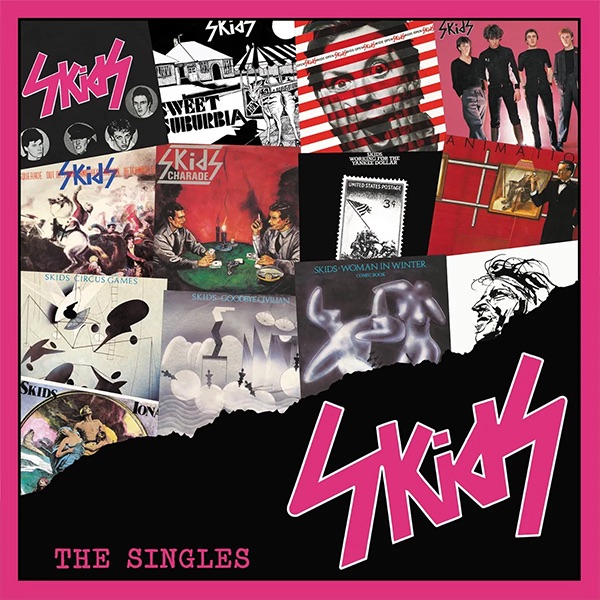
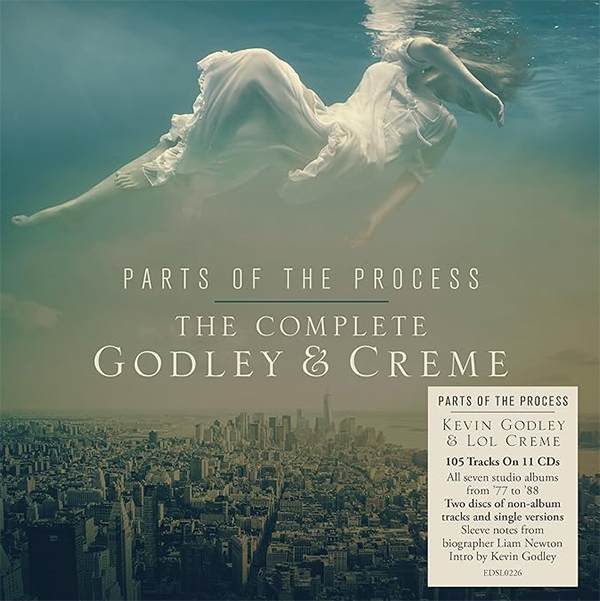
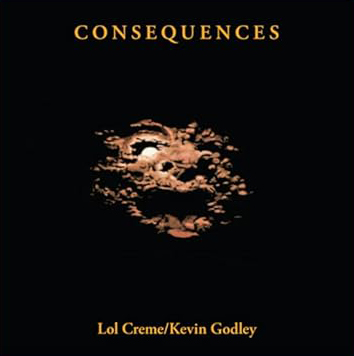
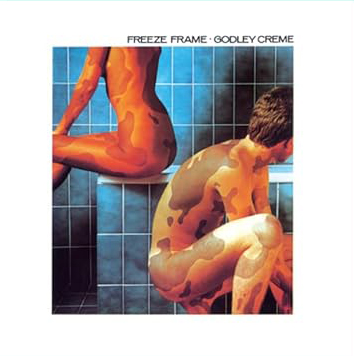
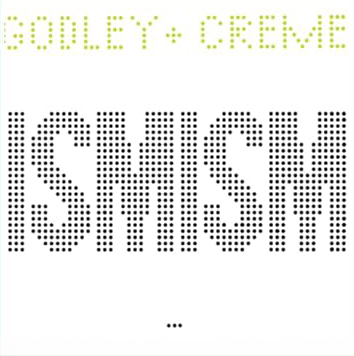
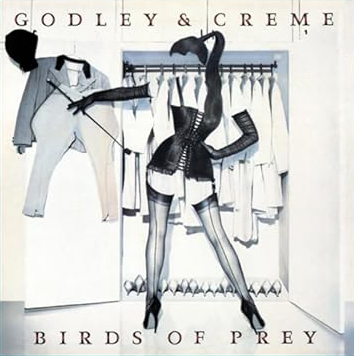

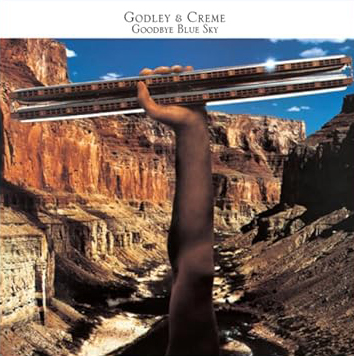

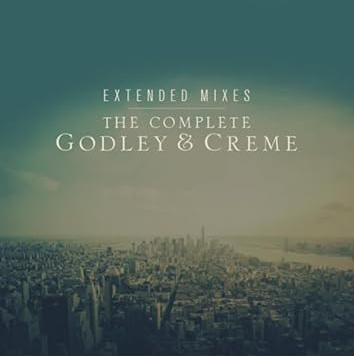
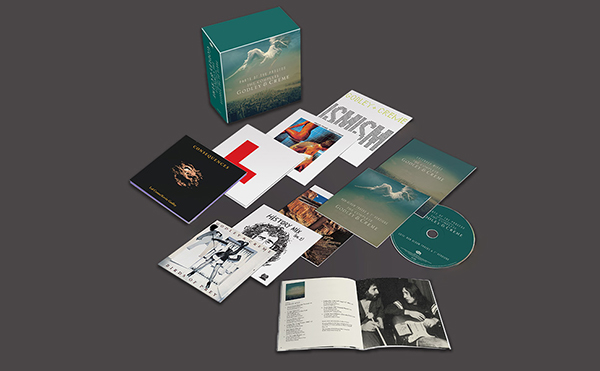

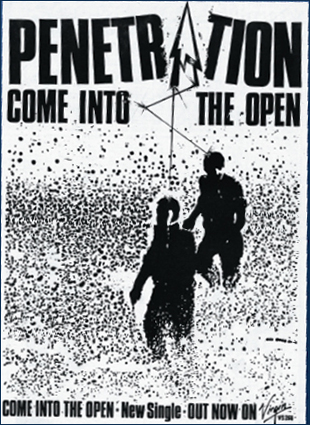
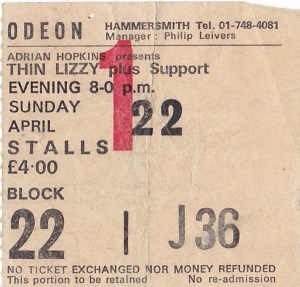
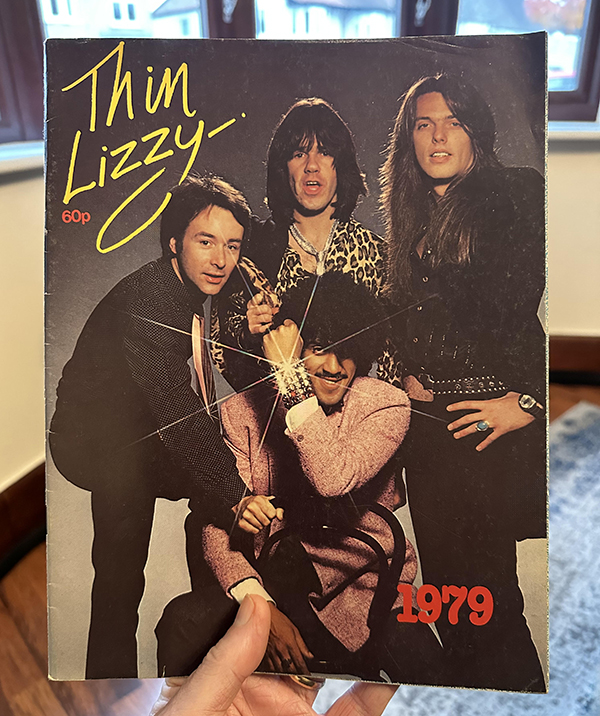
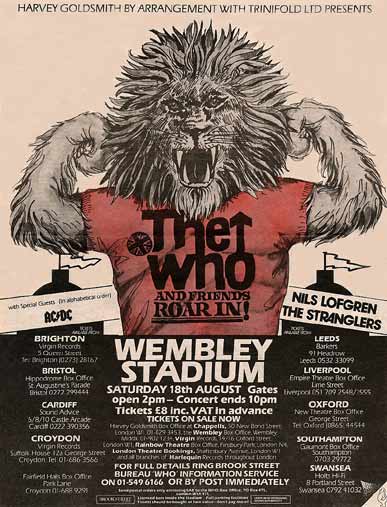
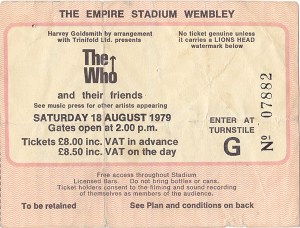
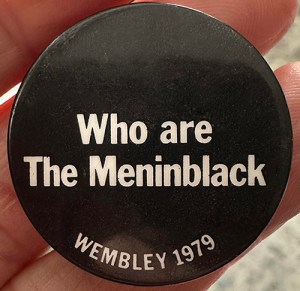
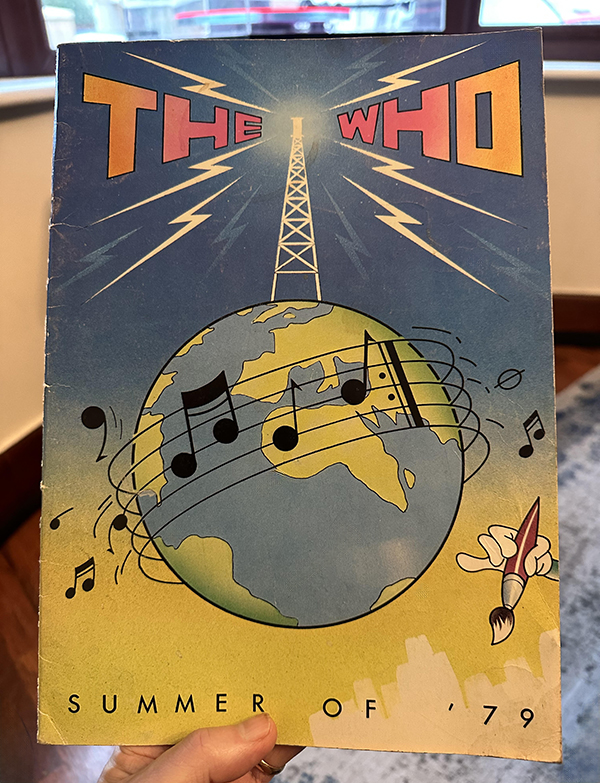
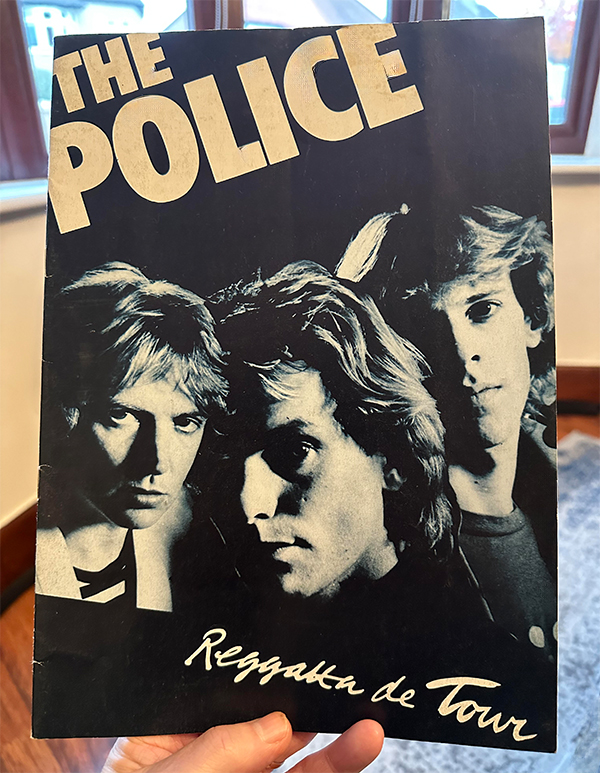
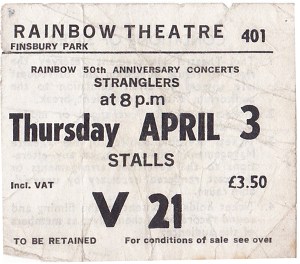
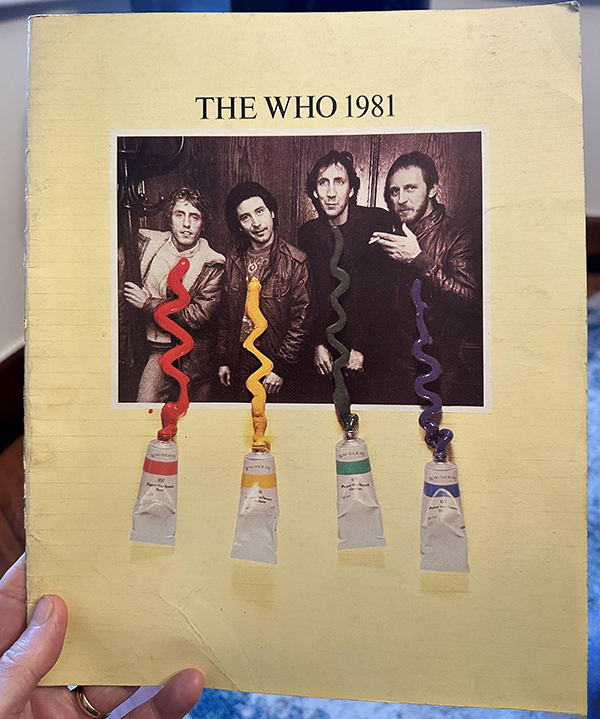
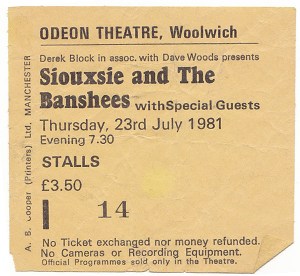
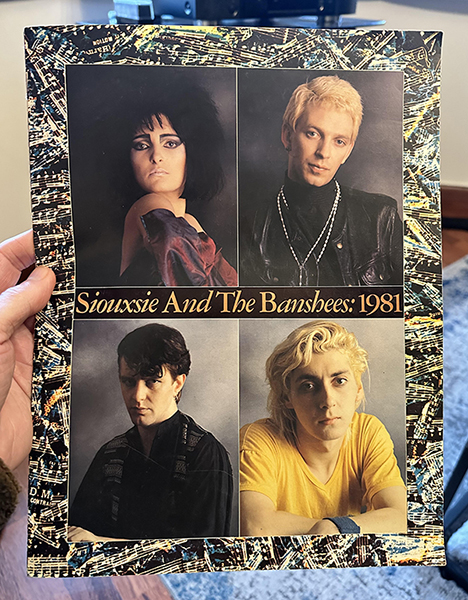
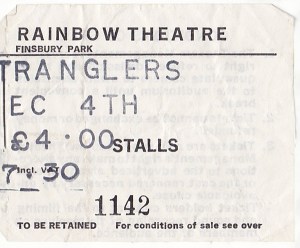
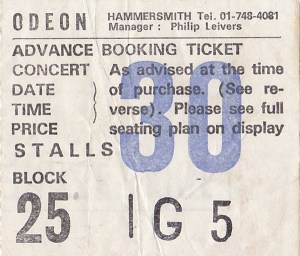
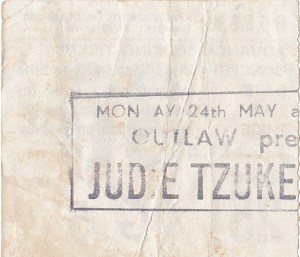
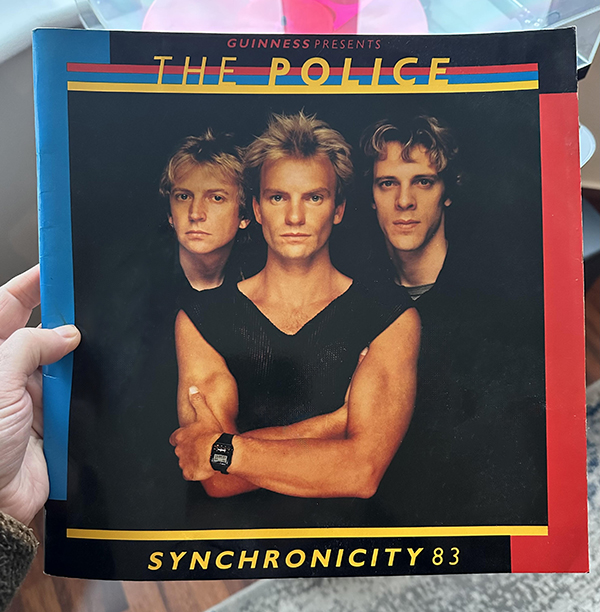
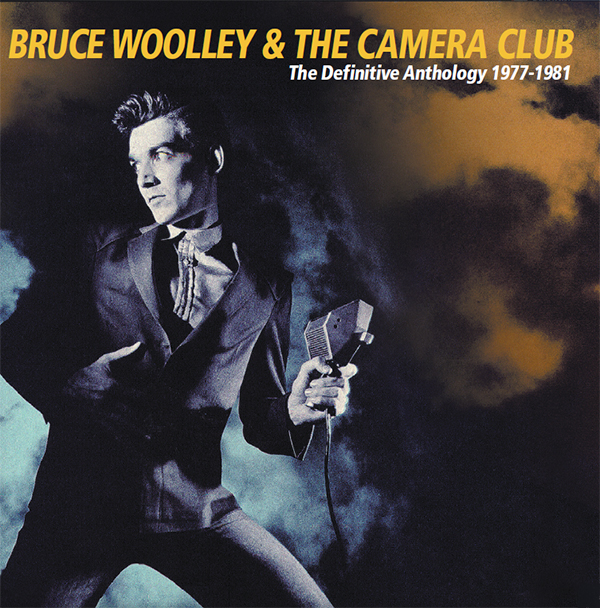
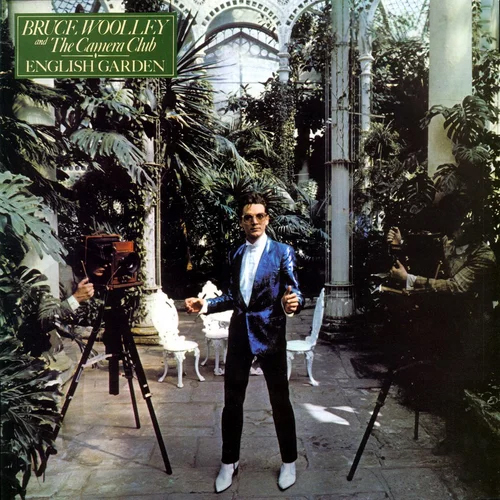
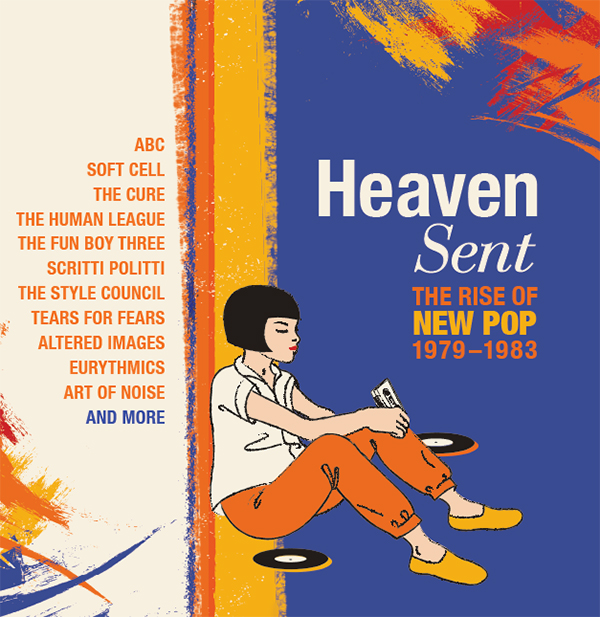
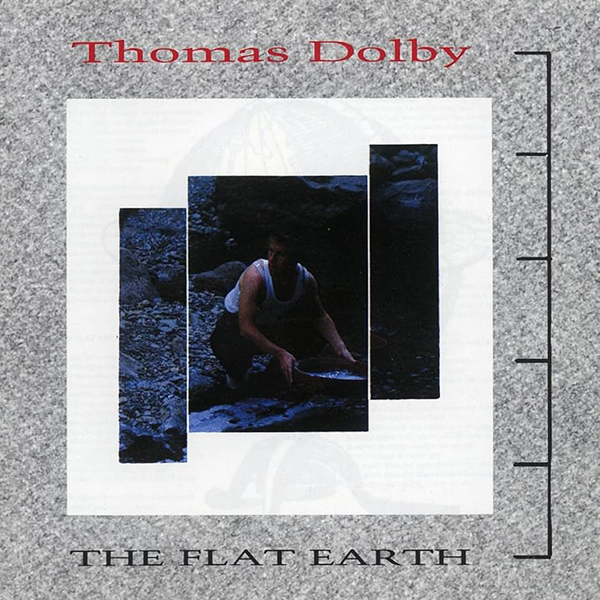
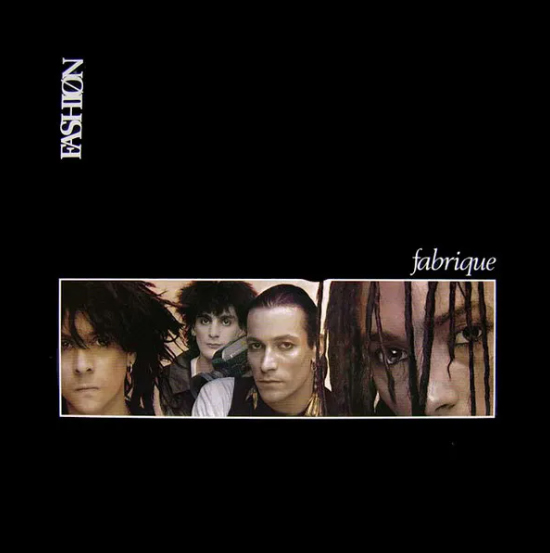





 Mr Kinski's Music Shack