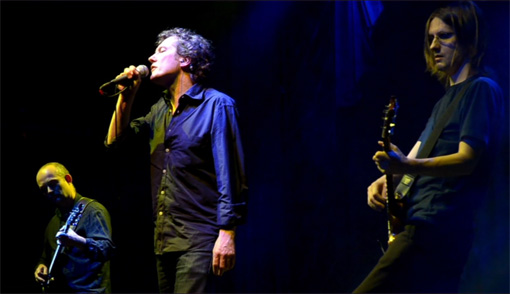
Men Singing is the long-awaited follow-up to the band’s 2001 self-titled debut.
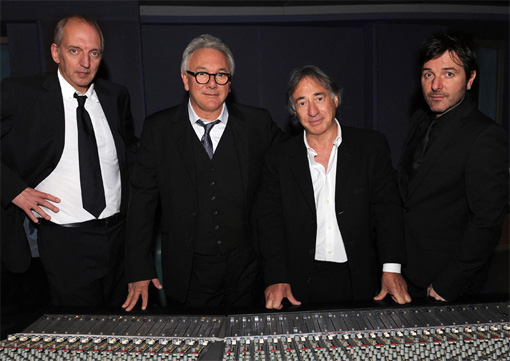
The 2013 line-up of the band includes new collaborators Jarrod Gosling (I Monster/Regal Worm), Phil Manzanera (Roxy Music) and classical violinist Steve Bingham and drummer Andrew Booker (both part of the current live no-man line-up).
The debut Henry Fool album was a mixture of instrumentals and songs, whereas Men Singing is a solely instrumental album, and is a much more coherent listening experience.
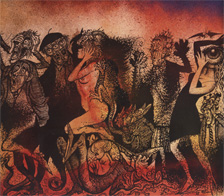
Men Singing was recorded over a long period of time – between 2006 and 2012, with Jarrod Gosling and Phil Manzanera adding their contributions towards the end of the recording process. Phil Manzanera adds guitar to Everyone In Sweden and Man Singing. Jarrod Gosling appears on all four tracks, contributing Mellotron, glockenspiel and the excellent album artwork.
Album opener Everyone In Sweden sets the mood, with shifting time signatures, and solos alternating between guitar, jazzy saxophone, and very distorted bass. The music shifts across genres, often two or three times in the same song, which is a great way to keep you listening, especially in the longer pieces. Some instrumental albums can be hard to listen to in one sitting, but Men Singing is certainly not background music, and the performances demand your full attention.
The vintage keyboards often give a real early to mid-70s feel to the pieces. There’s a wonderful section 7 minutes in to Everyone In Sweden, the album’s longest track, where everything breaks down, and keyboard washes give way to a mournful sax and guitar line as the piece ends.
Man Singing, which of course has (no) man singing, is a slower paced affair, and features no-man’s Tim Bowness on very angular chord/arpeggio guitar. There are hints of Adrian Belewesque guitar sounds on the album, which along with the keyboards, sometimes give a feel of Bowie‘s Berlin trilogy as well as more obvious King Crimson influences. The cut to the basics chorused guitar and strings ending works perfectly on this track.
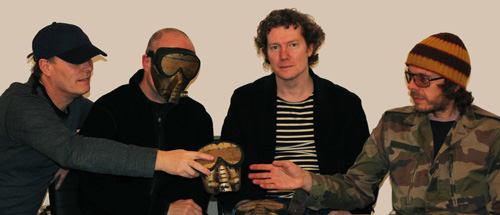
Track 3 is the perfectly titled My Favourite Zombie Dream, which has a real feeling of dread and anticipation about it. Oscillating strings from Stephen Bennett underpin the piece, as it slowly builds to it’s climax, like a soundtrack to a yet-to-be released George A. Romero film.
The final track on Men Singing is the 13 minute plus Chic Hippo. The violin playing of Steve Bingham features heavily, and Stephen Bennett (according to the sleevenotes) is credited with Miles Davis, Mavis Riley and Terry Riley impressions. Mavis Riley? That must have been difficult to pull off – “ooh, I don’t really know”. Apologies, no-one under 45 (or anyone outside of the UK) will get that cultural reference.
The mid-section of Chic Hippo is one of the most rewarding parts of the album. Fluttering church organ sounds give way to sax riffs from Myke Clifford that would not have sounded out of place on early Bowie or Roxy Music albums, topped off with some wonderful slide guitar from Michael Bearpark. The percussion work from Andrew Booker is another highlight of Chic Hippo.
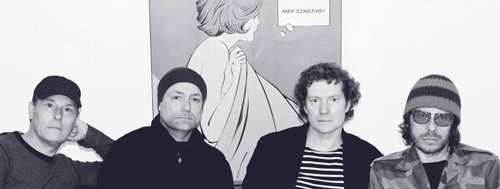
Men Singing is a strong second album from Henry Fool, and a radical departure for Tim Bowness. Have a listen to the edits on this page, via SoundCloud and YouTube. Another indication of the quality of this album is that it was mastered by award-winning Pink Floyd sound engineer, Andy Jackson.
The album is likely to appeal to fans of mid-period Porcupine Tree as well as those intrigued by Steven Wilson‘s recent foray into more improvisational / jazz-rock influenced material. If you like albums that disturb as much as entertain, then let the men of Henry Fool sing for you.
Henry Fool – Men Singing
(KSCOPE244 / 836) – March 11th, 2013 – available in vinyl and CD versions
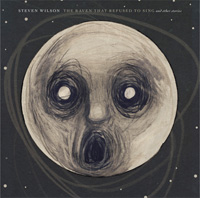 The Raven That Refused to Sing (and Other Stories) is the third Steven Wilson solo album, but where it differs from the previous two releases is that it was written to be performed with the musicians who make up his touring band. This gives a real cohesion to the album, which was produced by Wilson but features Alan Parsons as associate producer and recording engineer.



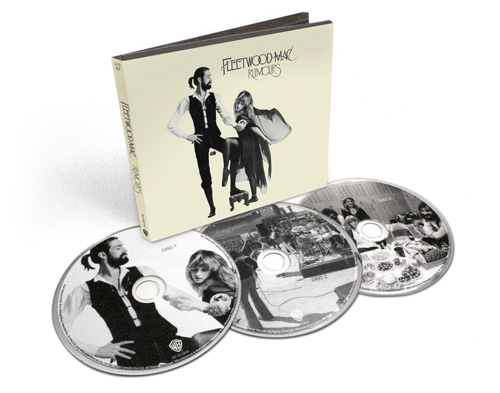
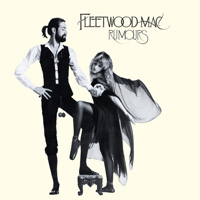 An album I’ve previously bought on vinyl, cassette and CD, and now a 3 CD deluxe edition. So it’s clearly an album I like, along with over 40 million purchasers of this album!
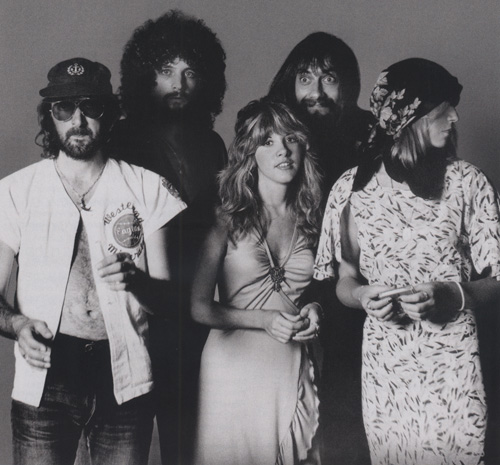

 The follow-up to 2008’s Hooverdam is a continuation of Cornwell’s recent back-to-basics approach. Where the production on Hooverdam (by Liam Watson) harked back to the 60s, I felt that the production on the vocals let the songs down. Hugh recorded his latest album in Chicago late last year, with Steve Albini (Nirvana, Pixies, PJ Harvey) behind the desk. The result is Hugh’s best sounding album to date, and surely up there with Nosferatu and Guilty as one of his finest albums.
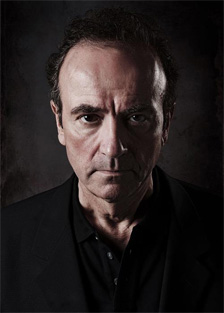 Bad Vibrations is a highlight of Hugh’s live set, and has a wonderful, dirty overdriven bass sound, and Nosferatu‘esque / Wired discordant guitar / drums interplay after the chorus. The guitar at the end of the song has a real early Skids feel to it. One of my favourite tracks on the album, I never tire of this song.

 The band started out as a live covers band, albeit made up of multi-million selling producers / musicians! The Producers initially existed as a way for the musicians to escape from the confines of the studio environment, and they rehearsed a set of songs by other artists that they had produced over the years.



 The album opens with the instrumental Monument, which seques into Hell Freezes Over I – with its naggingly addictive guitar line and jittery percussion intro setting the scene for the album.


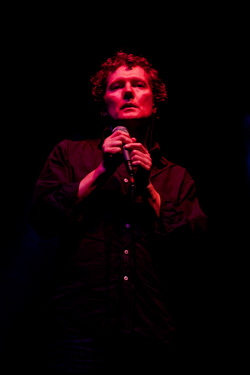 time travel in texas is another song from the mid-90’s Wild Opera album, with the 2011 live version losing it’s scratchy Portishead trip-hop atmosphere, mutating into a brooding, twin-guitar heavy assault.
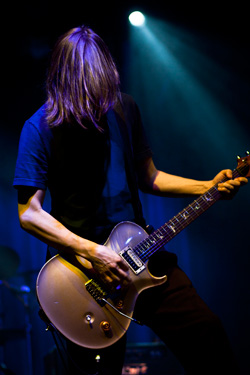 beaten by love is a previously unreleased no-man track, written in 1987 and performed for the first time at this show. The track displays hints of some of the darker This Mortal Coil tracks mixed with a healthy dose of Siouxsie & the Banshees, and is unlike any recent no-man material.